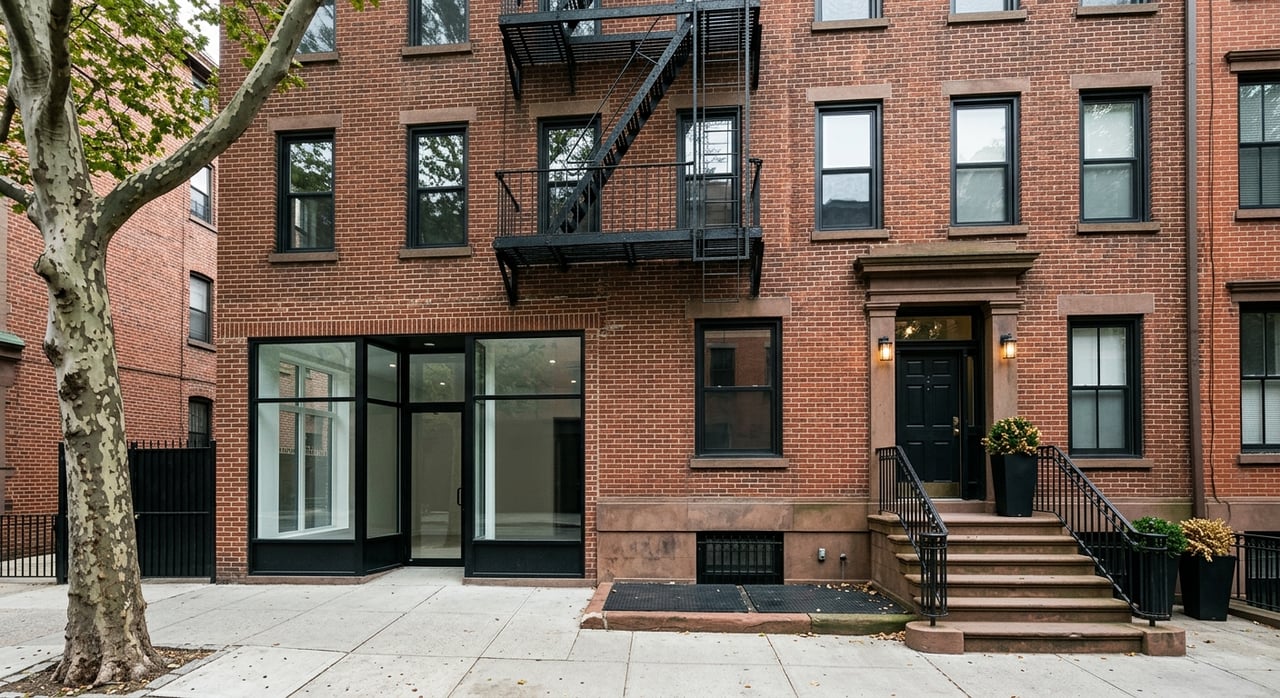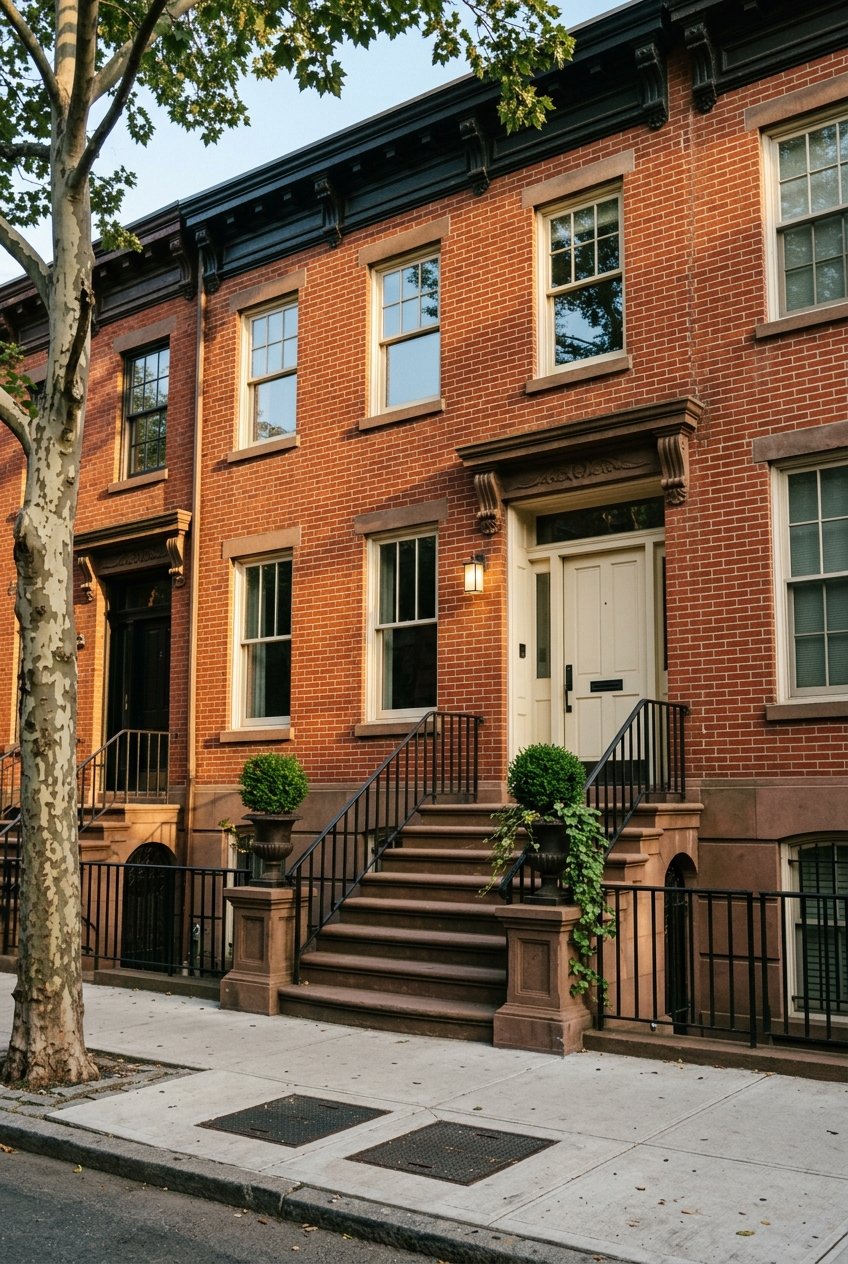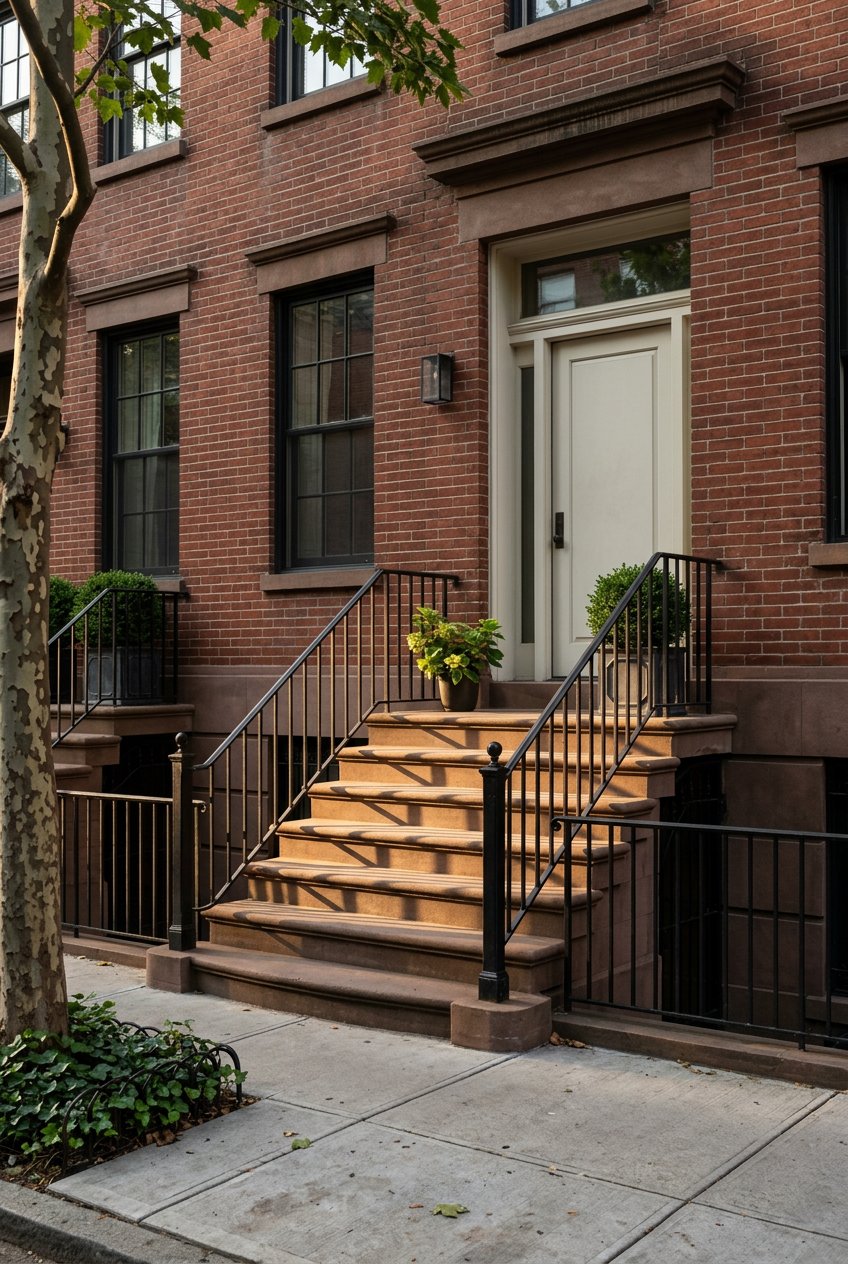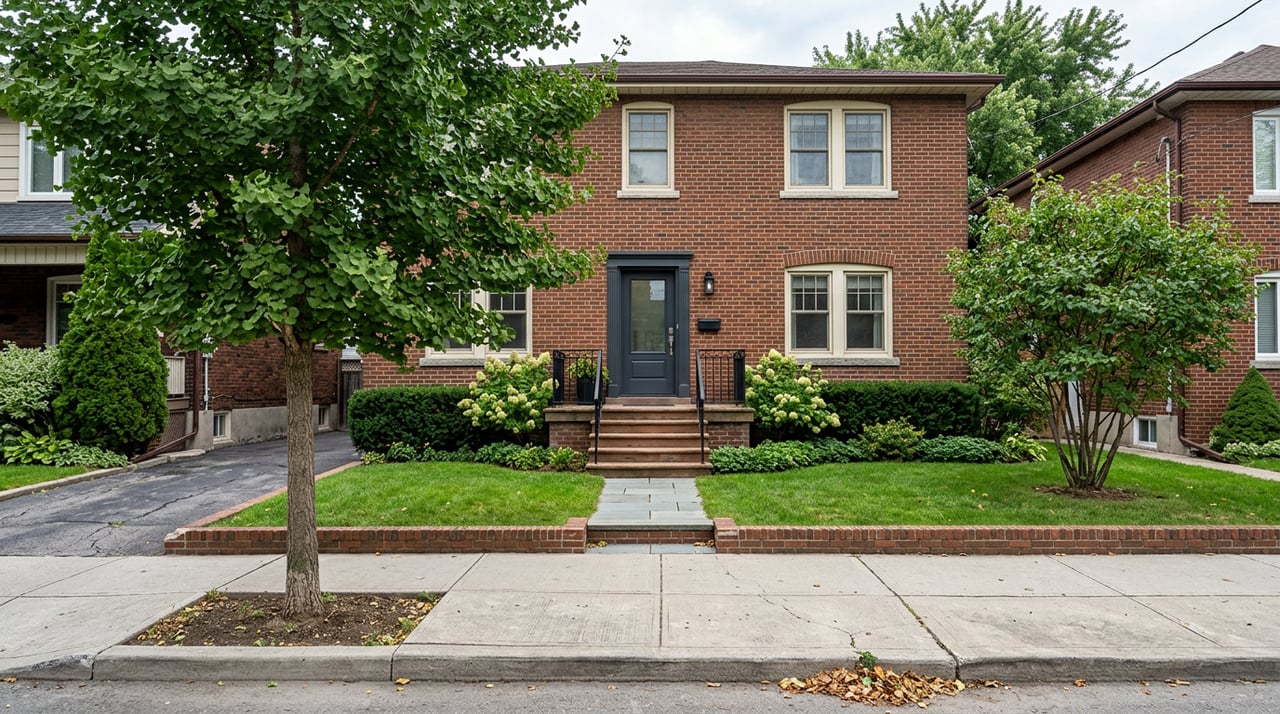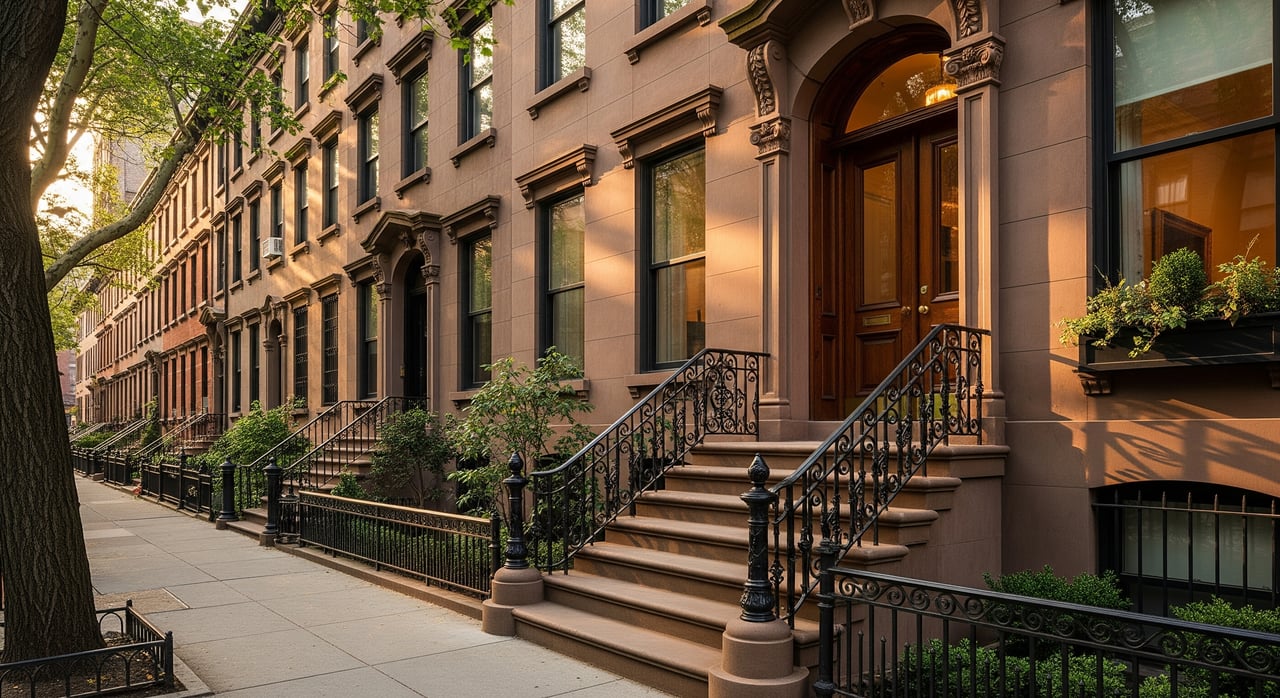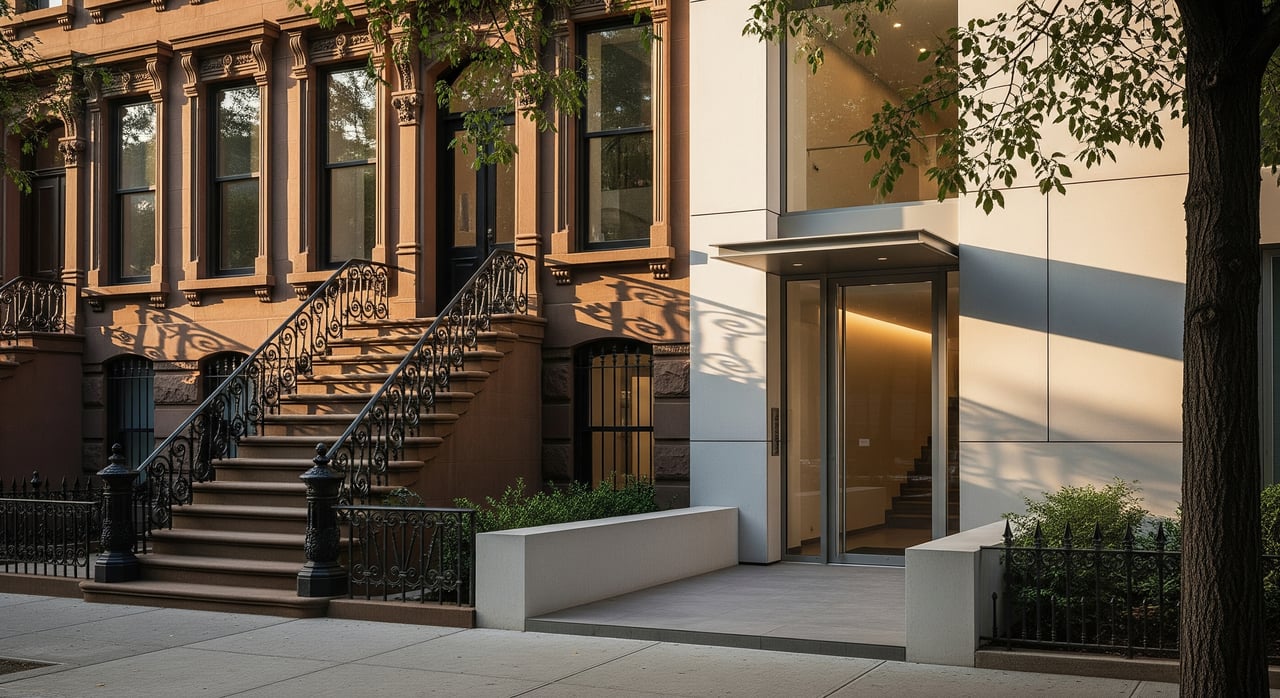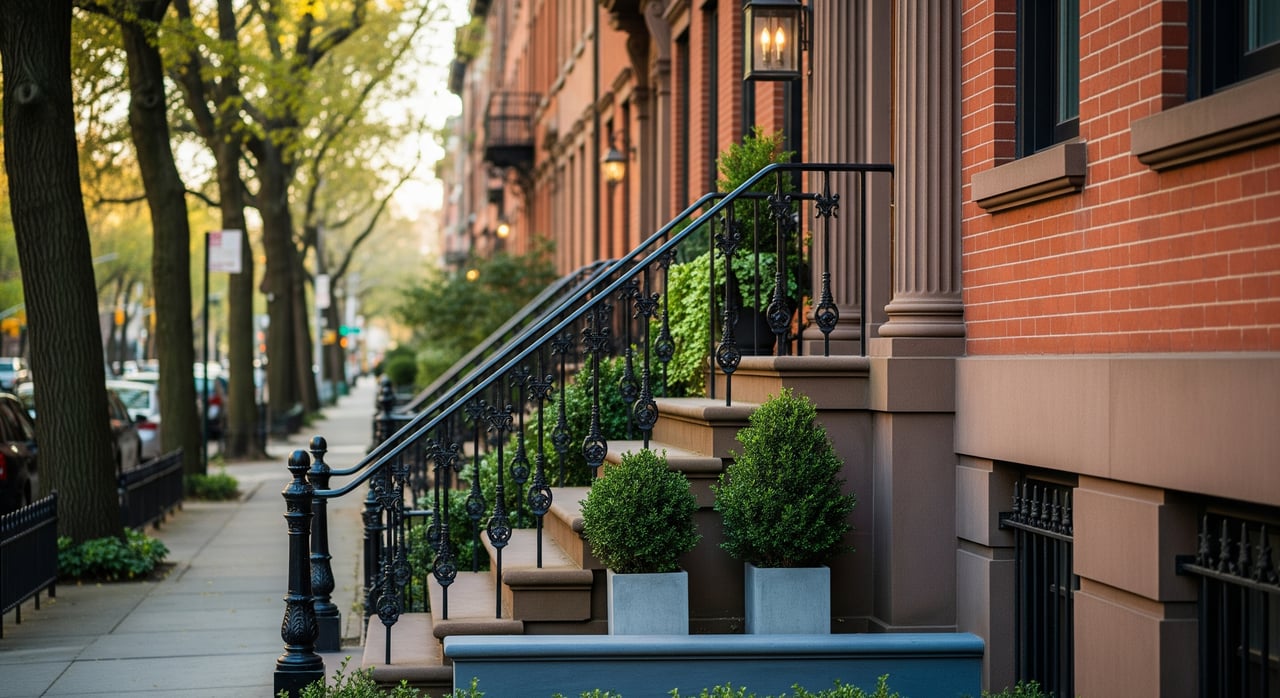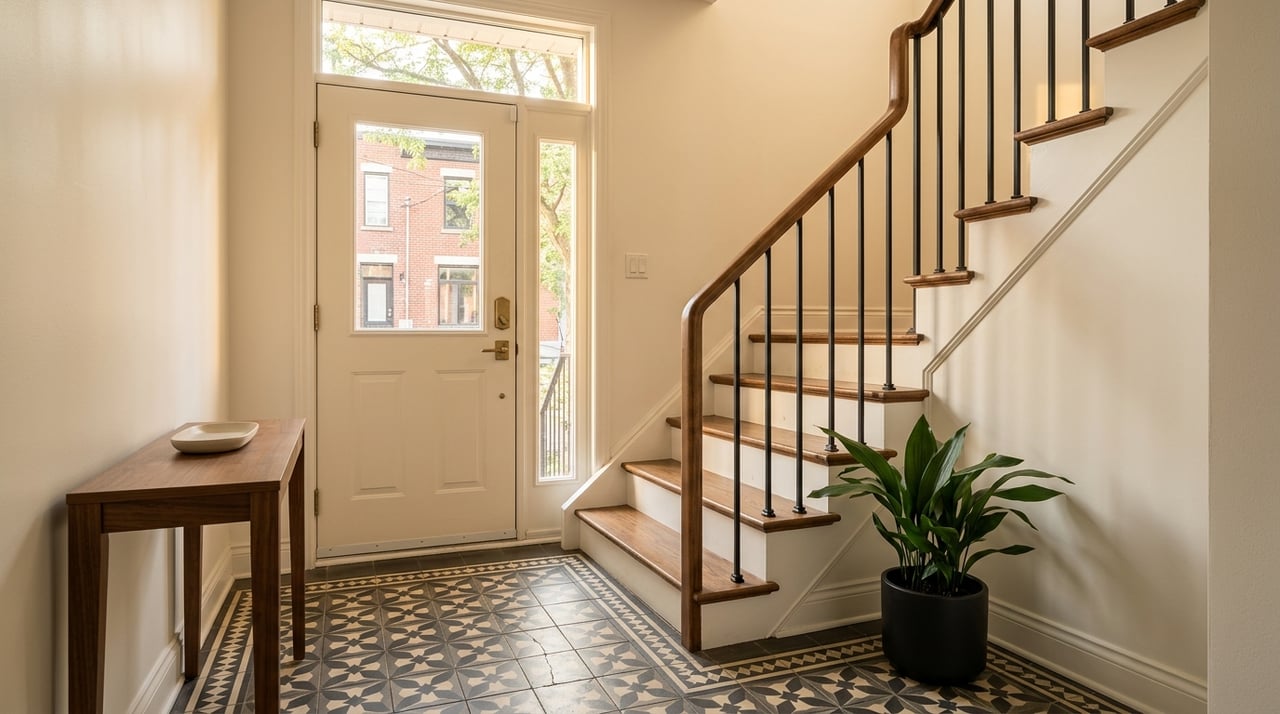
Selling a Fort Greene brownstone is not like selling a generic home. Buyers here are often drawn to scale, original detail, and that unmistakable parlor-floor wow factor, but they still want a home that feels cared for and ready for the next chapter. If you are thinking about listing, the right prep can help you protect character, avoid unnecessary headaches, and make a stronger first impression. Let’s dive in.
Why prep matters in Fort Greene
Fort Greene remains one of Brooklyn’s highest-value townhouse markets. StreetEasy shows a median sale price of $1.7 million and median days on market of 60 days, while its 2026 neighborhood-watch analysis reports a median asking price of $1.863 million, up 12.9% year over year, along with 43% annual search growth.
That kind of attention is good news, but it also means buyers can be selective. In a neighborhood where townhouses can sell for more than $4 million and brownstones are prized for wide layouts, deep floor plans, grand parlors, and high ceilings, presentation matters just as much as square footage.
Lead with character, not over-renovation
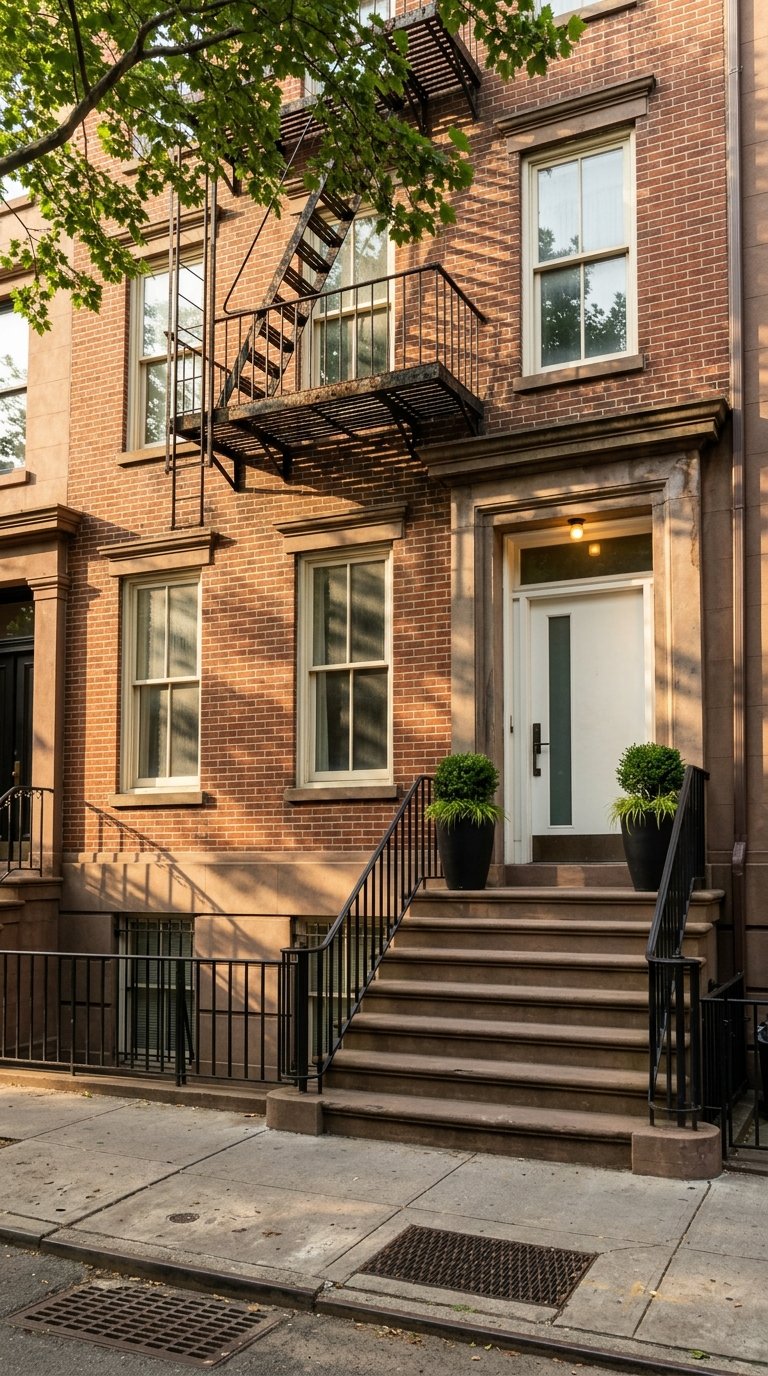
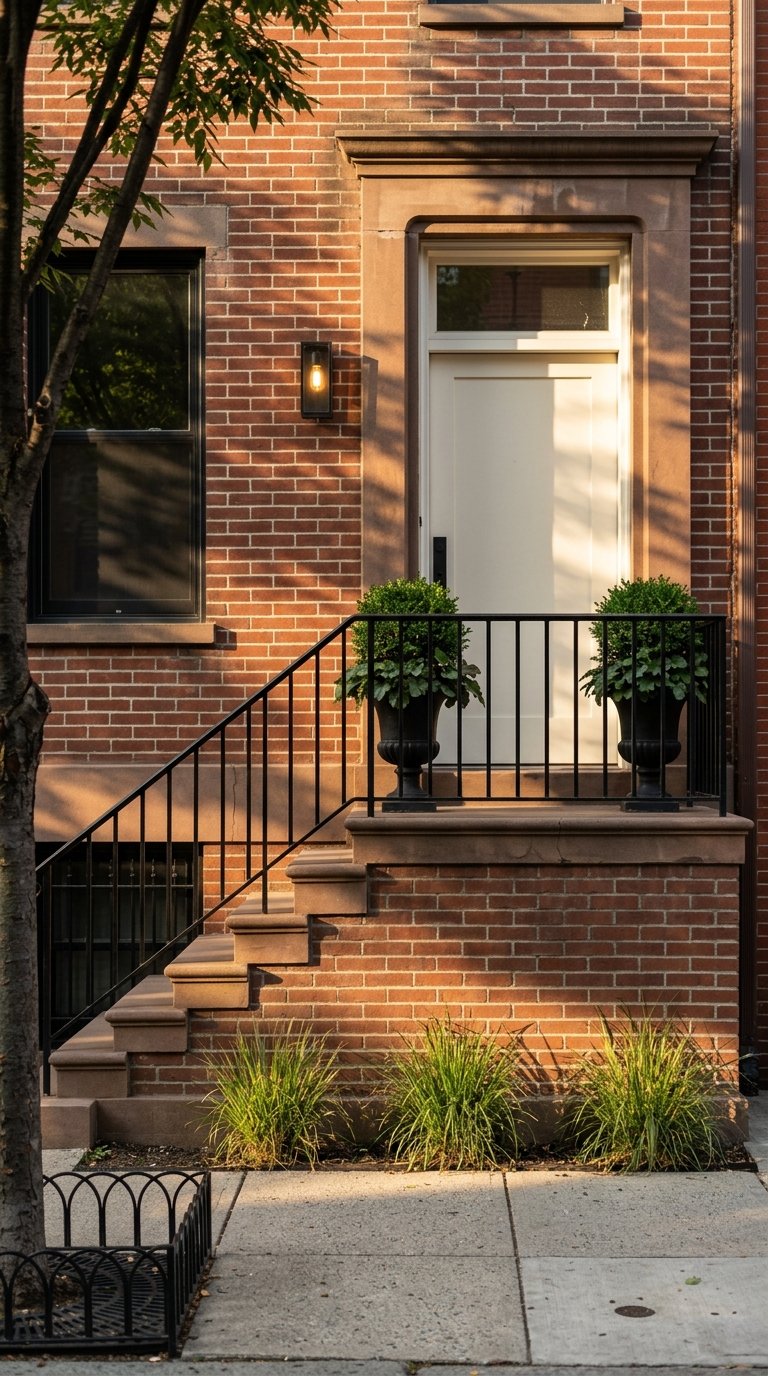
In Fort Greene, your brownstone’s historic features are often part of the value story. Original millwork, ceiling height, stair detail, and classic room proportions can help buyers connect emotionally with the home.
That is why the safest strategy is often to preserve original details and improve the home’s perceived condition instead of rushing into a full modern renovation. In many cases, polishing what is already there gives you a better market result than replacing period character with finishes a buyer may not even want.
Focus on visible condition
Before you spend heavily, look at the home through a buyer’s eyes. A clean, bright, well-maintained brownstone usually shows better than one with expensive but mismatched updates.
High-return prep often includes:
- Deep cleaning throughout the home
- Paint touch-ups where needed
- Polishing or refreshing floors
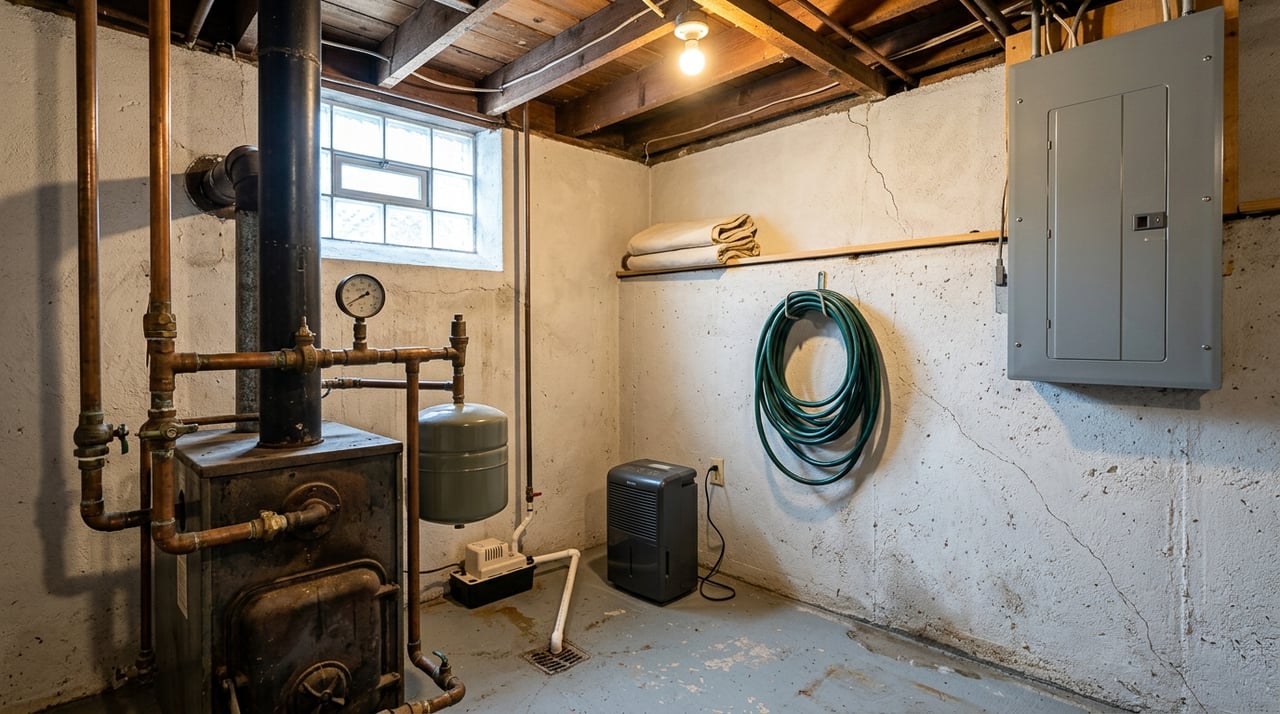
- Decluttering stoops, stair halls, parlors, and garden-level spaces
- Improving lighting and bulb consistency
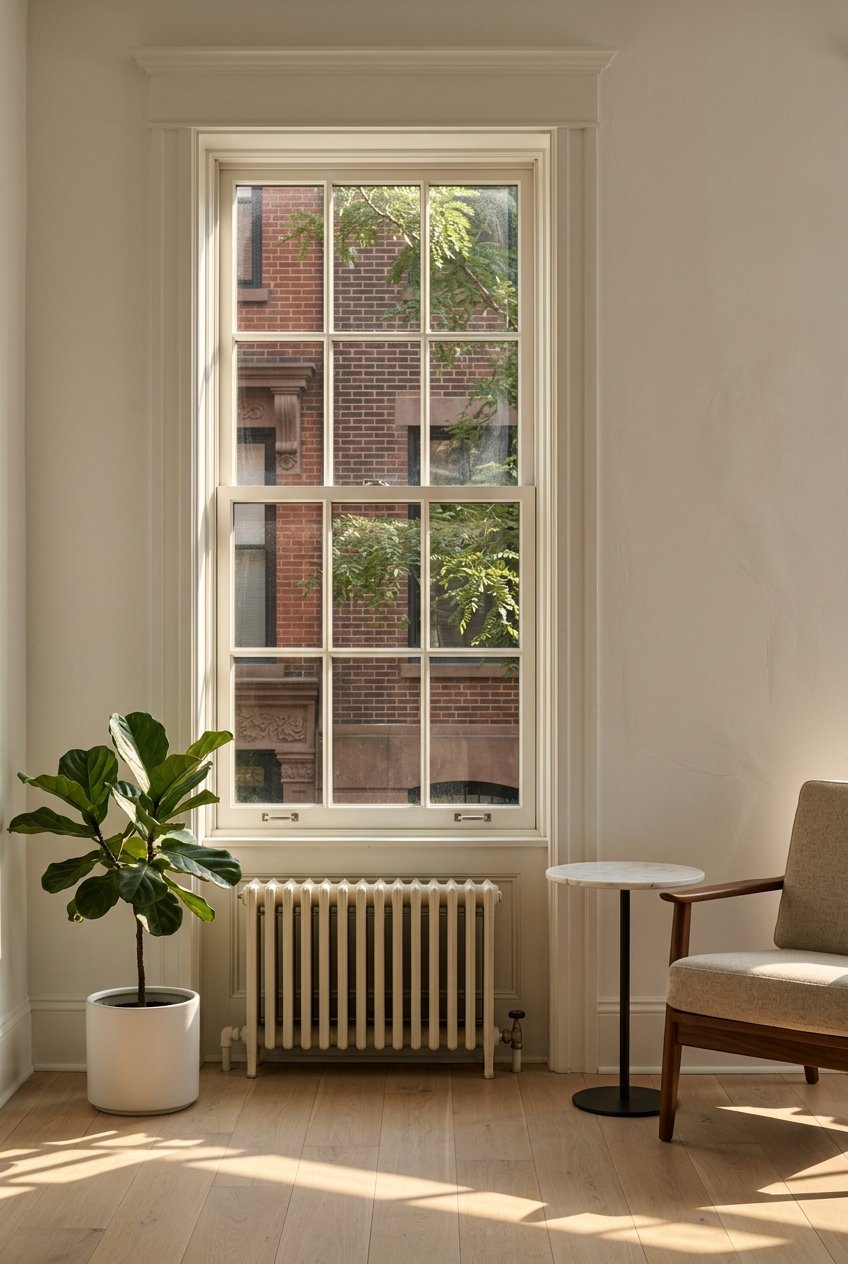
- Cleaning windows and fixtures
These updates support the home’s strengths without changing what makes it feel like Fort Greene.
Check historic-district rules first
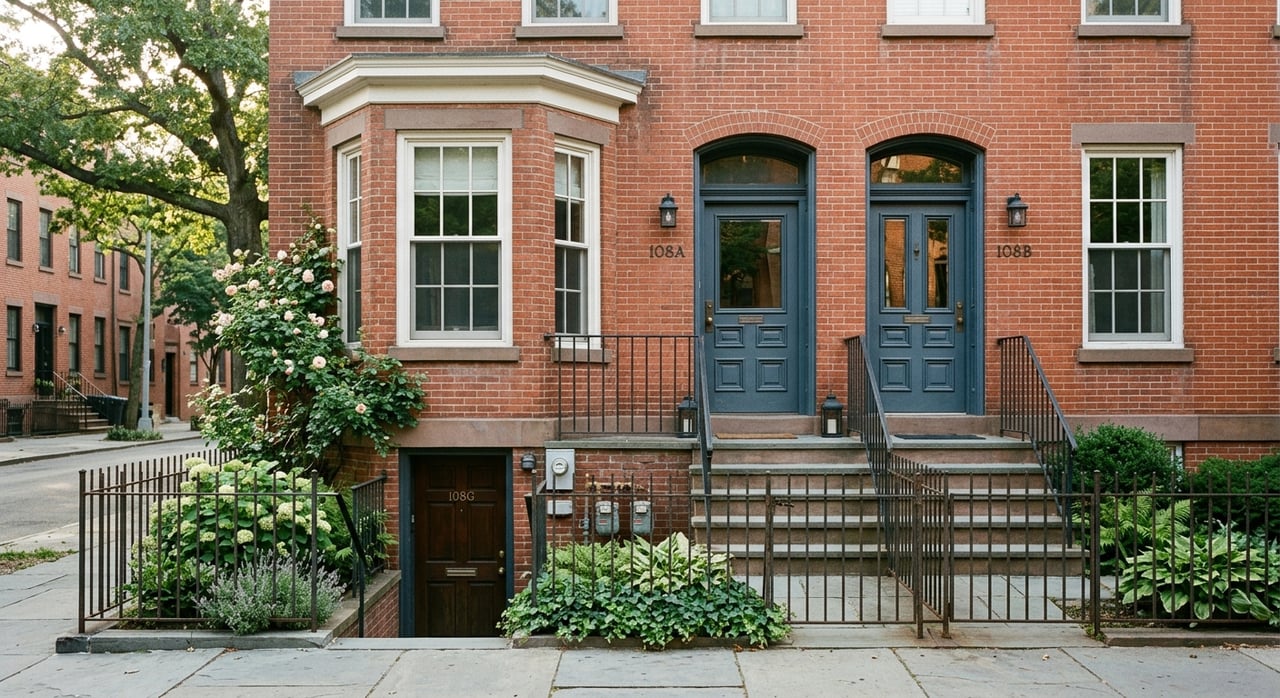
Many Fort Greene brownstones sit within the Fort Greene Historic District, which the Landmarks Preservation Commission designated on September 26, 1978. If your property is in a historic district, exterior work is not just a style decision. It can also be a compliance issue.
According to LPC, most exterior changes to front and rear facades in historic districts require review. At the same time, ordinary repairs and maintenance, such as replacing broken window glass, repainting an exterior to match the existing color, or caulking around windows and doors, generally do not require a permit.
Know the difference between maintenance and alteration
This is where many sellers can save time and stress. If you are planning visible exterior work before listing, confirm whether the work is simple in-kind maintenance or a regulated alteration before a contractor starts.
NYC Business notes that work such as replacement of windows or doors, masonry cleaning or repair, and restoration of architectural details may fall under LPC’s Minor Work permit category. Larger changes, including additions or demolitions, can require a Certificate of Appropriateness.
Exterior updates to review carefully
If you are considering any of the items below, it is smart to confirm requirements first:
- Window replacement
- Door replacement
- Masonry cleaning or repair
- Facade restoration
- Ironwork or architectural detail restoration
- Rear or front exterior alterations
A quick compliance check early in the process can help you avoid delays later, especially when you are trying to hit a listing timeline.
Plan older-home work with lead safety in mind
Most brownstones in Fort Greene were built before 1978, which means lead-safe planning matters. Federal law requires sellers, landlords, real estate agents, and property managers to disclose known lead-based paint information before a sale or lease, provide the EPA pamphlet, and give buyers a 10-day period to test for lead hazards.
For pre-listing prep, the practical issue is often the work itself. Renovation, repair, and painting in pre-1978 homes can create dangerous lead dust, so any sanding, scraping, or repainting should be approached carefully.
Keep cosmetic work simple and controlled
If you are touching up paint or repairing older surfaces, avoid treating the project like a casual weekend refresh. Older brownstones deserve a more thoughtful approach, especially where painted trim, windows, doors, and stair components are involved.
A good rule of thumb is to keep updates targeted and use lead-safe certified contractors when the scope of work could disturb old paint. That helps you reduce risk while still getting the home market-ready.
Stage the rooms buyers remember
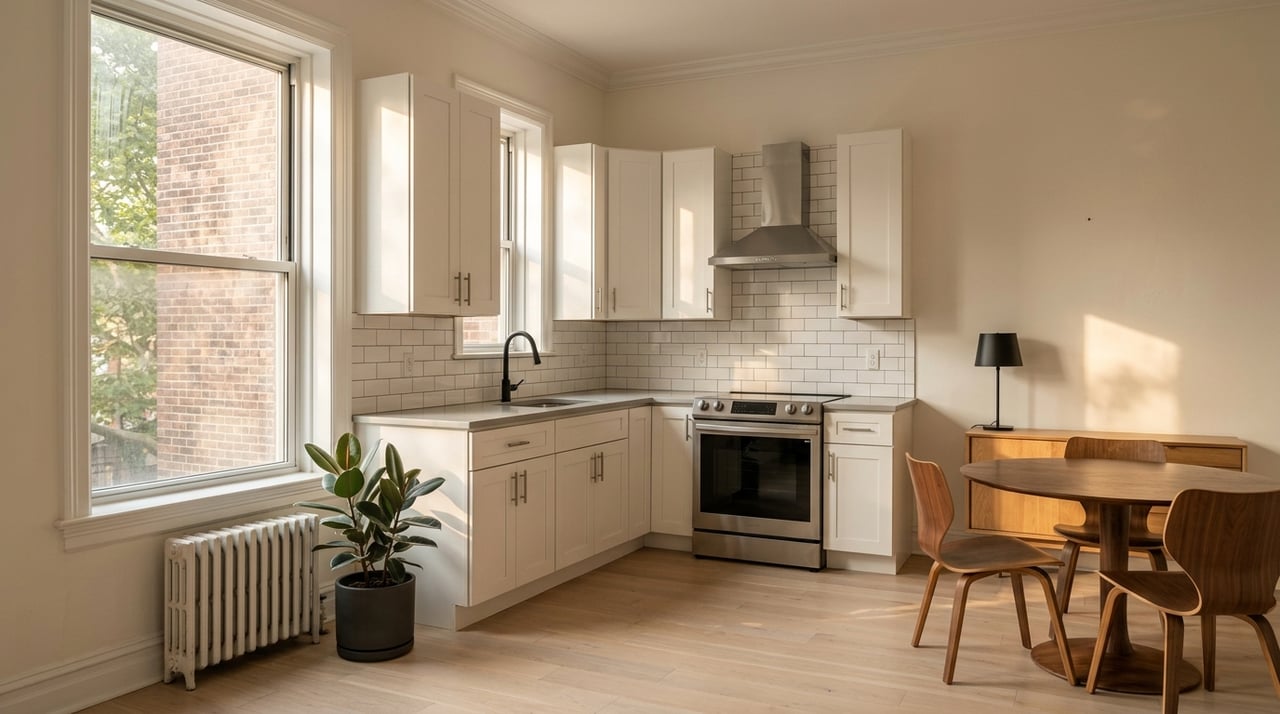
Staging can make a real difference when you are selling a brownstone with strong architectural features. The 2025 NAR Profile of Home Staging found that 83% of buyers’ agents said staging made it easier for buyers to visualize a property as a future home.
For Fort Greene sellers, that matters because layout and atmosphere are often major selling points. Staging helps buyers understand how to live in the scale of the home without distracting from the original details.
Prioritize the parlor floor
The most important visual zone in many brownstones is the parlor floor. If you only invest in staging in a few places, start where the home delivers the strongest emotional impact.
The same NAR report found that the rooms most often staged by sellers’ agents were:
- Living room: 91%
- Primary bedroom: 83%
- Dining room: 69%
For a Fort Greene brownstone, that often translates into a staged parlor-level living area first, followed by the primary bedroom and any dining or garden-level entertaining spaces.
Budget expectations for staging
The median reported cost of a staging service in the NAR report was $1,500. Your actual cost may vary based on the size of the home and the scope of the install, but the takeaway is simple: staging does not have to mean furnishing every inch of the property.
Targeted staging in the rooms that photograph best can go a long way.
Treat photography as a major part of prep
Once your home is clean, edited, and staged, your marketing assets matter. Buyers often meet your brownstone online first, so photos and video need to capture the character, scale, and flow that make the property special.
According to the 2025 NAR staging report, buyers’ agents said the most important listing assets were photos, physical staging, videos, and virtual tours. Photos ranked highest at 73%, followed by physical staging at 57%, videos at 48%, and virtual tours at 43%.
What to highlight in brownstone marketing
For Fort Greene brownstones, the strongest visuals often include:
- Parlor-floor entertaining spaces
- Ceiling height and natural light
- Original detail and architectural trim
- Stair hall views and room-to-room flow
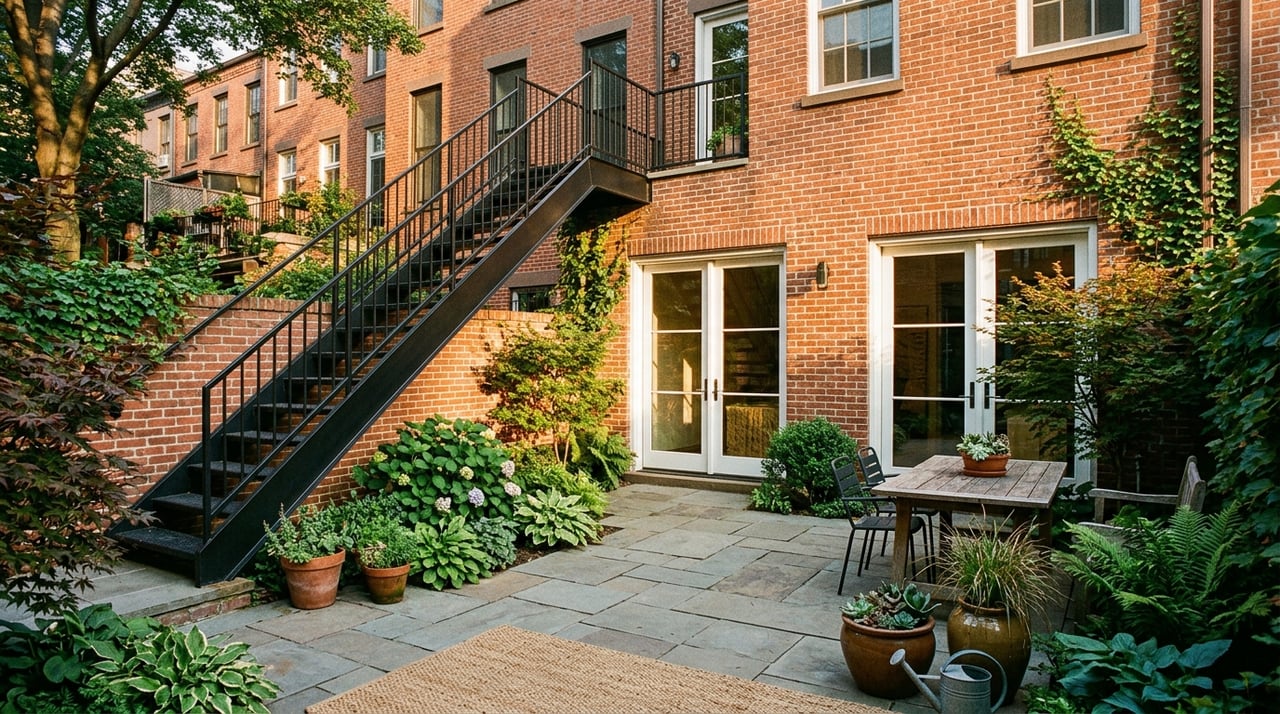
- Garden-level flexibility
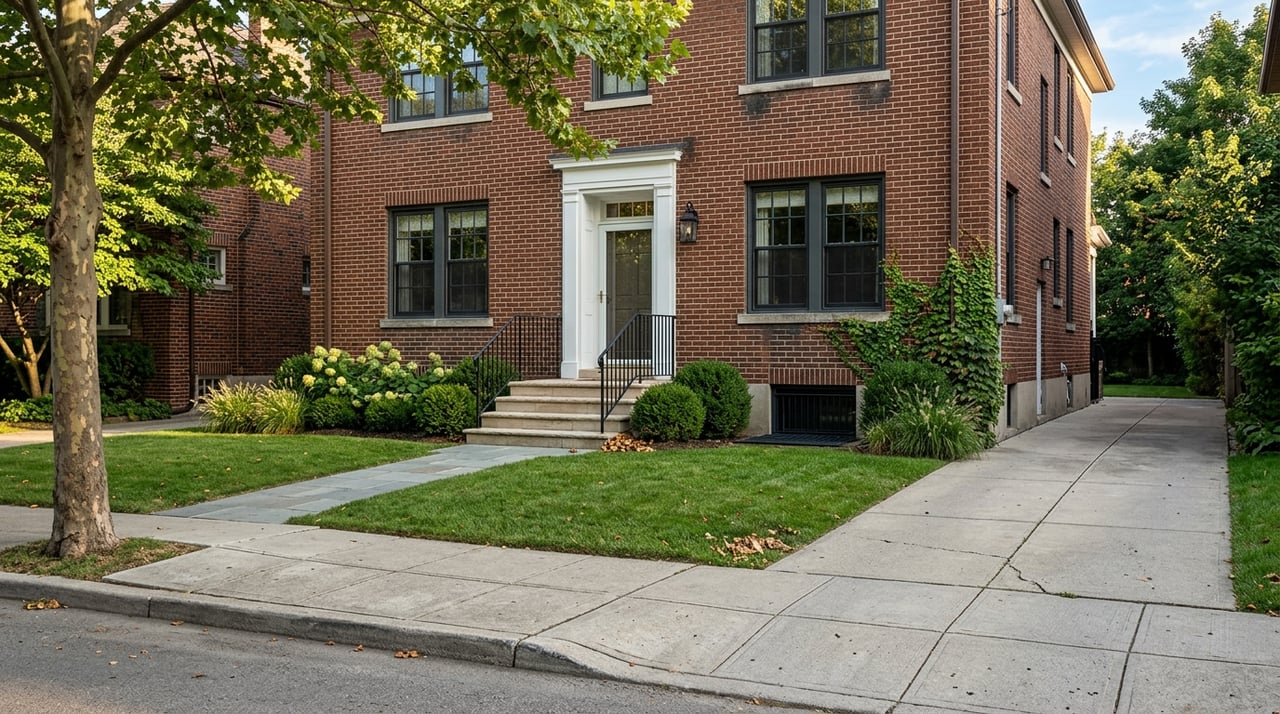
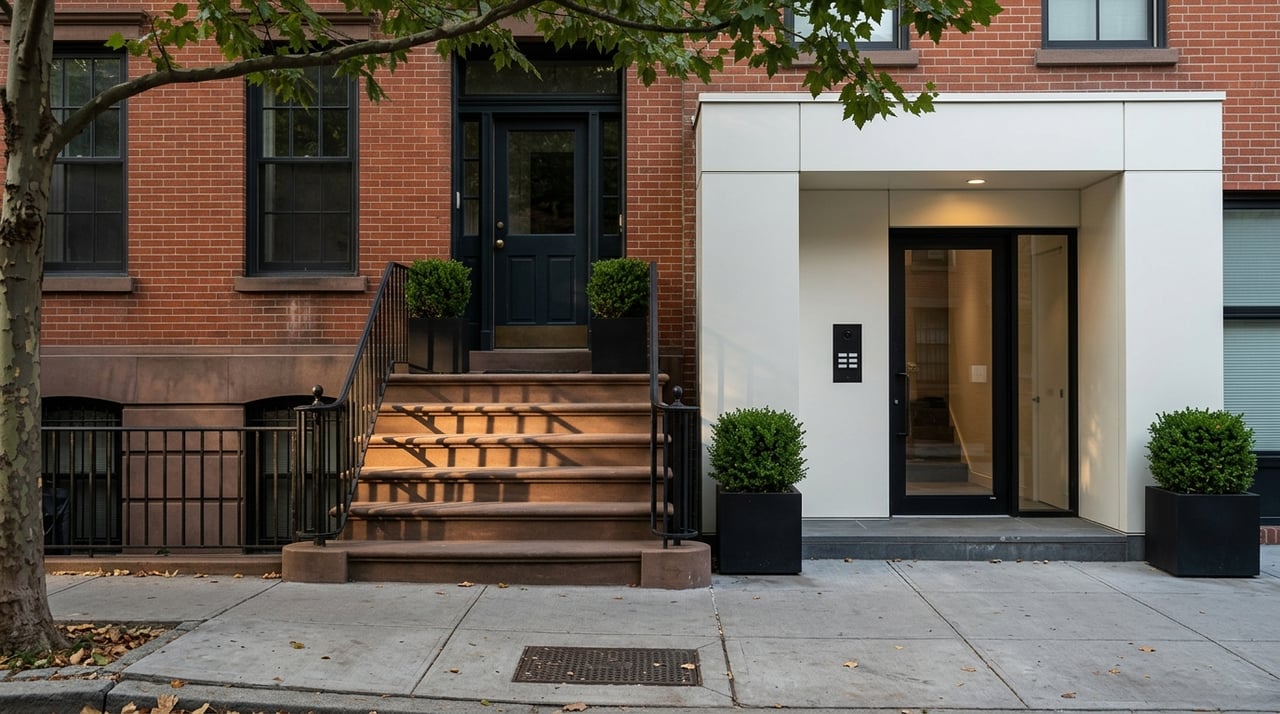
- Clean, well-kept exterior approach
When the home is properly prepared before photography, the marketing can feel polished instead of patched together.
Follow a smart listing sequence
One of the easiest ways to lose time before listing is doing the right tasks in the wrong order. Brownstone prep usually works best when you start with condition and compliance, then move into cosmetics and marketing.
A practical launch sequence for Fort Greene sellers is:
- Review the home’s condition
- Screen for permit and historic-district questions
- Plan older-home work with lead safety in mind
- Complete only the cosmetic updates that preserve character
- Stage key rooms
- Photograph and film the home
- Launch the listing and prepare for showings
NAR’s consumer marketing guide also notes that the first open house the weekend after the home goes on the market can help maximize exposure. That means the goal is not just to get listed quickly. It is to be fully ready when the listing goes live.
Small details can shape buyer perception
In a brownstone, buyers notice more than finishes. They notice flow, upkeep, light, and whether the home feels calm or chaotic.
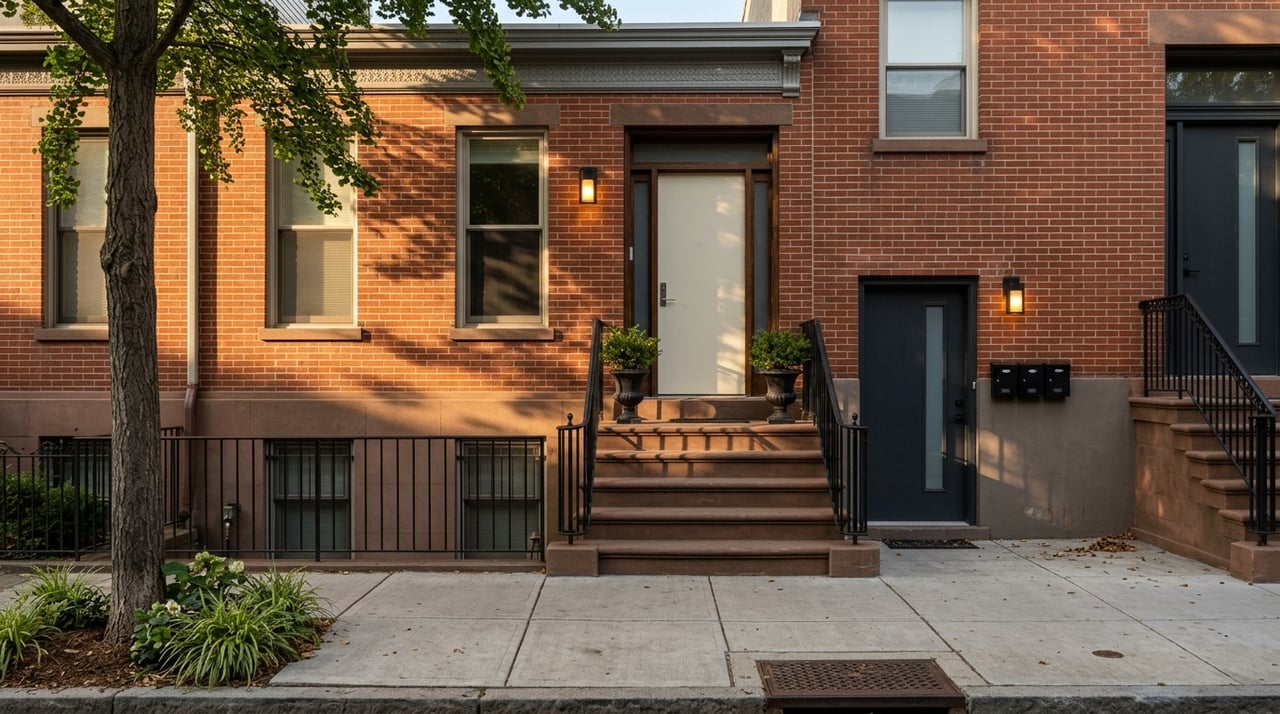
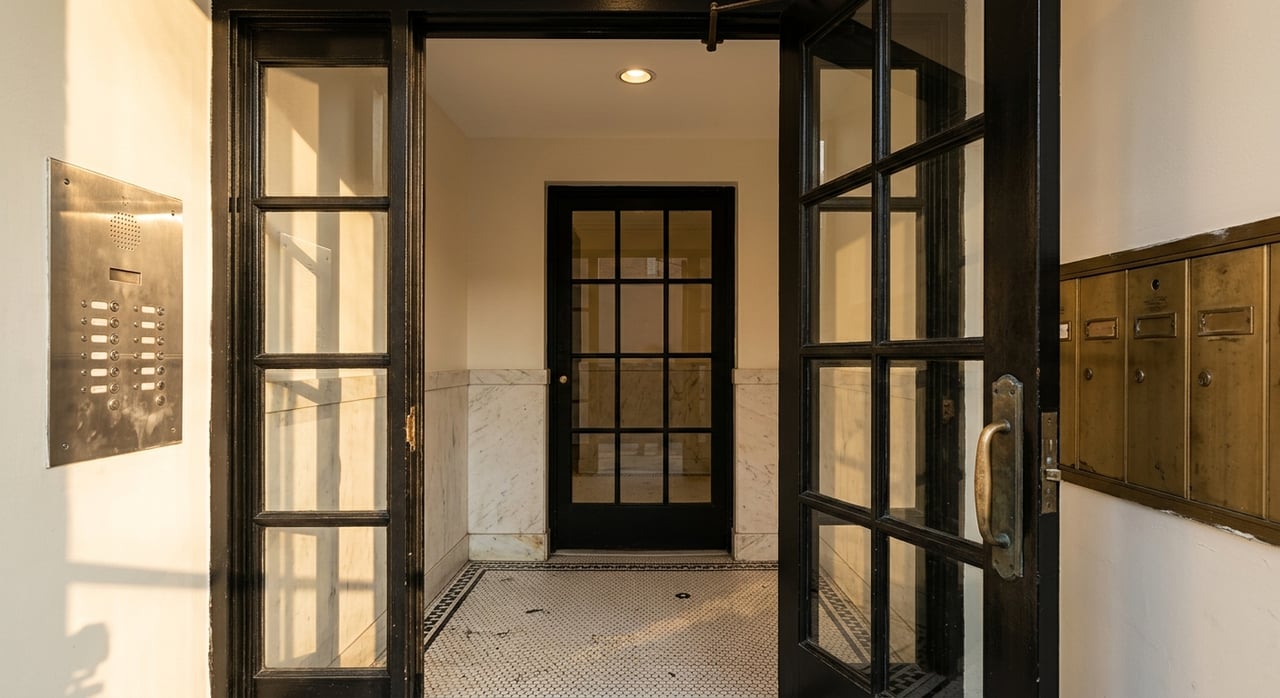
That is why details like a clear stoop, uncluttered entry, polished hardware, fresh bulbs, clean windows, and tidy garden-level spaces matter. These are not glamorous fixes, but together they can support a stronger first impression and help buyers focus on the home’s best features.
Prepare for the market with a local plan
Fort Greene buyers are often paying for a mix of architecture, location, and lifestyle. Your prep strategy should reflect that reality. In most cases, the goal is not to strip away the brownstone’s identity or overbuild before sale. It is to present the home as well-maintained, visually coherent, and easy to imagine living in.
With the right plan, you can protect the details that make your property special while improving the pieces buyers care about most. If you are getting ready to sell and want a thoughtful, neighborhood-specific strategy, Claudette Rolling can help you build a prep plan, coordinate the process, and bring your Fort Greene brownstone to market with confidence.
FAQs
What is the best way to prepare a Fort Greene brownstone for sale?
- The strongest approach is usually to preserve original character, improve visible condition, handle any compliance questions early, and focus on cleaning, touch-ups, staging, and strong listing photography.
Do Fort Greene brownstones need LPC approval for exterior work?
- Many do if they are in the Fort Greene Historic District. Ordinary in-kind maintenance may not require a permit, but many exterior changes to front or rear facades require review, so it is wise to confirm before work begins.
Should you renovate a Fort Greene brownstone before listing?
- Not always. In this market, buyers often value original detail and scale, so targeted cosmetic improvements that preserve character may be a better choice than a full renovation.
What rooms should you stage in a Fort Greene brownstone?
- Start with the parlor-floor living area, then the primary bedroom and dining or entertaining spaces. Those rooms often shape both online first impressions and in-person emotional impact.
Do older Fort Greene brownstones raise lead-paint concerns before sale?
- They can if the home was built before 1978. Sellers must disclose known lead-based paint information, and any pre-listing paint or repair work that disturbs old surfaces should be planned with lead safety in mind.
How long do Fort Greene homes typically stay on the market?
- StreetEasy reports a median sales days-on-market figure of 60 days for Fort Greene, though timing can vary based on pricing, condition, presentation, and current market conditions.