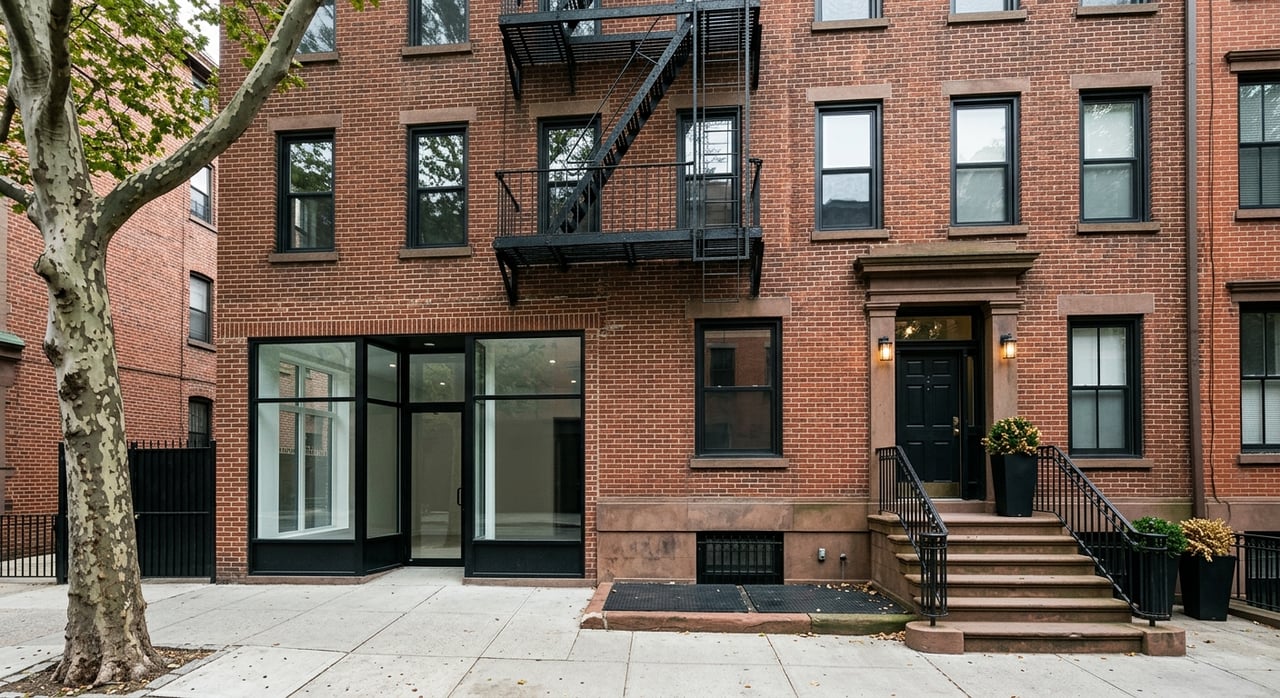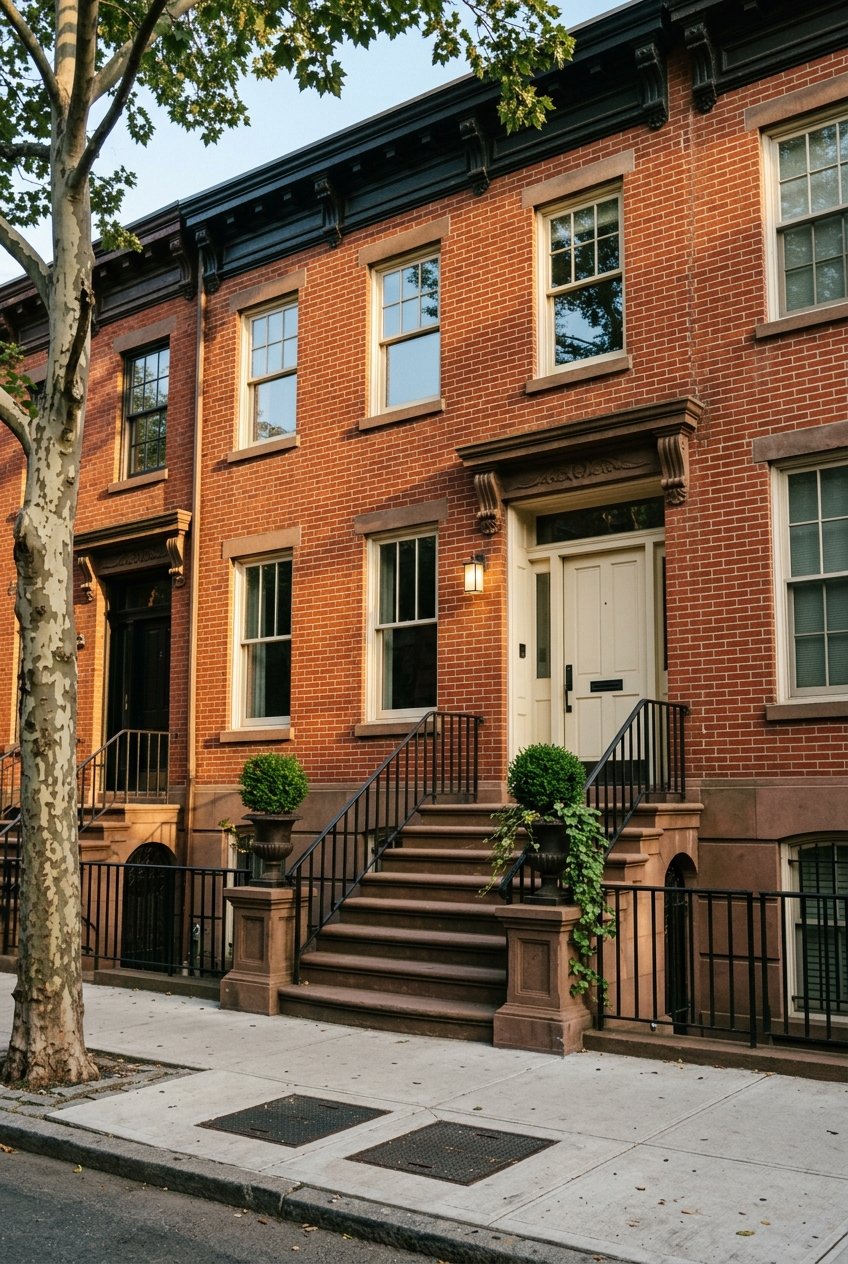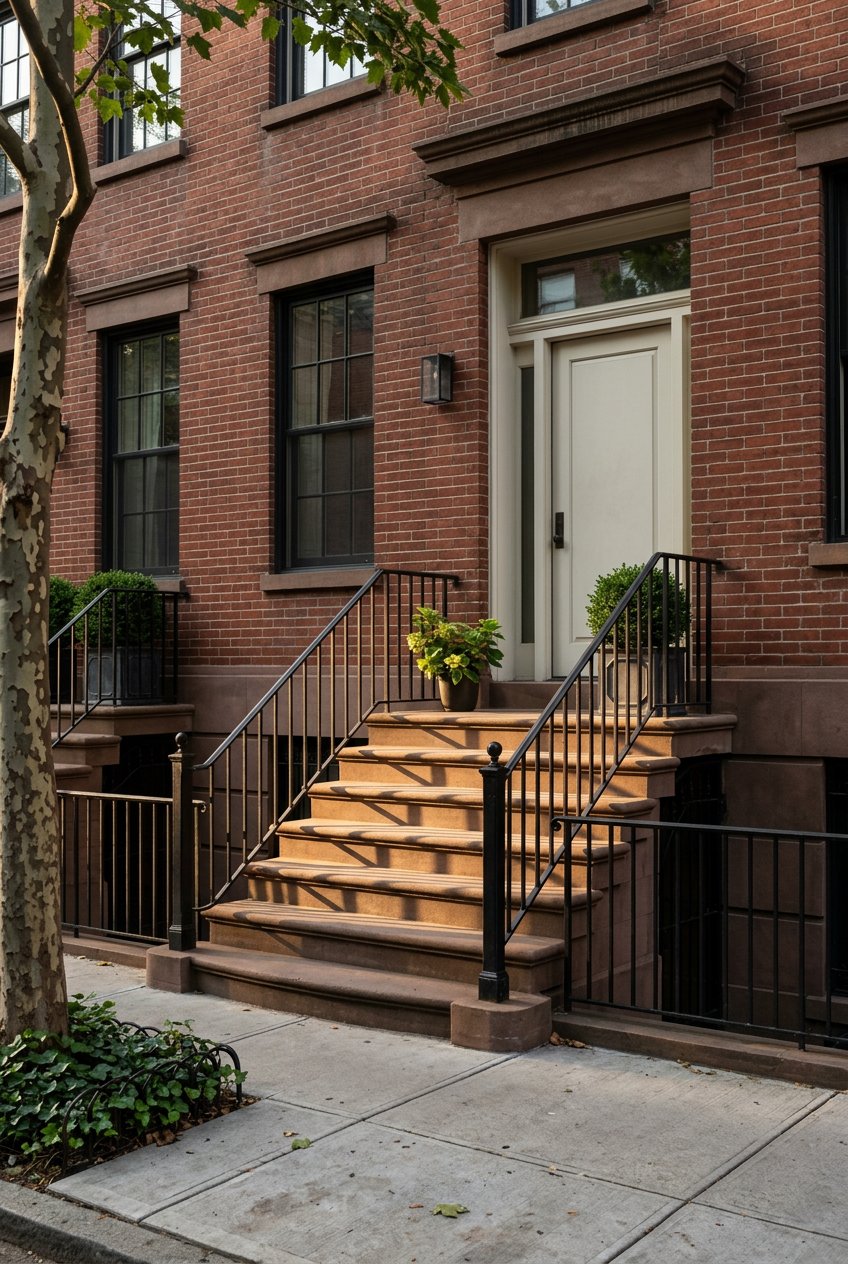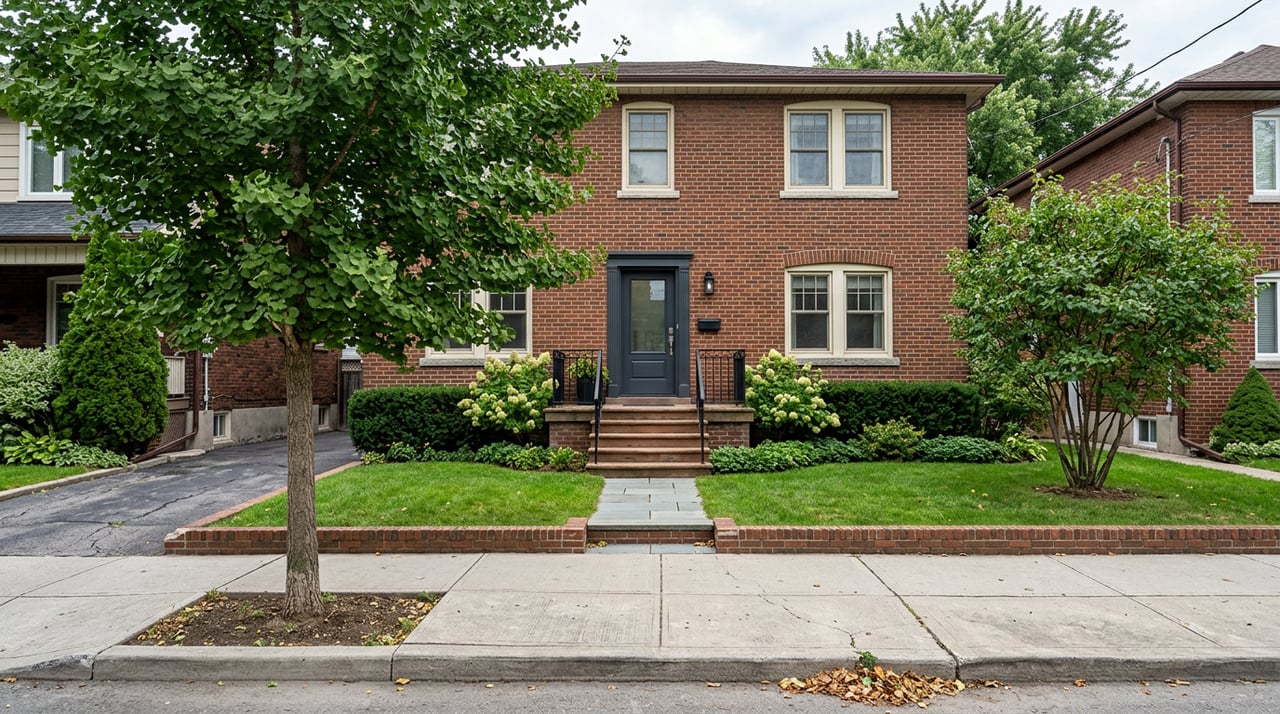
If you are torn between a Fort Greene brownstone and a condo, you are asking the right question. In this part of Brooklyn, the choice is not just about price. It is about how you want to live, what kind of monthly costs you can manage, and how much control you want over your home. Let’s break it down so you can see which path fits your goals best.
Fort Greene housing at a glance
Fort Greene is known for its strong historic character and high home prices. Public listing data from StreetEasy describes the neighborhood as a cultural hub where historic brownstones and row houses make up much of the available housing. The same neighborhood page shows a median sale price of $1.7 million and notes that buyers shopping for a townhouse should expect prices upwards of $4 million.
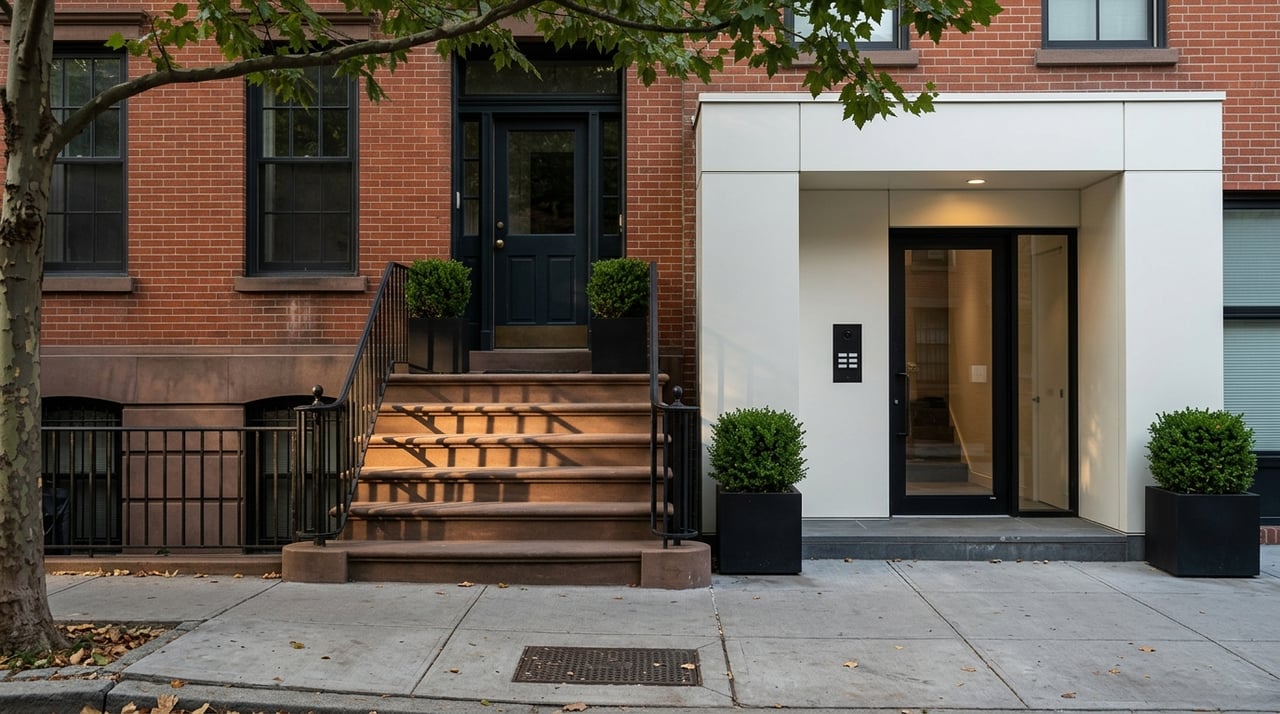
That matters because this decision is usually not as simple as choosing the less expensive option. In Fort Greene, buyers often compare a private-house lifestyle with a shared-building lifestyle. Each comes with a different ownership experience, monthly budget structure, and day-to-day routine.
Why buyers choose a brownstone
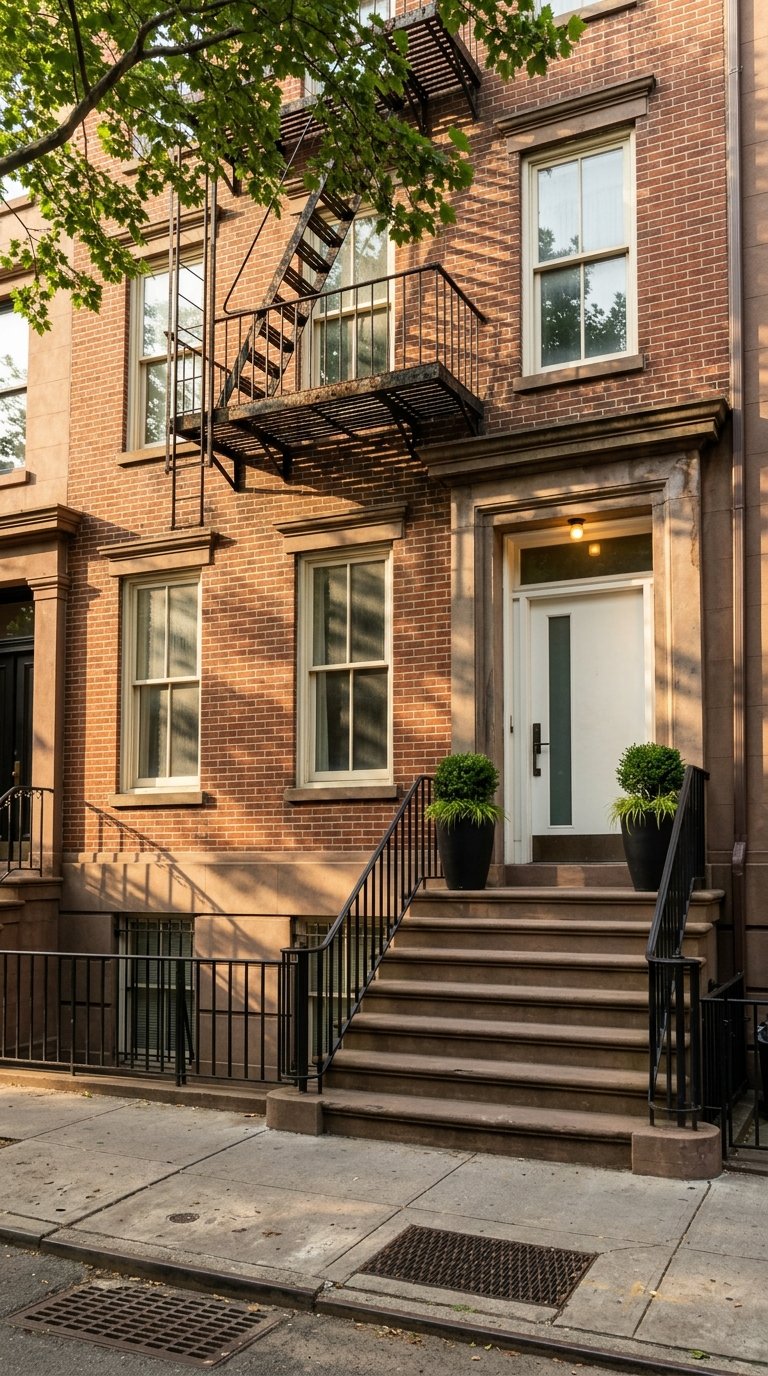
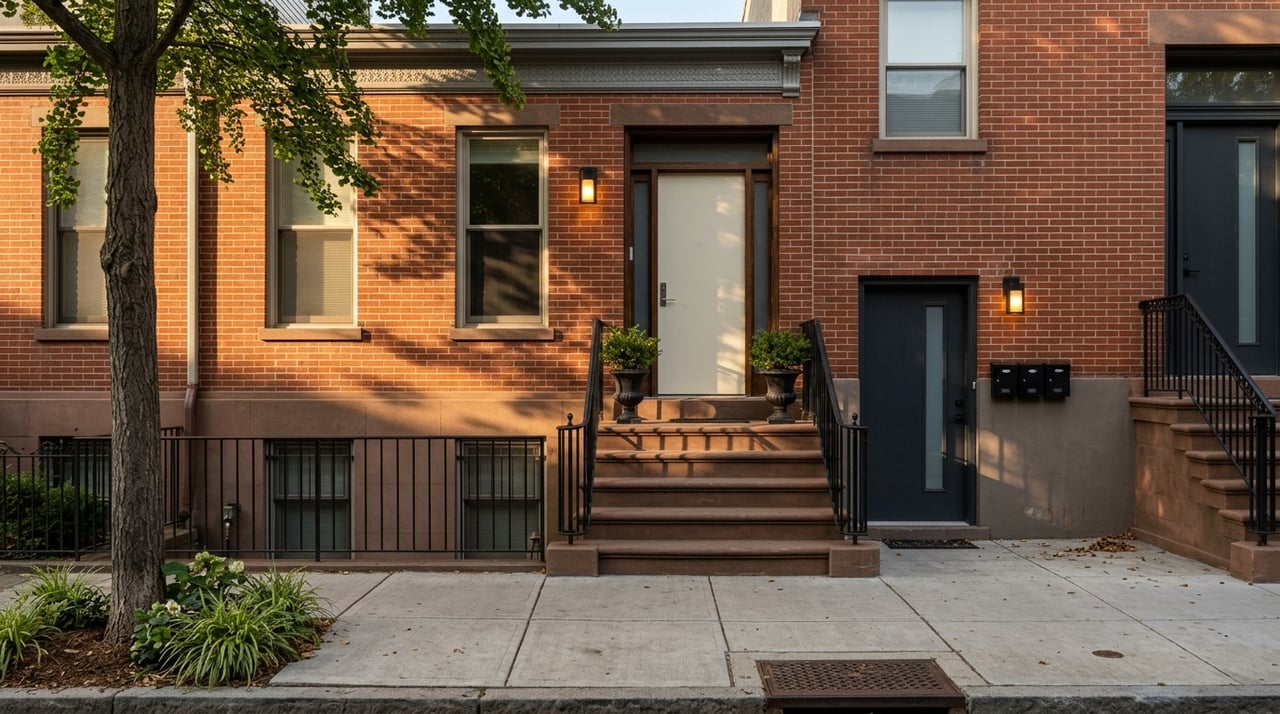
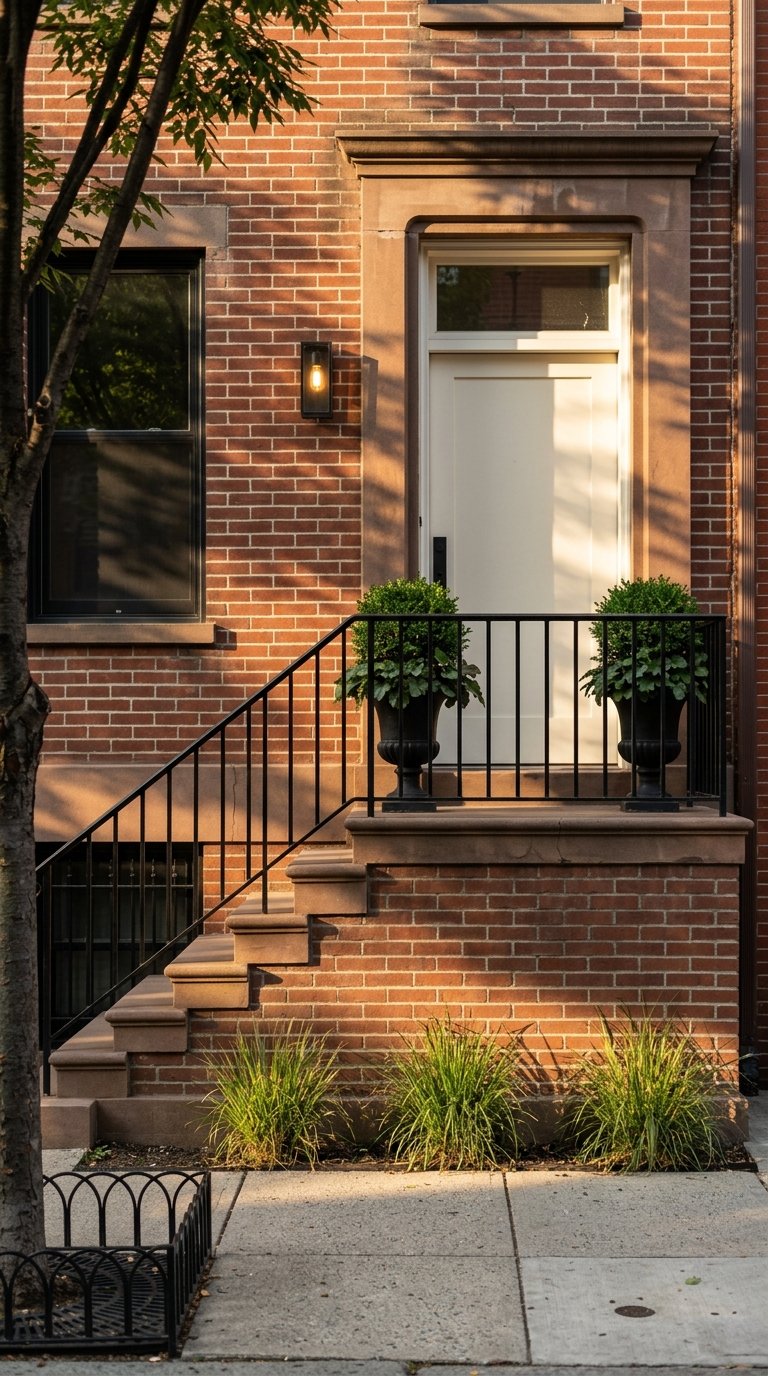
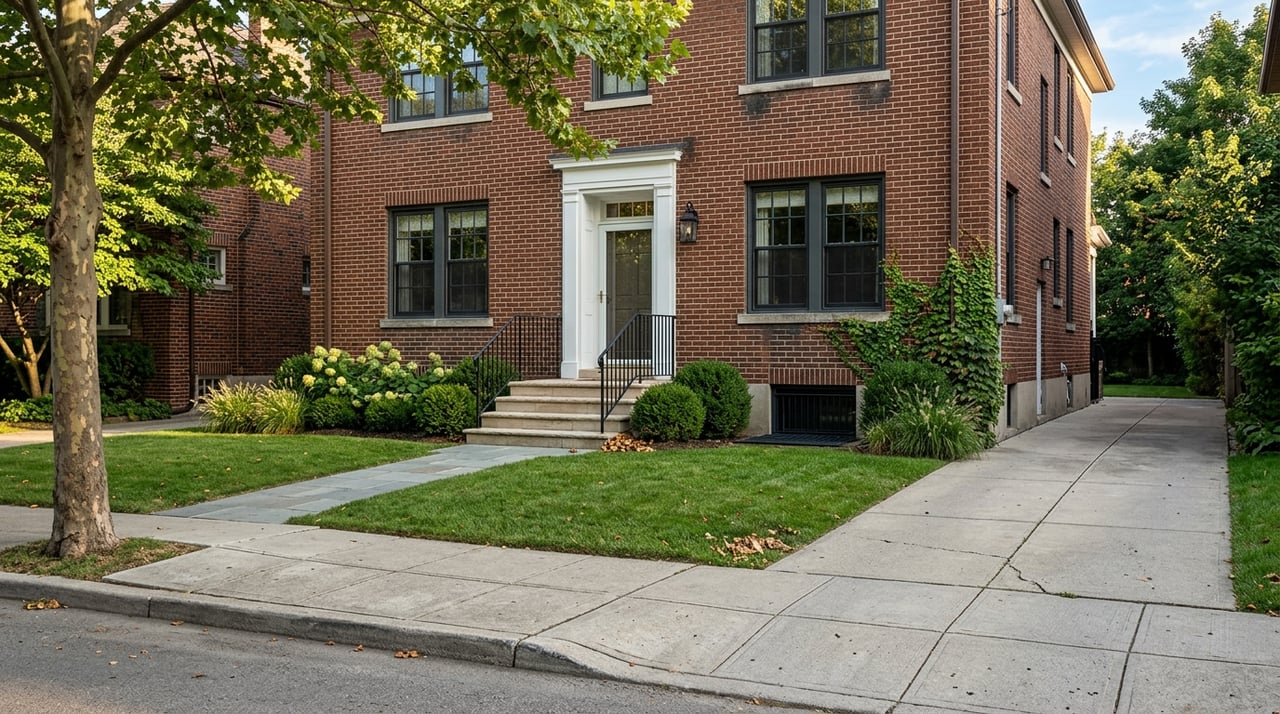
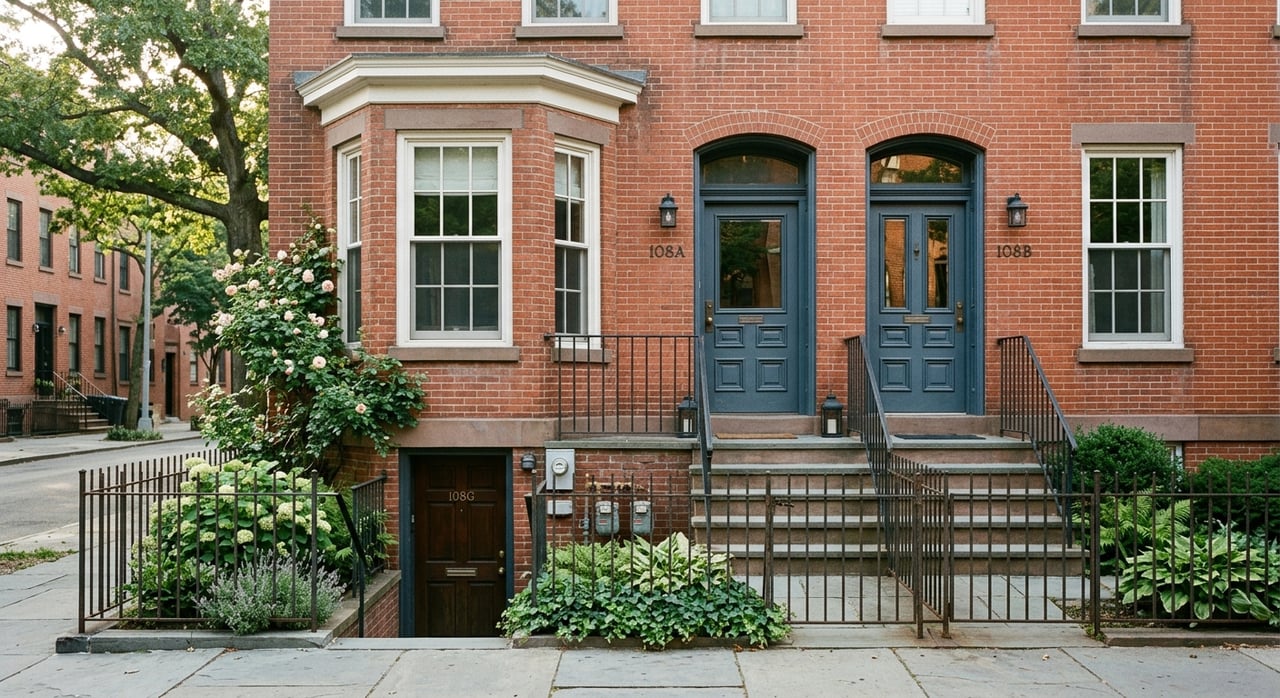
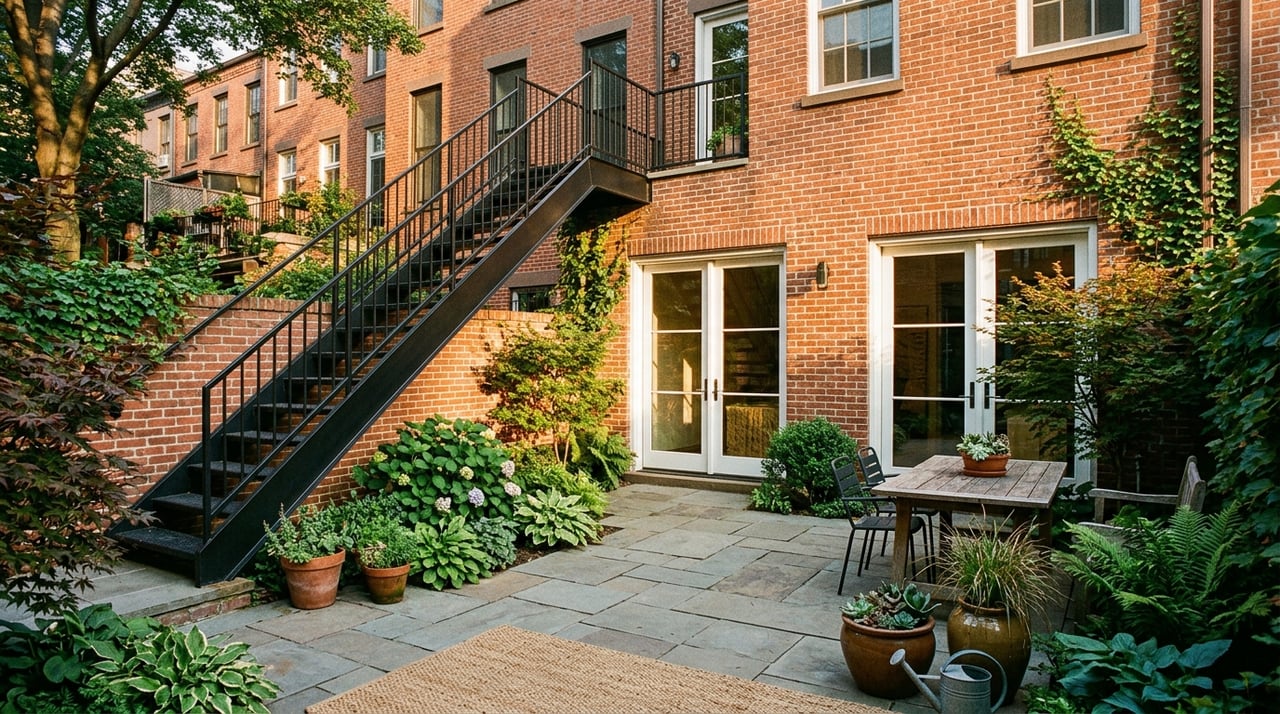
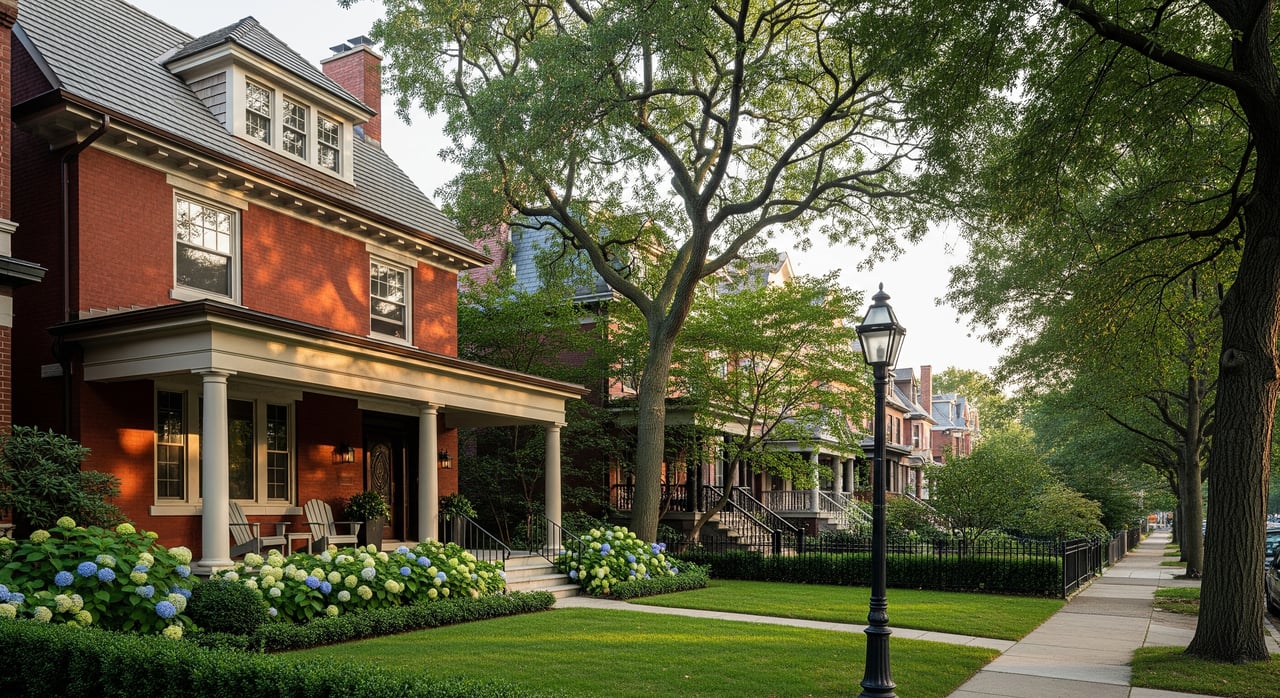
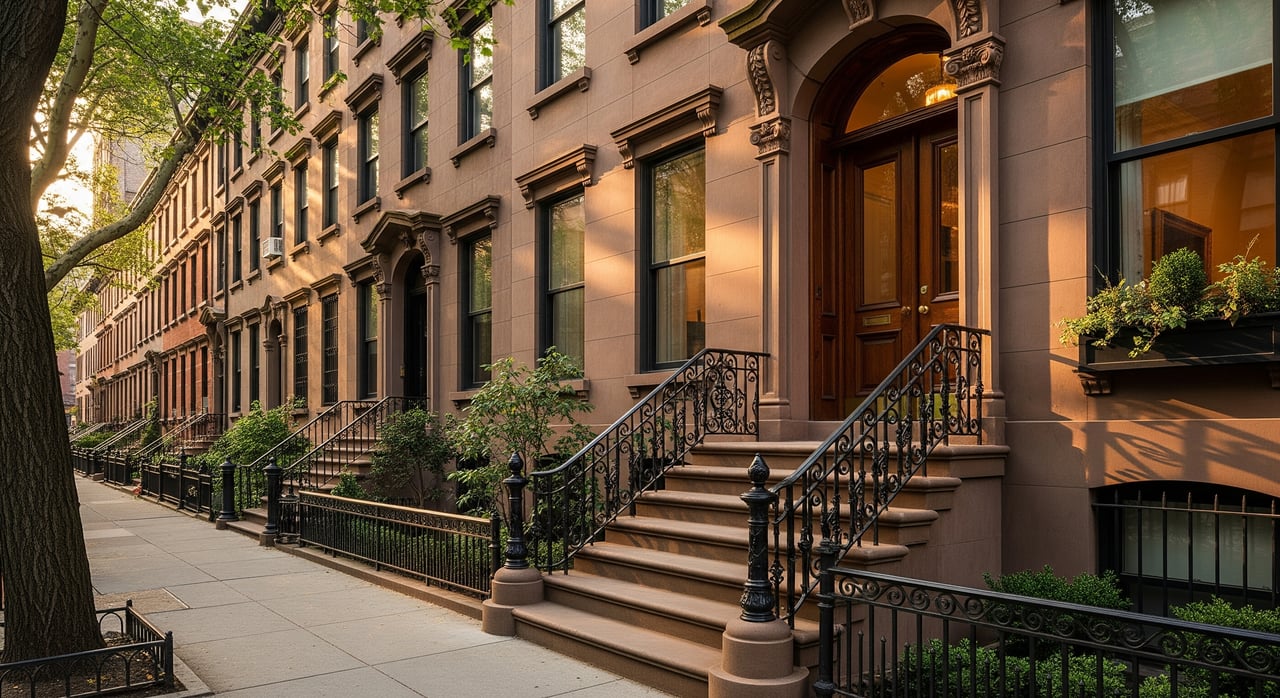
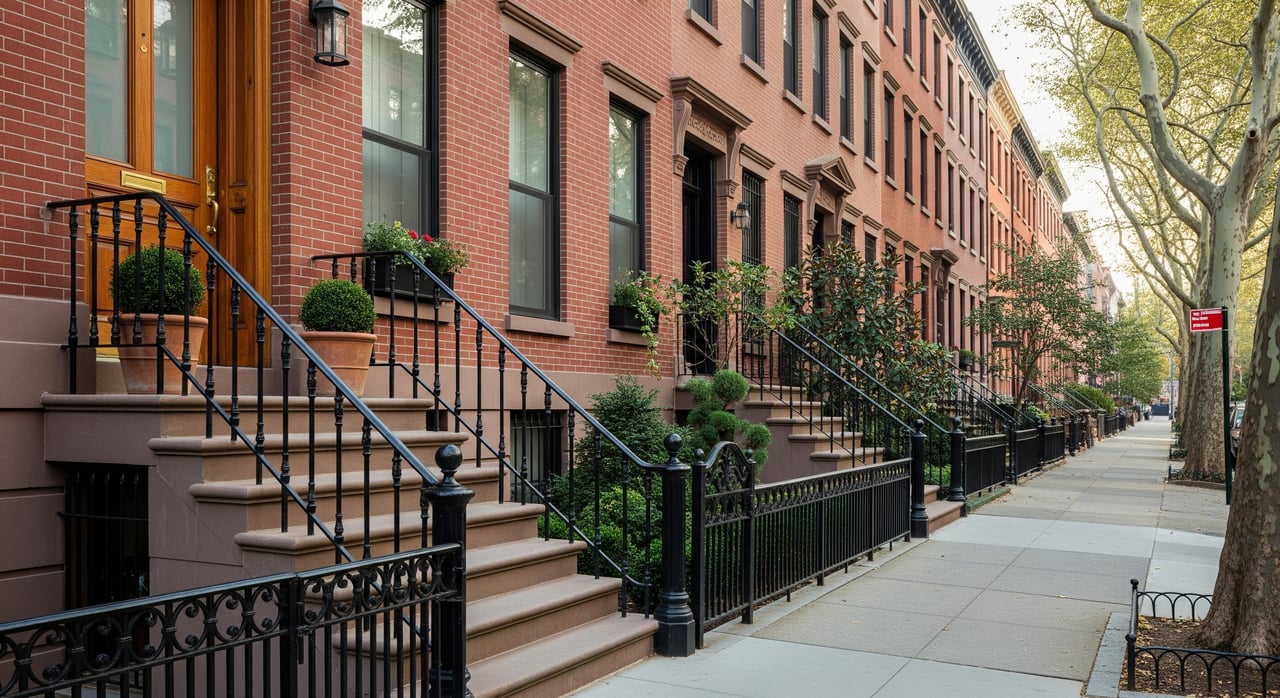
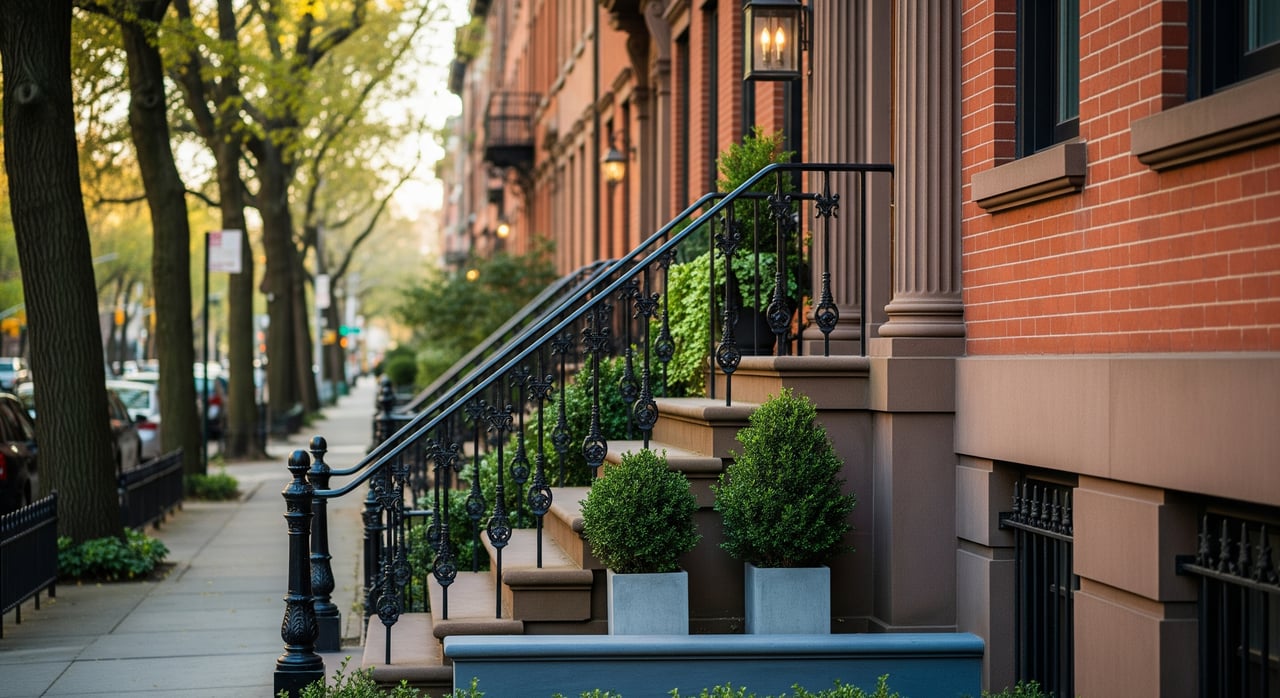
A brownstone or townhouse usually appeals to buyers who want a more private, house-like setup. In Fort Greene, that often means a separate entrance, a stoop, more separation from neighbors, and in some cases private outdoor space.
A current public listing at 359 Carlton Avenue reflects that kind of product. The listing notes private outdoor space or garden, no building amenities, and a building date of 1899 within the Fort Greene Historic District. That is the type of home many buyers picture when they say they want a Fort Greene brownstone.
What stands out about townhouse living
With a townhouse, you usually get more direct control over the property. You are not working within the same kind of shared amenity structure or common-area governance that comes with a condo.
For many buyers, the biggest draws are:
- More privacy
- A separate entrance
- Potential outdoor space
- Historic architectural character
- A more independent ownership experience
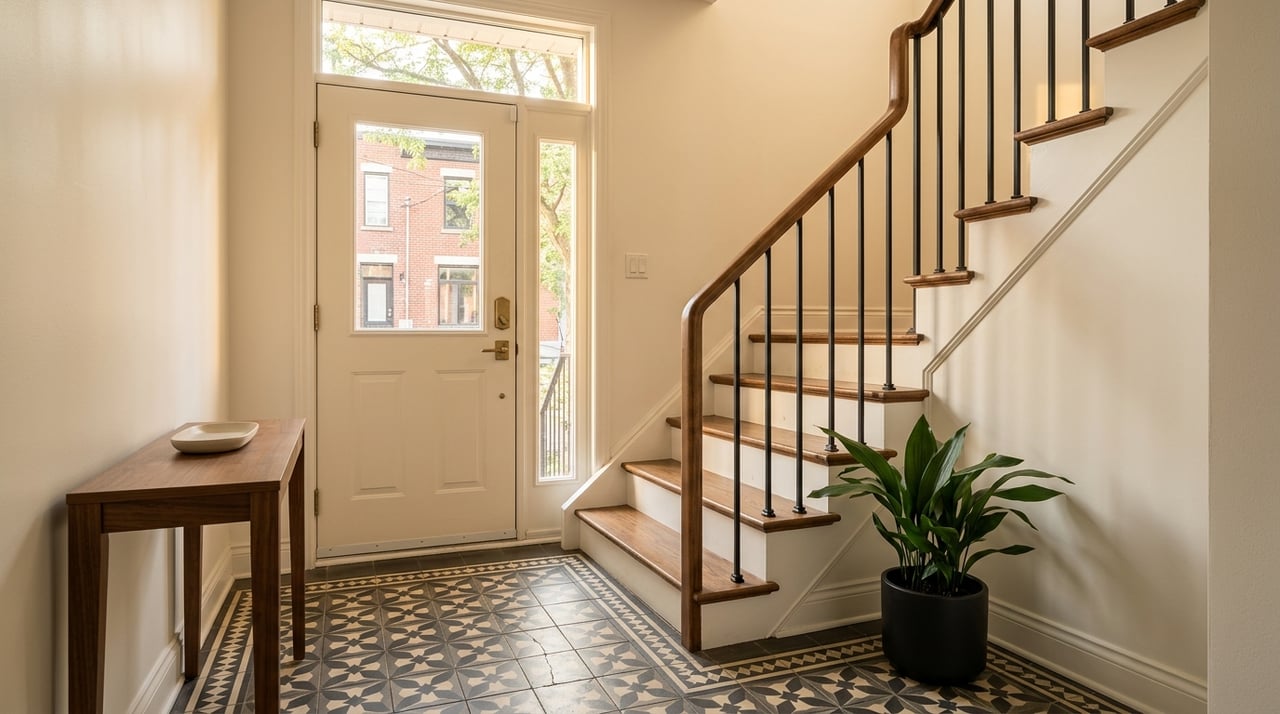
That independence can feel rewarding if you want your home to live more like a house than an apartment. It can also be a better fit if you value space, quiet, and control over shared walls and shared systems.
Why buyers choose a condo
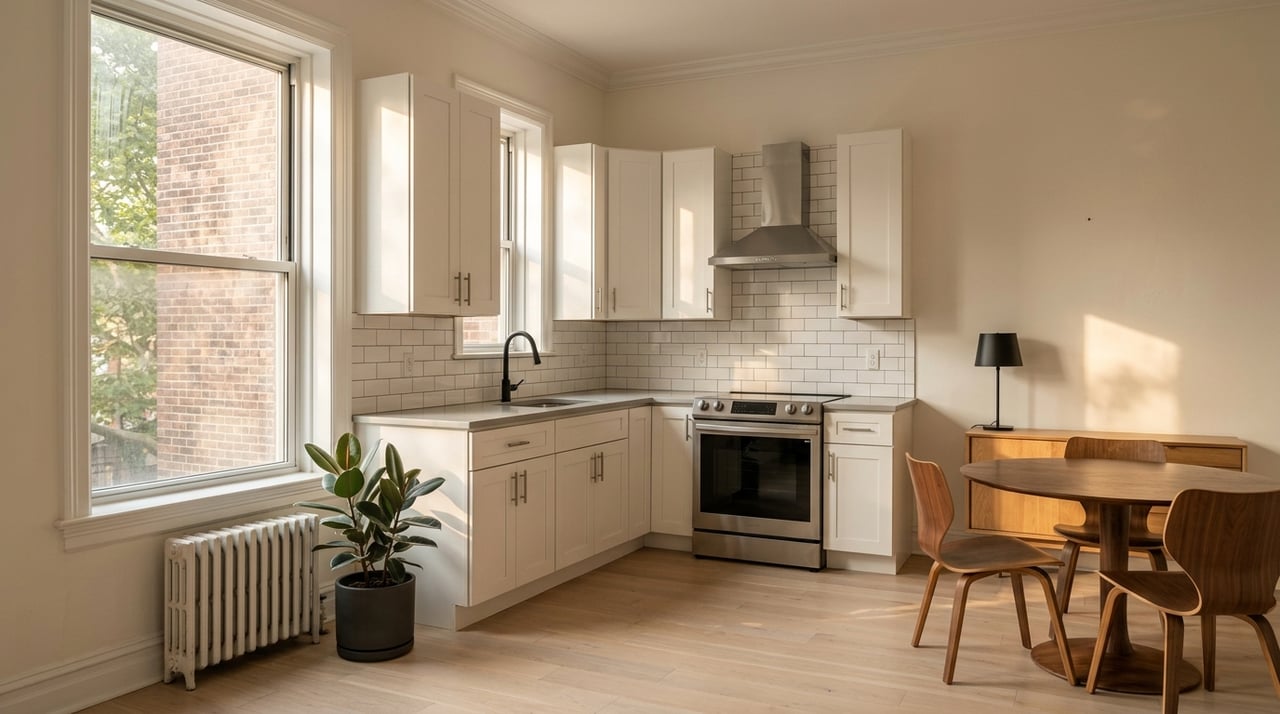
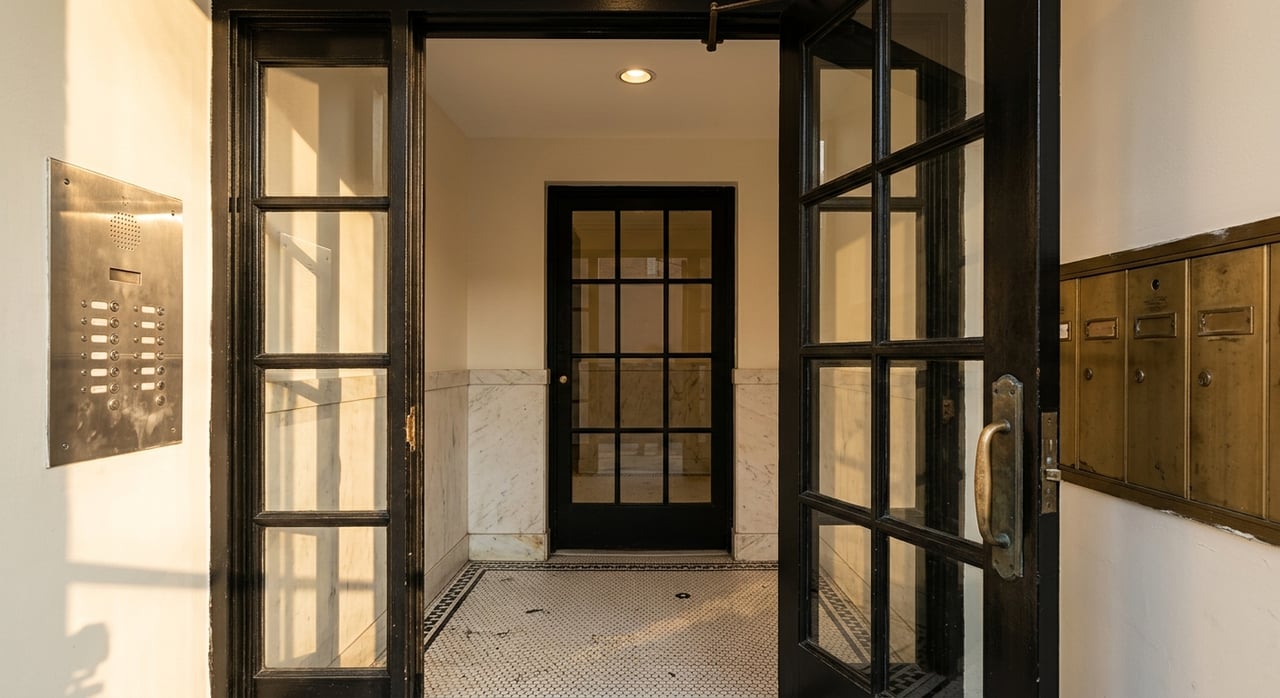
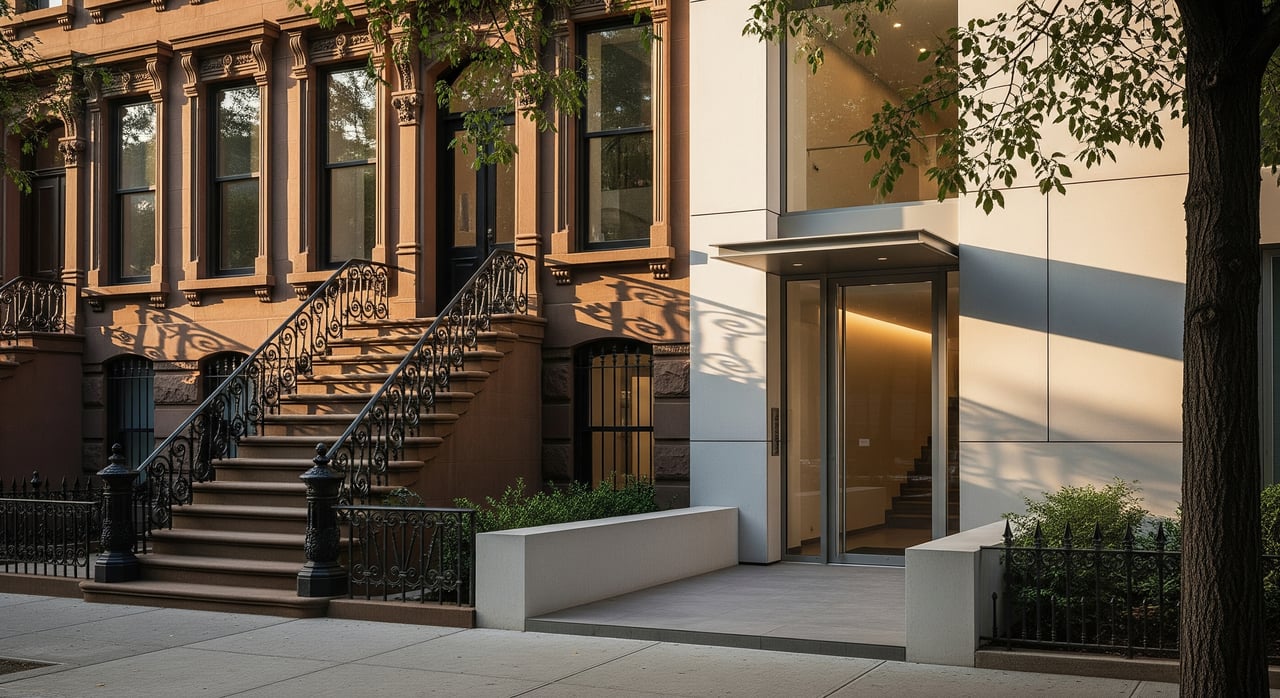
A condo often works well for buyers who want convenience and predictable routines. In Fort Greene, condo buildings may offer amenities and services that are hard to replicate in a townhouse.
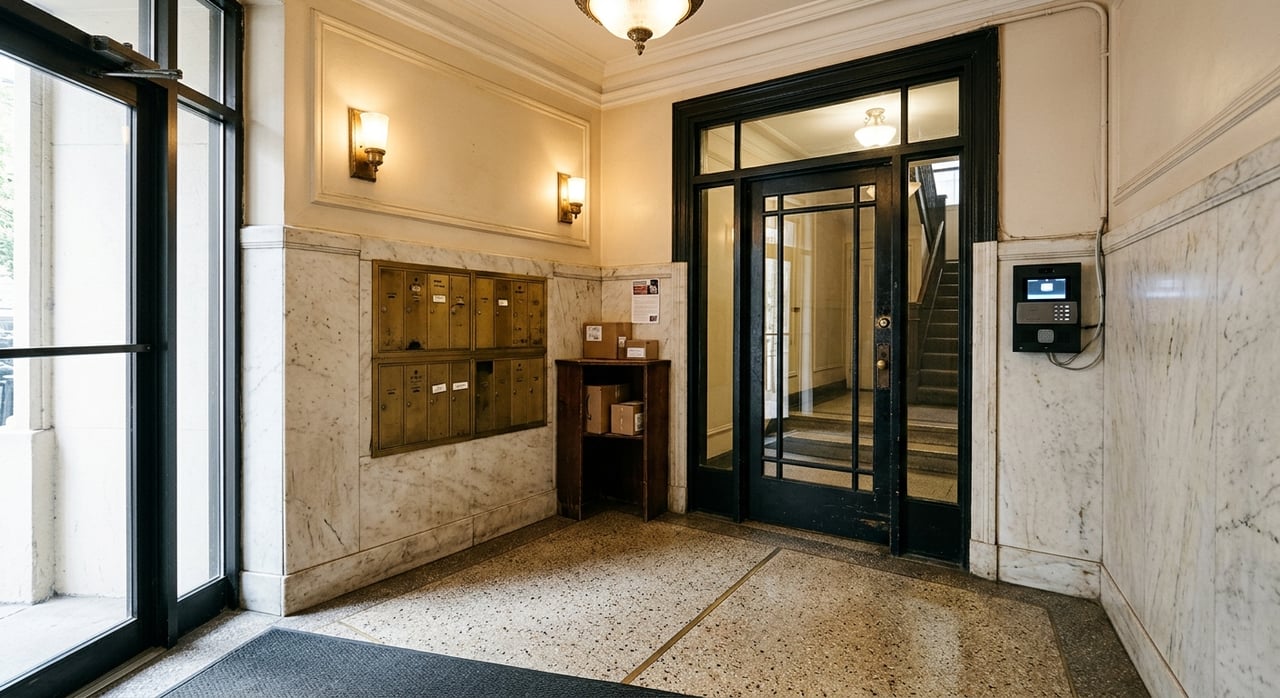
A public listing at 144 Vanderbilt Avenue #2D shows how different that experience can look. The building page lists amenities including doorman, concierge, elevator, laundry, parking, storage, gym, and a children’s playroom. That is a very different lifestyle from owning a standalone brownstone.
What stands out about condo living
The New York State Attorney General defines a condominium as separate ownership of a unit plus an undivided interest in the common elements. In plain terms, you own your home, but you also share ownership of parts of the building with other unit owners.
That shared structure often translates into:
- Building amenities
- Professional building services
- Easier day-to-day upkeep
- Less direct responsibility for major common-area systems
- More defined building rules and procedures
If you want elevator access, staff support, and a more streamlined ownership experience, a condo may feel easier to manage.
Compare monthly costs carefully
One of the biggest differences between a Fort Greene brownstone and condo is how monthly costs show up. The numbers can look very different, even before you factor in your mortgage, insurance, or future repair plans.
The condo at 144 Vanderbilt Avenue #2D is listed at $2,275,000 with $1,291 per month in common charges and $1,608 per month in taxes. That brings the visible monthly carry to about $2,899 per month before mortgage and insurance.
The townhouse at 359 Carlton Avenue shows common charges: not applicable and taxes: $734 per month. That does not mean the townhouse is low-cost overall. It means there is no condo-style fee structure, so more of the property’s financial responsibility sits directly with the owner.
Predictability vs. flexibility
This is where many buyers need to slow down and think beyond the purchase price. A condo often offers more predictable monthly carrying costs because common expenses are built into common charges.
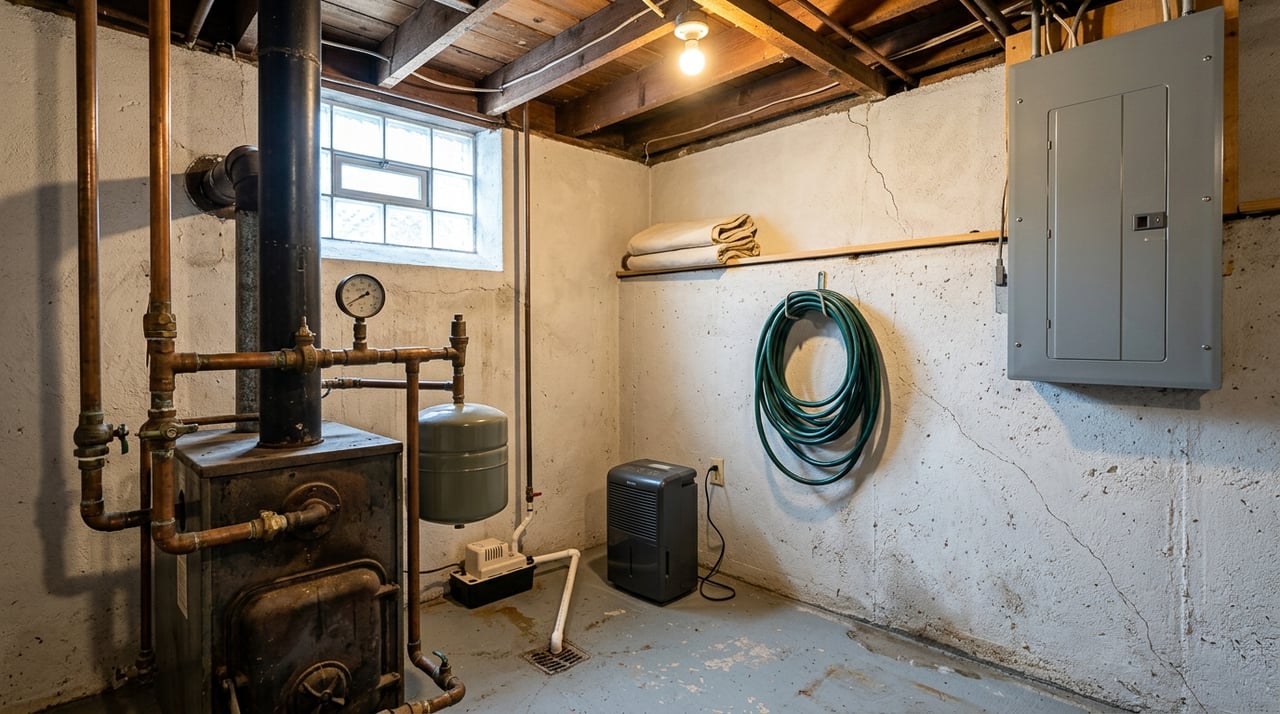
A townhouse can have lower visible monthly charges, but costs may arrive in bigger waves. If a roof, facade, mechanical system, or outdoor area needs work, you are generally handling that directly rather than through a shared building structure.
Renovation rules are not the same
If you care about renovating, the difference between a townhouse and a condo becomes even more important. A townhouse usually gives you more direct control, but in Fort Greene, historic district rules may affect what you can change on the exterior.
The NYC Landmarks Preservation Commission says that most exterior changes to the front and rear facades of buildings in historic districts require review. It also notes that ordinary repairs and maintenance generally do not require the same level of review. Interior work can also require a permit if it needs a Department of Buildings permit, affects the exterior, or involves an interior landmark.
The Fort Greene Historic District was designated in 1978, which helps explain why preservation issues are part of the ownership conversation here. If you buy a brownstone in the district, you should expect exterior work to come with more process than it might in a non-landmarked property.
Condo renovation limits
Condos have a different kind of restriction. Under New York’s Condominium Act, condo ownership includes compliance with by-laws, rules, and regulations.
In practice, that means your renovation freedom may be more limited when work touches shared systems or common elements. So while condo living can be easier on a daily basis, it may also involve more formal approvals for certain updates.
Scarcity matters in Fort Greene
Fort Greene’s housing stock shapes this decision in a major way. StreetEasy notes that historic brownstones and row houses dominate the available real estate, and it specifically says townhouse buyers should expect pricing upwards of $4 million.
That scarcity is one reason brownstones tend to hold such strong appeal. Buyers are often paying not only for square footage, but also for architectural character, lower supply, and a home style that is hard to replicate.
Condos create a different path into the neighborhood. They can offer more amenity-rich options and may open the door for buyers who want Fort Greene but are not looking for the price point or maintenance load of a townhouse.
Which option fits your lifestyle?
The best choice often comes down to how you want your home to function every day. It helps to think about your routine, your tolerance for upkeep, and how hands-on you want to be.
A brownstone may fit you if you want:
- Privacy and separation from neighbors
- A separate entrance and classic stoop experience
- Private outdoor space
- Historic details and architectural character
- More direct control over the property
- Comfort with maintenance responsibility
A condo may fit you if you want:
- Building amenities and services
- Elevator access and easier day-to-day living
- More predictable monthly carrying costs
- Less direct responsibility for building systems
- A more lock-and-leave ownership experience
- A lower-maintenance setup
How to make the decision with confidence
If you are deciding between the two, focus on three questions first. How do you want to live? What monthly costs feel sustainable? How much responsibility do you want to take on?
In Fort Greene, those questions matter as much as the listing price. A brownstone may offer privacy, outdoor space, and long-term appeal tied to scarcity and character. A condo may offer convenience, amenities, and a monthly budget that feels easier to forecast.
The right answer is personal, and it usually becomes clearer once you compare real examples side by side. If you want help weighing the tradeoffs in Fort Greene and nearby Brooklyn neighborhoods, Claudette Rolling can help you narrow the options and build a plan that fits your lifestyle.
FAQs
What is the main difference between a Fort Greene brownstone and a Fort Greene condo?
- A Fort Greene brownstone usually offers more privacy, direct control, and a house-like feel, while a Fort Greene condo usually offers shared amenities, building services, and more structured monthly costs.
Are Fort Greene brownstones more expensive than Fort Greene condos?
- In general, public neighborhood data shows Fort Greene townhouses can reach upwards of $4 million, while condos may offer more entry points into the neighborhood depending on size, building, and amenities.
Do Fort Greene condos have separate taxes and common charges?
- Yes. The condo example in the research shows taxes and common charges listed separately, and New York law treats each condo unit and its common interest as a separately assessed parcel.
Do Fort Greene brownstones have monthly common charges?
- Usually not in the way condos do. The townhouse example in the research shows common charges: not applicable, though owners still take on property costs directly.
Can you renovate a brownstone in the Fort Greene Historic District?
- You may be able to renovate, but many exterior changes to front and rear facades in historic districts require review by the NYC Landmarks Preservation Commission.
Is a Fort Greene condo easier to maintain than a brownstone?
- For many buyers, yes. Condo buildings often handle more shared responsibilities, while a brownstone owner is typically more directly responsible for repairs, upkeep, and major property systems.