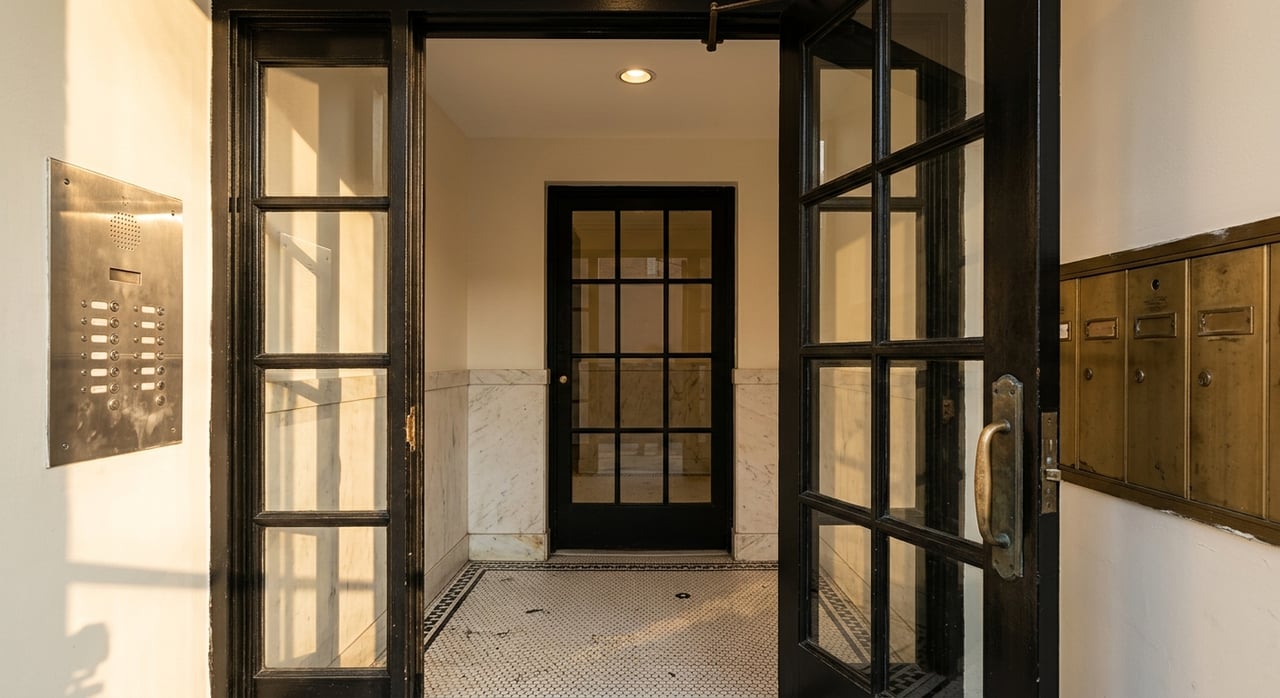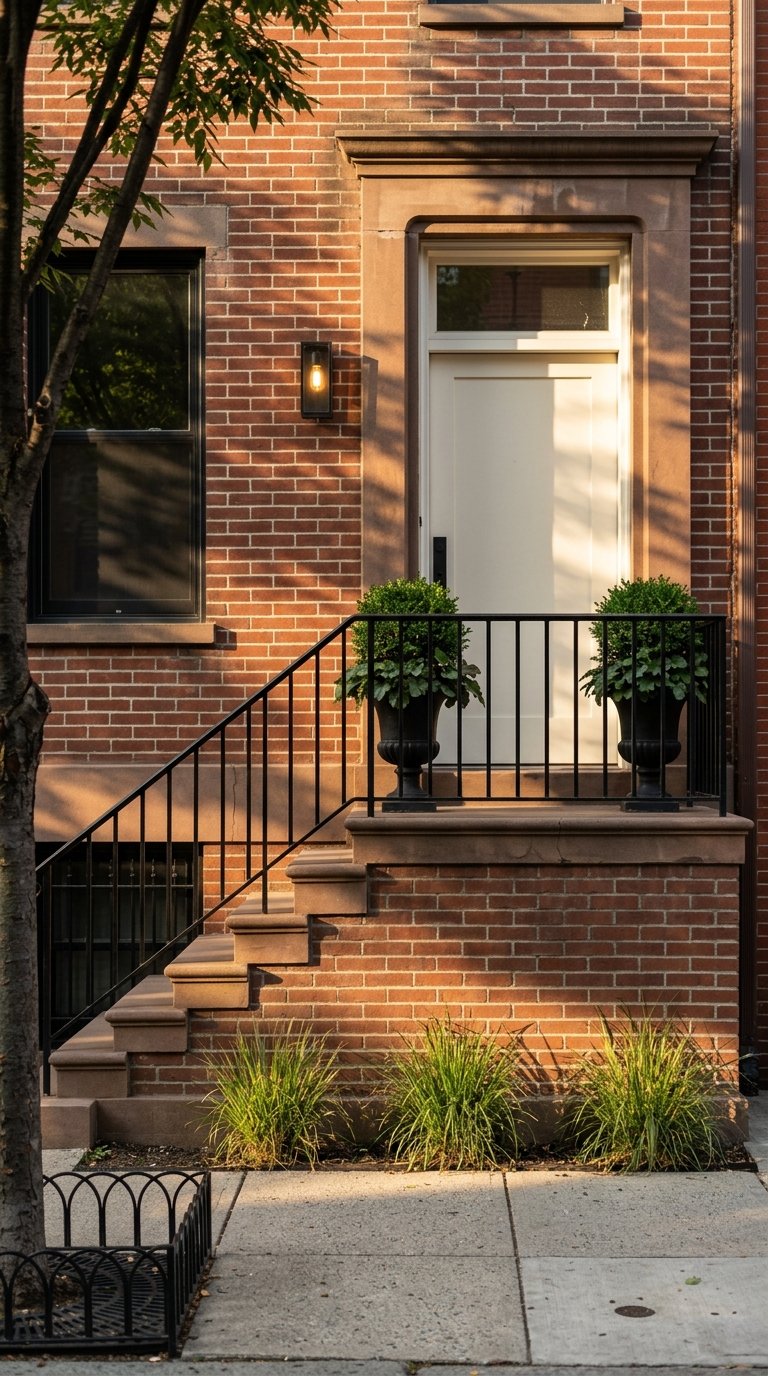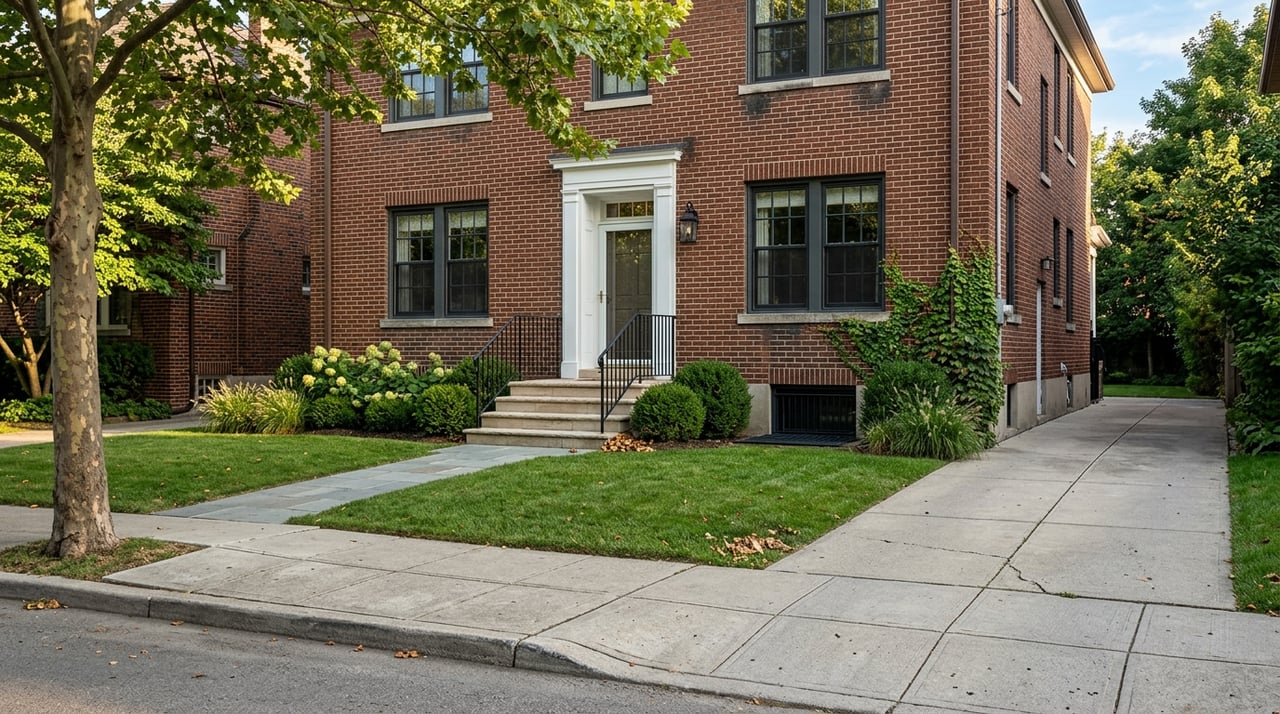
If you are looking at Flatlands for rental income, the biggest mistake is treating it like a classic Brooklyn apartment-building market. It is not. Flatlands is better understood as a small multifamily and owner-occupier rental income neighborhood, where two-family homes and other low-rise properties tend to matter more than large buildings. That creates real opportunity, but it also means you need sharper due diligence, more realistic rent expectations, and a strong handle on local rules. Let’s dive in.
Why Flatlands attracts small multifamily buyers
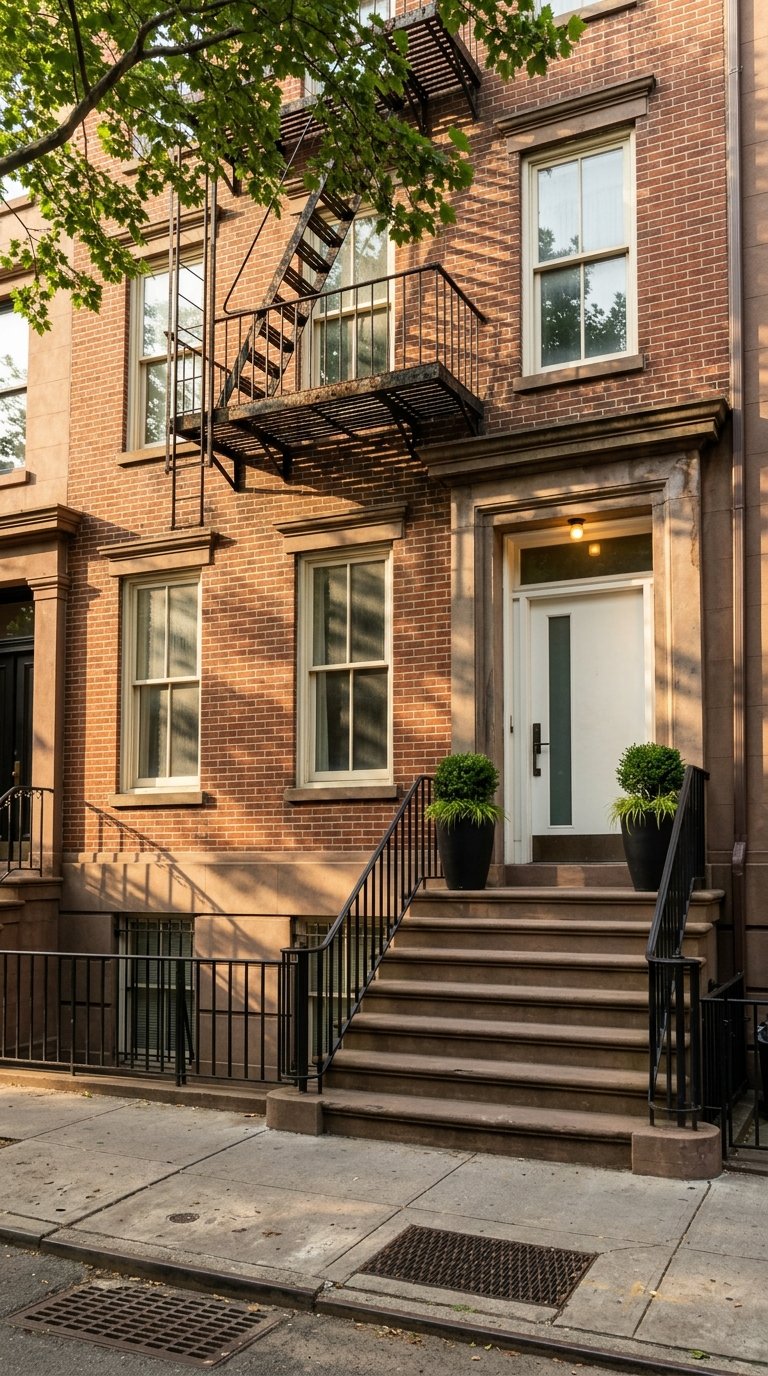
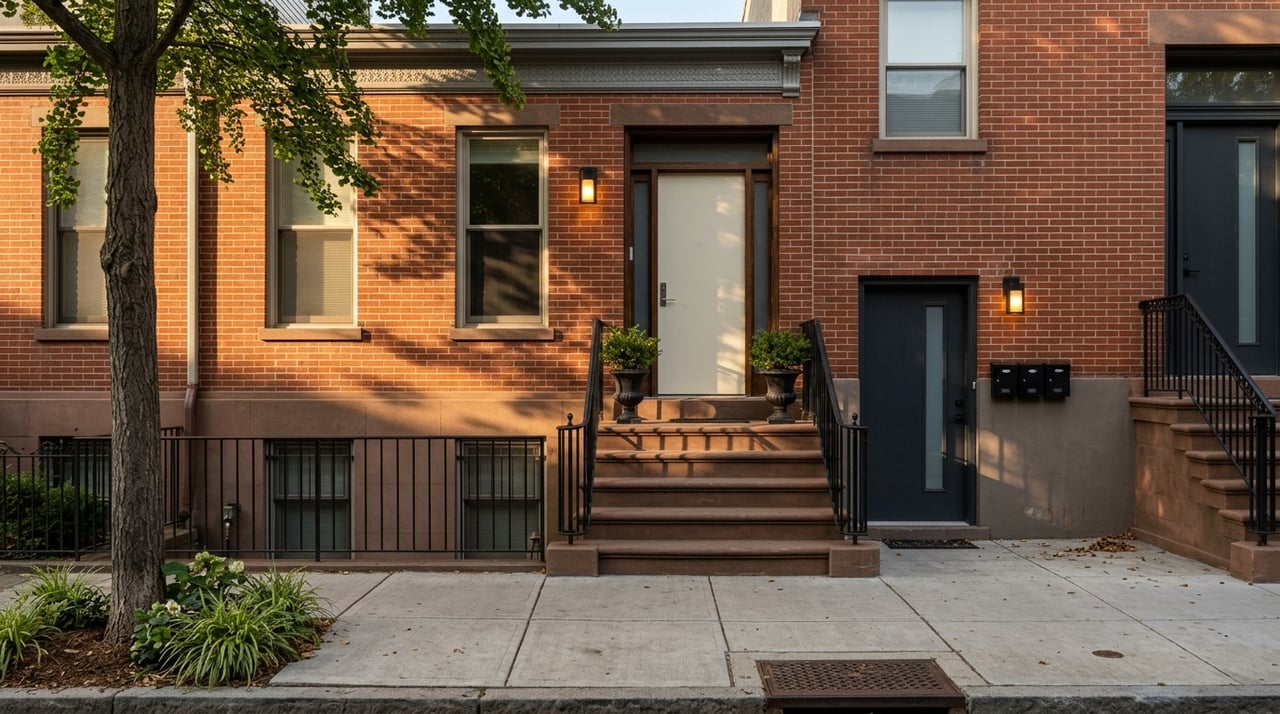
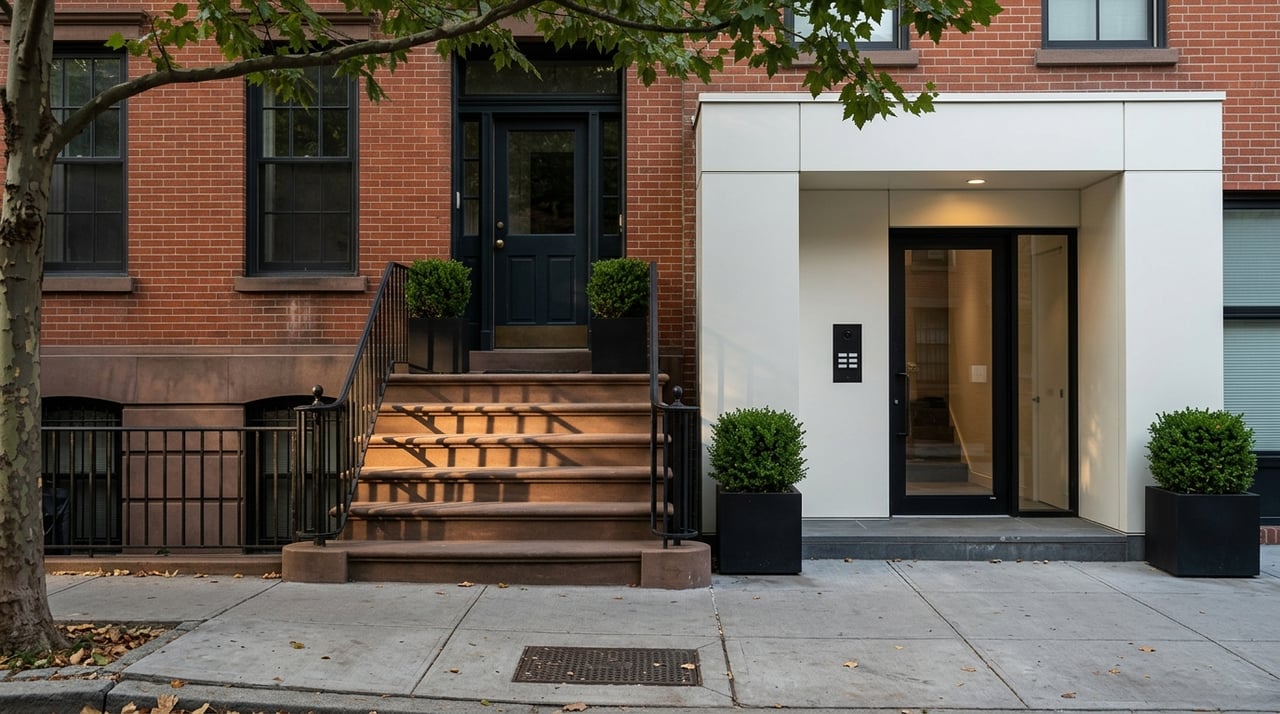
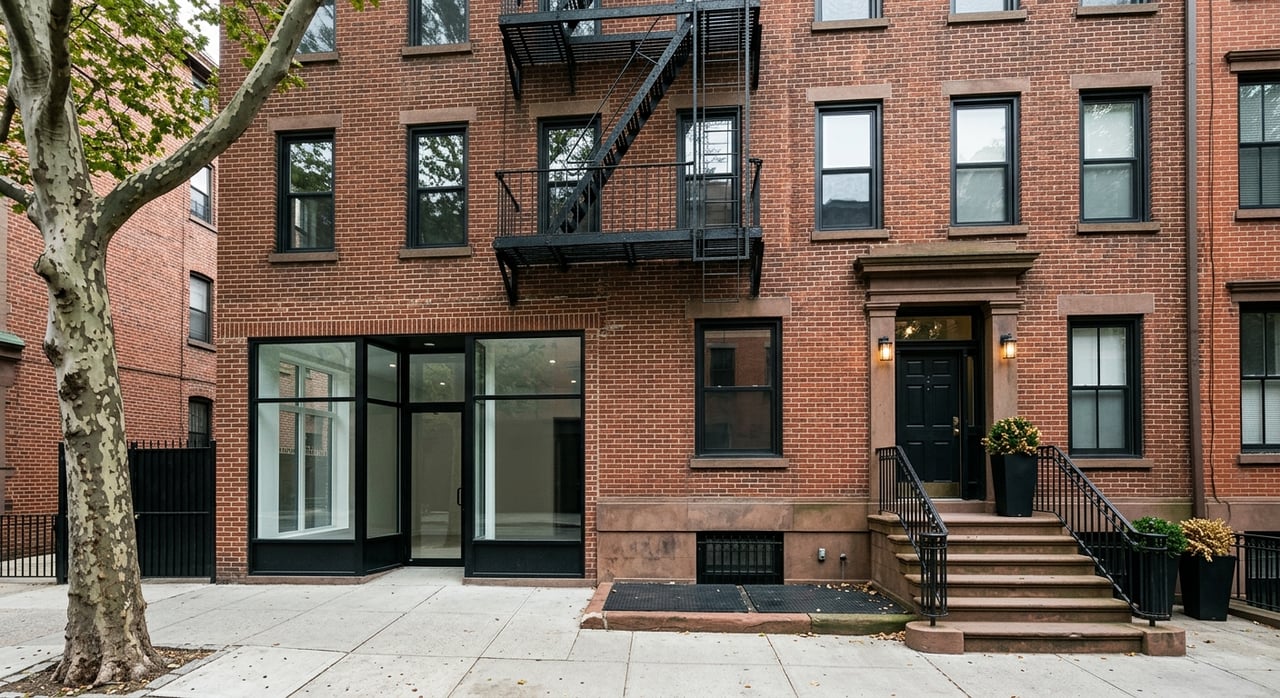
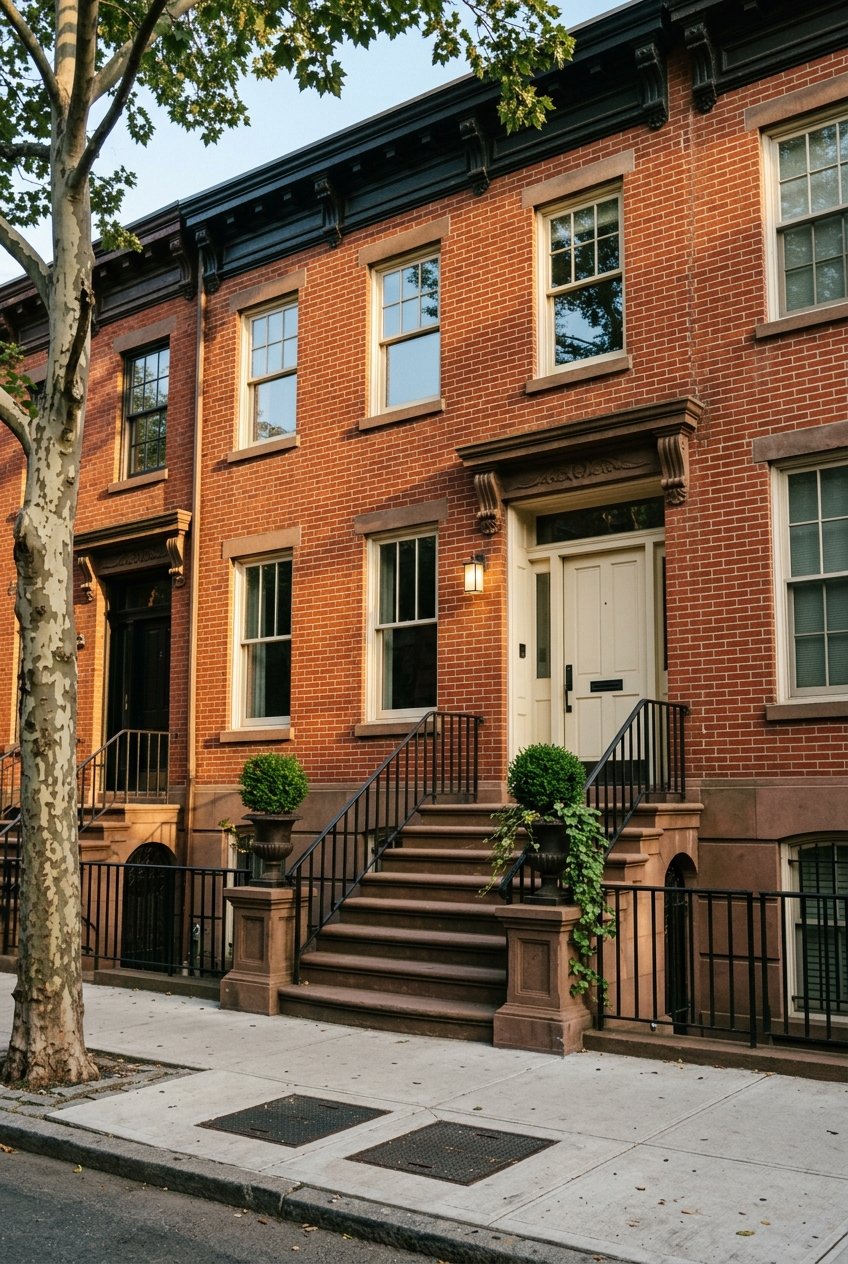
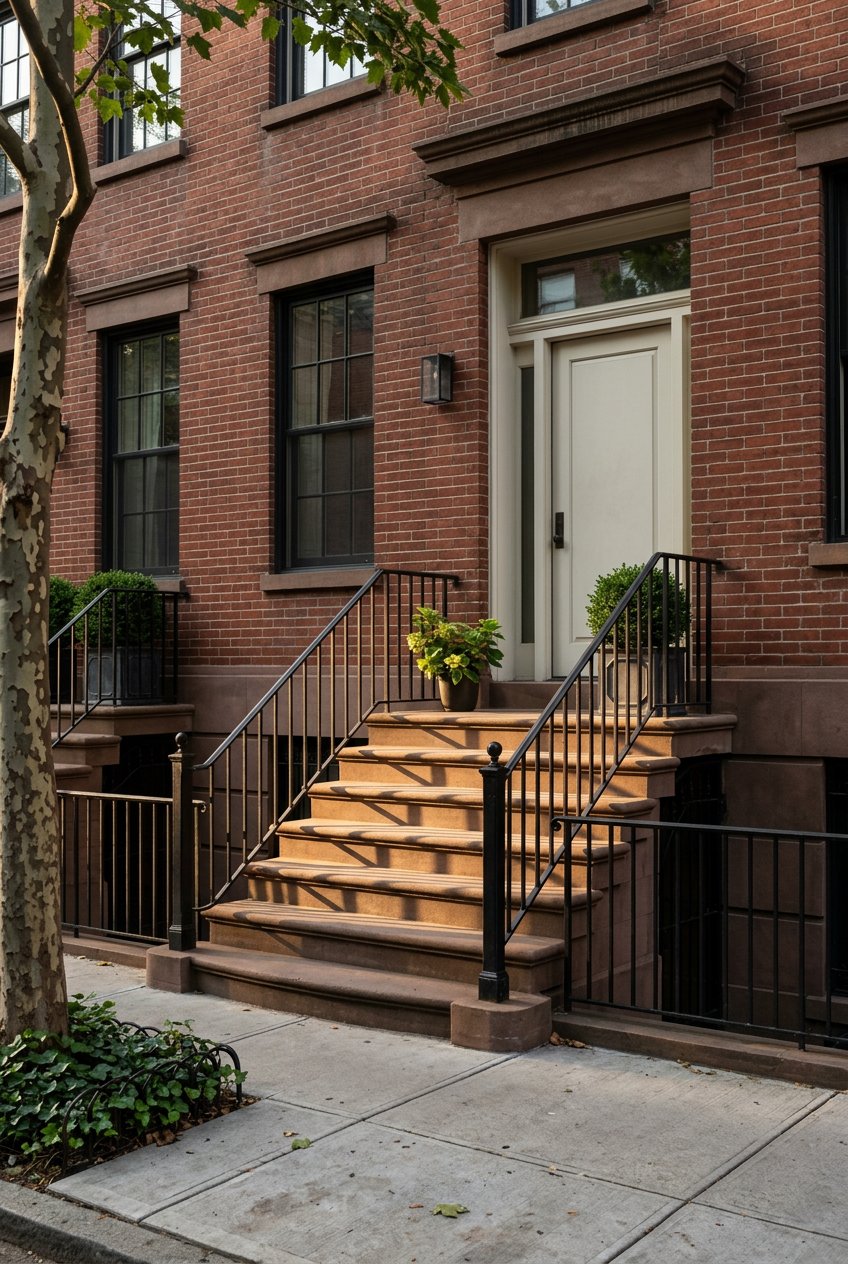
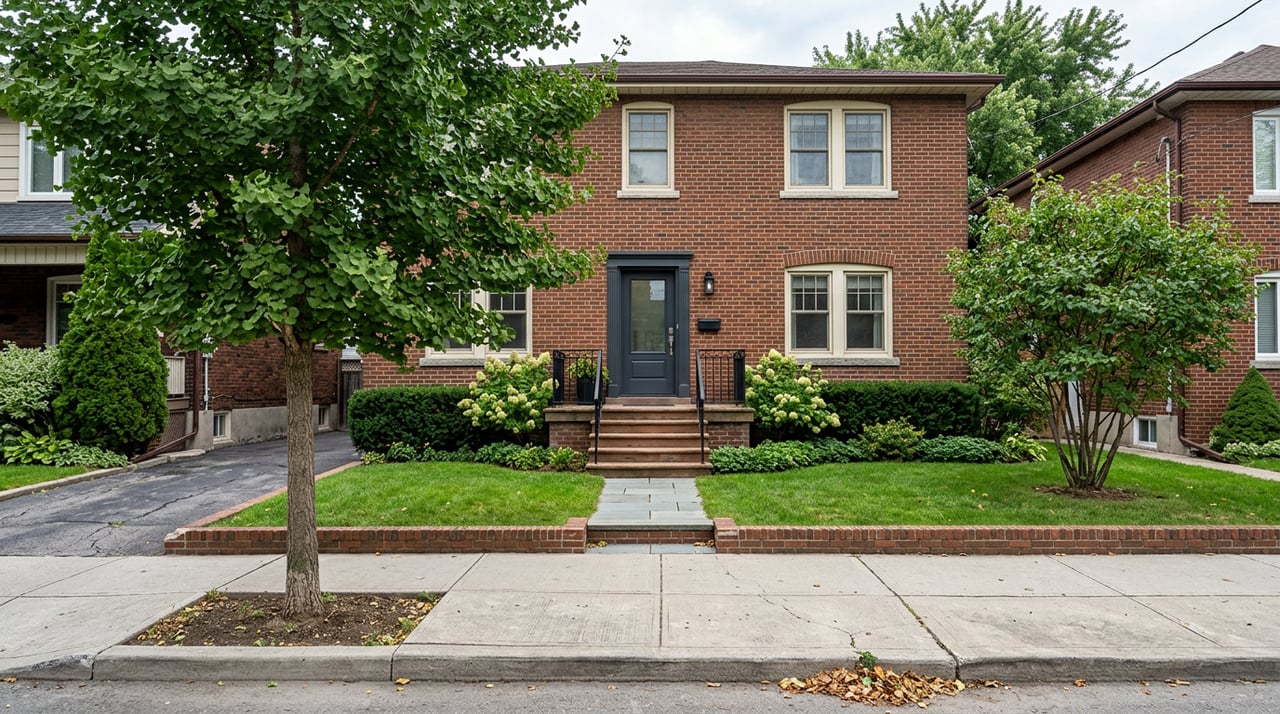
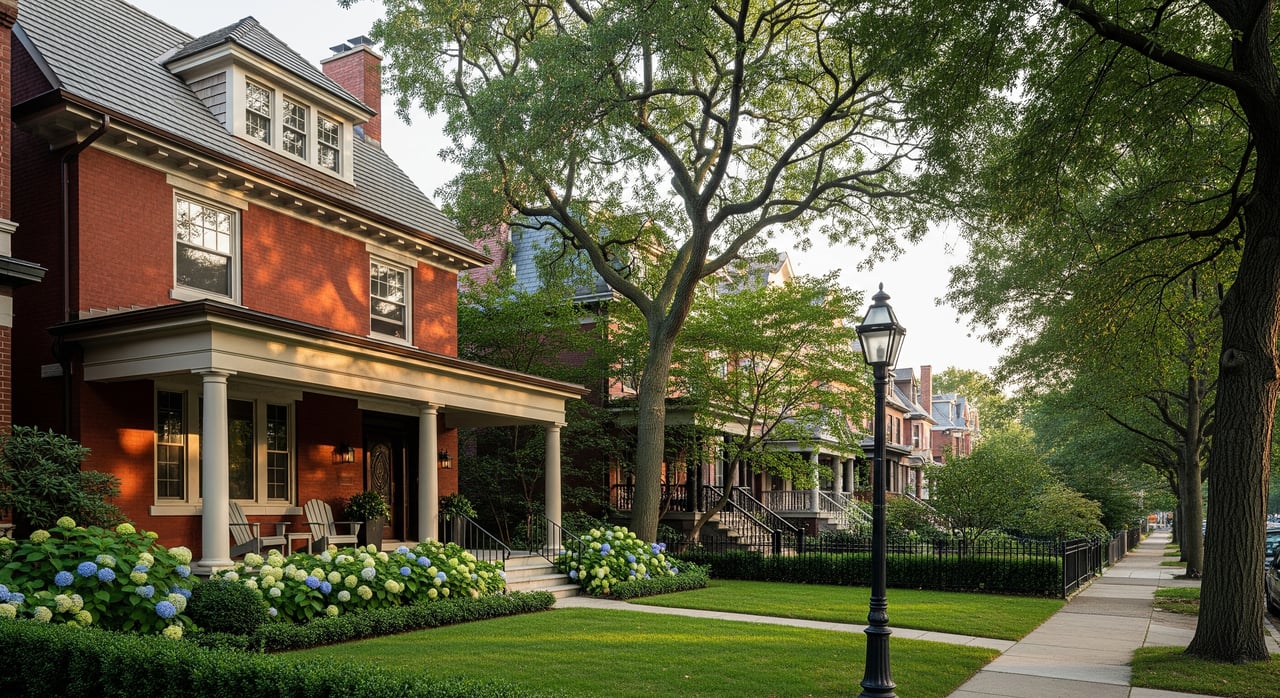
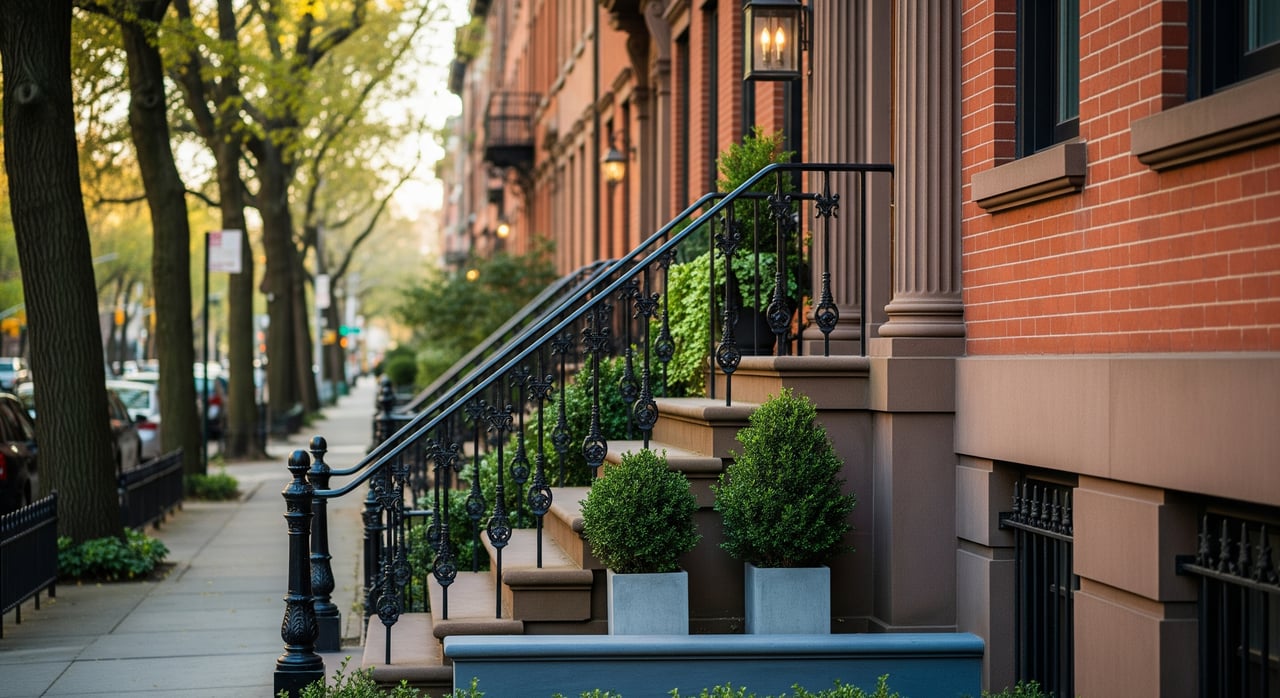
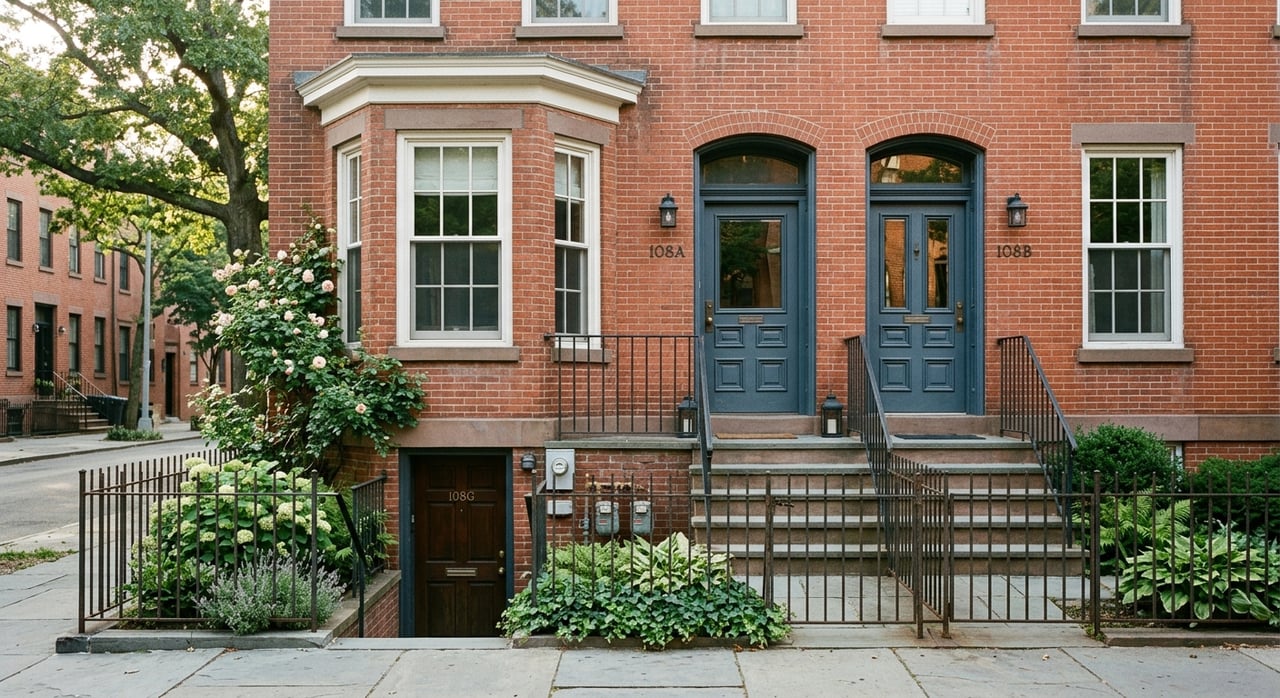
Flatlands sits in southeast Brooklyn’s Community Board 18, and the area is described in official community-board material as predominantly one- and two-family homes, with some mid-rise development, commercial shopping, and Glenwood Houses. StreetEasy also notes that detached, semi-detached, and attached houses line the neighborhood, apartment buildings are scarce, and new development is rare.
That matters if you are buying for rental income. In Flatlands, the most likely opportunities are often 2-family houses and other small low-rise properties, not the kind of large multifamily stock you might picture in other parts of the city.
For many buyers, that makes Flatlands appealing because it can fit a practical strategy. You might live in one unit and rent the other, buy a property with long-term income potential, or look for a house-style asset with more flexibility than a large apartment building.
What purchase prices look like in Flatlands
Public for-sale data in Flatlands varies by platform, so it is best to read pricing as a range rather than a single number. Current public medians cluster around $698,000 on Realtor.com, $755,000 on Zillow, and $829,000 on StreetEasy.
At the same time, StreetEasy has shown live multifamily examples at $1.059 million and $2.8 million. Those numbers tell you two things. First, pricing depends heavily on property type and size. Second, you should expect a wide spread when comparing single-family homes, two-family homes, and larger income-producing properties.
If you are underwriting a purchase, this is where local context matters. A neat online median will not tell you whether a specific home has legal units, updated systems, or rental income that actually supports the price.
Rental income in Flatlands is real, but data is thin
One of the biggest challenges in Flatlands is that rental listing data is limited and inconsistent. Realtor.com showed 37 rentals with a median monthly rent of $2,800, while StreetEasy showed only 2 rental listings with a median of $3,100. RentHop estimated asking rents at about $2,400 for studios, $3,467 for one-bedrooms, $3,085 for two-bedrooms, and $3,603 for three-bedrooms, with a median of $3,307 across active listings.
Those figures are useful, but they should be treated as directional. They are not the same thing as a full rent survey or an appraisal-quality comp set.
Still, the broader picture is clear. Flatlands asking rents appear to run below Brooklyn overall, with Realtor.com putting Brooklyn’s median asking rent at $3,985 in Q1 2026 compared with $2,800 for Flatlands on the neighborhood page. That can support demand from renters who are looking for more value and more space.
What kind of rental market Flatlands supports
Flatlands is not a subway-centered renter market. StreetEasy says the neighborhood has no subway access and that getting to Midtown by bus can take more than an hour. That tends to shape the local buyer and renter pool in a different way.
Instead of a transit-first audience, Flatlands often appeals to people looking for a more residential setting and house-style living. Public health data for the broader Canarsie-Flatlands area also points to a mixed-age, family-oriented market, with 20.8% of residents under age 18 and 20.4% over age 65.
The same report shows 53.0% owner-occupied homes and 47.9% rent-burdened households. That suggests renters are present and demand is meaningful, but affordability is a major factor. If you are a buyer, this is a reminder to underwrite with discipline instead of assuming unlimited rent growth.
How to underwrite a Flatlands multifamily deal
A simple underwriting approach works well for a small multifamily or two-family home:
- Start with gross scheduled rent
- Subtract vacancy and collection loss
- That gives you effective gross income
- Subtract operating expenses to reach NOI
- Subtract debt service to estimate cash flow
The key in Flatlands is to use local rent data, not borough-wide averages, when setting your income assumptions. Flatlands rent levels are materially lower than Brooklyn overall, so using broad Brooklyn numbers can make a deal look better on paper than it really is.
On the expense side, the biggest buckets are usually:
- Property taxes
- Insurance
- Repairs and turnover
- Utilities, if owner-paid
- Legal and compliance costs
- Reserves for capital work
That reserve line matters here. In the broader neighborhood data, 46.3% of residents are rent burdened, and 62.8% of renter-occupied homes have at least one health-related housing problem. Those figures are a strong reminder to leave room in your numbers for maintenance, repairs, and periods of stress.
Why stress testing matters in Flatlands
If you are buying as an owner-occupier, ask yourself a harder question than “Does this work if everything goes right?” Ask whether the property still works if one unit turns over, rent comes in late, or repairs hit in the same year.
That stress test is especially important in Flatlands because rental inventory is thin and the area faces higher storm and flood exposure than many neighborhoods. In a market like this, strong deals usually come from realistic assumptions, not best-case scenarios.
A property can still be a smart long-term buy even if the first-year cash flow is modest. But you want to know that before you close, not after.
Local landlord rules you need to know
New York City rules matter a lot when you own rental property in Flatlands. If you are buying a building with 3 or more residential units, annual HPD registration is required. HPD registration is also required for 1-2 unit private dwellings when neither the owner nor the owner’s immediate family lives there. The HPD deadline is September 1.
If a building is rent stabilized, annual rent registration with HCR is also required by July 31. And if you are looking at a property with older units or a longer ownership history, that registration trail becomes an important part of due diligence.
Owners are also required to keep buildings safe, clean, and well maintained. That includes maintaining security, heat, hot and cold water, and good lighting, while complying with the Housing Maintenance Code and Multiple Dwelling Law.
For heat and hot water, the city rules are specific:
- Hot water must be provided 365 days a year at 120°F
- During heat season, indoor temperatures must reach 68°F during the day
- At night, indoor temperatures must reach 62°F
Security deposits and fees also have limits. In New York City, security deposits are capped at one month of rent, landlords generally must return the deposit within 14 days after move-out, and late fees are capped at $50 or 5% of rent, whichever is less.
Rent stabilization can change the math
Not every Flatlands rental property will be rent stabilized, but if it is, your underwriting needs to reflect that reality. Rent-stabilized apartments are most often found in buildings with 6 or more units built before 1974.
For leases starting between October 1, 2025 and September 30, 2026, current renewal guidelines allow increases of 3% for one-year leases and 4.5% for two-year leases. That means you should not assume aggressive annual rent growth on stabilized units.
Instead, verify unit-by-unit status and underwrite conservatively. If the property is market-rate, use local comp levels and avoid pricing your projections off the highest asking listing you can find.
Older housing stock needs deeper due diligence
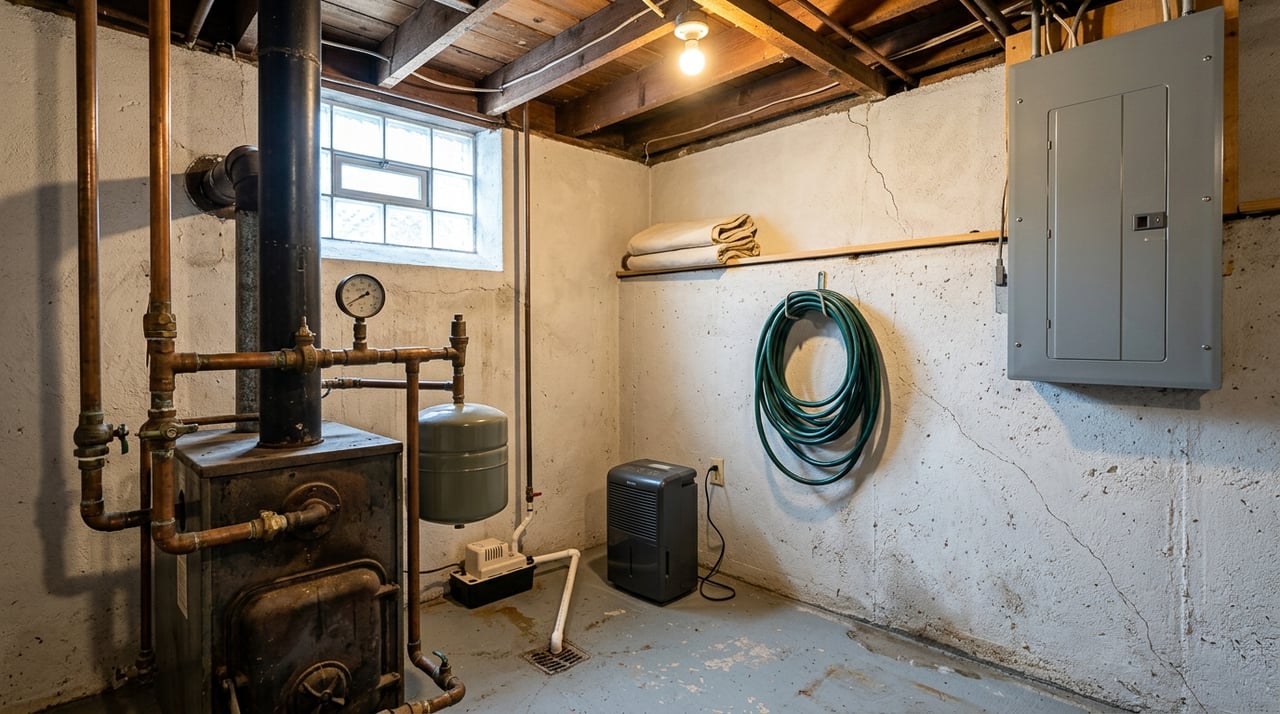
Because Flatlands is known for older low-rise housing, due diligence should go beyond the usual surface review. Before closing, it is smart to verify:
- Certificate of occupancy
- HPD violations
- DOB violations
- Rent roll
- Lease terms
- Utility split
- Registration status
- Lead history
- Flood insurance implications
Lead paint rules are especially important in older buildings. In New York City, owners must address lead hazards in buildings built before 1960, or from 1960 to 1978 if the owner knows lead paint is present, when a child age 5 or younger lives in the home or spends 10 or more hours per week there.
This is also a neighborhood where flood diligence matters. The Canarsie-Flatlands neighborhood report says residents live in a hurricane evacuation zone and rates coastal flood risk as higher than most neighborhoods. That does not automatically make a property a bad buy, but it does mean you should review insurance and risk exposure carefully.
Flatlands works best for practical buyers
For the right buyer, Flatlands can be a strong fit for house hacking, owner-occupier income, or small multifamily investing. The neighborhood offers a housing stock that supports those strategies, and current asking rents still sit below broader Brooklyn levels.
The tradeoff is that you are not buying in a plug-and-play rental market with endless comps and simple assumptions. You are buying in a lower-rise, more nuanced neighborhood where maintenance, compliance, and underwriting discipline matter a lot.
That is exactly why local guidance matters. When you understand the housing stock, verify the paperwork, and run the numbers honestly, Flatlands can offer a more grounded path to rental income in Brooklyn.
If you are thinking about buying, selling, or evaluating a small multifamily property in Brooklyn, Claudette Rolling can help you sort through the numbers, the neighborhood, and the next steps with practical local guidance.
FAQs
What types of rental income properties are most common in Flatlands?
- Flatlands is generally characterized by one- and two-family homes and other low-rise residential properties, so small multifamily and two-family houses are often more relevant than large apartment buildings.
What are typical rents for apartments in Flatlands?
- Public listing data varies, but recent asking-rent figures ranged from a median of about $2,800 on Realtor.com to about $3,100 on StreetEasy, with RentHop estimates varying by unit size.
Is Flatlands a good neighborhood for house hacking?
- Flatlands can be a practical house-hacking market because the housing stock leans toward smaller multifamily homes, but success depends on realistic rent assumptions, repair reserves, and careful due diligence.
What landlord rules matter for Flatlands rental property owners?
- Key New York City rules include HPD registration requirements, heat and hot water standards, security deposit limits, late-fee caps, and maintenance obligations under the Housing Maintenance Code.
Do Flatlands buyers need to check for flood risk?
- Yes. Public neighborhood reporting rates coastal flood risk as higher than most neighborhoods and notes that residents live in a hurricane evacuation zone, so flood and insurance review should be part of due diligence.
How should you analyze a small multifamily deal in Flatlands?
- Start with local rent assumptions, subtract vacancy and operating expenses, calculate NOI, then factor in debt service and stress-test the deal for turnover, late rent, and repair costs.