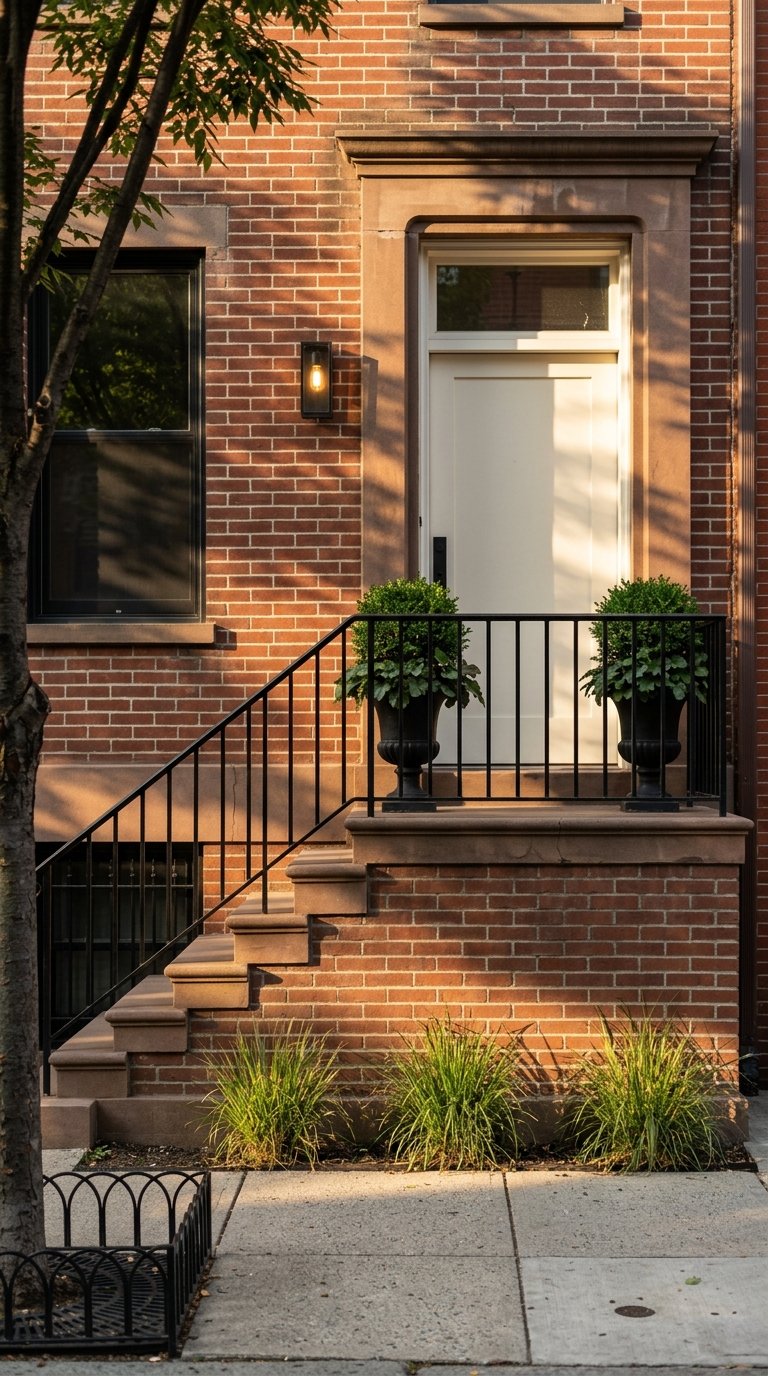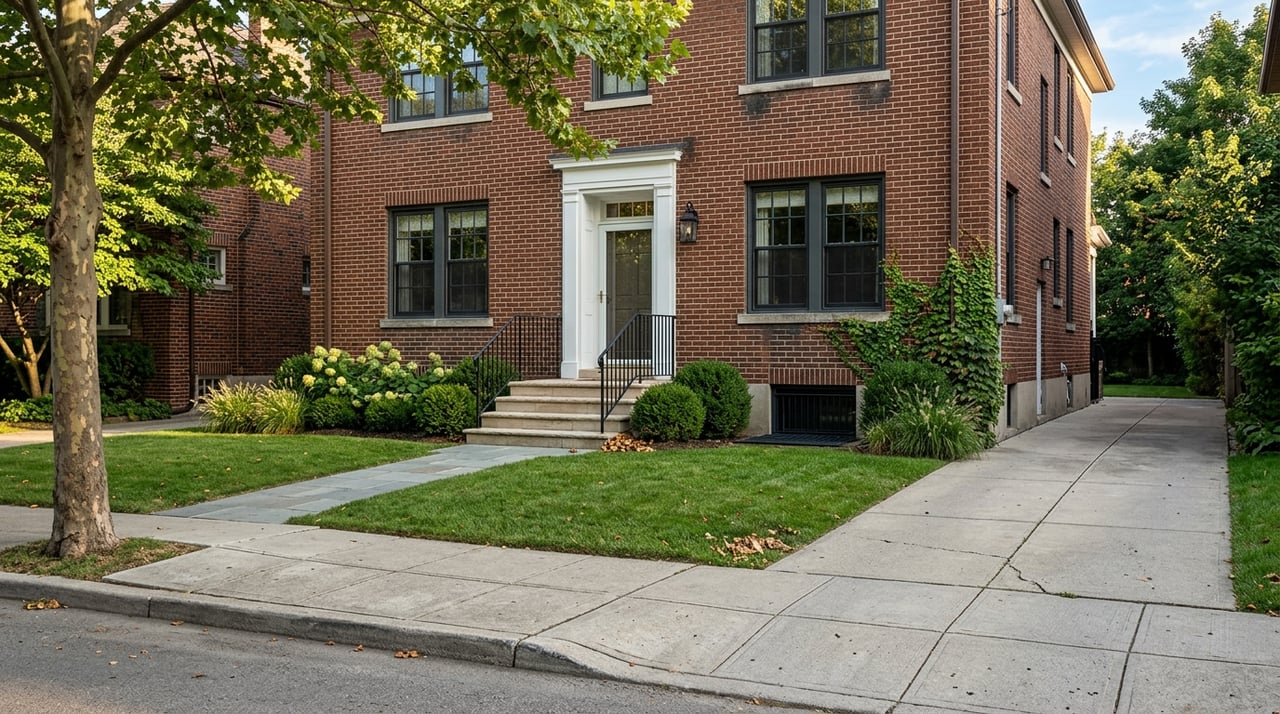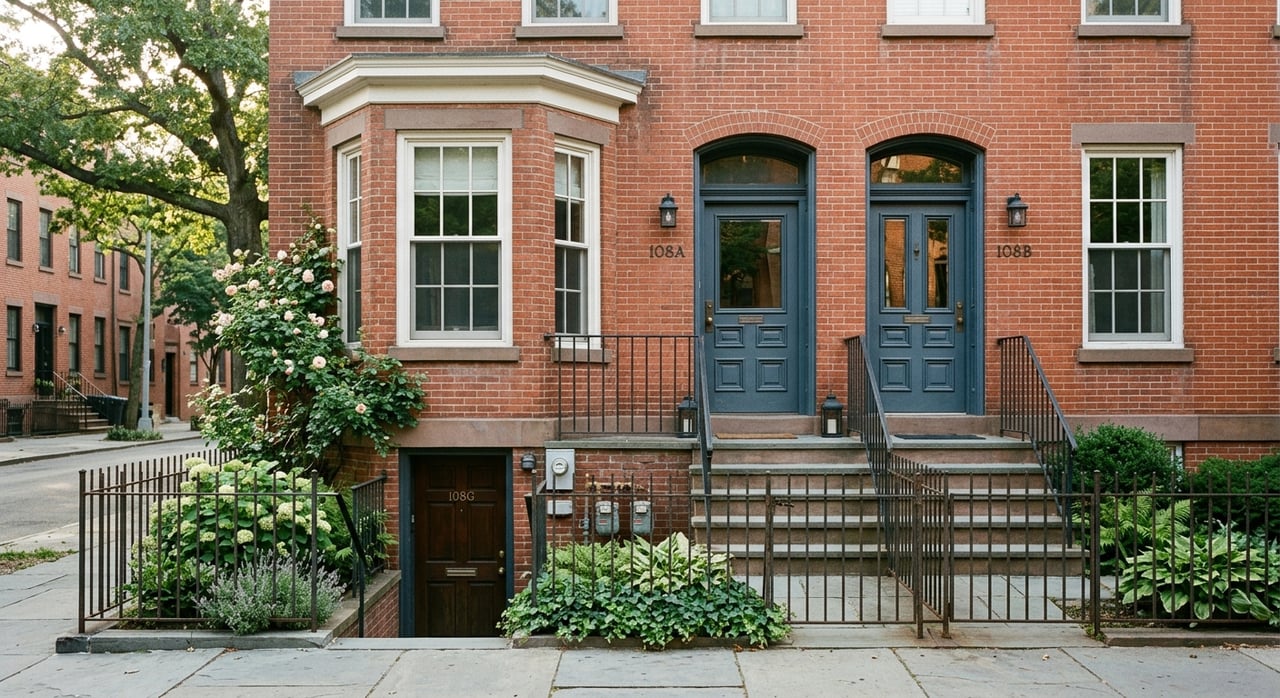
Renting out a Fort Greene home can look simple on the surface. Demand is strong, the neighborhood gets attention, and a well-presented apartment can attract serious interest. But before you list your place, the real work is making sure you understand the rules, costs, and building requirements that apply to your specific property. Let’s dive in.
Start With Your Property Type
In Fort Greene, the first question is not just how much rent you can charge. It is also what kind of ownership you have and what rules come with it. A co-op, condo, brownstone, or small multifamily can each come with a very different rental process.
If you own a co-op, subletting usually depends on the building’s bylaws, proprietary lease, house rules, and board requirements. If you own a condo, you hold title to the unit, but you still need to follow the declaration, bylaws, and any leasing restrictions. If you own a townhouse or small building, your focus may shift more toward legal occupancy, registrations, and operating costs.
This step matters because the wrong assumption can create delays or force you to change plans after you already start marketing. Before you advertise, pull your building documents and confirm what is allowed.
Confirm Legal Residential Use
Before renting out any Fort Greene property, make sure the space is legal residential space. In New York City, the Certificate of Occupancy states the legal use and permitted occupancy of the building.
That means a finished lower level, garden apartment, or reworked floor plan should never be assumed to be rentable just because it looks move-in ready. HPD says owners should rent only legal residential space as defined by the Certificate of Occupancy. This is one of the most important checks you can make before listing.
Check Historic District Rules
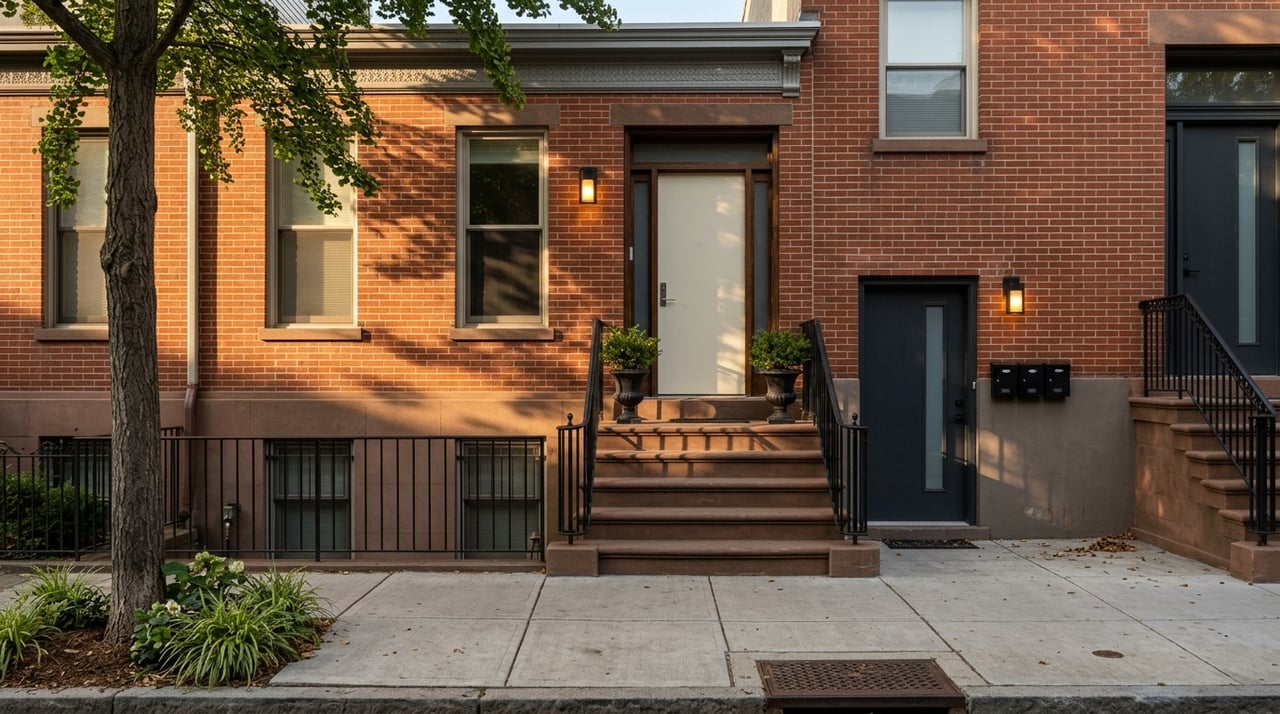
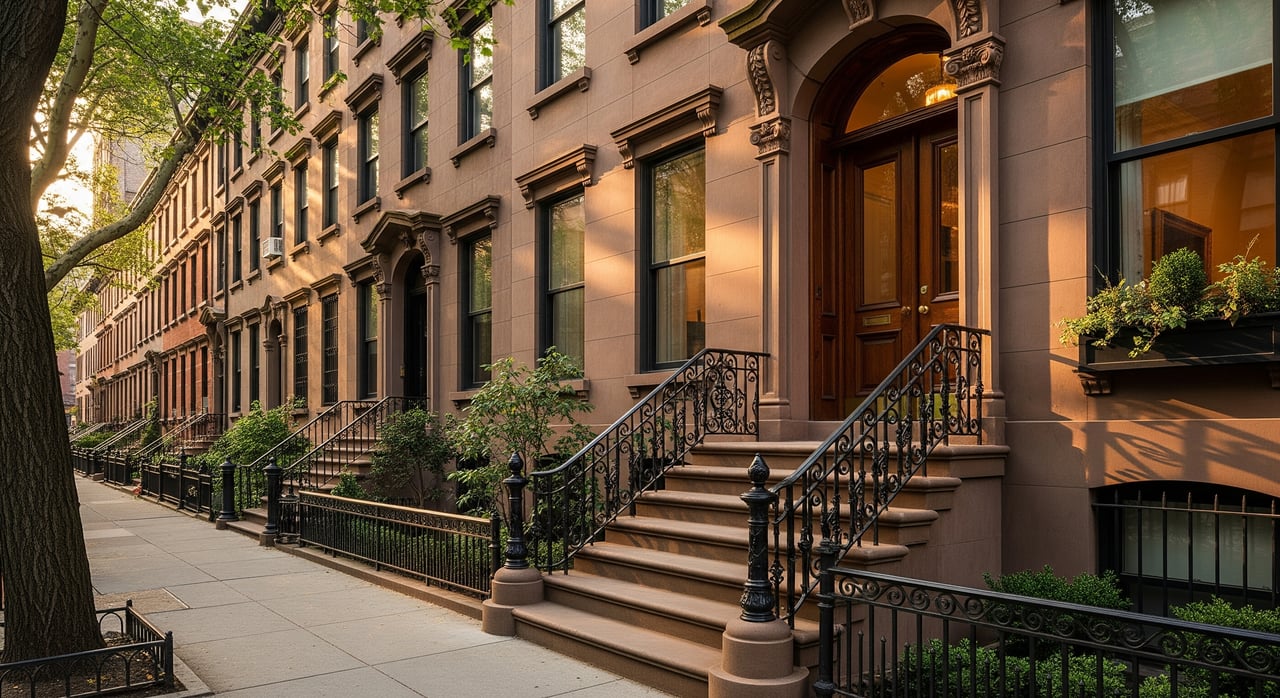
Fort Greene’s historic character is part of what draws renters to the area. It is also part of why owners need to be careful before making updates to the property.
If your home is landmarked or located in a historic district, the Landmarks Preservation Commission may need to approve certain exterior alterations, reconstruction, demolition, or new construction in advance. If you are planning facade work, window replacements, or visible repairs before listing, confirm the rules first.
Know If Registration Rules Apply
Many owners are surprised to learn that rental registration may be required even before the lease starts. In New York City, HPD requires annual property registration for residential buildings with three or more units. It also applies to one- or two-family homes where neither the owner nor immediate family lives there.
If your apartment is rent stabilized, there is another layer. Rent-stabilized apartments must be registered annually with HCR between April 1 and July 31. Before assuming you can set market-rate rent or use a standard lease strategy, verify whether the apartment is rent stabilized.
Understand Short-Term Rental Limits
Some owners consider short-term renting as a way to test the market or increase income. In New York City, the rules are much stricter than many people expect.
Hosts cannot rent out an entire apartment or home for fewer than 30 days. Hosts must be permanent occupants to register, and rent-regulated units are not eligible for short-term rental registration. If your plan involves anything close to vacation-style renting, make sure you understand the city’s rules before moving forward.
Build Your Rental Budget First
A smart rental strategy starts with your true monthly cost, not just your ideal rent number. Fort Greene may be a strong rental market, but your margins depend on what you actually have to carry each month.
Your budget should include mortgage costs, property taxes where applicable, common charges or maintenance, insurance responsibilities, repair reserves, and any building-related sublet fees. For co-op and condo owners, those recurring charges can make a major difference in your break-even point.
A simple budget should include:
- Monthly mortgage payment
- Property taxes, if applicable
- Common charges or co-op maintenance
- Insurance obligations
- Routine maintenance and repair costs
- Possible vacancy periods
- Building sublet or turnover fees
- Marketing or listing costs
When you know your real numbers up front, you can price with more confidence and avoid chasing a rent figure that does not actually work for you.
Plan Around New York Fee Rules
New York rental rules can affect your net income more than many first-time landlords realize. Security deposits are capped at one month’s rent, and they must be treated as tenant trust funds.
For buildings with six or more apartments, landlords generally must place deposits in an interest-bearing New York bank account. Application, credit, and background-check fees are capped at $20 before a lease is signed. If you charge that fee, you must provide the applicant with a copy of the report and the invoice from the screening company.
Late fees are limited too. In New York City, they are capped at the lesser of $50 or 5% of the monthly rent. These details may seem small, but they matter when you are projecting your actual rental income.
Be Careful With Broker Fee Disclosures
If you hire a broker or listing agent to market your Fort Greene rental, fee rules matter at the listing stage. Under the 2025 FARE Act, a landlord’s agent cannot charge the tenant a broker fee.
The city also requires all tenant-paid fees to be clearly disclosed in listings, and a signed itemized fee disclosure must be provided before lease signing. That signed disclosure must be kept for three years. Clear upfront communication helps protect both you and the renter from confusion later.
Market the Unit Like Renters Expect
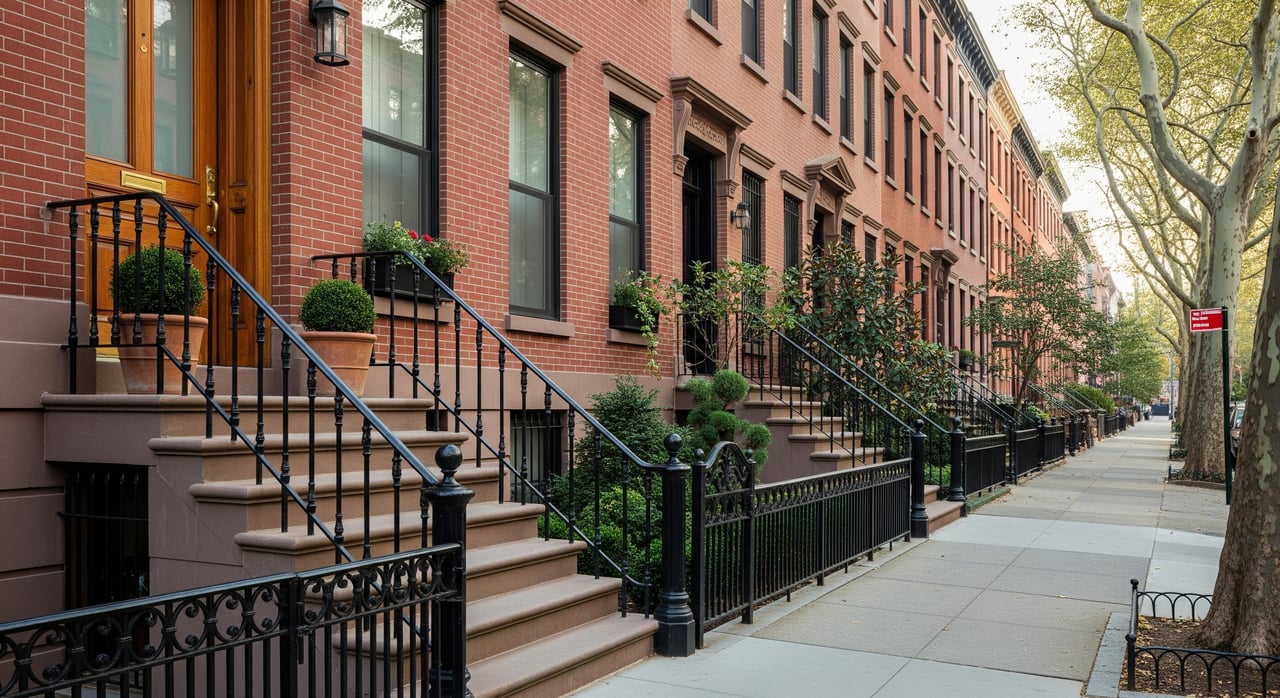
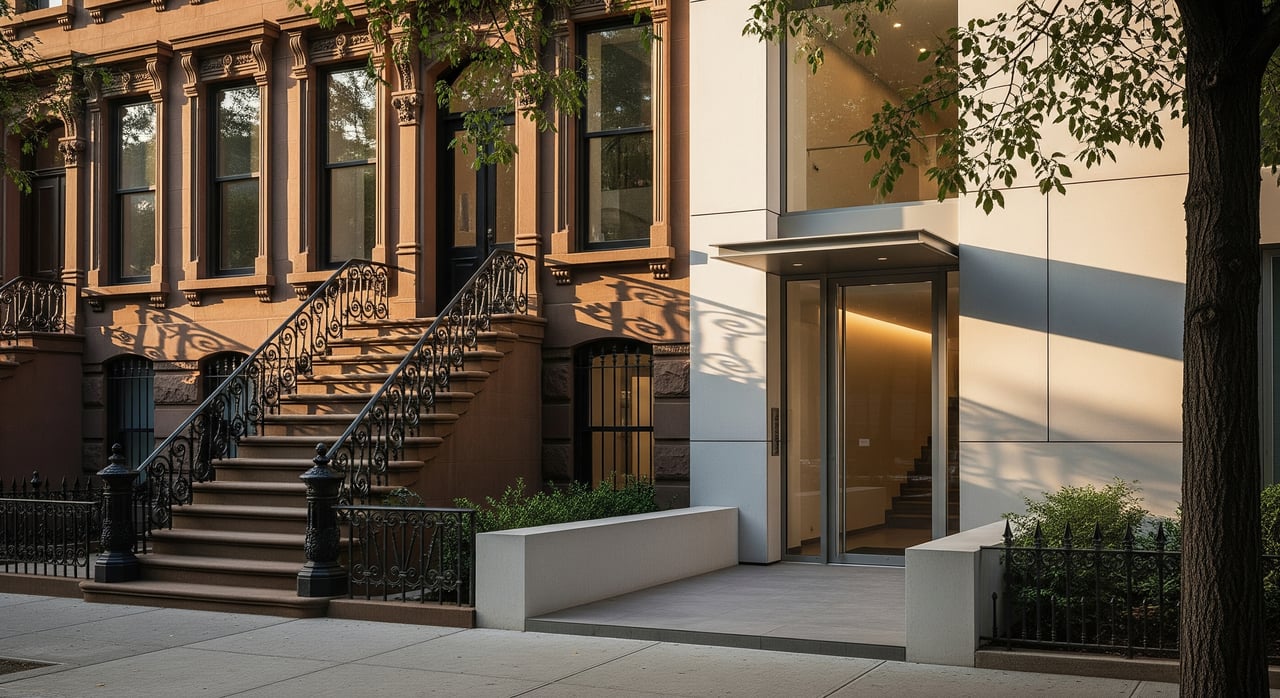
Fort Greene continues to draw attention for its mix of historic brownstones and newer development. That means your rental may benefit from strong interest, but it also means renters often expect polished presentation and move-in-ready condition.
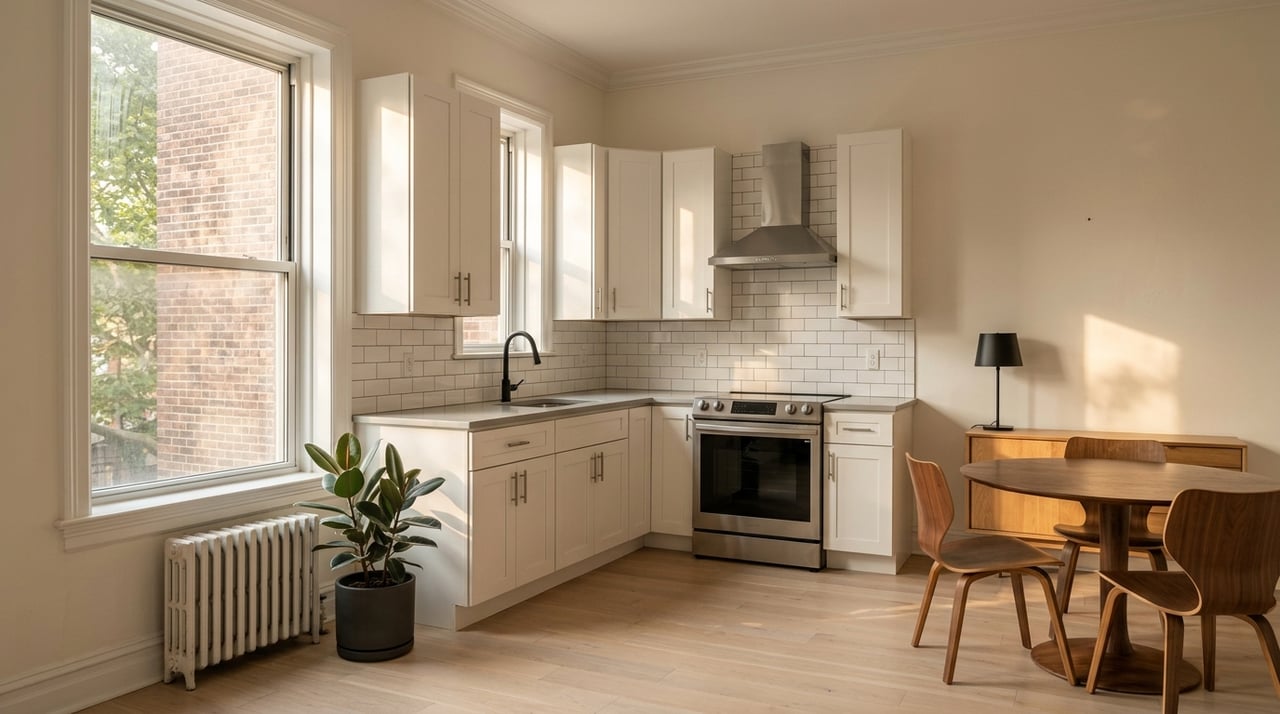
Professional photos, clean finishes, and a realistic pricing strategy can help your property stand out. Just as important, your listing should accurately reflect the unit and clearly disclose required fees. A strong marketing launch is not just about style. It is about clarity, compliance, and making a good first impression.
Handle Older Homes With Care
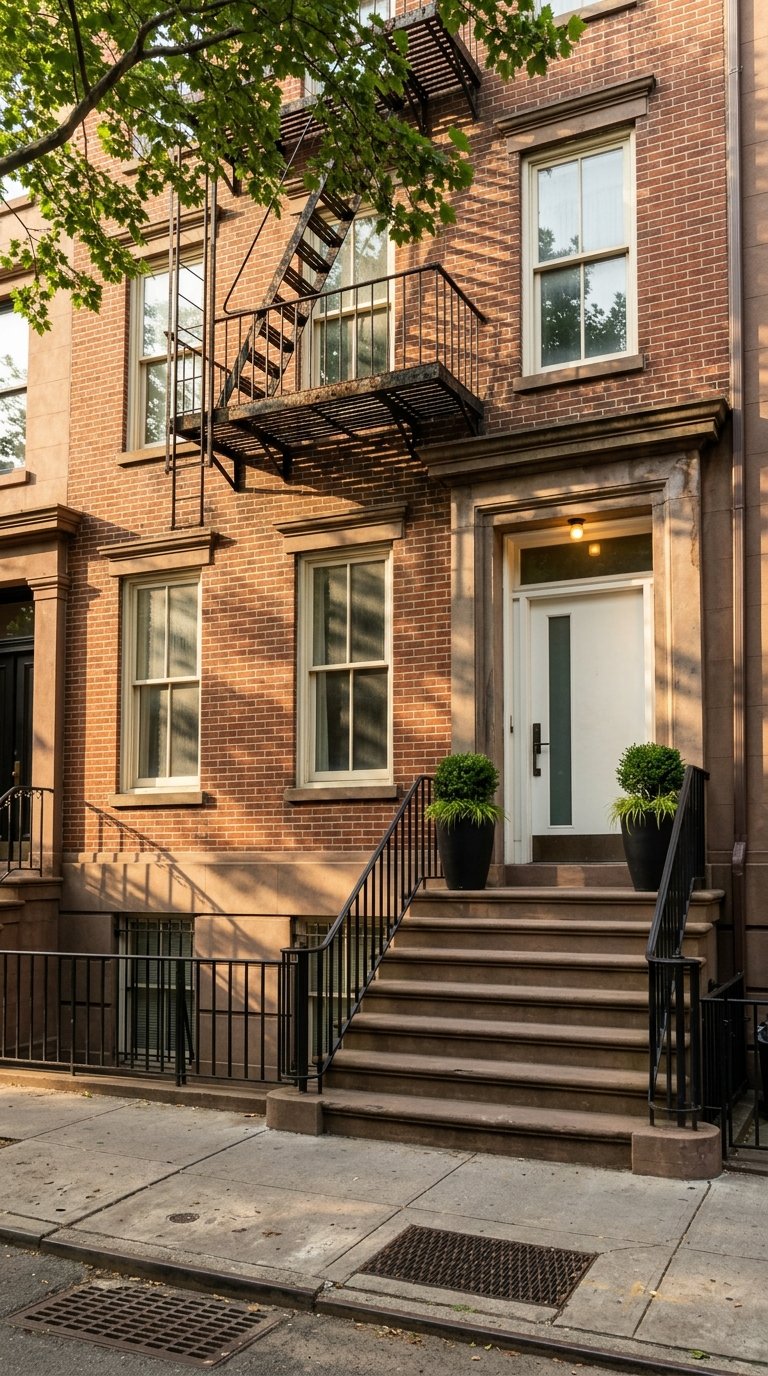
Many Fort Greene homes were built before 1978. If that applies to your property, lead-based paint disclosure rules are an important part of the lease process.
Known lead-based paint information must be disclosed before a lease is signed. If you are repainting, making repairs, or preparing an older brownstone for tenants, it is wise to treat lead compliance as part of your pre-listing checklist rather than as a last-minute issue.
Screen Tenants Fairly and Consistently
Tenant screening should be objective, documented, and applied equally to every applicant. New York City fair housing guidance allows owners and landlords to use factors like financial qualifications, credit criteria, references, occupancy questions, and some screening tools, but those standards must be used consistently.
That means your process should be based on clear business criteria, not informal impressions. Having your standards ready before the first inquiry comes in can help you move faster and reduce risk.
A strong screening framework often includes:
- Income requirements
- Credit review
- Rental history
- References
- Occupancy information
- Consistent written criteria for every applicant
Avoid Screening Mistakes
There are also specific things you cannot use in the way many owners assume. In New York, lawful source of income is protected, including Section 8 and other public assistance, so you cannot reject an otherwise qualified applicant because they plan to use a voucher or subsidy.
Landlords also cannot deny an applicant based on prior landlord-tenant court history or tenant blacklist information related to past disputes with landlords. That is one reason objective screening criteria matter so much. They create a cleaner, more defensible process.
Understand Criminal Background Check Limits
As of January 1, 2025, the NYC Fair Chance Housing Law limits when and how many housing providers can use criminal background checks. Covered providers must first review general eligibility and make a conditional offer before considering limited conviction history.
The law also bars questions about arrests, sealed records, adjournments in contemplation of dismissal, and most older convictions. This law can affect many housing providers, including co-op and condo boards that make housing decisions. If your building reviews applicants, this is an area to get right before you start accepting applications.
Rent-Stabilized Units Need Extra Care
If your Fort Greene apartment is rent stabilized, your lease process is different from a standard market-rate rental. Rent-stabilized tenants are entitled to a signed lease copy within 30 days, and the lease must include the DHCR rent stabilization rider.
That rider summarizes tenant rights and rent-calculation details. This is another reason owners should verify the apartment’s status before setting rent, advertising lease terms, or preparing paperwork.
Why Preparation Matters More Than Staging
A beautifully staged apartment can help your rental photos pop, but staging is not the most important prep step. In Fort Greene, the highest-value work usually happens behind the scenes.
You will be in a much stronger position if you first confirm the legal use of the unit, understand your building’s rules, estimate all carrying costs, and set up a compliant screening and lease process. That preparation can save time, reduce stress, and help you avoid expensive mistakes.
If you are thinking about renting out your Fort Greene home and want help positioning it for the market, planning the next steps, or understanding how it may fit into your broader real estate goals, Claudette Rolling can help you think it through with local, practical guidance.
FAQs
What should Fort Greene owners check before renting out a home?
- Start by confirming the ownership structure, building rules, legal residential use, registration requirements, and whether the unit may be rent stabilized.
Can you short-term rent a Fort Greene apartment in New York City?
- In many cases, no. New York City says you cannot rent out an entire apartment or home for fewer than 30 days, and hosts must be permanent occupants to register.
Do co-op and condo owners in Fort Greene have different rental rules?
- Yes. Co-op owners usually need to follow sublet rules set by board documents, while condo owners must comply with the condo’s governing documents and leasing restrictions.
What fees can Fort Greene landlords charge rental applicants?
- Application, credit, and background-check fees are capped at $20 before a lease is signed, and security deposits are capped at one month’s rent.
What should Fort Greene landlords use to screen tenants fairly?
- Use objective criteria like income, credit, references, rental history, and occupancy information, and apply the same standards equally to every applicant.
Why does landmark status matter for a Fort Greene rental property?
- If the property is landmarked or in a historic district, certain exterior changes may need approval before you make updates to prepare the home for rent.