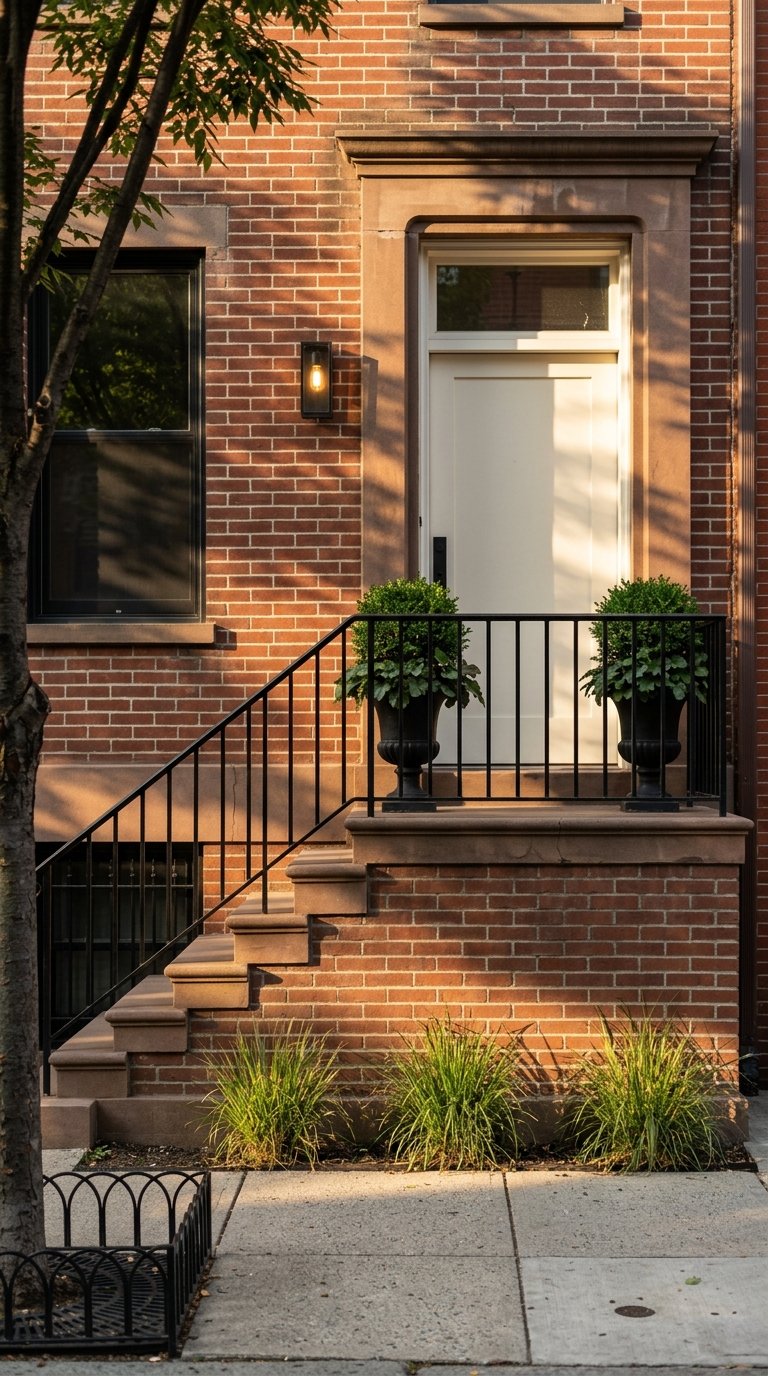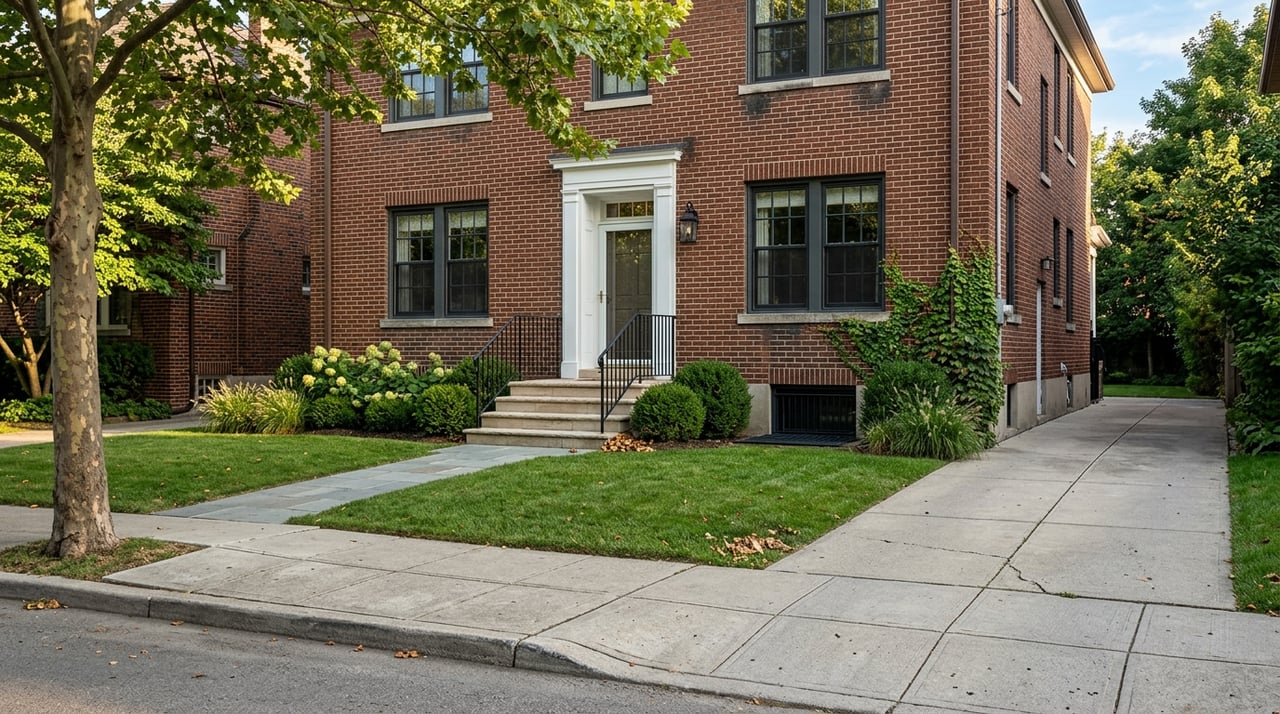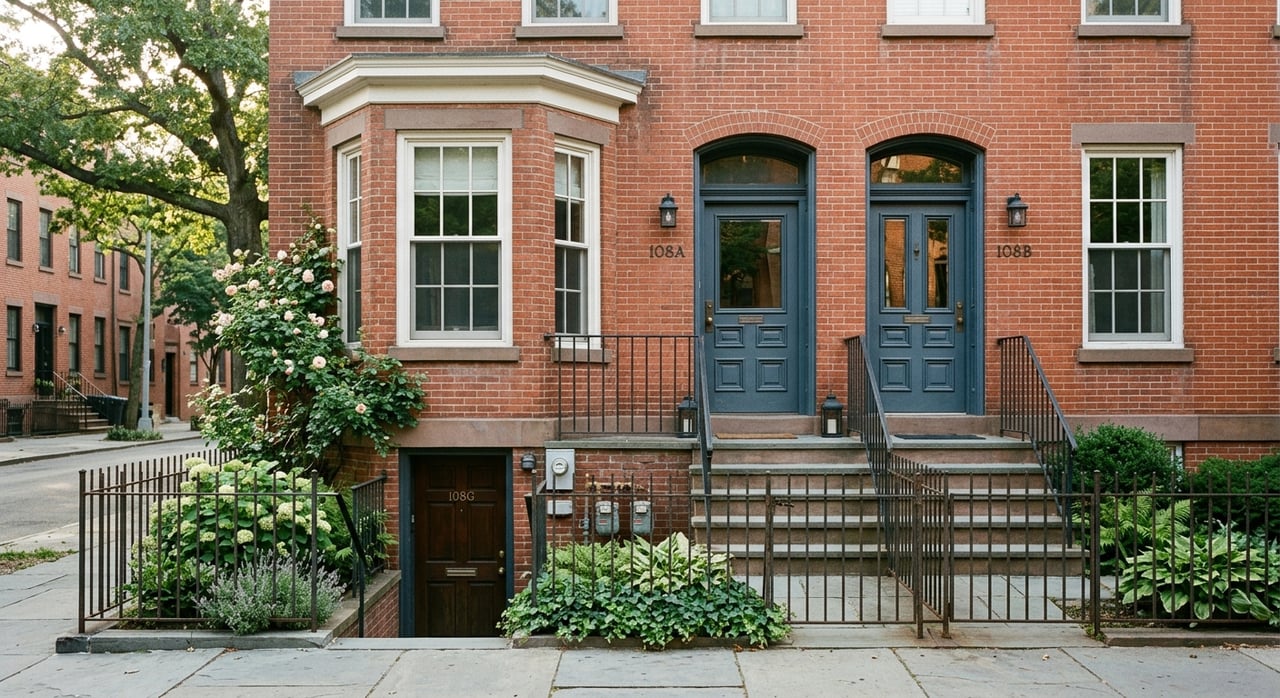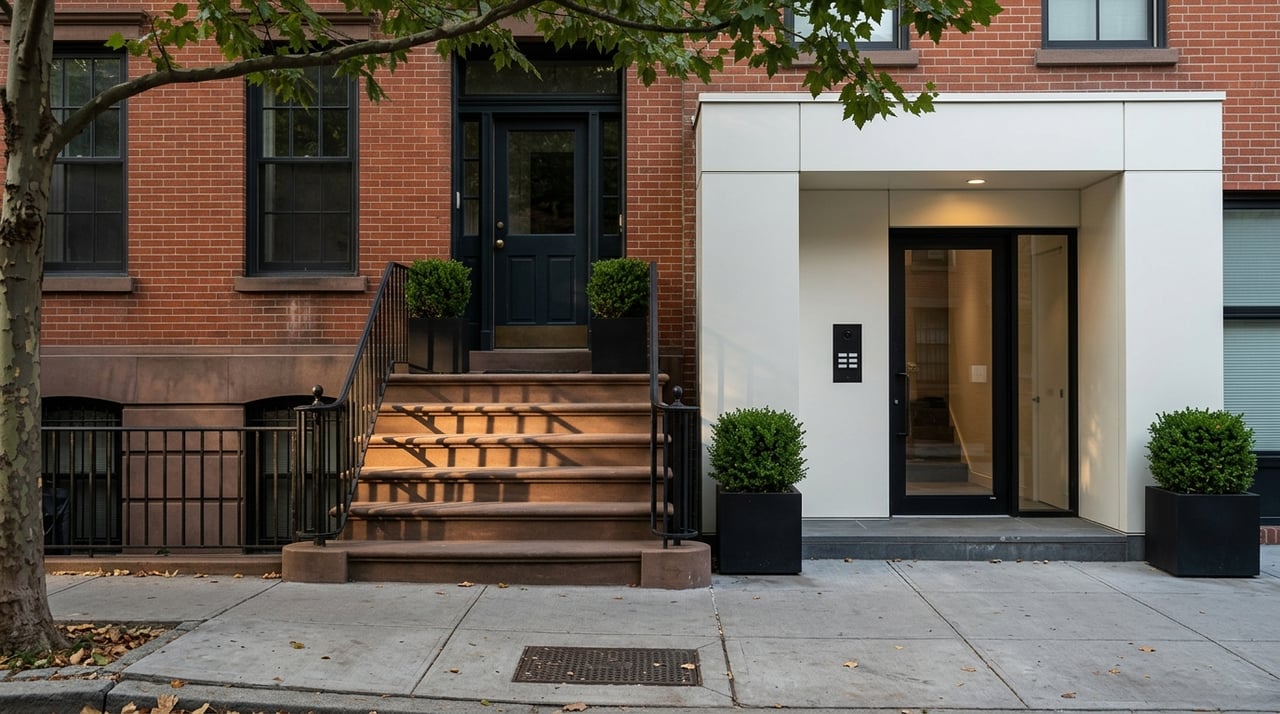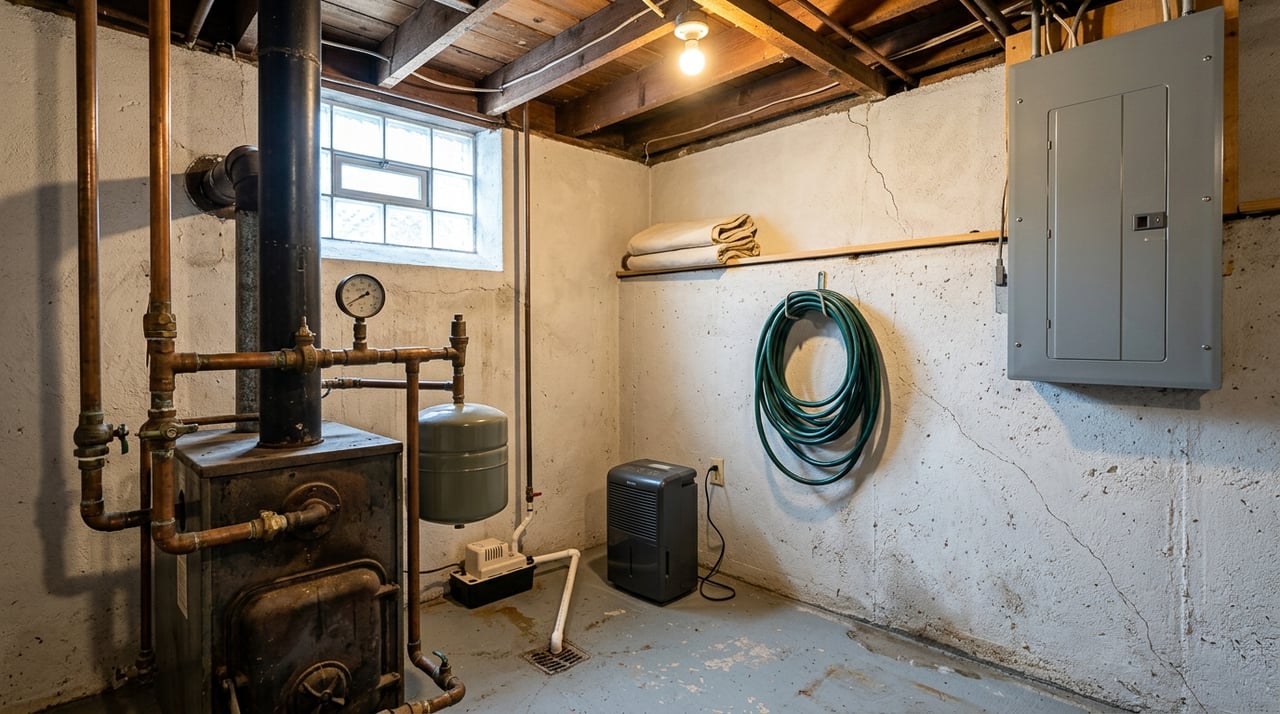
If you are buying or selling in Flatlands, a home inspection can shape everything from your repair plan to your negotiation strategy. In this part of Brooklyn, the inspection is often about more than a punch list because older housing, below-grade spaces, and local flood risk can all affect what matters most. The good news is that once you know what inspectors are actually looking for, you can focus on the issues that deserve attention and avoid overreacting to normal wear. Let’s dive in.
What a home inspection covers in New York
In New York, a home inspection is a written observation of major systems and components. That includes heating, electrical, structural components, foundation, roof, masonry, and interior and exterior conditions.
Just as important, the inspection is based on visible and readily accessible conditions. That means your report is not a guarantee that every hidden issue has been found. It is best read as a snapshot of the property’s observable condition on the day of the inspection.
For Flatlands buyers and sellers, that distinction matters. A report may flag signs of water intrusion, aging systems, or visible safety concerns, but it does not predict every future problem or estimate the remaining life of every component.
Why Flatlands inspections deserve extra attention
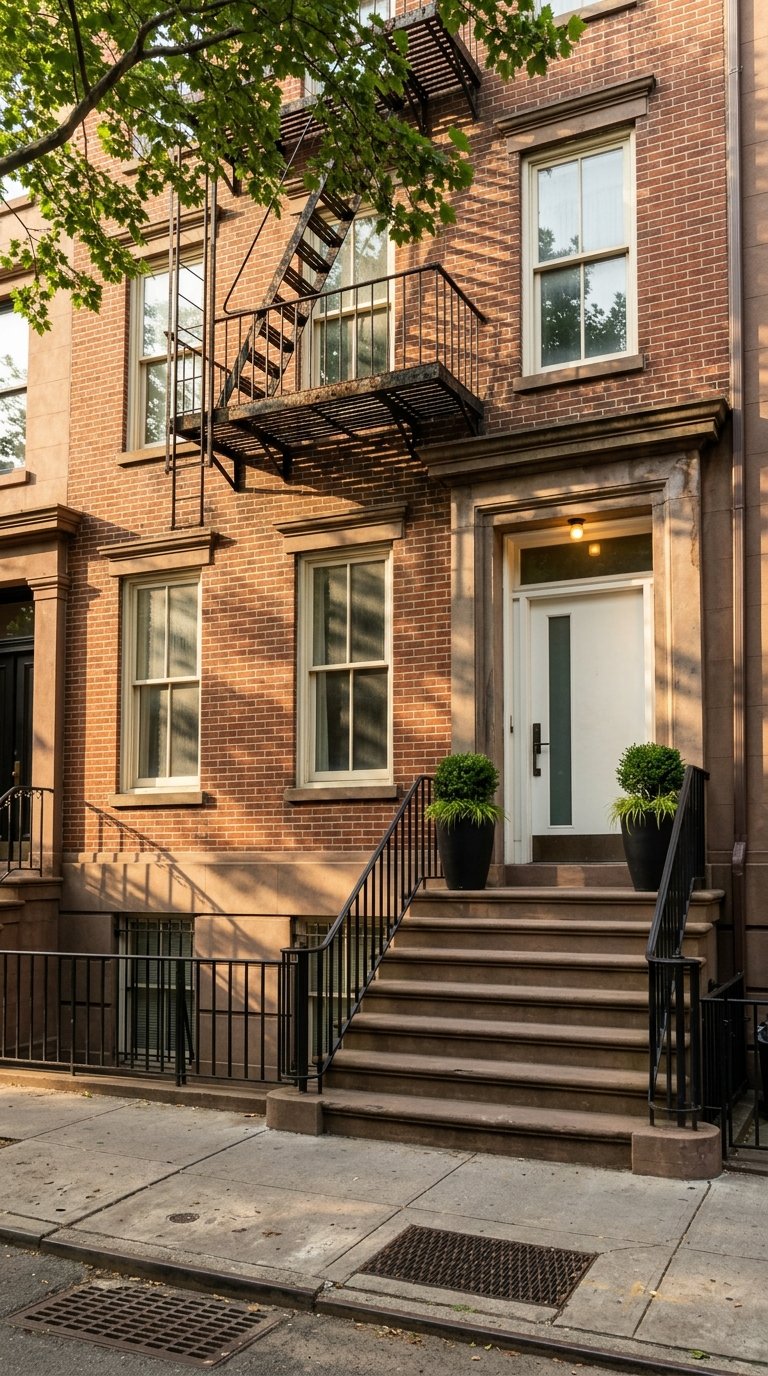
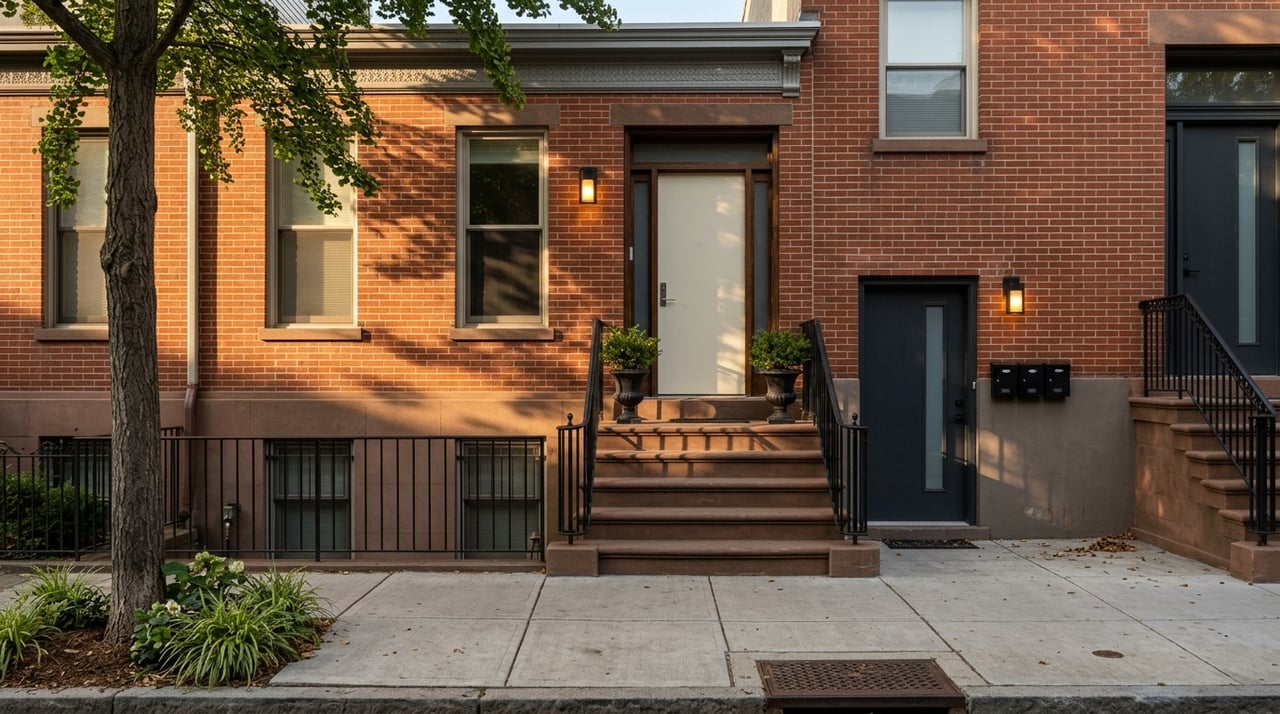
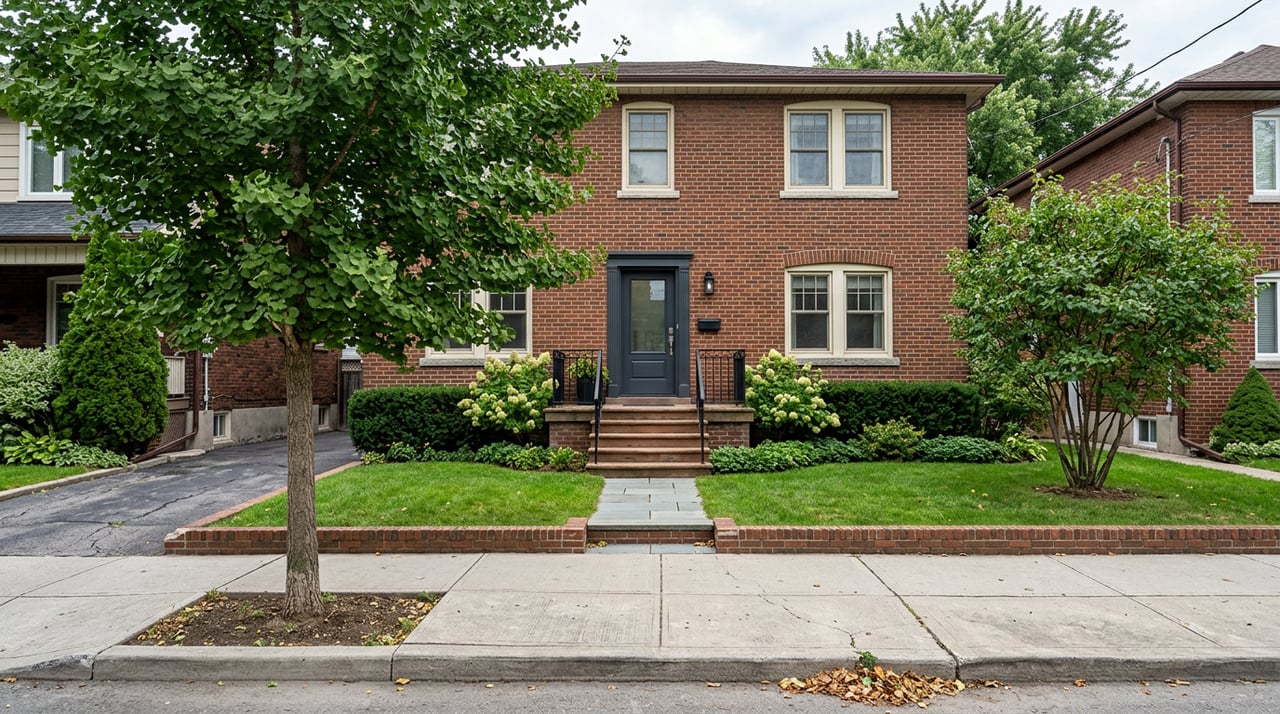
Flatlands has a long mix of one- and two-family homes, mid-rise buildings, and later infill development. That variety means inspection findings can differ a lot from one property to the next, even on the same block.
The neighborhood also sits in an area where the city identifies higher coastal flood risk than most neighborhoods, and all residents are in a hurricane evacuation zone. In practical terms, that makes basement moisture, grading, and drainage especially important during a Flatlands inspection.
If you are looking at a house with a basement or lower-level living space, you should expect extra scrutiny around signs of water, ventilation, and legal occupancy. For sellers, those same issues are often worth reviewing before you list.
Common Flatlands inspection issues
Roof leaks and drainage
Roof age alone does not tell the whole story. In New York, inspectors describe observed roof conditions and roofing materials, but they do not have to estimate how many years of life a roof has left.
What matters more in Flatlands is whether the roof shows active or visible moisture-related problems. Repeated patching, worn flashing, ponding water, and poor drainage can be more meaningful than a roof simply being old.
NYC code requires flashing at roof intersections, parapets, and penetrations to help keep moisture out. The code also requires roof drainage systems to comply with standards, and low-slope roofs must have positive drainage.
For buyers, this is often a negotiation point. For sellers, roof issues tied to leaks or drainage are usually more important to address than cosmetic roof wear.
Foundation concerns and basement moisture
Foundation and moisture issues often carry more weight in Flatlands than they might in a drier, higher-elevation area. Inspectors are expected to note visible structural components and signs of water penetration.
Common concerns include damp basement walls, water staining, musty conditions, visible cracks, or grading that appears to direct water toward the home. Not every crack is a major structural problem, but signs like bulging walls, significant cracking, or clear flood-related damage deserve closer review.
City emergency guidance notes that flooding can lead to mold, newly formed wall cracks, bulging walls, soil movement, sinkholes, and damage to electrical and gas systems. If a property has flood damage, the city advises having a New York State licensed architect or professional engineer assess safety before reoccupancy.
Heating system issues
Heating is another big inspection category, especially in older Brooklyn homes. New York inspectors look at the heating equipment, fuel type, distribution system, venting, controls, and visible heat sources, and they operate the system through the thermostat when possible.
In real life, common follow-up items include uneven heat, aging boilers or radiators, and venting or chimney concerns. Those issues may not always stop a deal, but they can affect comfort, repair costs, and negotiation.
This matters even more during the city’s heat season, which runs from October 1 through May 31. During that period, building owners must meet minimum indoor temperature requirements under NYC rules.
Electrical problems
Electrical findings are often some of the most important line items in an inspection report. Inspectors in New York observe the service drop, service entrance, panel covers, grounding, receptacles, GFCIs, and visible branch wiring.
They also note whether aluminum branch wiring is present. Beyond the inspection itself, NYC requires most electrical work to be done with a permit and a licensed master electrician, and unpermitted work can lead to violations, summonses, court appearances, and fines.
For buyers, visible wiring problems, damaged outlets, missing safety protections, or signs of improvised work usually deserve prompt follow-up. For sellers, electrical safety items are often worth fixing before the home hits the market.
Finished basements and basement apartments
This is one of the most important issues in Flatlands. A finished lower level may look useful on a showing, but legal occupancy is a separate question.
NYC distinguishes a basement from a cellar. A basement has at least half its height above curb level, while a cellar has more than half its height below curb level.
That difference matters because cellars in one- and two-family homes can never be lawfully rented. HPD also warns that illegal basement and cellar conversions can create carbon monoxide, ventilation, and egress hazards and can lead to vacate orders.
DOB guidance adds another key point: basement or cellar accessory dwelling units are only allowed in existing one- or two-family homes and are prohibited in flood-risk areas. In a neighborhood like Flatlands, that makes below-grade space a major due diligence item.
What is normal wear and what is negotiable
A smart way to read any inspection report is to separate cosmetic wear from issues tied to safety, water management, or legal use. Minor surface defects, dated finishes, and older but functioning systems are usually different from active leaks, structural movement, or occupancy concerns.
For example, an older roof is not automatically a crisis. A roof with visible leakage, failed flashing, or drainage problems is much more likely to affect negotiations.
The same idea applies throughout the house. Peeling paint or a loose handrail may be repair items, while exposed wiring, major wall movement, or flood damage call for a more serious response.
Typical negotiation items in Flatlands often include:
- roof patching or drainage corrections
- minor grading work
- panel or outlet updates
- heating balance issues
- repairs tied to visible moisture intrusion
When to bring in a specialist
A general home inspection is an excellent first step, but it is not always the last step. Some findings need a closer look from a licensed specialist.
If the report shows significant foundation cracking, bulging walls, flood damage, exposed or damaged wiring, or questions about basement legality, it usually makes sense to bring in the right expert. Depending on the issue, that may include a licensed architect or engineer, a licensed electrician, a licensed plumber, or a review of DOB and HPD records.
This can protect you from making decisions based on guesswork. It can also help you separate manageable repairs from more serious concerns that affect value, safety, or legal occupancy.
Seller tips before listing in Flatlands
If you are selling, a little prep before listing can reduce surprises and help your sale move more smoothly. In Flatlands, the most useful pre-listing review often centers on water intrusion, electrical safety, heating reliability, and lower-level legality.
You can also review public building records before going to market. The city allows owners to check complaints, violations, inspections, permits, and Certificate of Occupancy history through DOB public records.
A Certificate of Occupancy states the legal use and permitted occupancy of a building. If the property was built before 1938, a Letter of No Objection may be used if no Certificate of Occupancy was originally required.
Before listing, it helps to focus on the items most likely to trigger buyer questions or lender concerns:
- signs of basement moisture or drainage issues
- roof leaks, worn flashing, or ponding concerns
- visible electrical safety problems
- uneven or unreliable heat
- questions about basement or cellar use
- unresolved permits, complaints, or occupancy records
How buyers can use the inspection wisely
If you are buying in Flatlands, the goal is not to find a perfect house. The goal is to understand the property’s real condition and decide what you can comfortably take on.
Try to read the report in tiers. Start with safety, water intrusion, structural concerns, and legal occupancy questions. Then look at repair costs, maintenance items, and upgrades that can wait.
This is where local guidance really helps. In a neighborhood with older homes and flood-related concerns, you want to know which findings are common, which are negotiable, and which need immediate expert review.
A calm, informed approach usually leads to better decisions than reacting to a long inspection report line by line. The right next step is often not walking away, but getting clarity.
Whether you are buying your first home in Flatlands or getting ready to sell a longtime property, inspections are one of the best tools you have for making a smart move. When you understand what the report can and cannot tell you, it becomes much easier to plan repairs, negotiate fairly, and move forward with confidence. If you want local, hands-on guidance through the process, Claudette Rolling can help you navigate the details with clarity and care.
FAQs
What does a home inspection in Flatlands usually cover?
- In New York, a home inspection covers visible and readily accessible major systems and components, including heating, electrical, structural components, foundation, roof, masonry, and interior and exterior conditions.
What inspection issues matter most for Flatlands homes?
- In Flatlands, the most important issues often involve roof leaks and drainage, foundation concerns, basement moisture, heating performance, electrical safety, and the legal use of finished basements or lower-level spaces.
Can a home inspector tell you how many years a Flatlands roof has left?
- No. New York inspectors describe the observed condition of the roof and roofing materials, but they do not have to estimate the remaining life of the roof covering.
Are basement apartments legal in Flatlands homes?
- It depends on the space and the property, but cellars in one- and two-family homes can never be lawfully rented, and basement or cellar accessory dwelling units are prohibited in flood-risk areas.
What should Flatlands sellers check before listing a home?
- Sellers should pay close attention to water intrusion, drainage, roof condition, electrical safety, heating reliability, basement or cellar use, and public records related to permits, complaints, violations, and occupancy history.
When should a Flatlands buyer call a specialist after the inspection?
- A buyer should consider a specialist when the report shows significant foundation cracking, bulging walls, flood damage, exposed or damaged wiring, or questions about whether a basement or lower-level space is legally occupied.