Craving more space without leaving New York City? If you’re trading a Manhattan walkup or a denser Brooklyn block for a quieter, more residential feel, Flatlands might be the reset you want. You’ll likely see lower housing costs for the space you get, plus driveways and backyards on many blocks, but you’ll also adjust your commute. In this guide, you’ll learn how housing, commuting, and daily life in Flatlands stack up, plus practical steps to plan a smooth move. Let’s dive in.
Flatlands at a glance
Flatlands sits in southeast Brooklyn and reads as residential and low-rise, with many one- and two-family homes and small multi-family buildings. It is part of NYC Community District 18, which also includes Canarsie. For a quick primer on the neighborhood’s history and boundaries, review the Flatlands overview.
Who lives here
Community data shows Flatlands–Canarsie has a substantial share of homeowners, positioning it as more owner-oriented than many central Brooklyn neighborhoods. Median household income in this area trends around the low to mid five figures, and median property values sit near the low $700,000s at the community level. You can explore these indicators on DataUSA’s CD18 profile and the NYU Furman Center neighborhood profile.
Housing and value shift
What you get more of
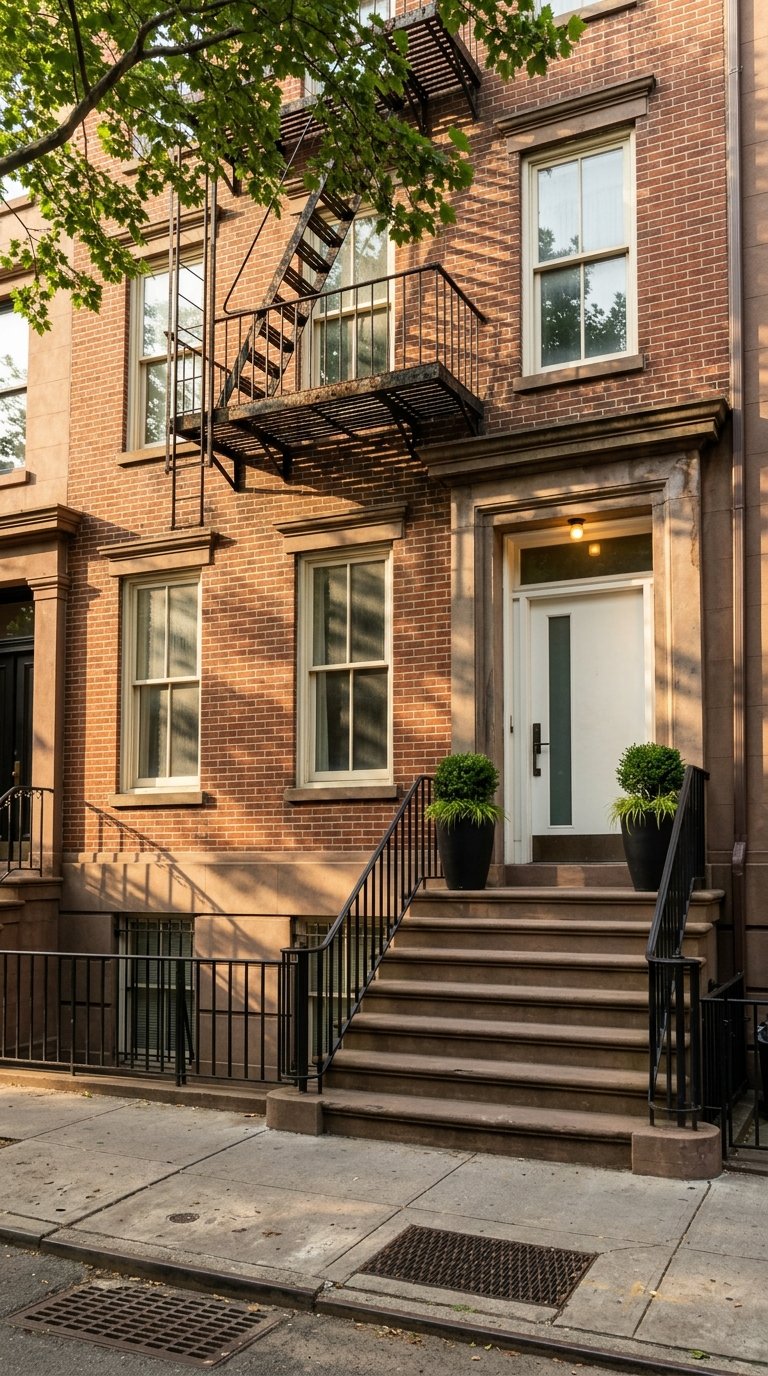
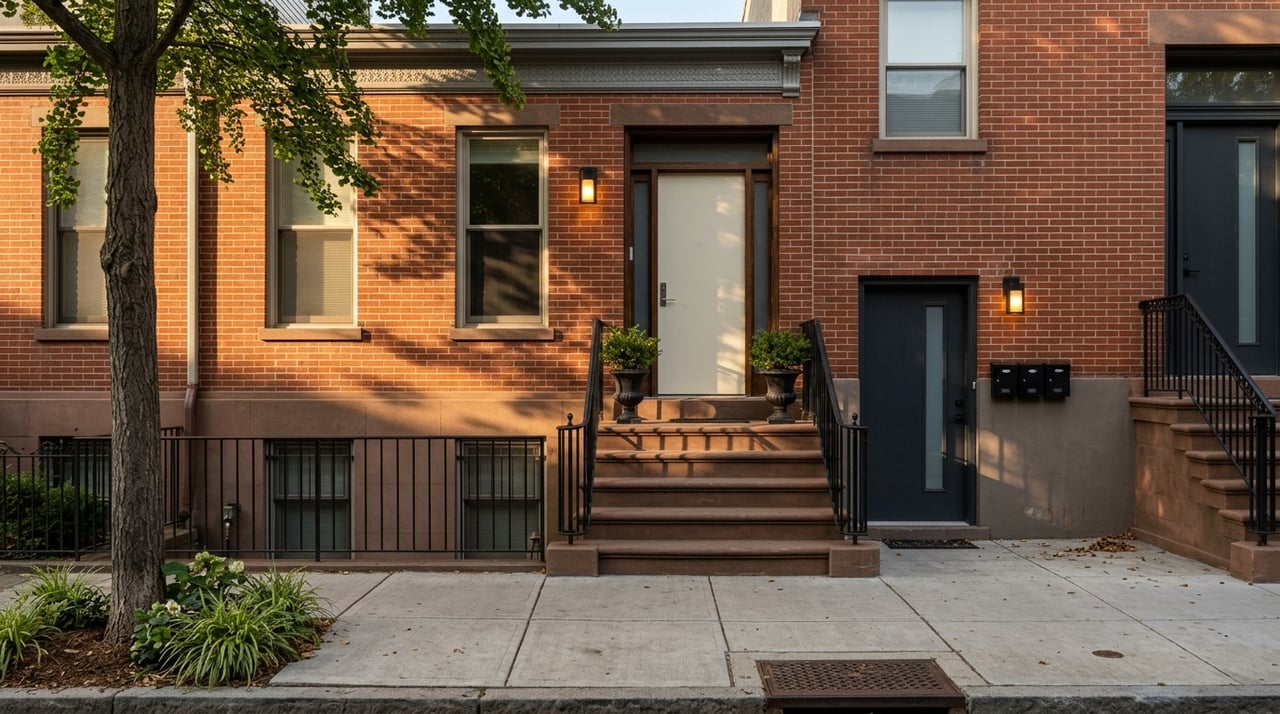
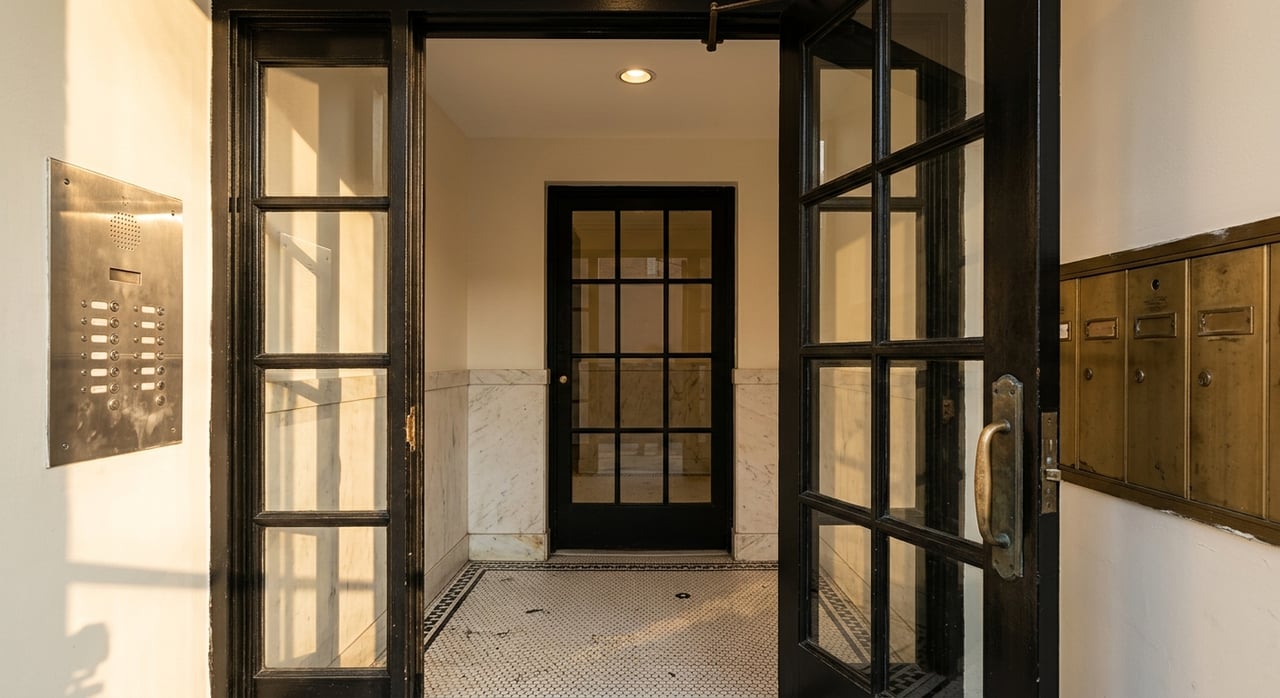
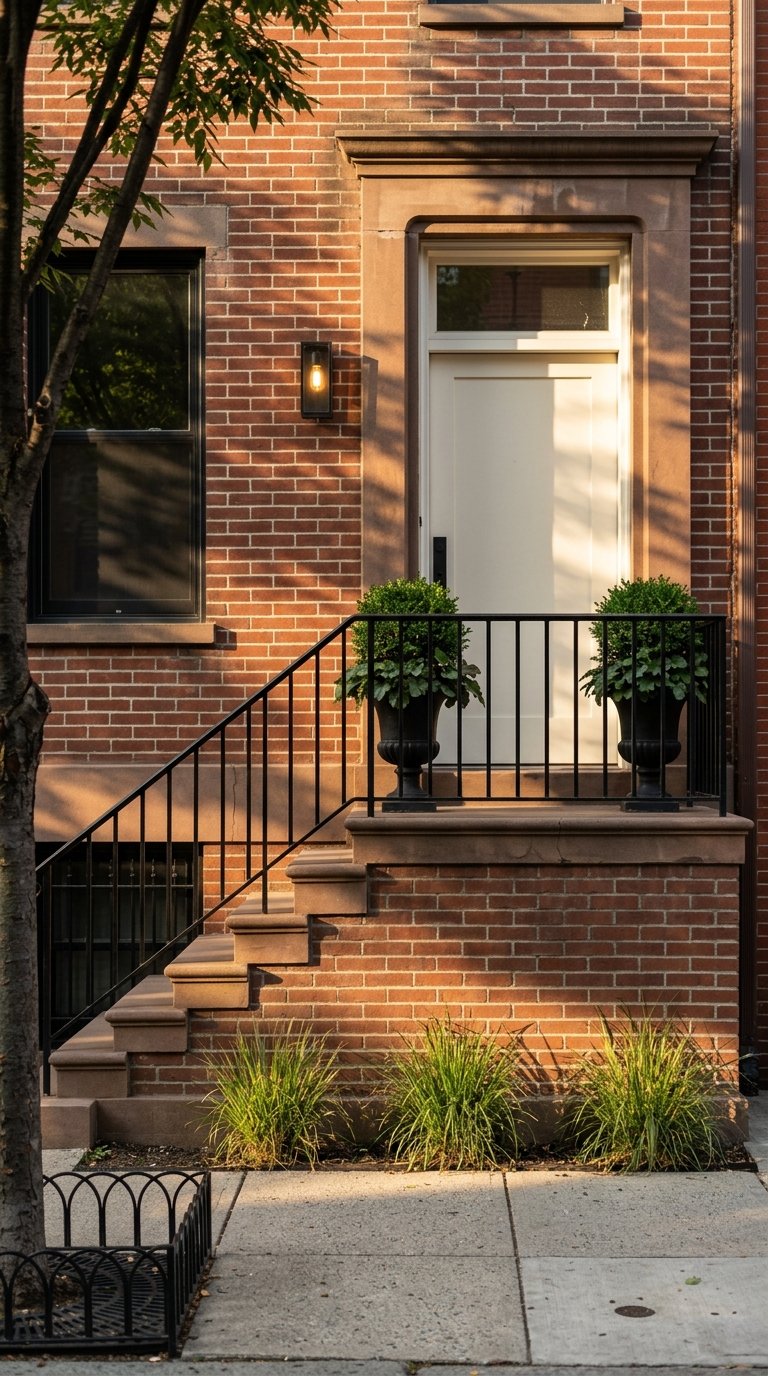
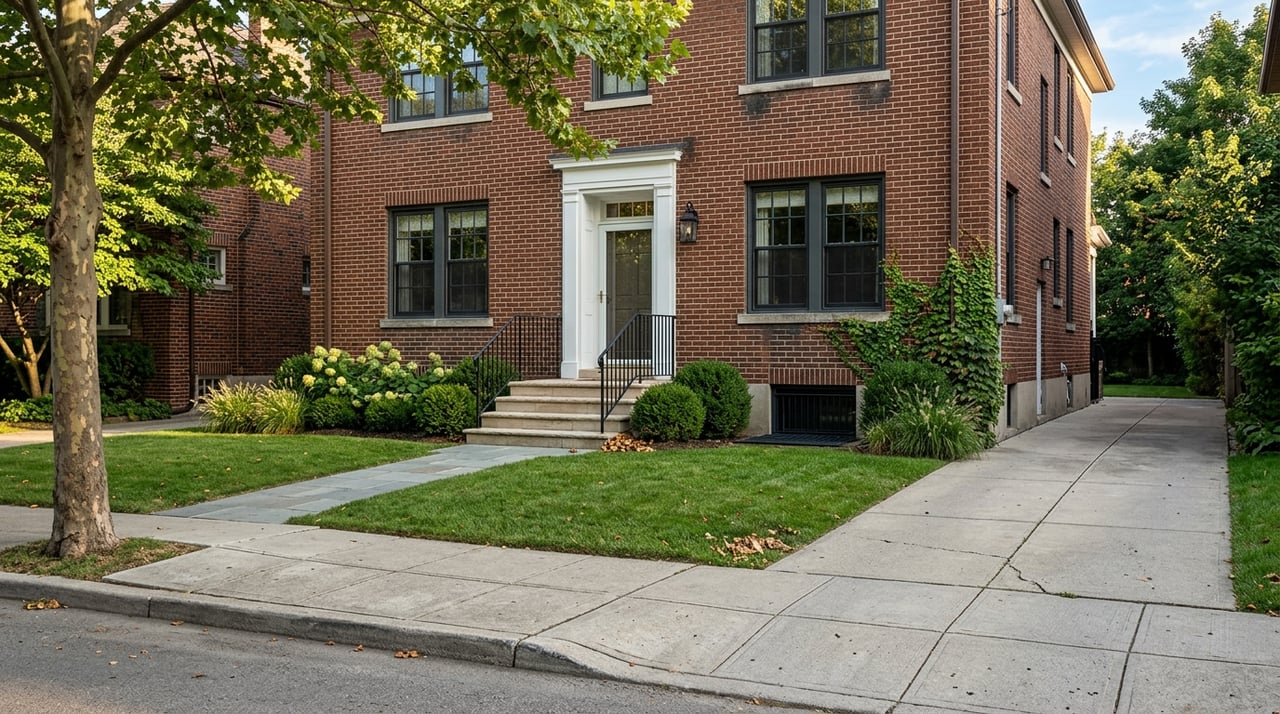
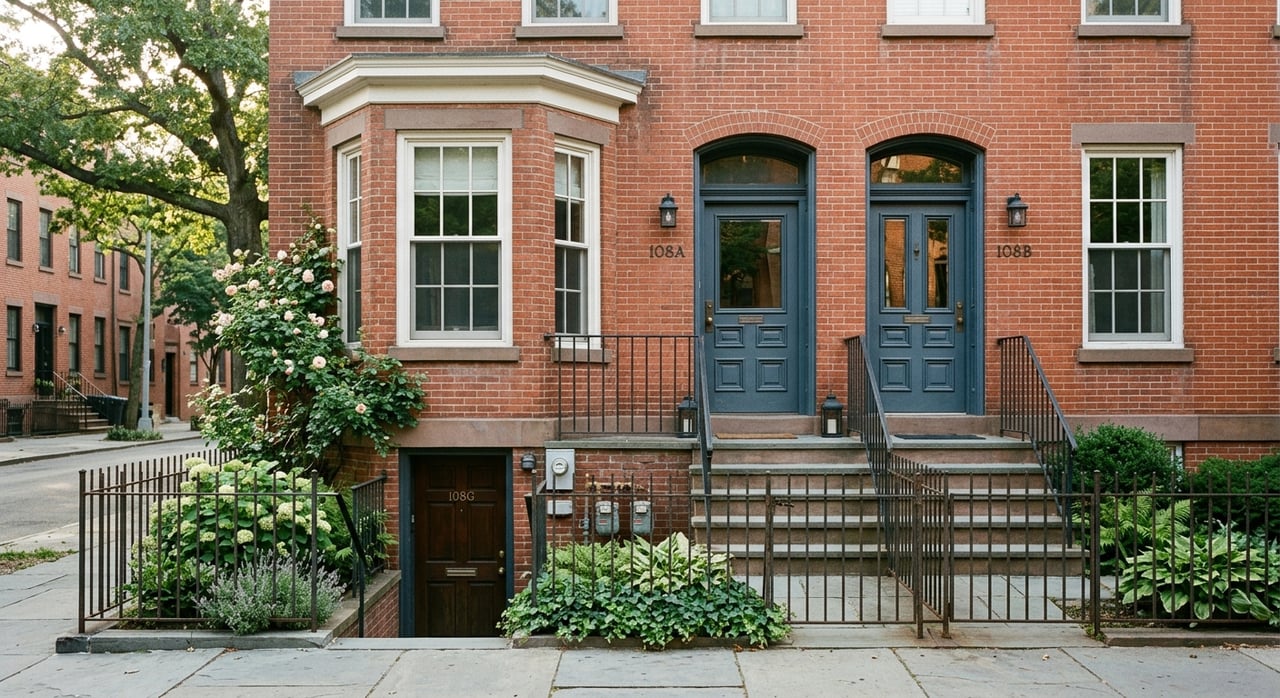
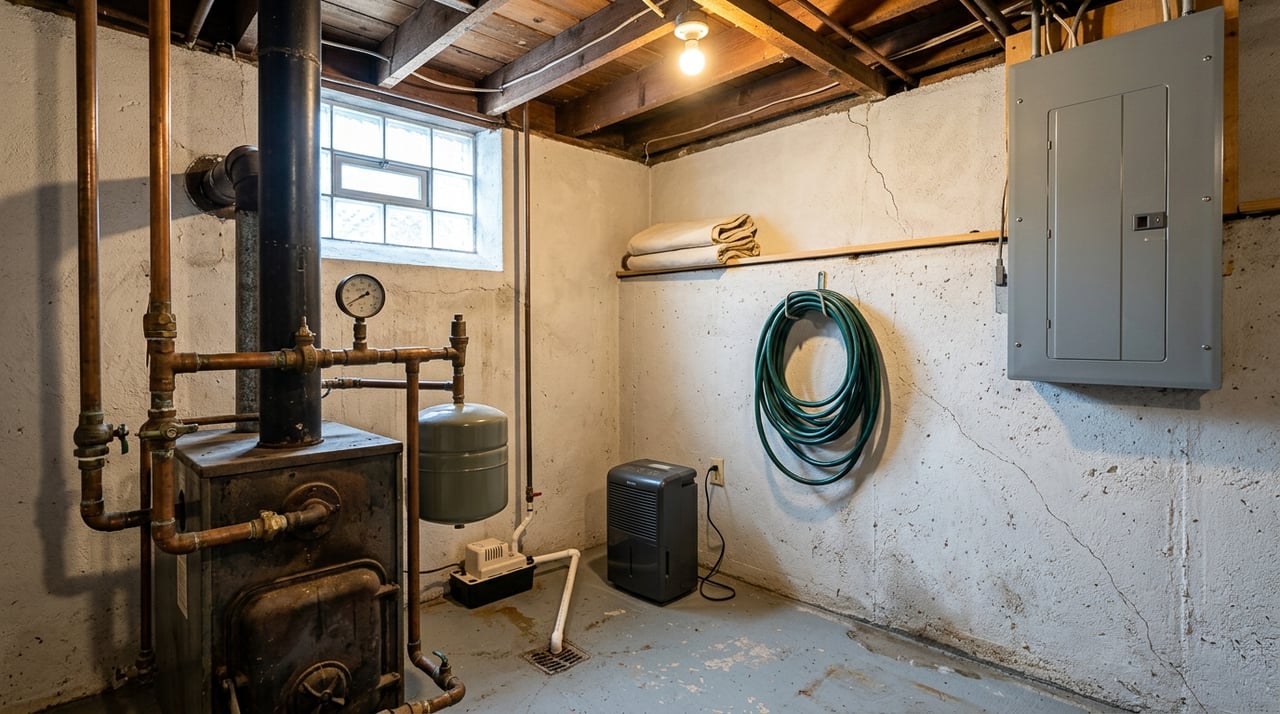
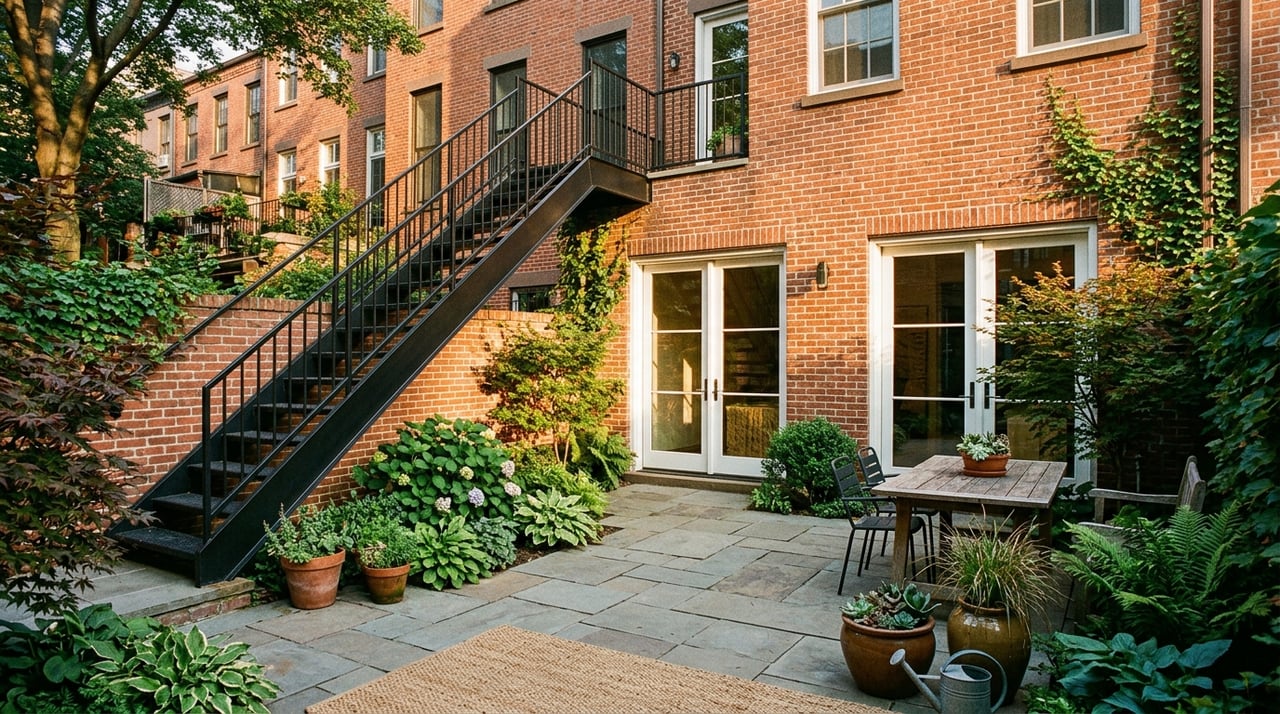
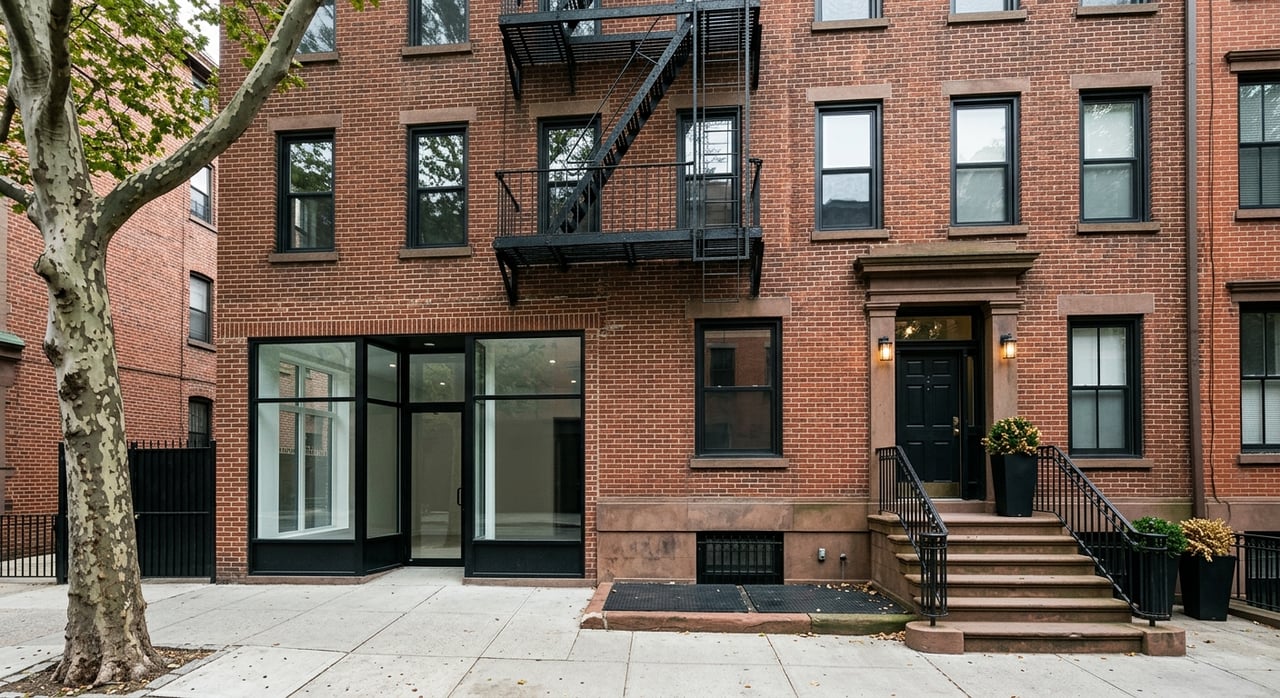
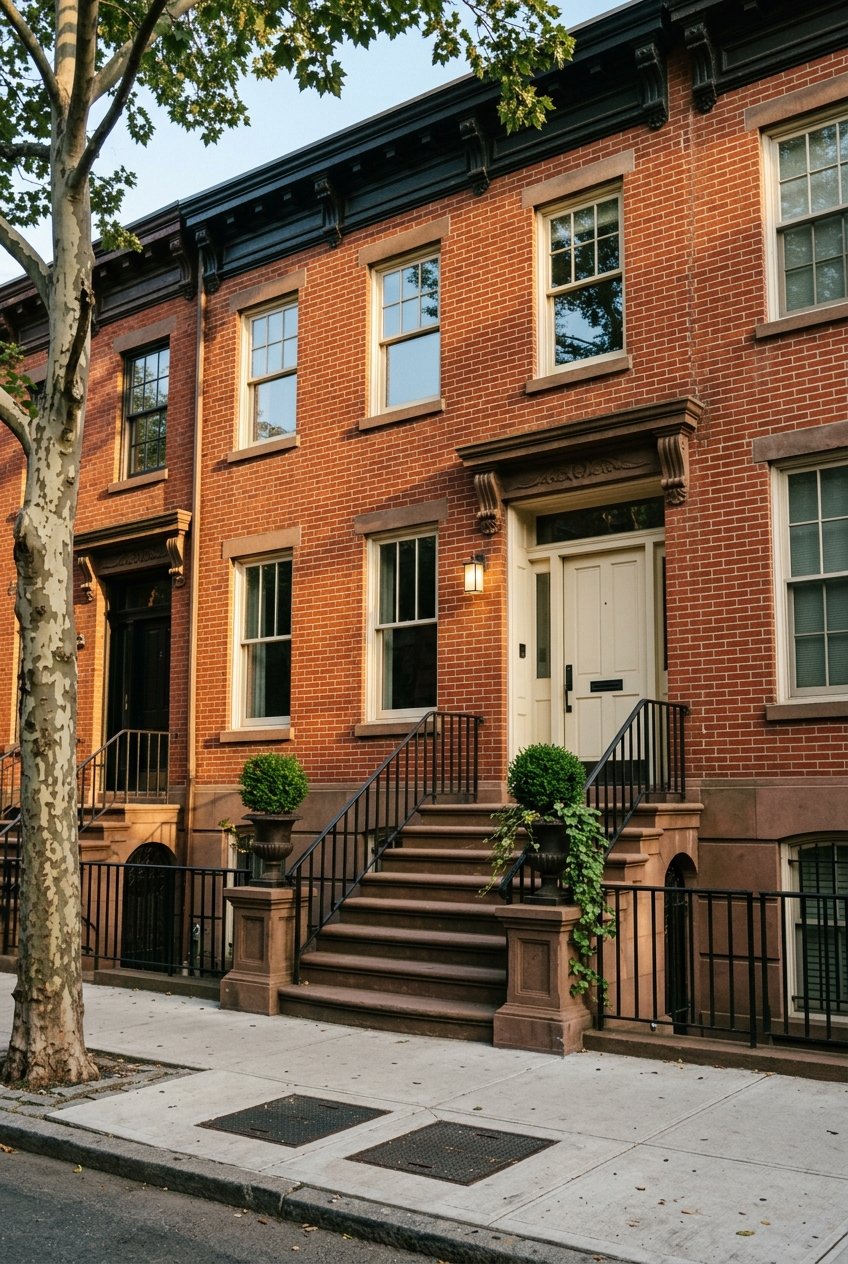
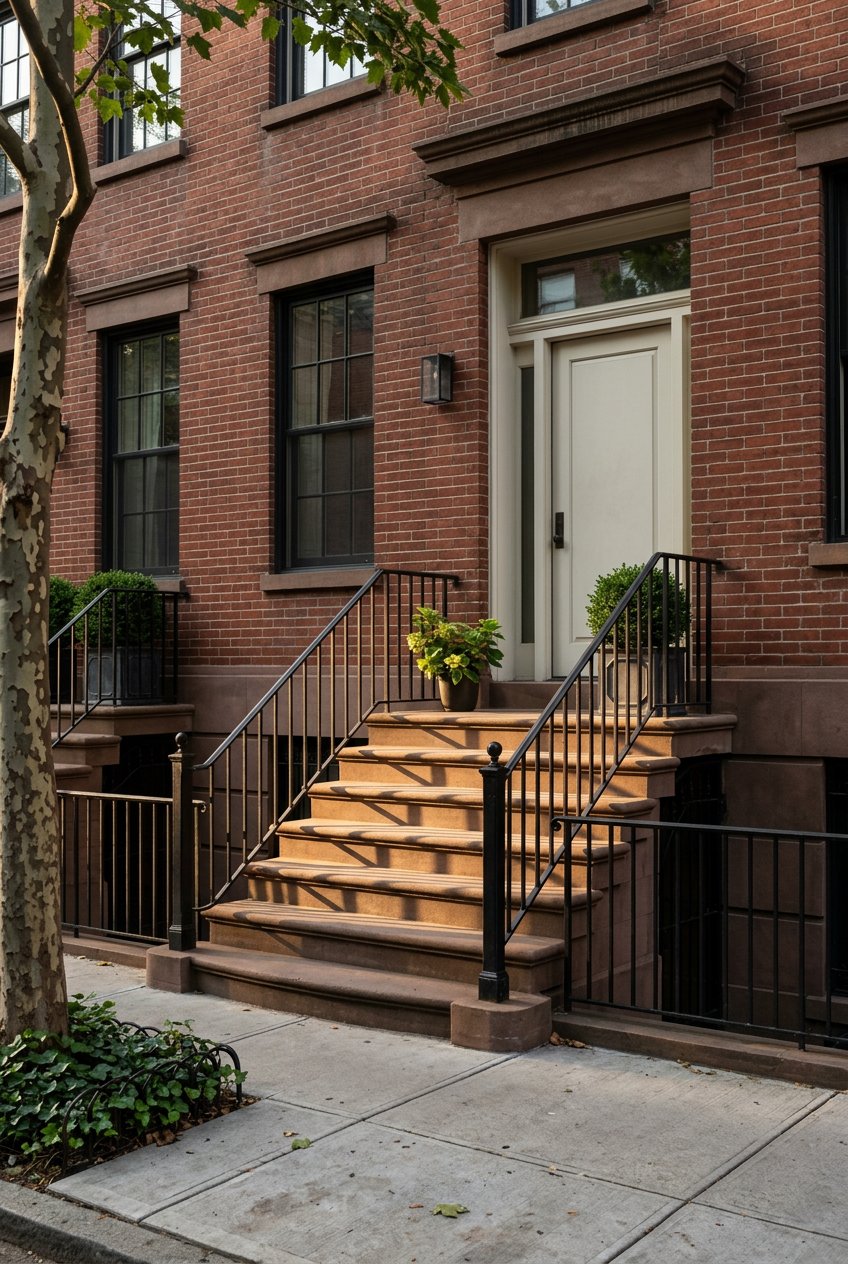
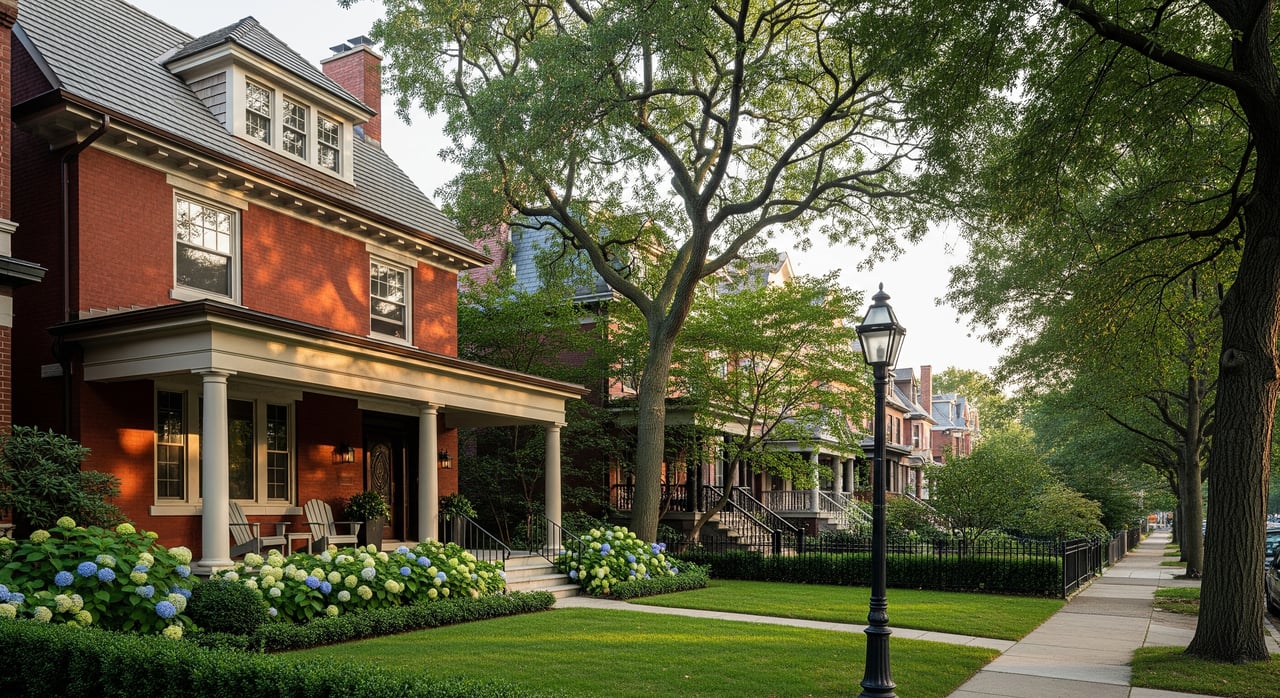
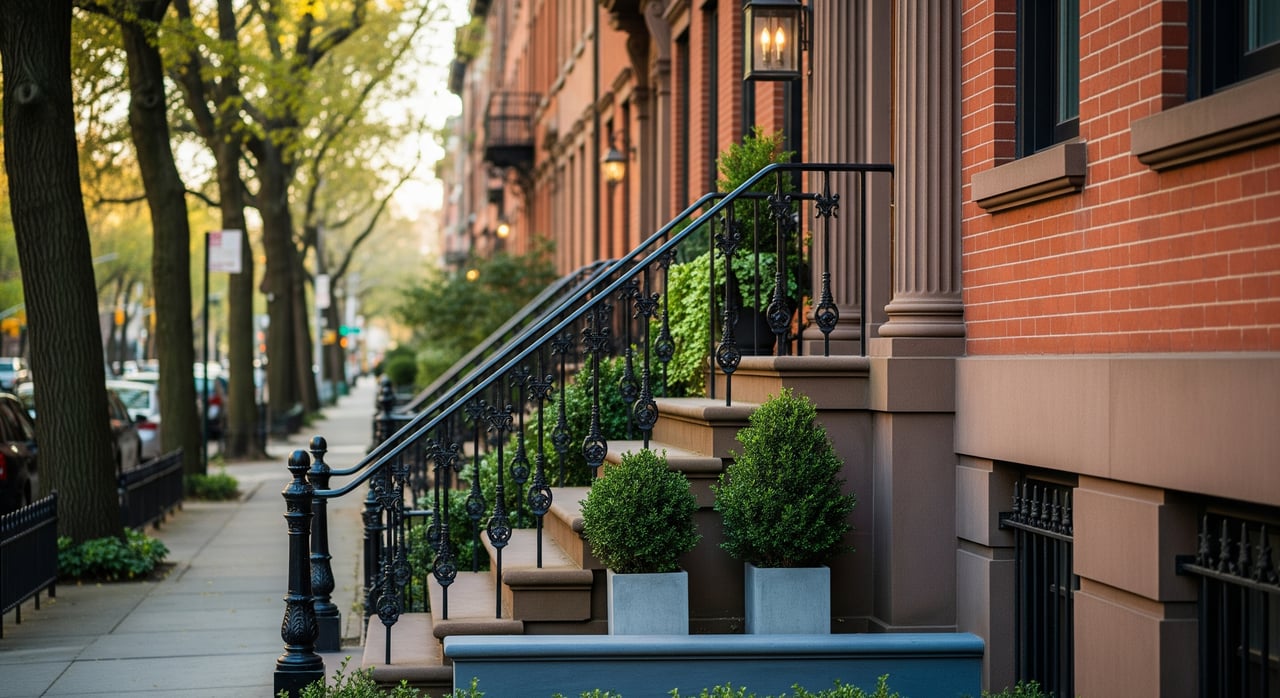
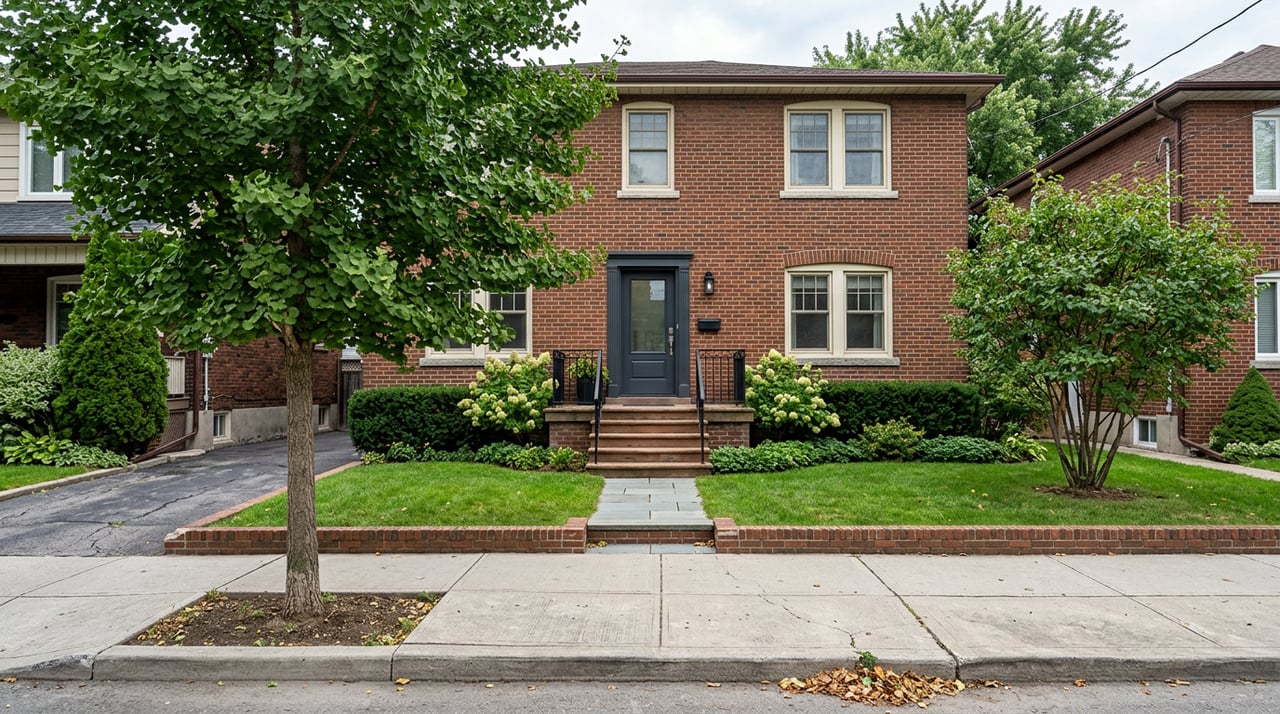
If you are coming from Manhattan or inner Brooklyn, you will likely notice more homes with basements, private backyards, and off-street parking. Many blocks feature detached or semi-detached houses, which bring a quieter, suburban-within-the-city feel. Elevators and high-rises are less common, and outdoor space is a more frequent feature.
Ownership versus rentals
Flatlands is often described as homeowner-heavy compared with denser Brooklyn neighborhoods. That can appeal if you value neighborhood continuity and a residential pace. To get a sense of the area’s tenure mix and long-term trends, review the Furman Center’s Flatlands–Canarsie data.
Price and rent signals
At the community level, recent profiles show median property values around the $700,000 mark, with neighborhood-level snapshots often landing in the high $600,000s to low $700,000s depending on the source and month. Rents vary by dataset and bedroom count, with historical medians in the low-to-mid thousands and more recent market asks for multi-bedroom apartments often higher. Use these as directional signals, then verify live pricing when you are ready to shop.
Commute and getting around
Subway and buses
Flatlands does not have a subway line running through its interior. Most residents use buses to connect to nearby subway hubs like Flatbush Avenue–Brooklyn College on the 2/5. Key routes include the B82 bus and the B41 along Flatbush Avenue. Expect bus-to-subway transfers to add time and some variability during peak hours.
Typical times and tips
Community-level data shows average commute times around 45 to 50 minutes in the Flatlands–Canarsie area, reflecting bus plus subway transfers or longer drives to job centers. You can review the commute breakdown on DataUSA’s CD18 profile. To set expectations:
- Time your exact door-to-desk route at rush hour.
- Build in a buffer for bus waits and connections.
- Consider whether a car will help for off-peak travel or weekend errands.
Daily life and amenities
Flatlands leans residential and low-key. Shopping corridors like Flatbush Avenue, Kings Highway, and Utica Avenue cover daily needs, while Kings Plaza serves as a nearby mall destination. For green space, Marine Park and the Paerdegat Basin area provide trails, fields, and water views, and many homes include private yards.
Brooklyn College sits just northwest of Flatlands, offering cultural events, continuing education, and a convenient landmark near the 2/5 subway terminal. If you want to visit campus or plan a transit-linked trip, start with Brooklyn College directions.
Schools and family resources
Public schools in southeast Brooklyn are zoned by address, and additional options include charter and private programs nearby. Because attendance zones and offerings change, always use the NYC DOE School Finder to check a specific address and review the latest school profiles. Families also tap into community organizations and after-school programming around Community District 18.
What will feel different
- Lower density and traffic noise than Manhattan, with more tree-lined, residential blocks.
- More houses with yards, basements, and driveways; fewer high-rises and elevators.
- Fewer walkable subway options; plan on bus-to-subway connections or driving for some trips.
- More off-street parking and higher car ownership share than inner Brooklyn neighborhoods.
- Practical shopping is close by, while dining and nightlife are mostly local and low-key.
Moving checklist for Flatlands
Permits and curb space
If your moving truck needs reserved curb space, confirm local rules in advance. Many movers can help, but if you manage it yourself, review guidance on temporary parking controls and signage, and contact NYC DOT or 311 for specifics. Start with NYC 311 and this plain-English overview of New York City moving permits. Also check alternate-side parking rules for your target block.
Building and property details
- Renting in a multi-unit: confirm elevator reservations, moving hours, insurance certificates, and loading access.
- Buying a house: verify property taxes, driveway access, and the legality of any curb cut.
- Ask your attorney and agent to review any building or lot-specific rules during due diligence.
First week orientation
- Do a daytime and evening walk to check lighting, grocery options, and bus stops.
- Test your commute on a weekday at peak hour from your exact address.
- Use the DOE School Finder to confirm zoning, then visit nearby schools and playgrounds.
How we help you relocate
Moving to Flatlands is about tradeoffs that can work in your favor if you plan well. Our team pairs neighborhood context with hands-on service so you can compare options with confidence. We guide first-time buyers, renters, and move-up sellers through financing, showings, offer strategy, and closing, and we connect you with trusted lenders and attorneys. For sellers, we bring Compass-grade marketing and staging coordination to help you list with confidence.
Curious what your budget can unlock on these blocks, or how to sequence a sell-and-buy move within Brooklyn? Reach out to schedule a friendly, no-pressure consult with Claudette Rolling. We are here to make your next step smoother.
FAQs
Is Flatlands cheaper than Manhattan for buyers and renters?
- In general, yes. Community and neighborhood trackers show lower median home values and rents in Flatlands than Manhattan, though the gap varies by property type and block. Use community data for direction, then verify live pricing as you shop.
What is the commute like from Flatlands to Manhattan?
- Community data shows average travel times around 45 to 50 minutes, reflecting bus-to-subway transfers or longer drives. Your exact door-to-desk time depends on your address and destination, so test it during rush hour.
Does Flatlands have subway service inside the neighborhood?
- Most of Flatlands does not have an internal subway line. Many residents take local routes like the B82 bus to connect with the 2/5 at Flatbush Avenue–Brooklyn College or other nearby lines.
Will I need a car if I live in Flatlands?
- Not strictly. Many households use buses and the subway, but car ownership is more common than in denser neighborhoods and can make errands and off-peak trips easier. Compare door-to-door times for your routine before you decide.
What types of homes are common in Flatlands?
- You will find many one- and two-family detached or semi-detached houses, plus small multi-family buildings and a few condo or co-op clusters. Private yards, basements, and driveways are more common than in inner Brooklyn or Manhattan.