Need more room but still want to stay in Brooklyn? Flatlands stands out for exactly that reason. If you are weighing space, layout, and day-to-day comfort against commute style and neighborhood feel, this area deserves a closer look. Below, you’ll get a practical look at why Flatlands can work when you need more breathing room, what kinds of homes you’re likely to find, and what everyday life here can really feel like. Let’s dive in.
Why Flatlands Appeals to Space-Seeking Buyers and Renters
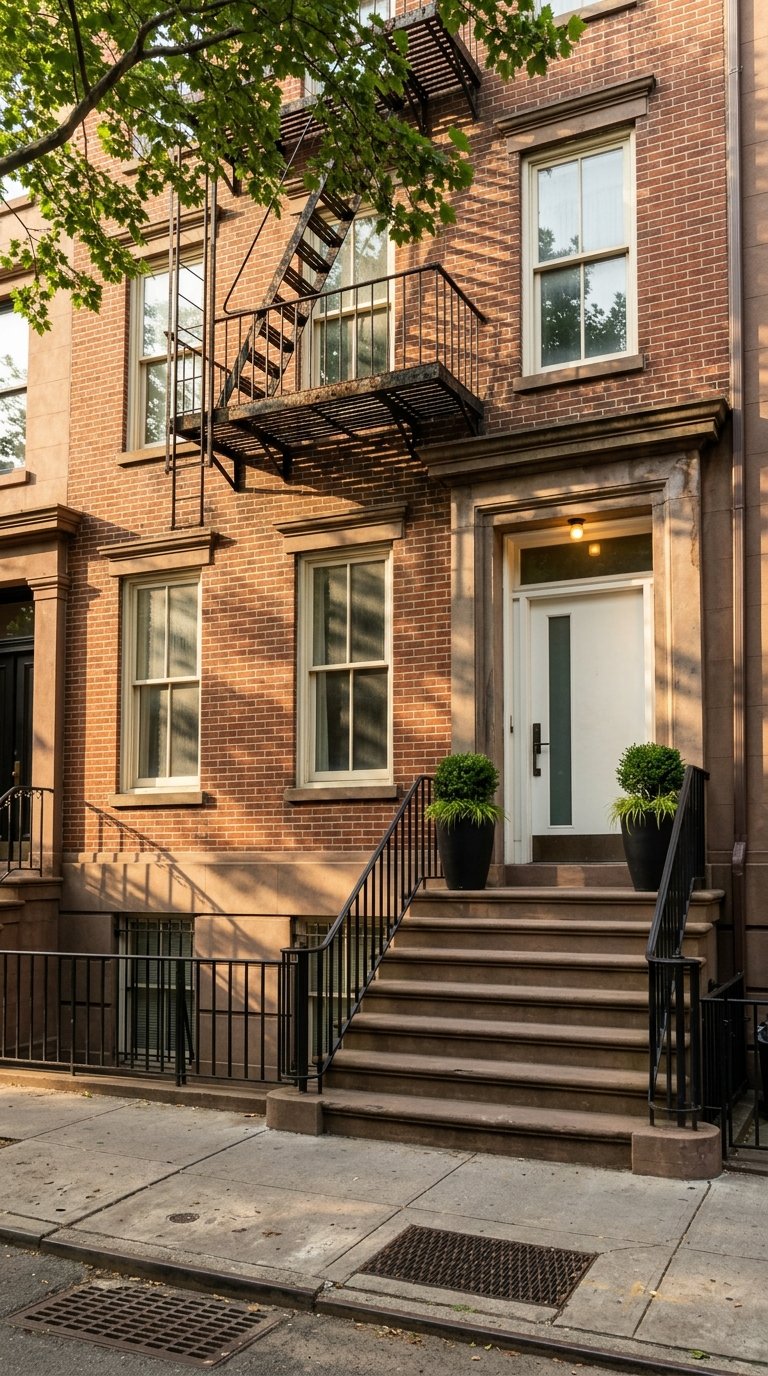
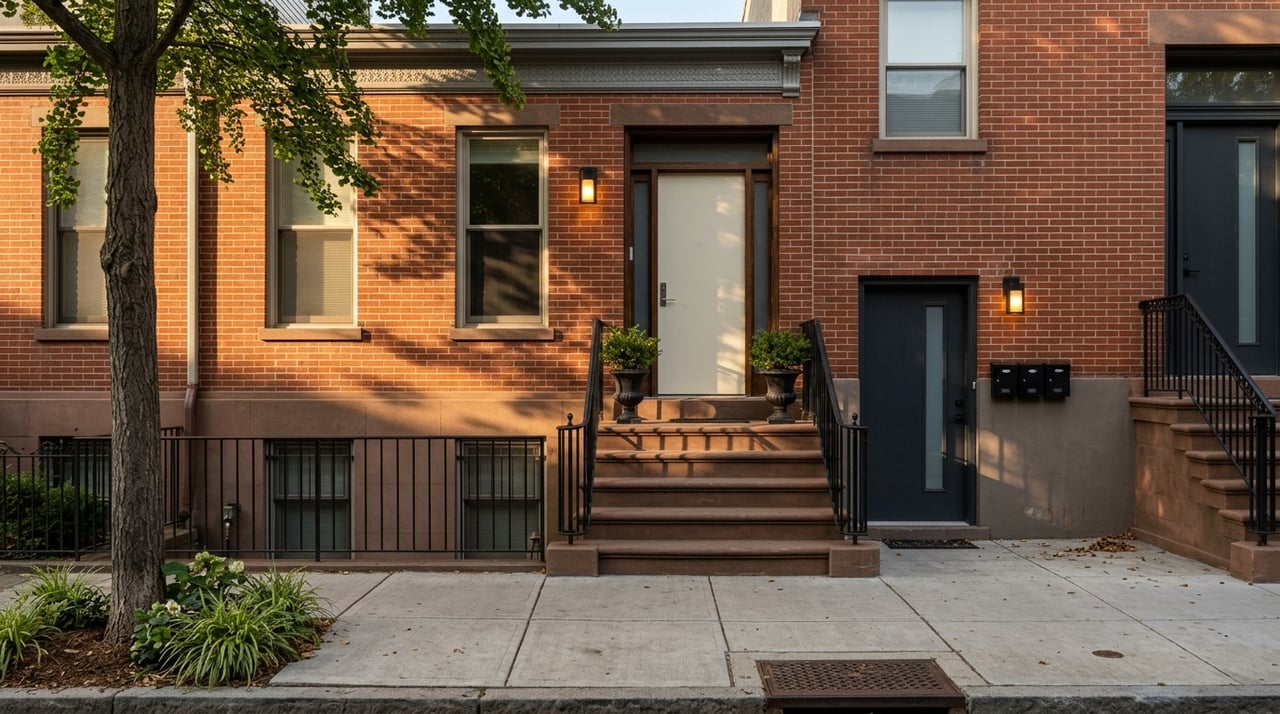
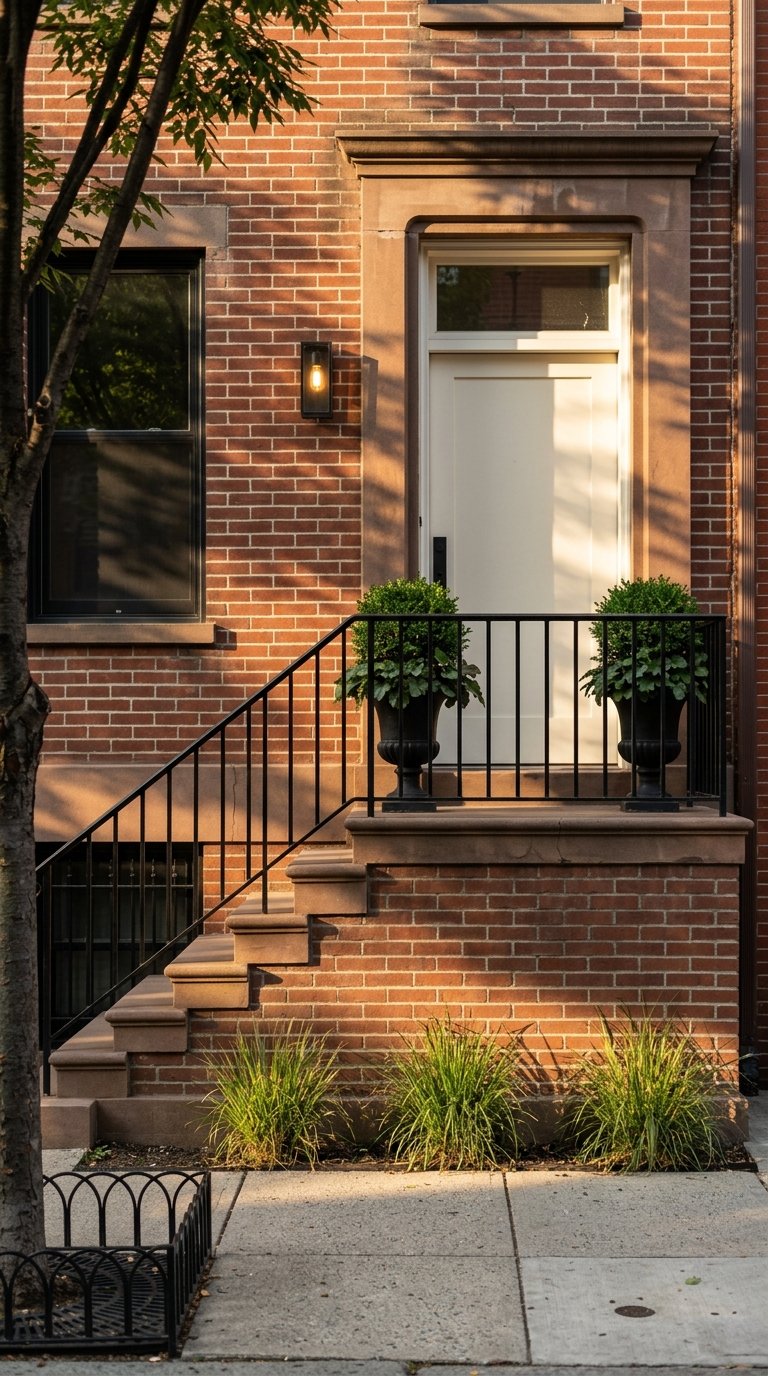
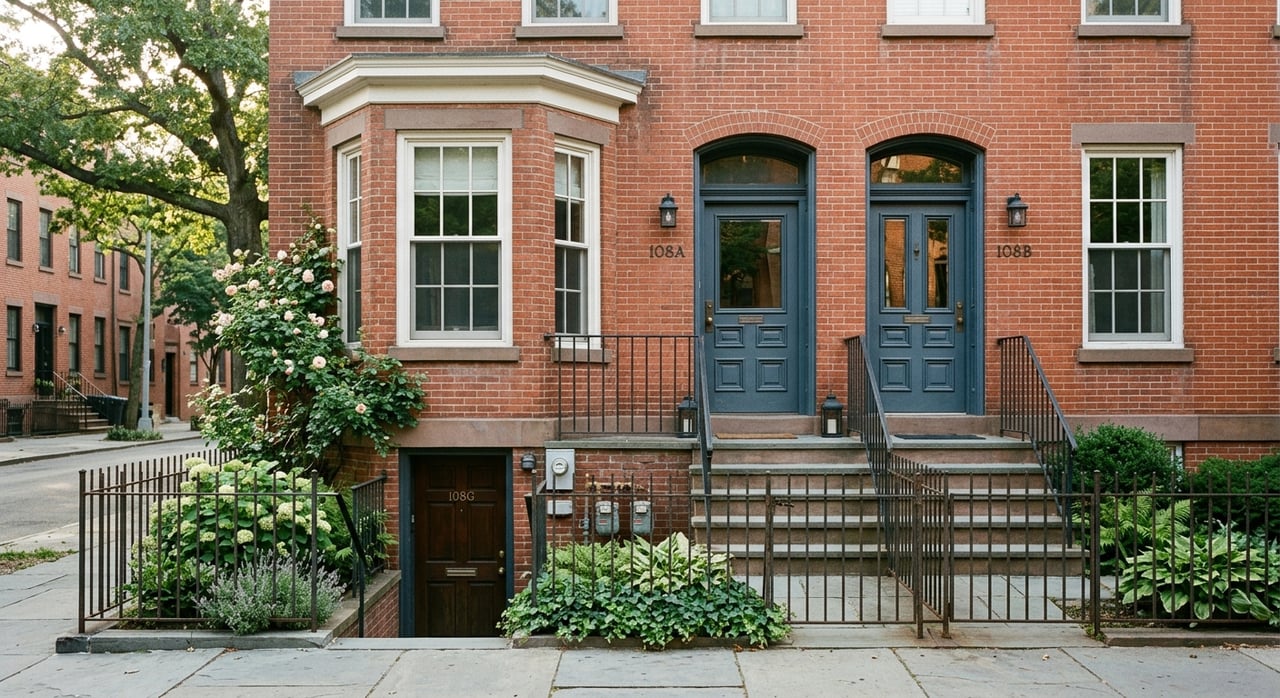
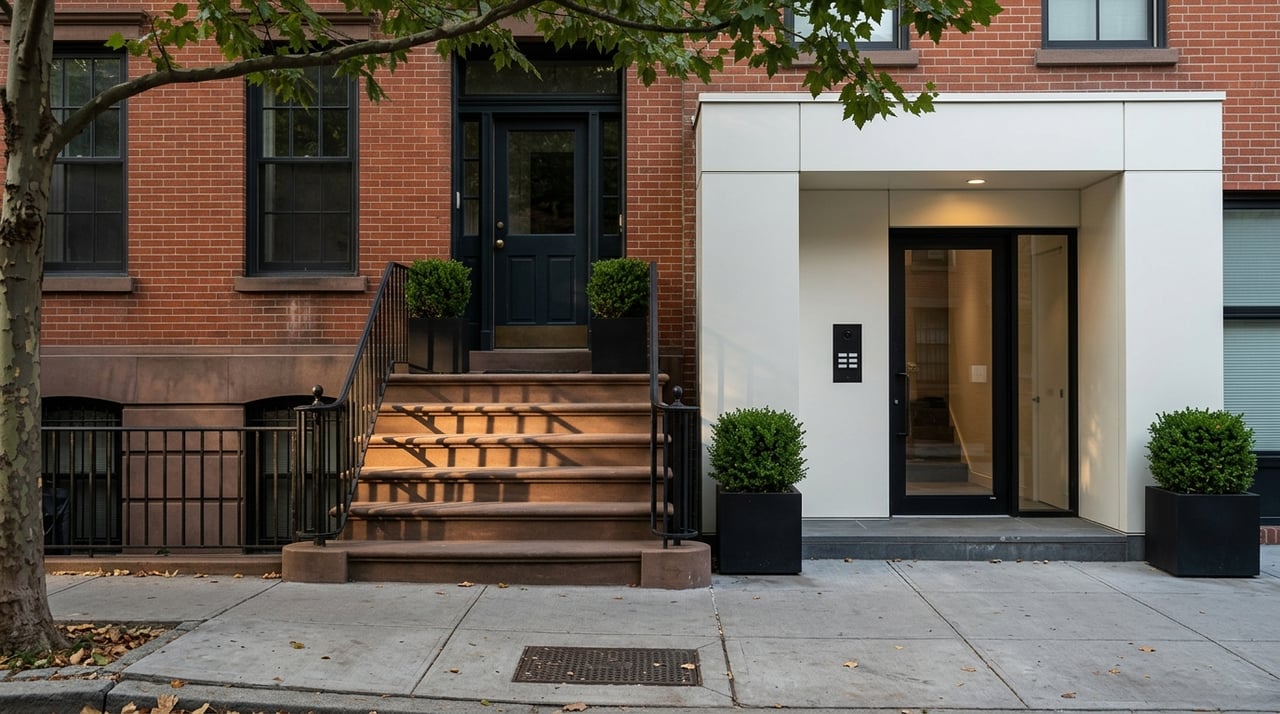
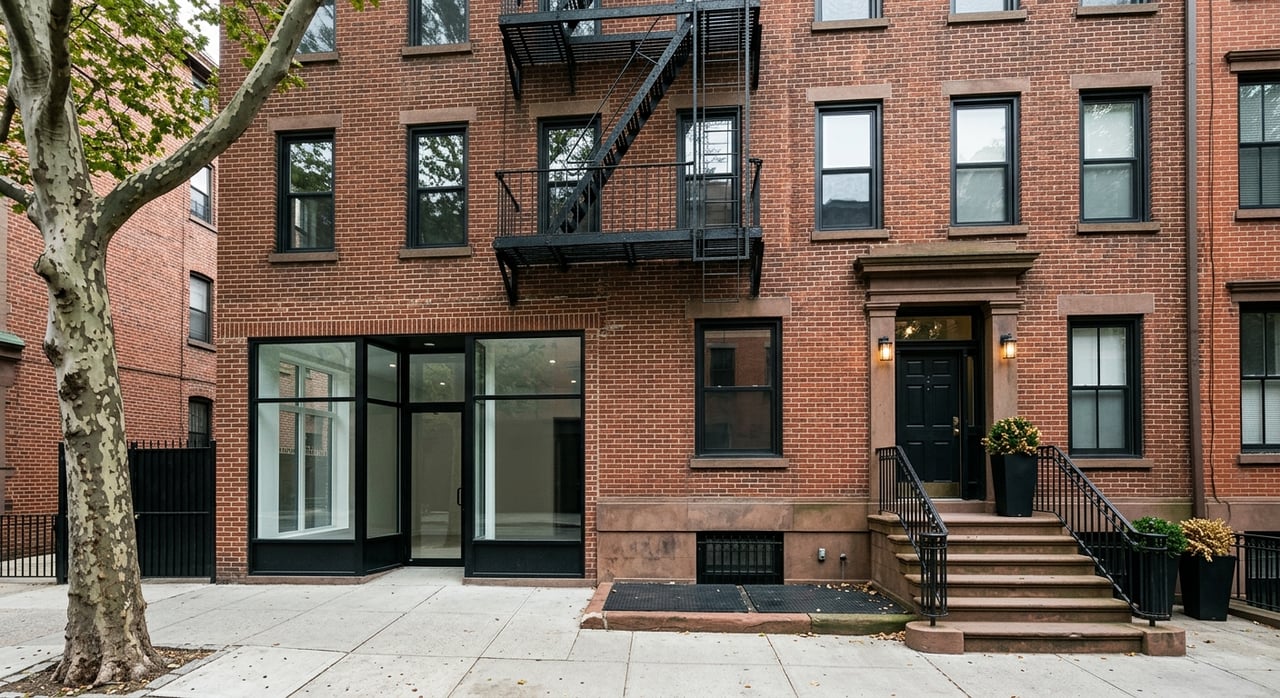
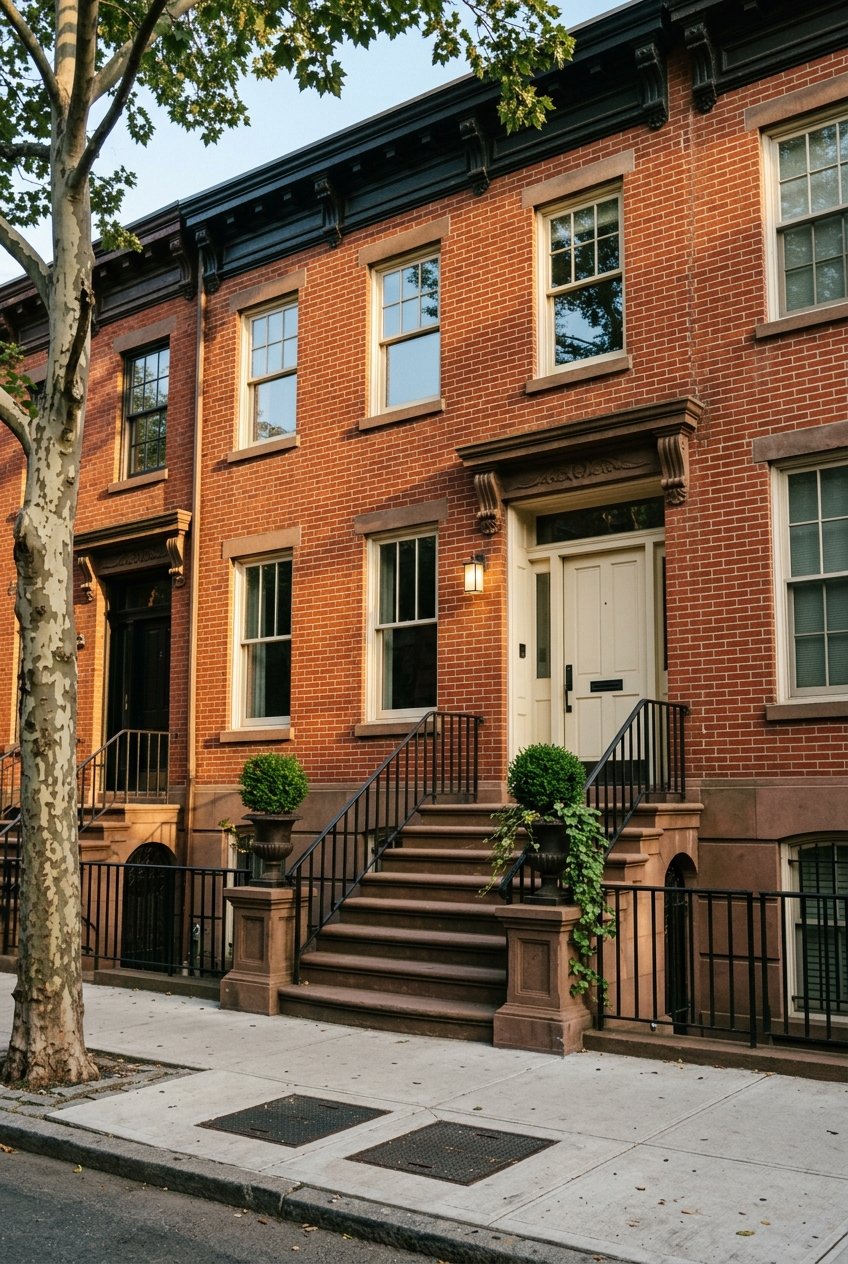
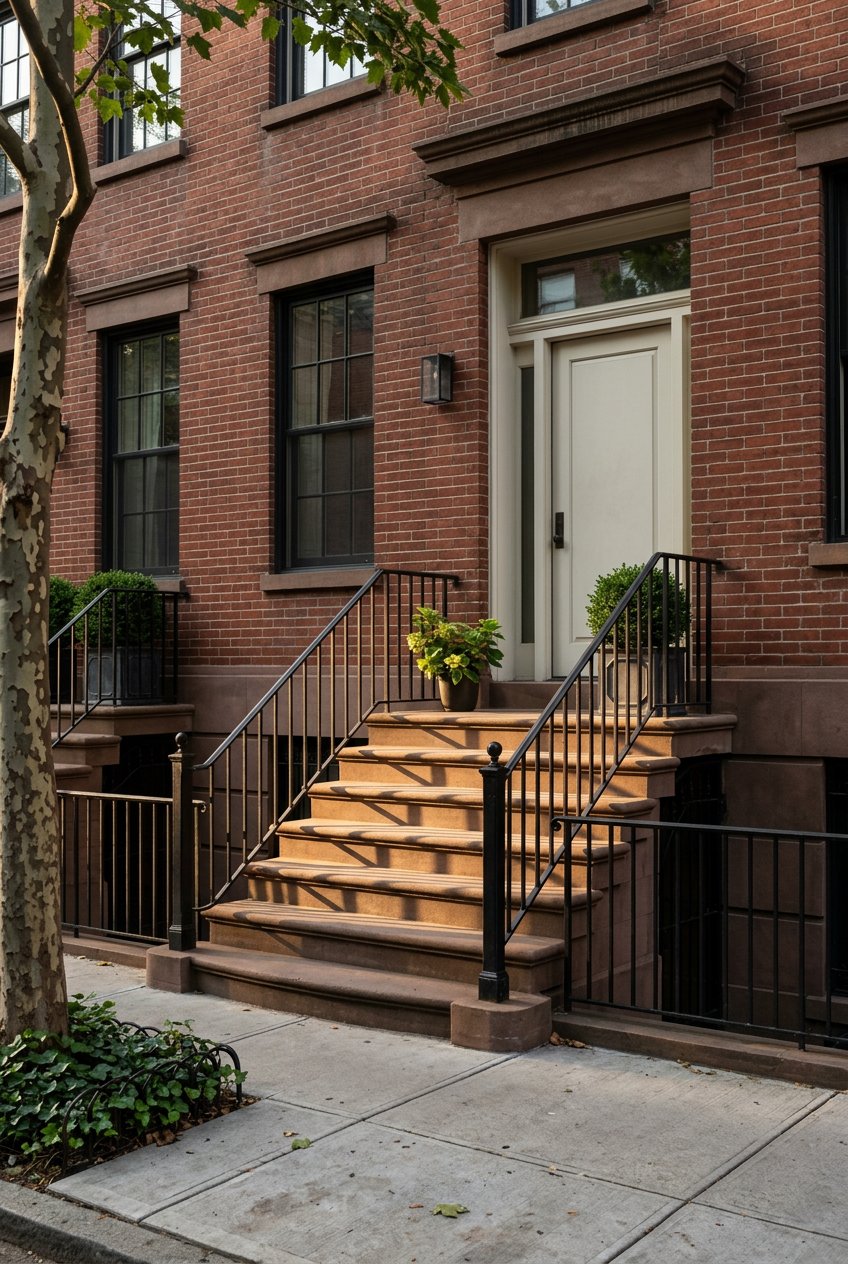
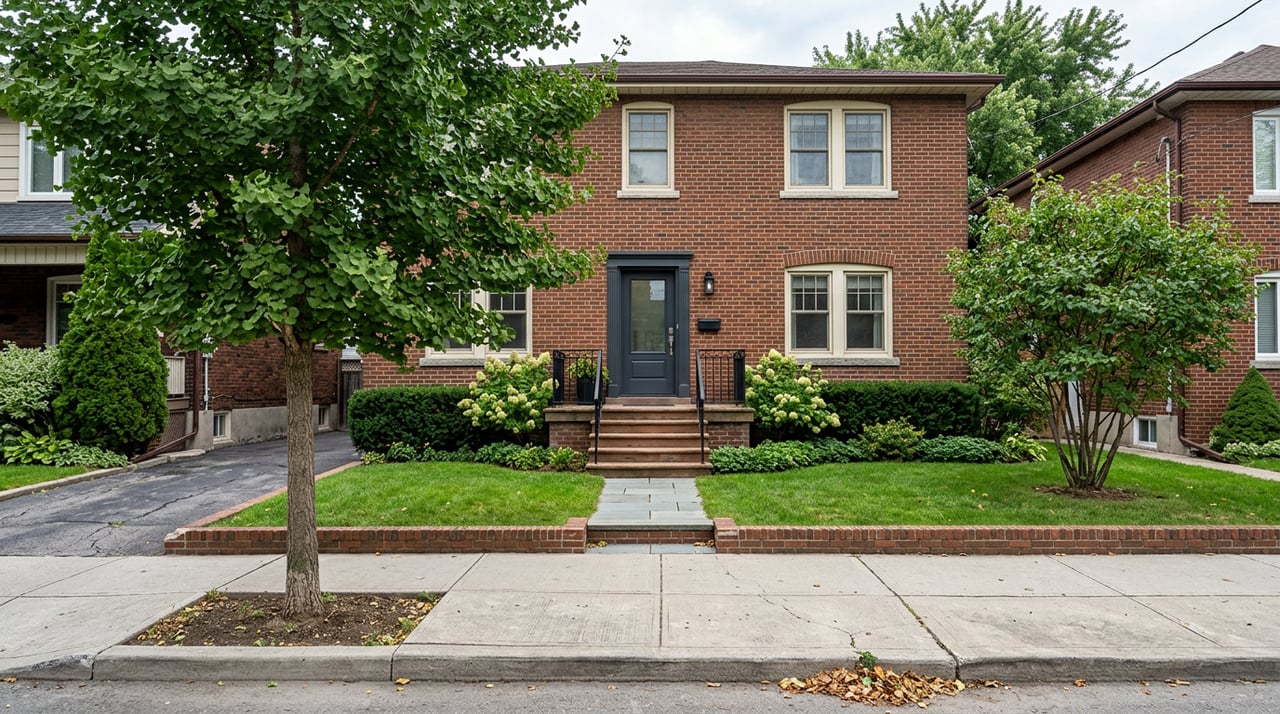
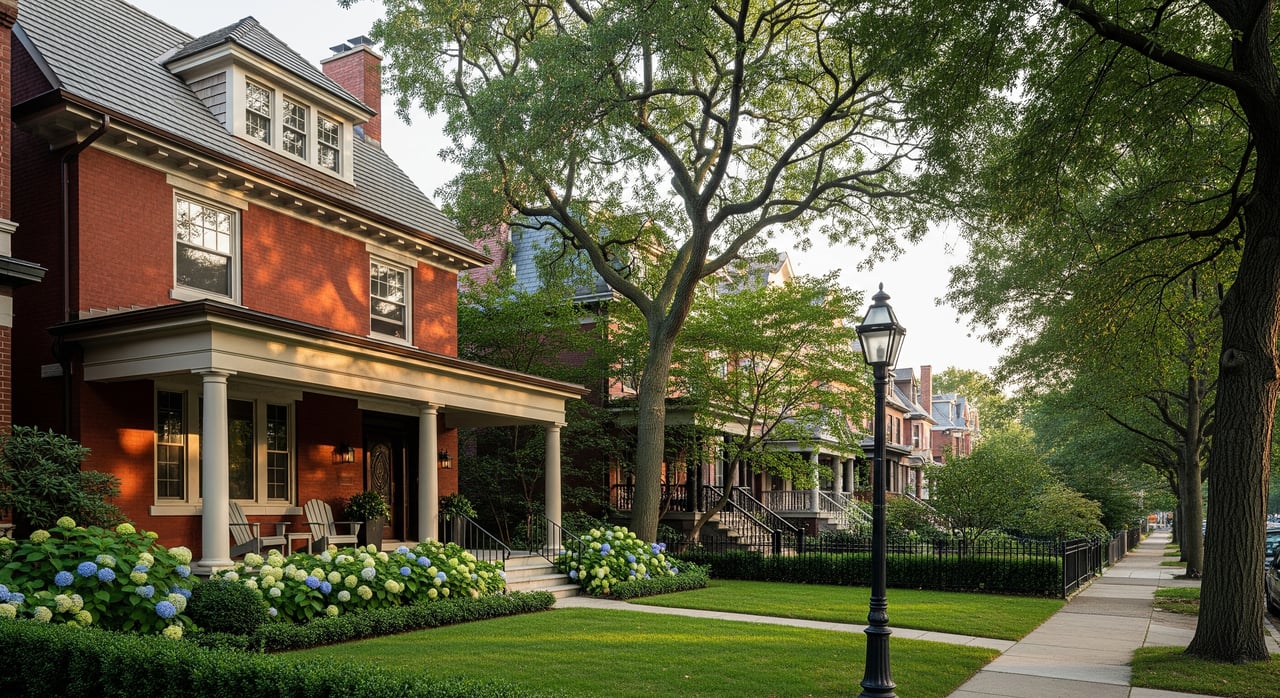
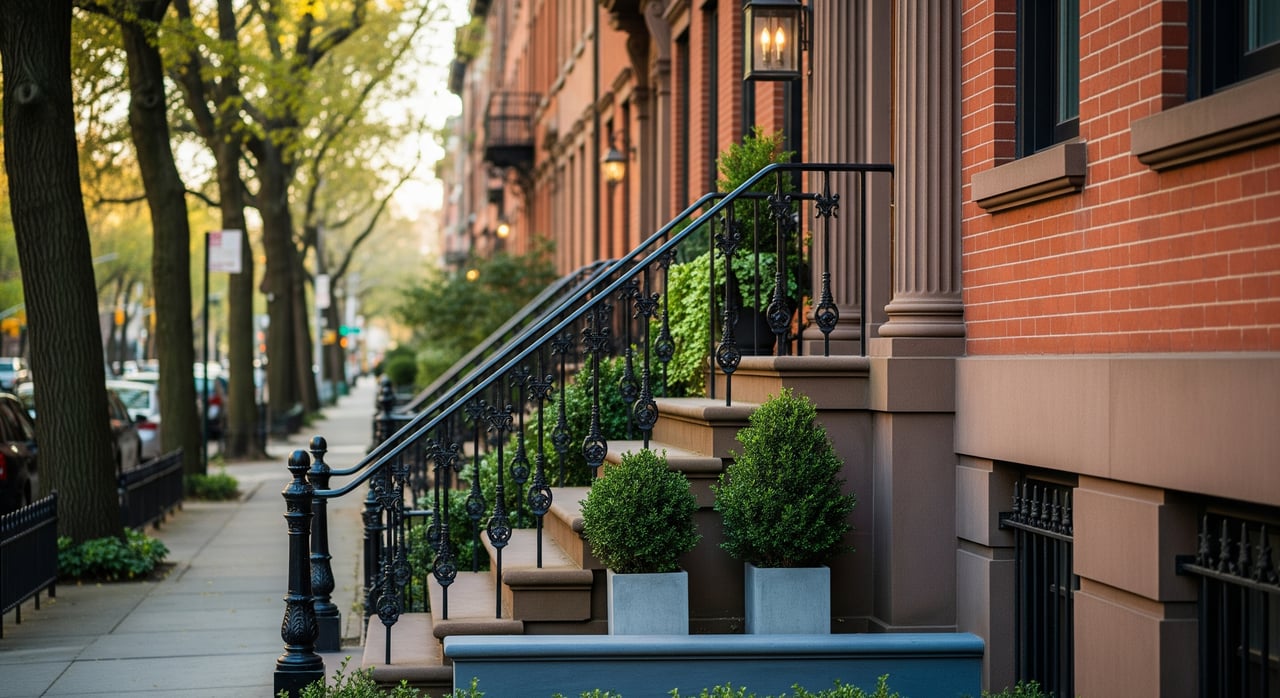
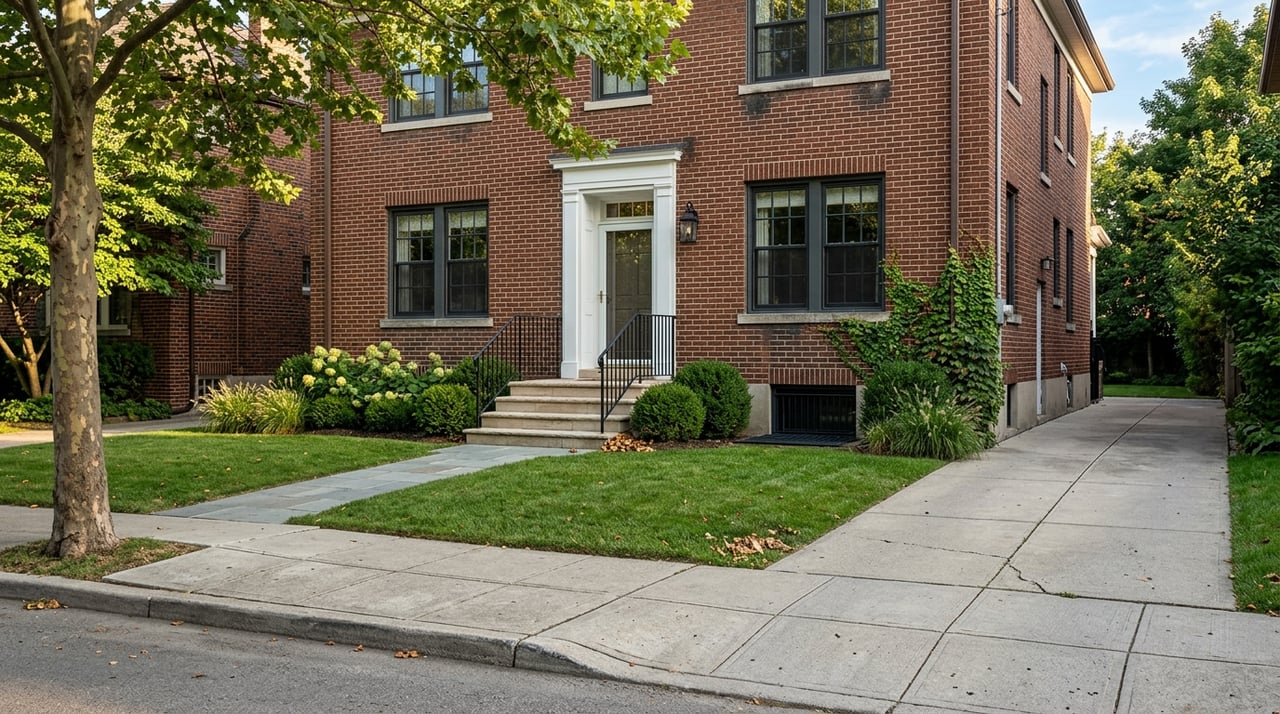
Flatlands has a different feel from many denser parts of Brooklyn. According to Brooklyn Community District 18 and a recent City Planning report, the neighborhood is known for predominantly one- and two-family homes, along with some mid-rise and multifamily buildings. That lower-rise pattern is a big part of why Flatlands often feels more open and residential.
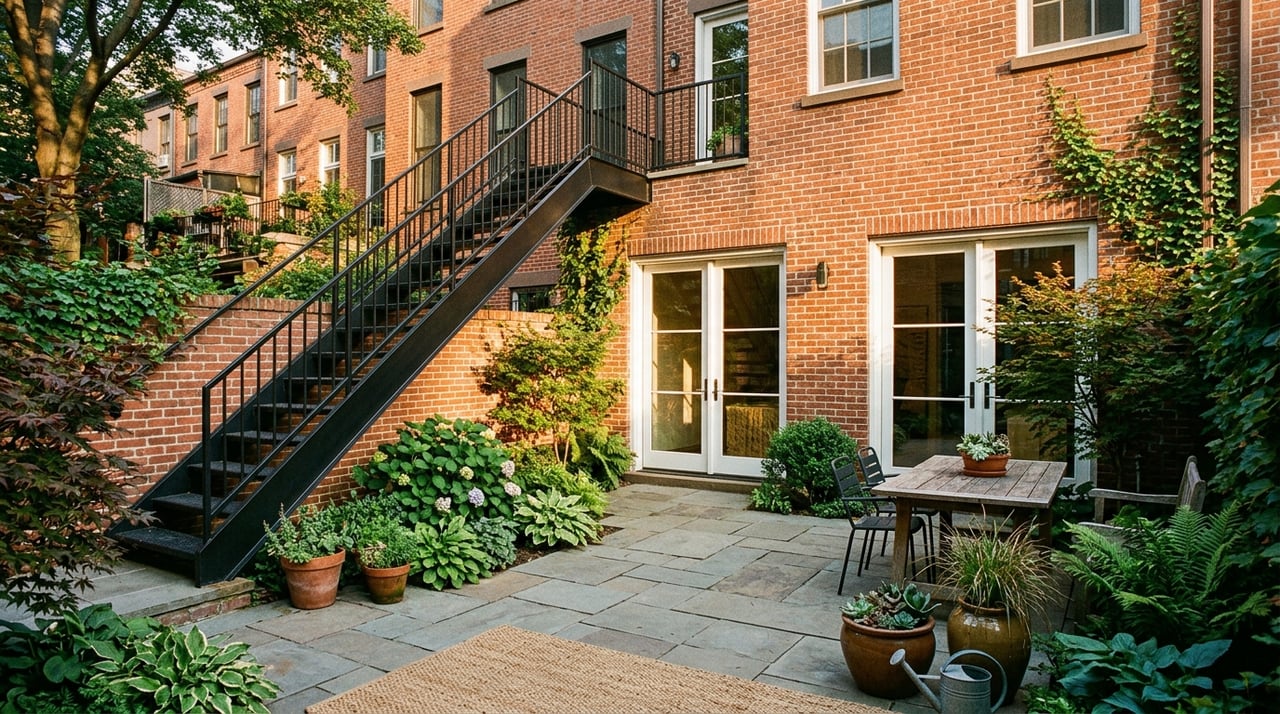
The housing mix helps explain that sense of space. Neighborhood-level ACS data shows a strong share of detached homes, attached homes, and two-unit buildings. Compared with more apartment-heavy parts of Brooklyn, that makes larger interiors and private outdoor space more plausible here.
If your priority is simply having more room to live, work, or grow into, Flatlands is worth serious consideration. It is the kind of neighborhood where the built environment itself supports that goal, not just the marketing language around it.
What the Housing Stock Tells You
The numbers paint a clear picture. In the available ACS housing profile for Flatlands, 17.6% of homes were 1-unit detached, 26.1% were 1-unit attached, and 25.8% were in 2-unit buildings. Only 21.5% were in buildings with 20 or more units.
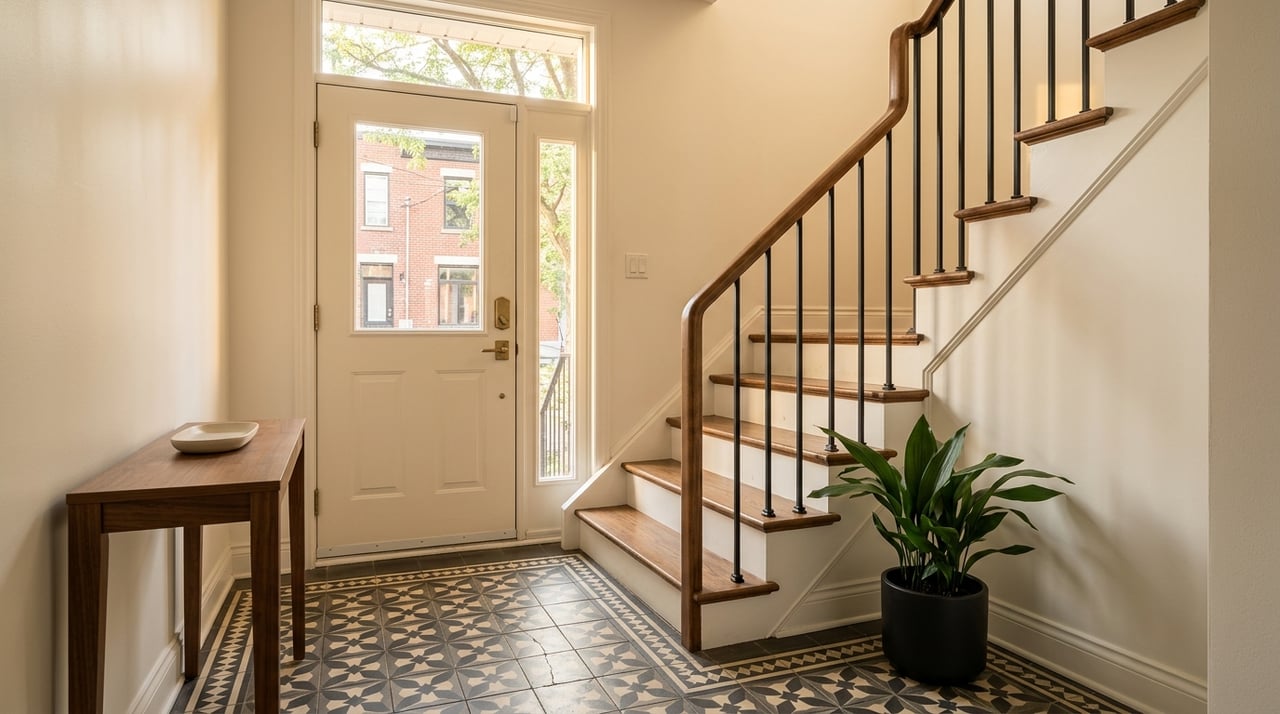
That mix matters if you are trying to move beyond a tighter apartment layout. It suggests you may have a better chance of finding homes with multiple floors, more storage, larger room sizes, or some separation between living areas. In practical terms, that can make a major difference for remote work, shared households, or anyone simply tired of making one room do everything.
Flatlands also has an older housing stock. The same data shows 45.1% of homes were built in 1939 or earlier, and another 22.1% were built in the 1940s. Older homes can come with character and more generous layouts, though the exact condition and updates will vary from property to property.
Bedroom Counts Support the Space Story
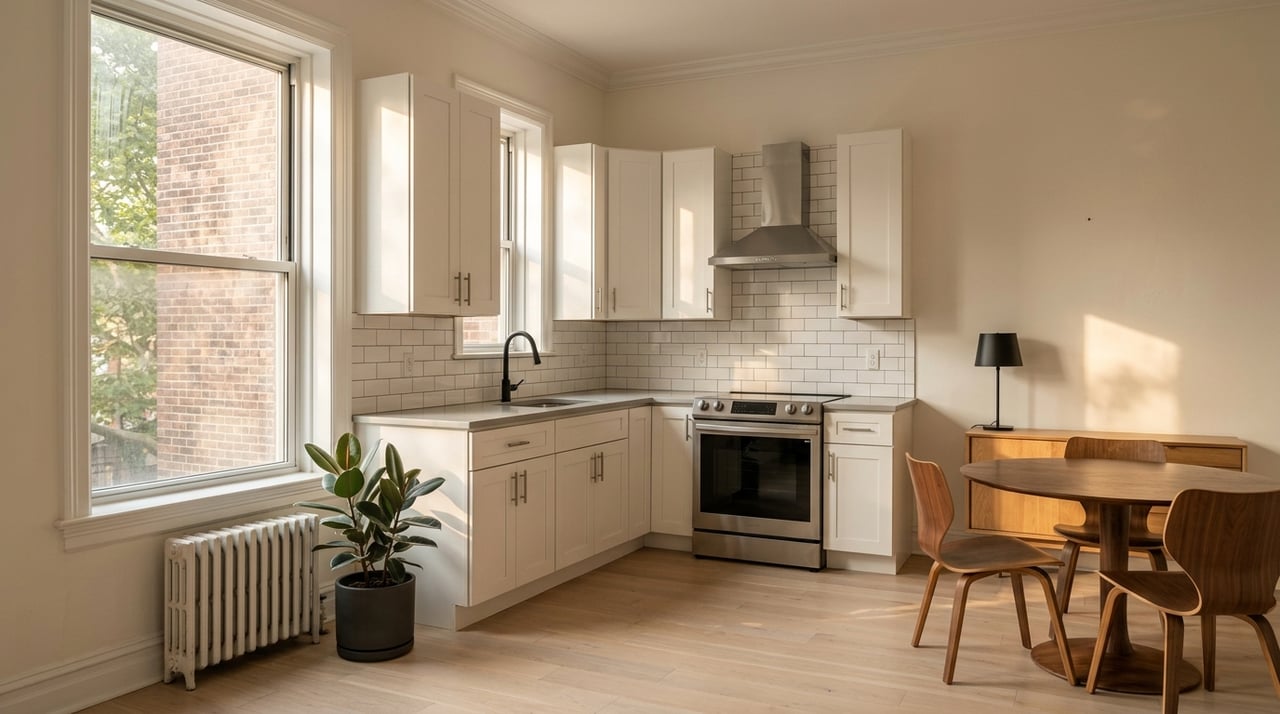
One of the strongest reasons Flatlands stands out is the number of larger units in the area. ACS data shows 41.7% of units had three bedrooms, 28.7% had two bedrooms, 8.3% had four bedrooms, and 3.3% had five or more bedrooms. Those figures support the idea that Flatlands works well for people who need more functional square footage.
That extra room can serve many purposes. You might want a true home office, a guest room, a playroom, or a separate level for extended household needs. Whatever your reason, Flatlands offers a housing profile that aligns better with those needs than many parts of Brooklyn where smaller units dominate.
For renters, this is especially relevant. In the broader Flatlands/Canarsie district, 2023 median rent was $1,820 for 2- and 3-bedroom units, compared with $1,570 for studios and 1-bedrooms. If you are deciding whether the jump in rent is worth it for more living space, Flatlands is one of the places where that tradeoff may feel more practical.
Ownership, Density, and Daily Comfort
Flatlands has a strong owner-occupied presence. The ACS profile shows 63.2% of occupied housing was owner-occupied, compared with 36.8% renter-occupied. While that does not define every block or every building, it does support the neighborhood’s reputation as a stable residential area with a lower-density feel.
There are also signs that household crowding is less intense here than in many parts of the city. The NYC Department of Health’s Canarsie-Flatlands report placed household crowding at 6.1% in 2019-23. For someone actively trying to avoid cramped living conditions, that is an important part of the picture.
This does not mean Flatlands is suburban or isolated. It means the neighborhood offers a version of Brooklyn living that can feel more manageable if space and day-to-day comfort are high on your list.
What Everyday Life in Flatlands Looks Like
Space is not only about what happens inside your home. It also matters what surrounds you when you step outside. City Planning describes Flatlands as a mixed-use neighborhood with access to everyday services along Flatlands Avenue, including restaurants, offices, beauty salons, event spaces, and grocery stores.
That local retail layer matters because it makes the neighborhood practical, not just residential. You can enjoy a lower-rise setting while still having useful errands and services close by. The Community Board description reinforces that same idea by noting commercial shopping alongside the area’s one- and two-family housing pattern.
Open space is part of the lifestyle too. Nearby civic and recreation assets named in the planning report include Jacob Joffe Fields, Fox Playground, and the 119-acre Paerdegat Basin Park. If your version of needing more space includes room to walk, recharge, or spend more time outdoors, those surroundings add value.
Flatlands Commute Reality
If you are considering Flatlands, it helps to go in with realistic expectations about transit. A 2025 City Planning report said the area is well served by buses, but is about 1.5 miles from the closest subway station at Flatbush Avenue-Brooklyn College on the 2 and 5 lines. In other words, this is not a neighborhood where most people expect a subway stop right at the corner.
That does not make it inconvenient. It just means your daily routine may rely more on bus routes, driving, or connecting trips. Current MTA route information shows important service options including the B82, B84, B103, BM2, and other Brooklyn routes that help connect Flatlands to surrounding areas.
The neighborhood’s vehicle data fits that pattern. In the ACS profile, 43.1% of households had one vehicle, 21.3% had two vehicles, and 30.3% had no vehicle available. That suggests many households here balance walking, buses, and cars rather than depending on one single mode of transportation.
Is Flatlands a Good Fit for You?
Flatlands may be a strong fit if you are searching for more bedrooms, more interior flexibility, or a lower-density streetscape while staying in Brooklyn. It can also make sense if you value practical neighborhood retail and open space, and you are comfortable with a bus-first commute pattern.
For buyers, that could mean targeting one-family, two-family, or lower-rise housing types that support your long-term space needs. For renters, it may mean looking closely at 2- and 3-bedroom options if your current apartment no longer fits your daily life. For small multi-family buyers, the neighborhood’s housing mix may also be worth exploring.
The key is to match the neighborhood to your lifestyle, not just your wishlist. More space often comes with tradeoffs in transit style, housing age, or inventory pace. But if your top priority is room to live more comfortably, Flatlands has a lot going for it.
What to Keep in Mind Before You Move
Inventory matters in a neighborhood like this. The broader Flatlands/Canarsie district added only 240 housing units from 2010 to 2024, according to the Furman Center profile. Limited new supply can affect how often the right home comes to market.
Renters should also note that the broader district had a 3.9% rental vacancy rate in 2023. That can mean fewer choices at any given moment, especially if you are focused on larger layouts. Planning ahead and being clear about your must-haves can help.
If you are buying, older homes and low-rise properties often require a close look at layout, condition, and how the space really functions for your household. A home that sounds large on paper may live very differently in person. That is where local guidance becomes especially valuable.
If you want help figuring out whether Flatlands gives you the right mix of space, convenience, and long-term value, Claudette Rolling can help you compare options and navigate the next step with clear, local guidance.
FAQs
Is Flatlands a good Brooklyn neighborhood when you need more space?
- Yes. Available housing and planning data show Flatlands has a lower-rise housing mix, with many one-family, two-family, and larger-bedroom homes that can better suit space-focused buyers and renters.
What types of homes are common in Flatlands, Brooklyn?
- Flatlands includes detached homes, attached homes, two-unit buildings, and some multifamily buildings. Public city sources describe it as a predominantly one- and two-family area with mixed-use corridors and some mid-rise development.
Are larger apartments and homes more common in Flatlands?
- In the neighborhood ACS profile, 41.7% of units had three bedrooms and 28.7% had two bedrooms, which supports Flatlands’ reputation as a place where larger layouts are more common than in many denser Brooklyn areas.
How do people commute from Flatlands, Brooklyn?
- Flatlands is generally bus-oriented. A recent City Planning report said the neighborhood is about 1.5 miles from the nearest subway station, and current MTA service includes routes such as the B82, B84, B103, and BM2.
What is everyday life like in Flatlands, Brooklyn?
- Flatlands combines a residential feel with practical neighborhood services. City Planning cites restaurants, grocery stores, offices, beauty salons, and event spaces along Flatlands Avenue, plus nearby open spaces like Paerdegat Basin Park.
Is Flatlands a good option for renters who want more room?
- It can be. The broader Flatlands/Canarsie district shows median 2023 rent of $1,820 for 2- and 3-bedroom units, which gives renters a useful benchmark when comparing larger layouts in the area.