Selling one home while buying the next can feel like trying to time two moving trains at once. If you own in Flatlands, the challenge is even more specific because this is a house-heavy market where pricing, timing, and due diligence can shift your plan fast. The good news is that with the right sequence and a realistic cash plan, you can reduce stress and avoid expensive surprises. Let’s break down how to coordinate your sell-and-buy move in Flatlands.
Why Flatlands timing is unique
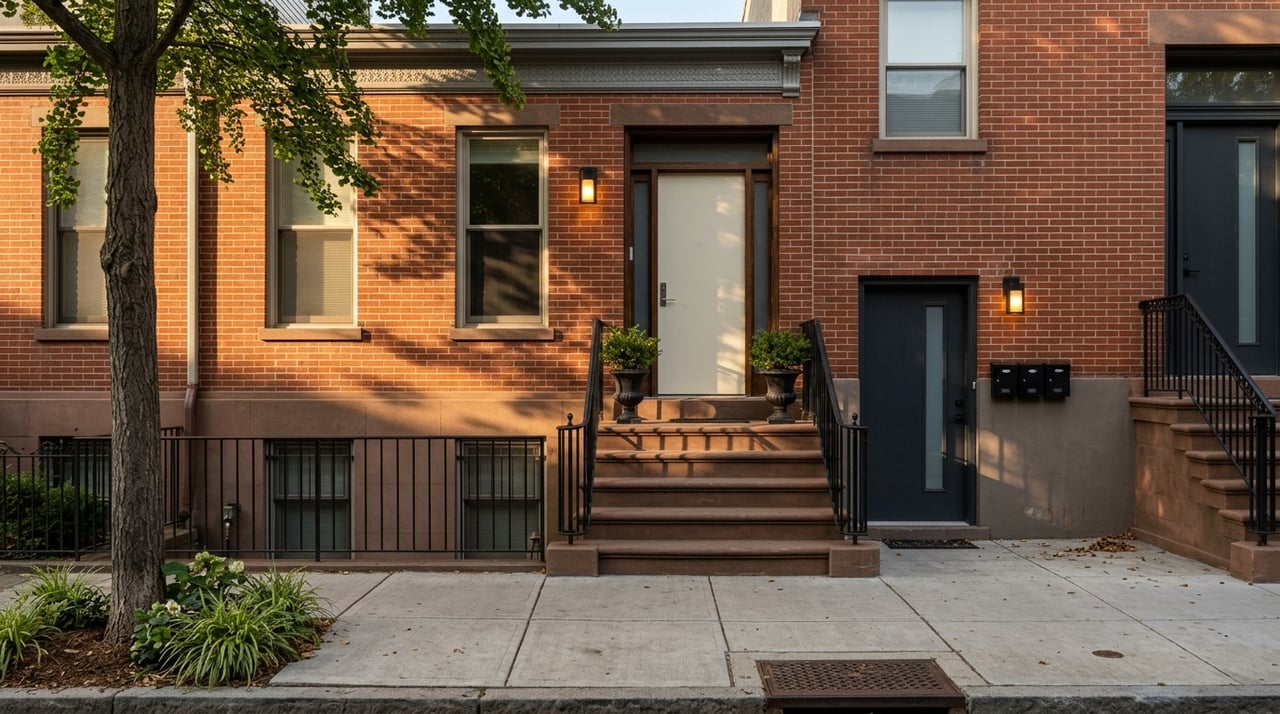
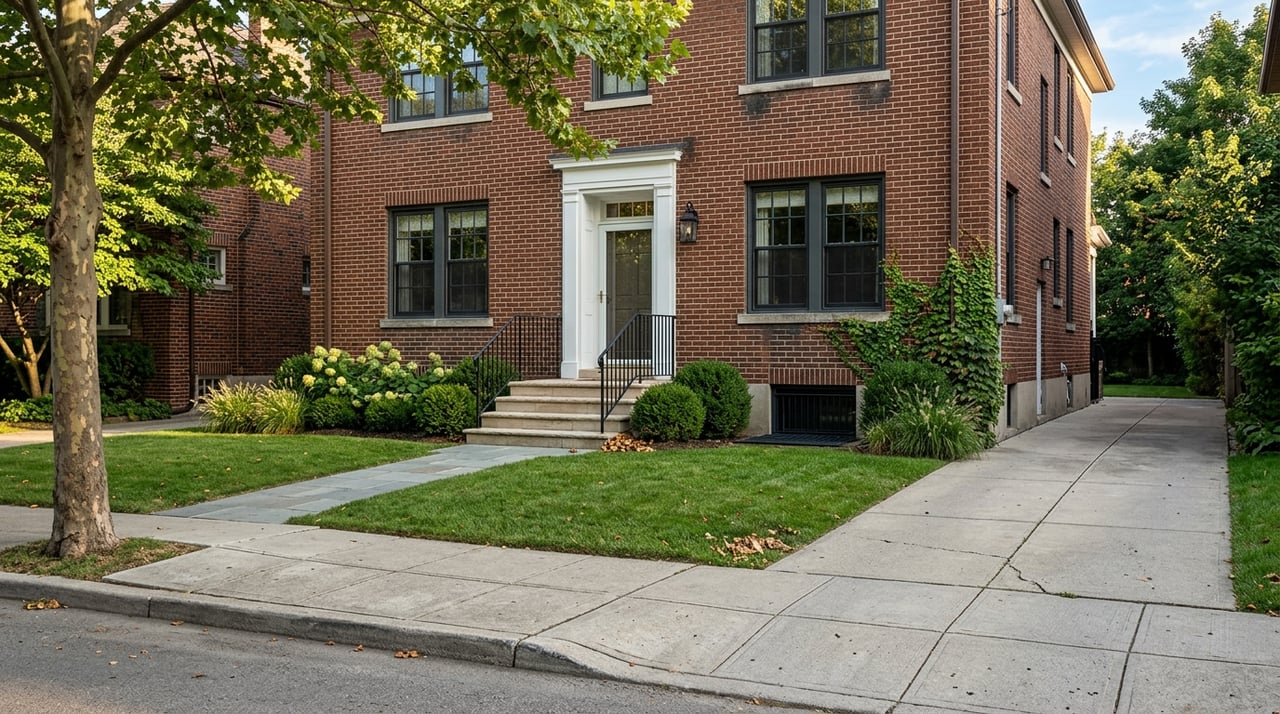
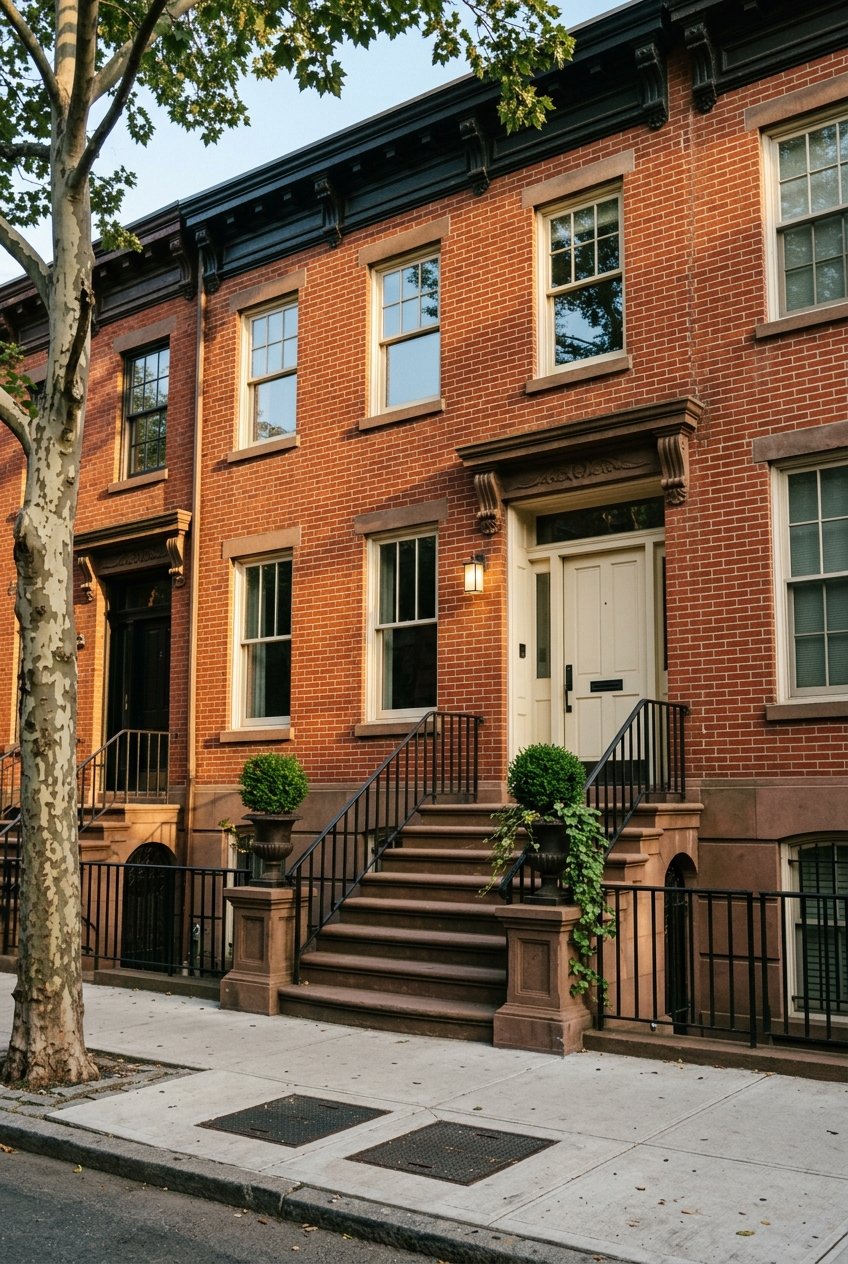
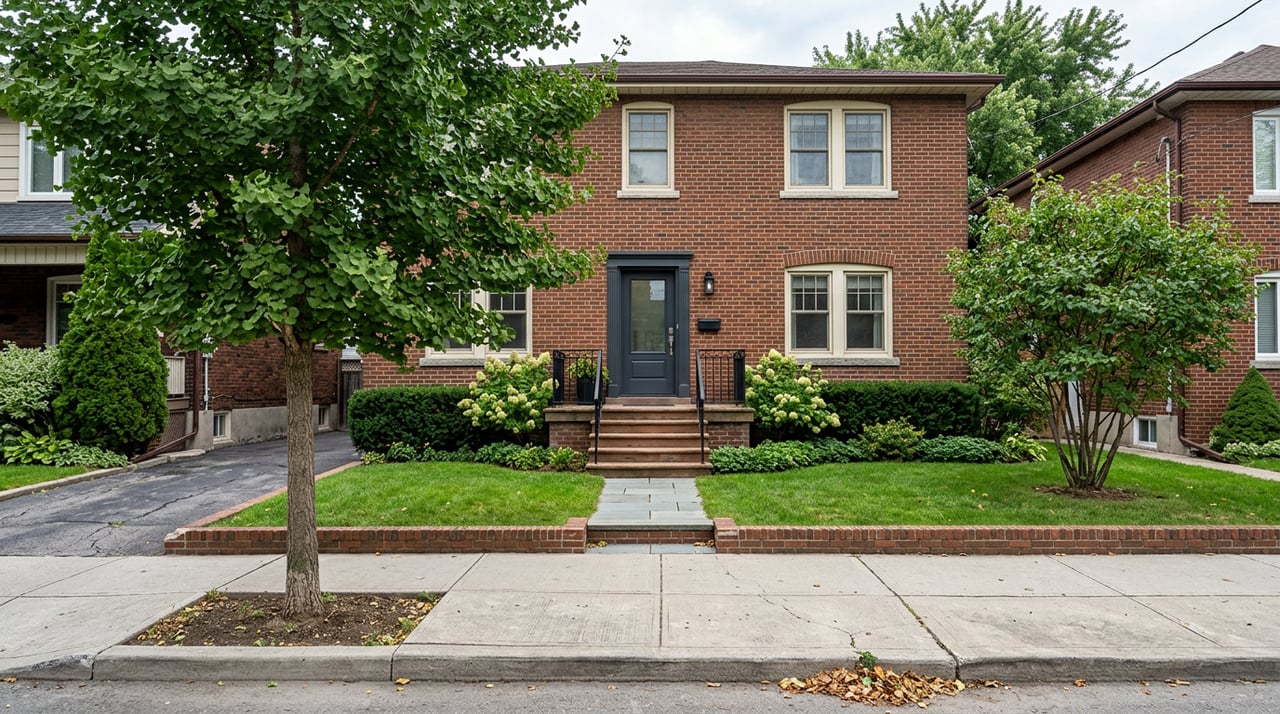
Flatlands is part of Brooklyn Community Board 18 and is known for a mix of one- and two-family homes, mid-rise developments, and the Glenwood Houses. The neighborhood is generally defined around the Flatbush and Nostrand Avenues junction, Avenue U, Ralph Avenue, and Flatbush Avenue. That housing mix matters because your move is more likely to involve a house-style transaction than an apartment-style one.
That changes the rhythm of a sell-and-buy move. In a market with more detached, semidetached, and attached homes, buyers often pay close attention to legal use, permits, and occupancy documents. It also means your timeline may depend on house-specific due diligence instead of just lining up two closing dates.
Current listing snapshots also show why strategy matters. In late May 2026, StreetEasy showed 45 listings for sale with a median active price of $829,000, while Realtor.com reported 205 listings, a median listing price of $699,000, median 55 days on market, and a 98% sale-to-list ratio. The methods differ, but both suggest there is enough inventory and negotiation room that pricing and timing can influence your outcome.
Start with the sequence
For most homeowners, selling first is the safer path. CFPB says people who want to move normally try to sell their current home before buying the next one. That approach usually gives you the clearest picture of your available cash and helps you avoid carrying two housing payments at once.
Selling first is not always perfect, though. You may still face a short gap between closings, and in New York City that gap needs real planning. If you choose this route, it helps to build your purchase search and moving plan early so you are not scrambling once your home goes into contract.
When selling first makes sense
Selling first often works best if you:
- Need your sale proceeds for the next down payment
- Want to avoid carrying two mortgages or two housing payments
- Prefer a simpler financing picture
- Want a clearer budget before making offers
This route also makes it easier to separate what you want to spend from what you can actually afford after payoff, taxes, and closing expenses. That kind of clarity matters in a neighborhood where house transactions can come with more moving parts.
Can you buy before you sell?
Yes, but it is the higher-risk option unless you have strong reserves or financing already lined up. CFPB guidance warns borrowers not to take on new debt, large credit card balances, or new credit applications in the months before applying for a mortgage. If you buy first, your finances need to be able to handle overlap without putting your approval or monthly budget under pressure.
A buy-first plan can work well for households with substantial cash, a very strong lending profile, or approved temporary financing. It can also make sense if finding the right next home is your top priority and you are prepared for extra carrying costs. The key is to test the numbers before you commit.
Questions to ask before buying first
Before you choose a buy-first plan, ask yourself:
- Can you comfortably cover two housing payments for a period of time?
- Do you have enough cash for a down payment, closing costs, and moving expenses?
- Have you discussed bridge financing or equity-based borrowing with a lender?
- Would a delayed sale put stress on your monthly budget?
If any of those answers feel shaky, a sell-first plan may be the more comfortable fit.
Use contingent offers carefully
A contingent offer is often the middle ground between selling first and buying first. Realtor.com explains that a contingent offer can include a home-sale contingency, meaning your purchase closes only after your current home sells. This can protect you from getting locked into a purchase you cannot comfortably complete.
The tradeoff is that contingent offers are less clean than noncontingent offers. A seller may keep marketing the property during the contingency period, and a kick-out clause may allow the seller to move on if a stronger offer appears. In practice, that means a contingent strategy can work, but it works best when your current home is already on the market or close to contract.
How to make a contingent plan stronger
You can improve a contingent strategy by:
- Pricing your current home realistically from the start
- Preparing your home before listing so it shows well immediately
- Beginning your purchase search early
- Knowing your financing limits before making offers
In Flatlands, where inventory appears meaningful and negotiation room exists, preparation can help your offer feel more credible.
Plan your cash beyond the down payment
One of the biggest mistakes in a sell-and-buy move is focusing only on the next down payment. CFPB says closing costs typically run about 2% to 5% of the purchase price, not including the down payment. That means your cash plan needs to cover much more than the headline purchase price.
A practical way to think about your sale proceeds is to divide them into buckets. One bucket goes to paying off your current mortgage and sale-related costs. Another goes toward the next purchase, including down payment and closing costs. A third should stay reserved for the moving period, especially if your two closings do not line up perfectly.
NYC costs to budget for early
New York City adds transfer-related costs that should be part of your planning from day one. According to NYC, the Real Property Transfer Tax generally applies at:
- 1% on residential transfers of $500,000 or less
- 1.425% on residential transfers above $500,000
New York State also imposes a 1% mansion tax on residential conveyances of $1 million or more. If you take out a mortgage on the next purchase, mortgage recording tax may also apply when the mortgage is recorded.
These costs can materially affect your net proceeds and your purchase budget. That is why a coordinated move works best when you estimate both sides of the transaction at the same time, not one after the other.
Financing tools that can help bridge the move
If your timing is tight, there are a few financing tools that may help. A HELOC is an open-end line of credit secured by your home equity, and CFPB notes that borrowers can usually draw repeatedly during the draw period. A home equity loan works similarly, but as a lump sum instead of a revolving line.
For a move, that money may help with a down payment, moving expenses, or temporary overlap costs. But there are real risks. HELOCs often have variable rates, access can be frozen if home value or finances change, and missed payments put your home at risk.
Bridge financing is another option. CFPB mortgage rules define a temporary or bridge loan as a loan with a term of 12 months or less, including one used to buy a new home when you plan to sell your current one within 12 months. It can reduce timing pressure, but it also adds debt service, fees, and more underwriting complexity.
Do not assume a short-term rental will save the day
This point matters a lot in New York City. The Mayor’s Office of Special Enforcement says entire-home or entire-apartment rentals for fewer than 30 days are generally not allowed in permanent residential buildings. The limited short-term rental path is host-sharing, with no more than two paying guests while the host stays in the unit.
That means a quick temporary rental is not something you should casually assume will be available. StreetEasy showed only 3 Flatlands rentals in its late-May 2026 snapshot, which reinforces how limited local rental options may be. If you think you may need a housing bridge, line up a standard lease, sublet, or arrangement with family or friends early.
Flatlands due diligence can affect your timeline
Because Flatlands has a house-heavy inventory, due diligence can be a bigger scheduling factor than many buyers expect. If your next purchase is a one- or two-family house or a small multifamily property, the NYC Department of Buildings says the Certificate of Occupancy states the legal use and occupancy of the building. DOB strongly recommends closing on a final Certificate of Occupancy rather than a Temporary Certificate of Occupancy.
This matters because permit history, occupancy status, fees, paperwork, and violations can all affect timing. If you are trying to line up a sale and purchase, even a small document issue can ripple through your schedule. That is one reason coordinated moves in Flatlands benefit from careful planning from the start.
If you are buying a co-op or condo
If your next home is a co-op or condo instead of a house, the timeline may still stretch for different reasons. The New York State Attorney General recommends reading the full offering plan and consulting an attorney before signing because building condition, board rules, and other restrictions are material to the purchase.
If the property is an HDFC co-op, HPD says there may be income and resale restrictions that require close review of the governing documents. In other words, apartment purchases can look simpler on the surface but still create timing delays if you do not account for document review and approval steps.
A practical sell-and-buy game plan
If you want the smoothest possible move in Flatlands, focus on preparation before either transaction gets too far. A coordinated plan usually works best when your sale strategy, your purchase budget, and your backup housing plan are built together.
A simple roadmap often looks like this:
- Review your likely sale proceeds after payoff, transfer taxes, and sale costs.
- Set a purchase budget that includes down payment, closing costs, and reserves.
- Decide whether you are selling first, buying first, or using a contingency.
- Prepare your current home for market and price it carefully.
- Start searching for your next home with your timeline in mind.
- Review house, co-op, or condo due diligence early so surprises do not slow your move.
- Create a realistic backup housing plan in case the closings do not align.
The goal is not perfect timing. The goal is reducing the number of decisions you have to make under pressure.
If you are planning a sell-and-buy move in Flatlands, having a local strategy can make the process feel far more manageable. A neighborhood-focused team can help you think through pricing, timing, due diligence, and the handoff between transactions so you can move with more confidence. When you are ready to map out your next step, Claudette Rolling is here to help.
FAQs
Should I sell my Flatlands home before buying my next one?
- In most cases, yes. CFPB says people usually sell first, which can help you use sale proceeds for the next purchase and avoid carrying two housing payments at once.
Can I buy another home before selling my Flatlands property?
- Yes, but it is usually riskier unless you have enough cash reserves or approved temporary financing to handle overlap.
How do contingent offers work for a Flatlands sell-and-buy move?
- A contingent offer can let you buy a home only after your current one sells, but the seller may keep marketing the property and may use a kick-out clause.
Can I use a short-term rental between homes in Flatlands?
- Usually not as a simple fallback. In New York City, entire-home rentals under 30 days are generally not allowed in permanent residential buildings, so you should plan a standard lease, sublet, or personal arrangement early.
What costs should I budget for in a Flatlands sell-and-buy move?
- Budget for mortgage payoff, sale costs, purchase closing costs, NYC transfer taxes, possible mansion tax if applicable, mortgage recording tax if applicable, and moving reserves.
What due diligence can delay a Flatlands purchase?
- For houses and small multifamily properties, Certificate of Occupancy and permit review can affect timing. For co-ops and condos, offering plans, board rules, and building documents can also slow the process.