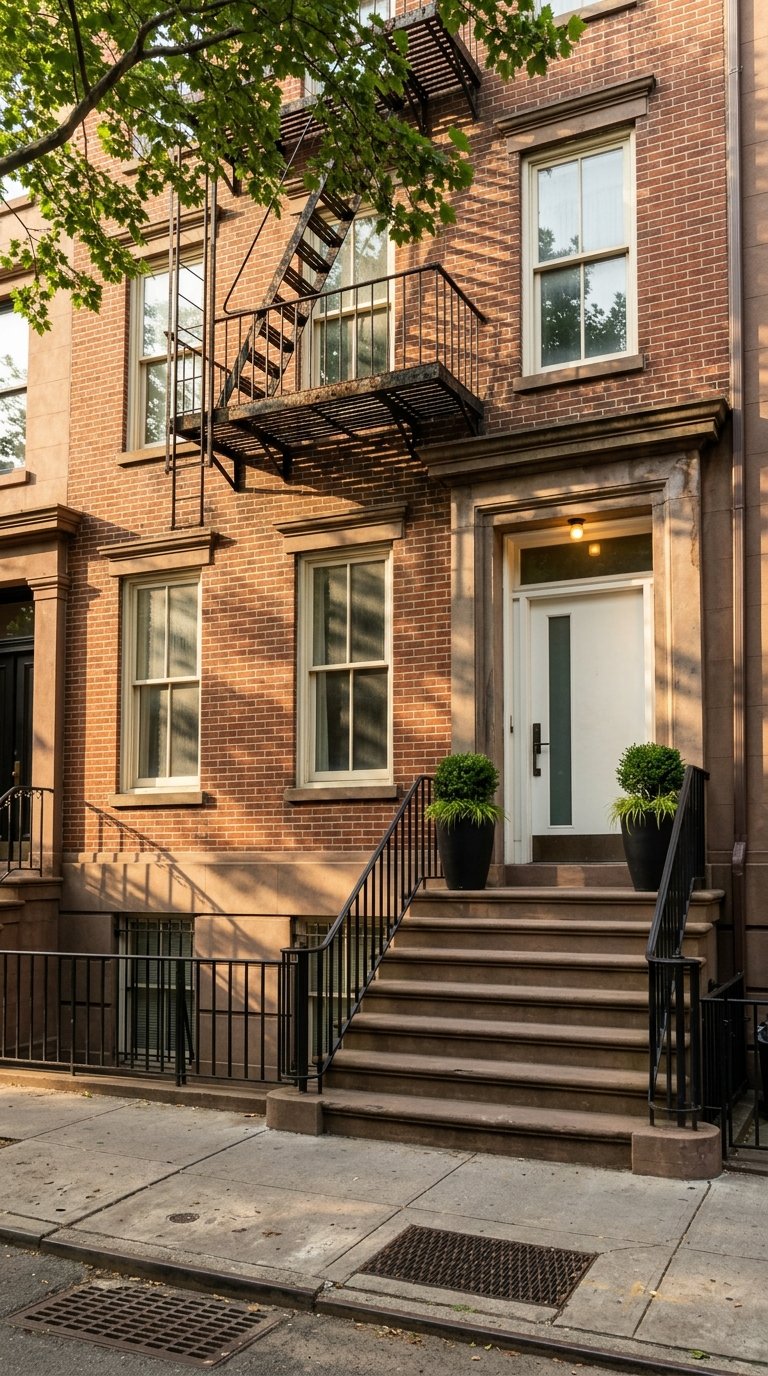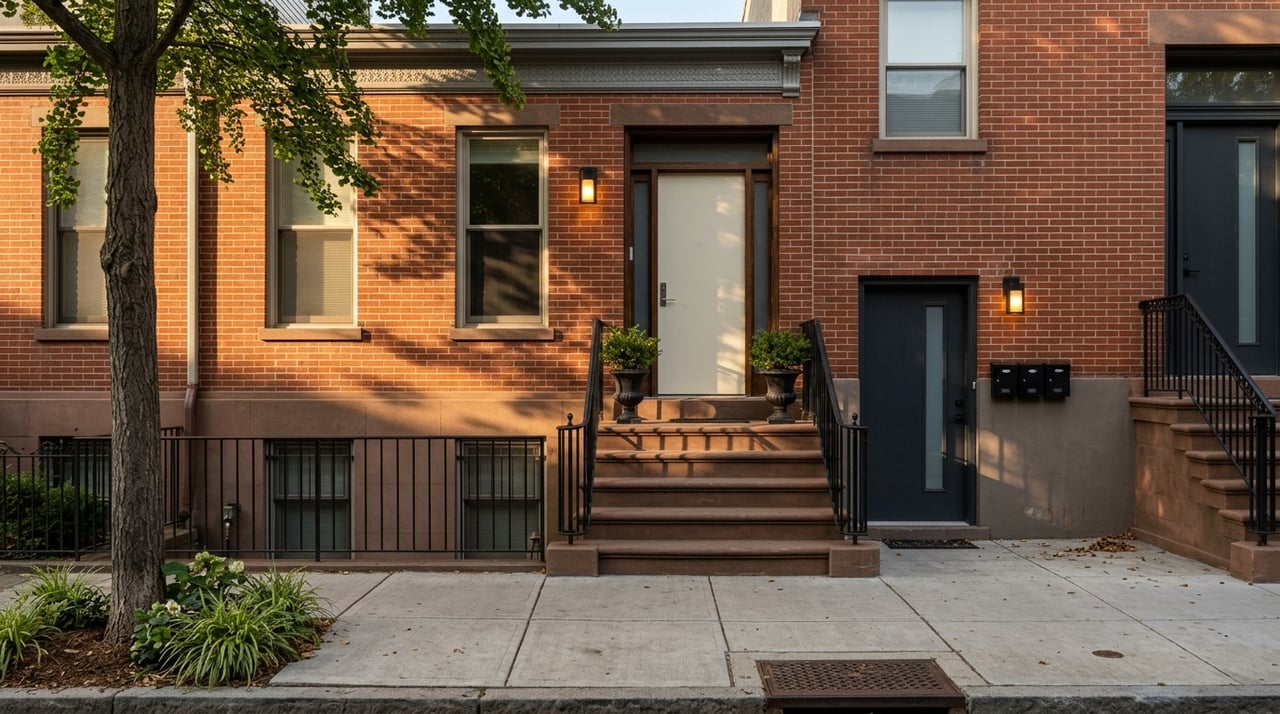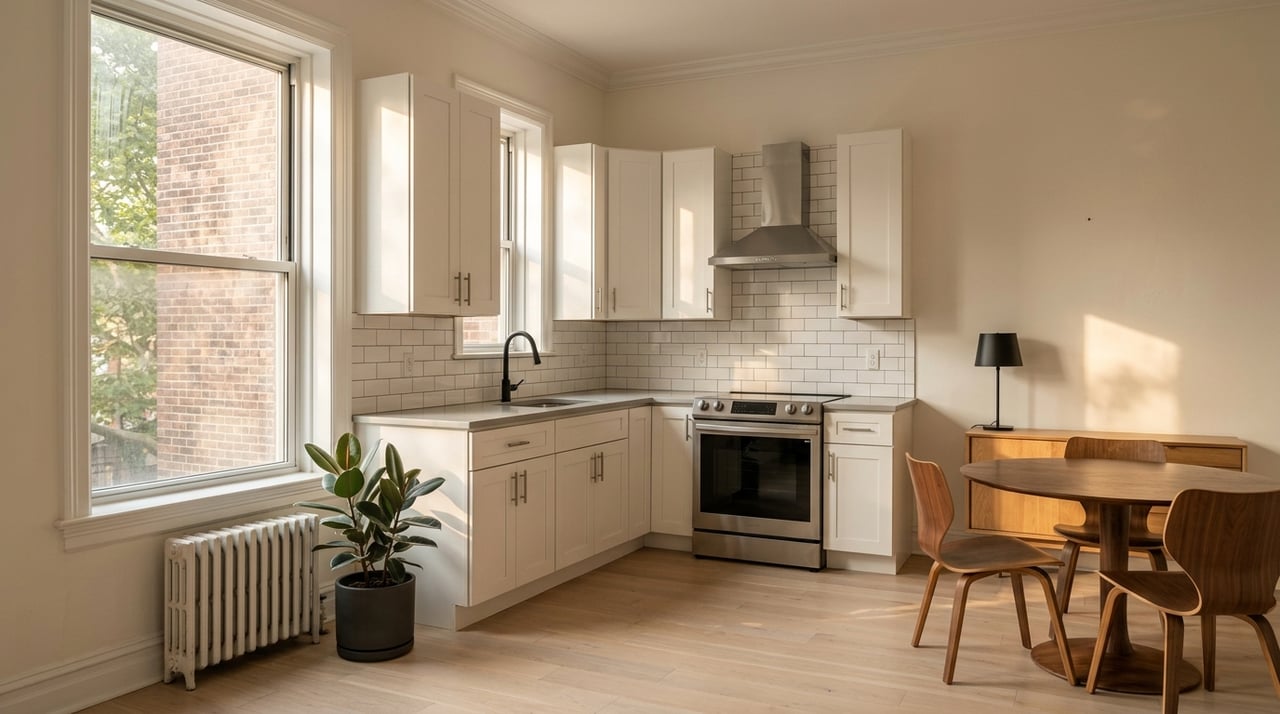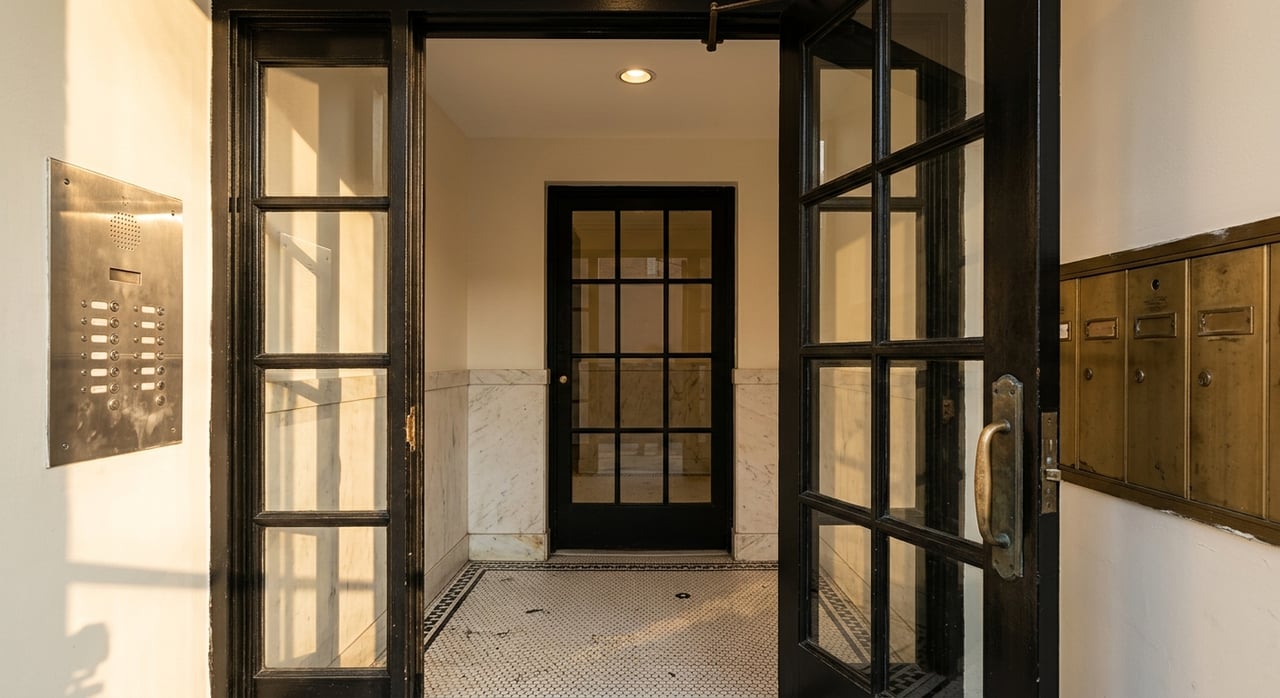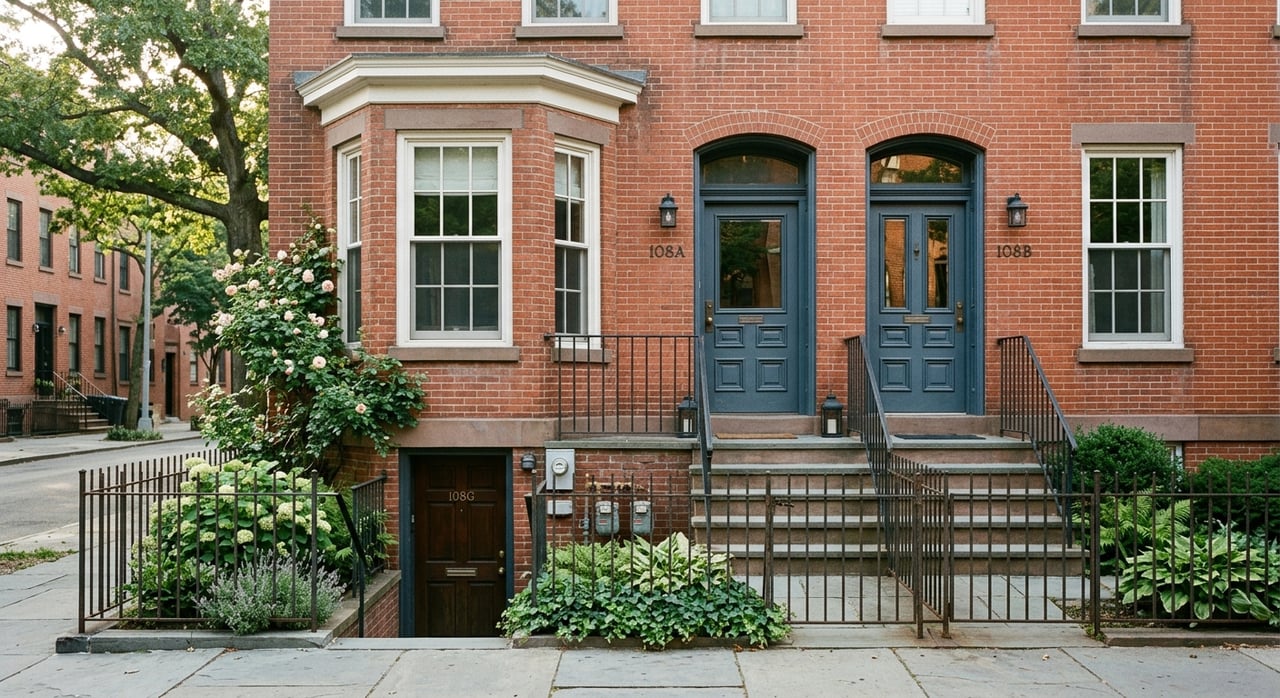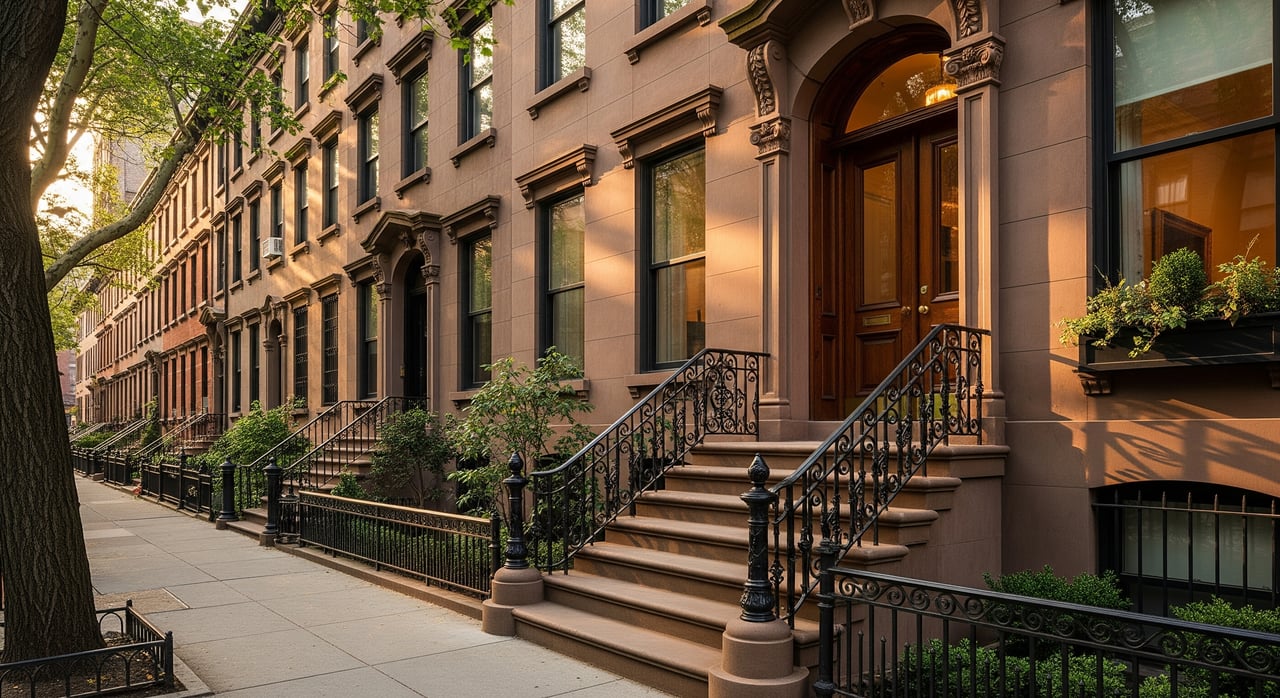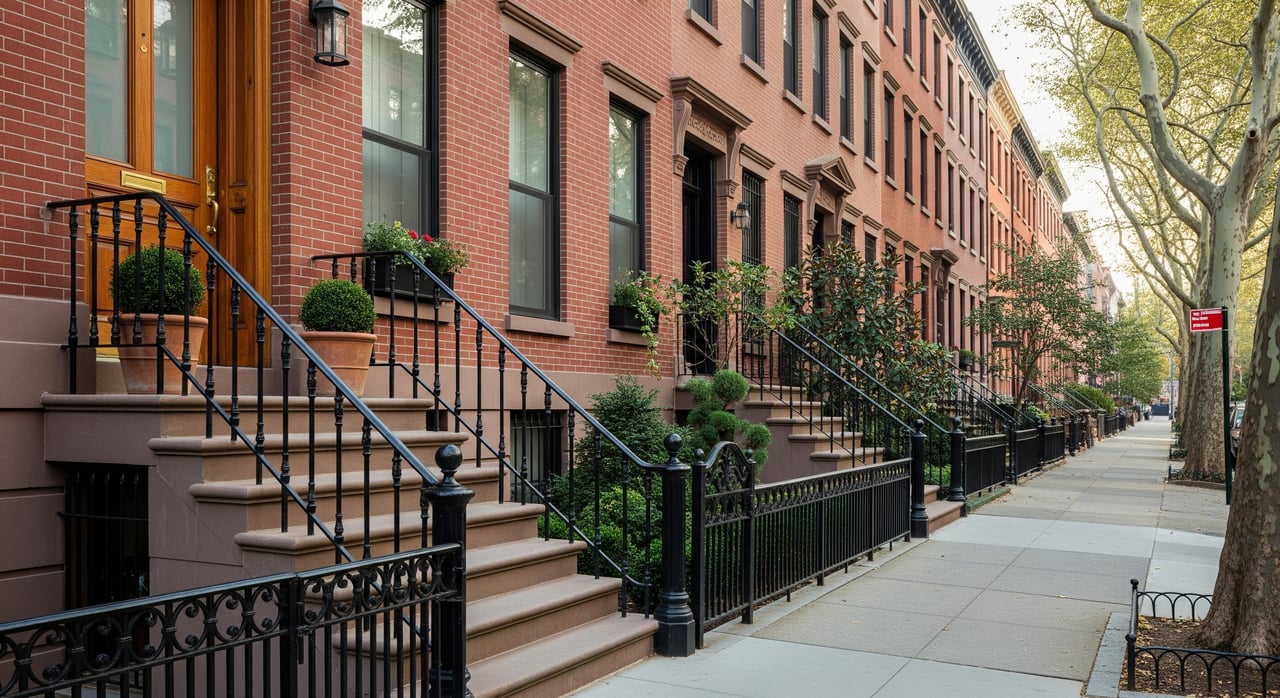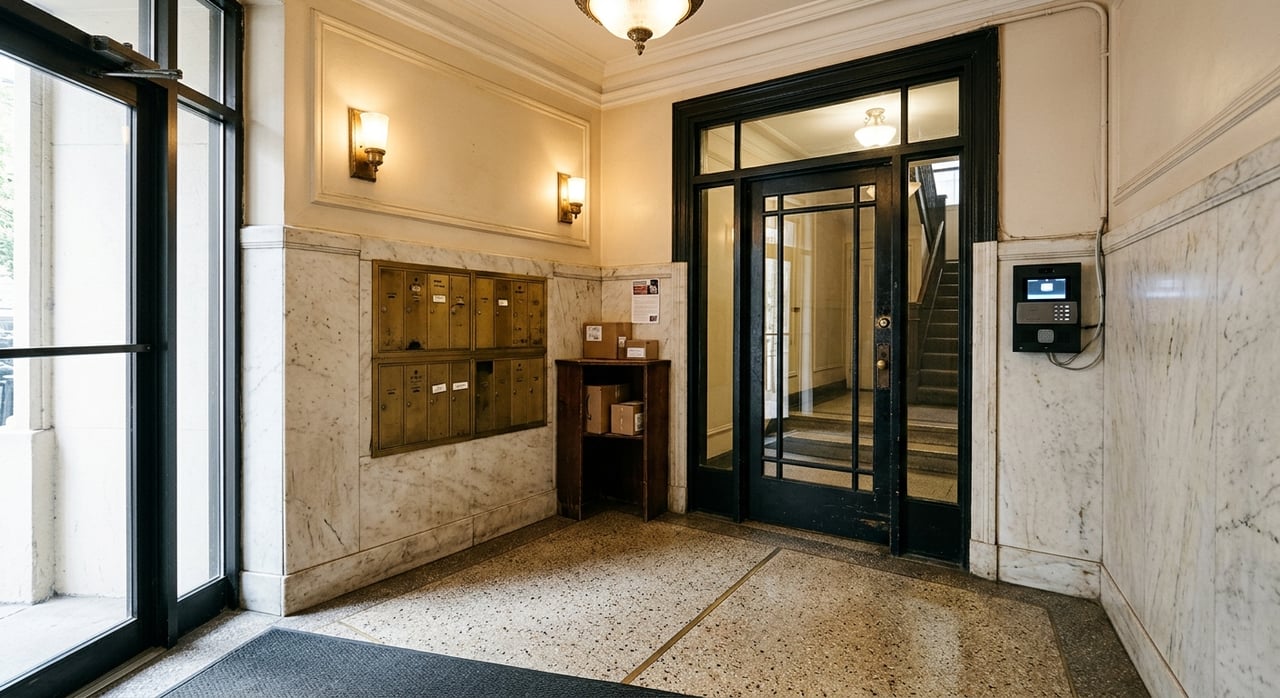
Buying in Fort Greene can feel straightforward until you realize the apartment is only part of the decision. In this part of Brooklyn, two homes with similar layouts and price points can come with very different building rules. If you are comparing a co-op to a condo, or choosing between two buildings on the same block, understanding those rules can save you time, stress, and expensive surprises. Let’s dive in.
Why building rules matter in Fort Greene
In Fort Greene, most day-to-day rules come from the building itself, not the neighborhood. That means your experience will depend heavily on the building’s governing documents, approval process, and house rules.
For buyers, the big takeaway is simple: you are not just buying an apartment, you are buying into a system of rules. Those rules can shape everything from how you move in to whether you can renovate, sublet, or keep a pet.
Co-op vs. condo rules
How co-op rules work
In a New York City co-op, you buy shares in a corporation and receive a proprietary lease for your apartment. The building is run by a co-op board, and that board must follow the building’s internal rules and use prudent business judgment.
Monthly maintenance in a co-op typically covers building expenses, property taxes, and sometimes the underlying mortgage. Because of that structure, co-op boards often play a larger role in approvals and day-to-day oversight.
How condo rules work
In a condo, you own your individual unit plus an interest in the common elements. The building is governed by a board of managers and a set of documents that usually includes the declaration, by-laws, and house rules.
Those documents can cover how units and common areas are used, who handles certain repairs, and whether pets are restricted. Condos are often seen as more flexible than co-ops, but they are still rule-driven.
What this means for you
Two Fort Greene buildings can look similar from the outside and operate very differently on the inside. A co-op may have a more detailed approval process, while a condo may still require paperwork tied to board rights or waivers.
That is why it helps to review the rules early. The apartment may win your heart, but the building documents tell you how life there will actually work.
What to expect from board approval
Co-op board packages
If you are buying a co-op in Fort Greene, expect a board package with detailed financial and personal information. That often includes employment letters, reference letters, tax returns, and financial disclosures.
Many co-op buildings also require a board interview. The package and interview help the board decide whether to approve the buyer under the building’s process.
Condo applications and waivers
Condo purchases can involve less approval than co-ops, but they are not always paperwork-free. Some condo documents give the board a right of first refusal or require a waiver, which may mean an application and supporting documents are still part of the process.
Condo purchase paperwork may also ask buyers to review the offering plan, amendments, by-laws, house rules, alteration policy, board minutes, and recent financial statements. In other words, a condo can still come with a meaningful due diligence checklist.
Ask for current documents
One common mistake is assuming the offering plan tells the whole story. In some buildings, especially older ones where all units have already been sold, the offering plan may no longer be current.
If that happens, the board or managing agent should still be able to provide the governing documents for inspection. That step matters when you want clear answers on pets, sublets, fees, and repair responsibilities.
Everyday rules that affect daily life
Subletting rules
Subletting is one of the first things many buyers ask about, especially if you want future flexibility. In co-ops, sublets are usually controlled by the proprietary lease and house rules, and written board consent is generally required.
That consent may come with conditions. In condos, sublet provisions are often less restrictive, but the governing documents can still limit or shape how subletting works.
Pet policies
Pet rules are highly building-specific. Condo documents can include pet restrictions, and co-op house rules may do the same.
A smart question is not just “Are pets allowed?” but “What do the written rules say, and are there exceptions or approval steps?” That helps you avoid relying on casual answers that may not match the documents.
House rules and day-to-day living
Many buildings have house rules that cover everyday issues like garbage, quiet hours, laundry rooms, common areas, and access for repairs. These may sound minor at first, but they can affect your routine more than you expect.
In some buildings, rule violations can be treated seriously. Depending on the building’s documents, violations may lead to fines or be treated as lease defaults.
Disability-related accommodations
Boards and housing providers must still follow fair housing rules. In New York City, disability-related accommodation requests must go through an accommodation process, and service animals or emotional support animals are treated differently from ordinary pets when a reasonable accommodation is required.
That distinction matters if you are reviewing a building with a no-pet policy or other pet limits. A blanket rule does not override the accommodation process.
Renovation rules in Fort Greene
City permits and building approval
If you are planning to update a kitchen, refinish floors, or take on a larger renovation, you need to think about more than your contractor. In New York City, many construction projects require Department of Buildings approval or permits, although some minor work can be done without a permit.
Examples of work that may not require a permit include painting, plastering, installing new cabinets, replacing plumbing fixtures, and resurfacing floors. Even when a permit is not required, contractors still need the proper city license for the work they perform.
Board alteration policies
A building can have its own renovation rules on top of city requirements. Co-ops and condos may require an alteration application, proof of insurance, contractor paperwork, and compliance with work-hour rules.
Some buildings also expect buyers to review the alteration policy before closing. If you know you want to renovate soon after purchase, this is worth checking before you sign a contract.
Landmark rules in Fort Greene
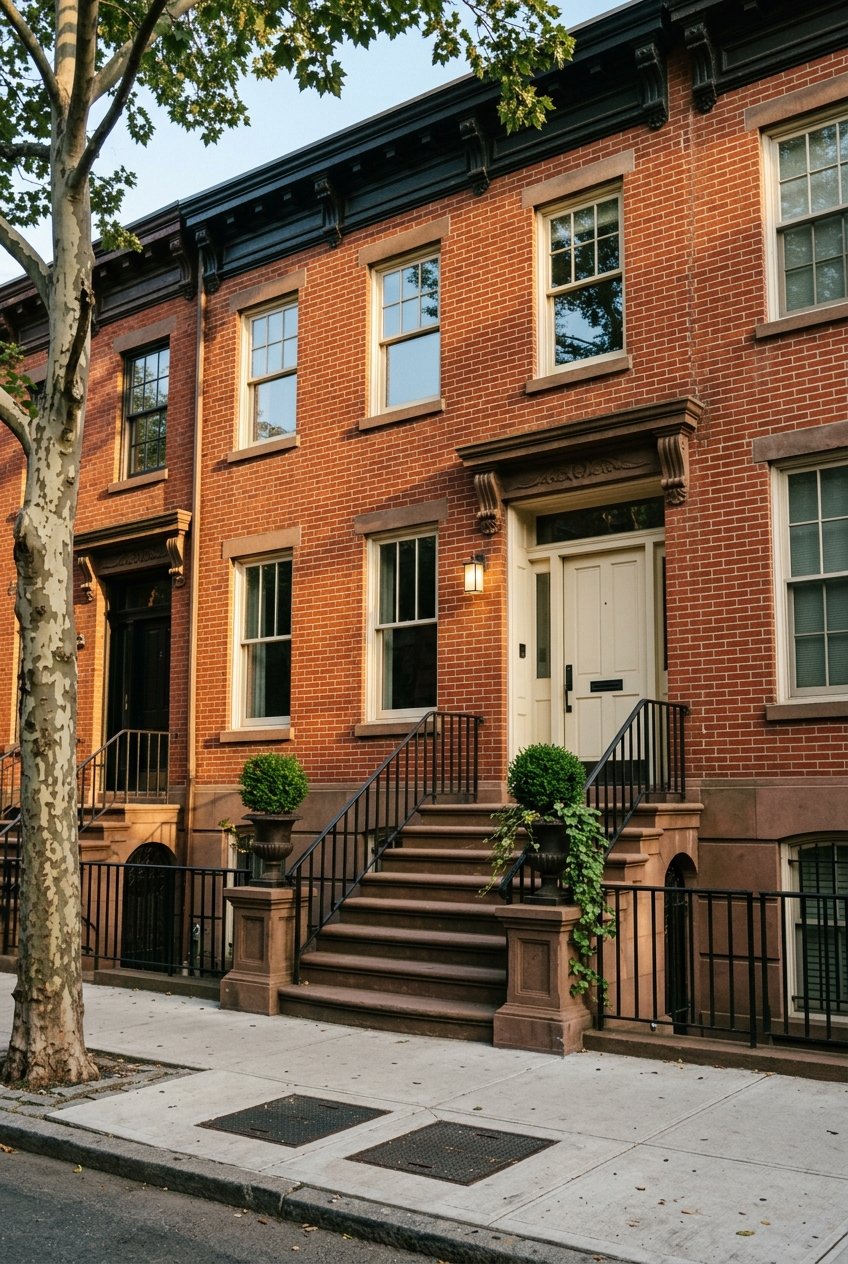
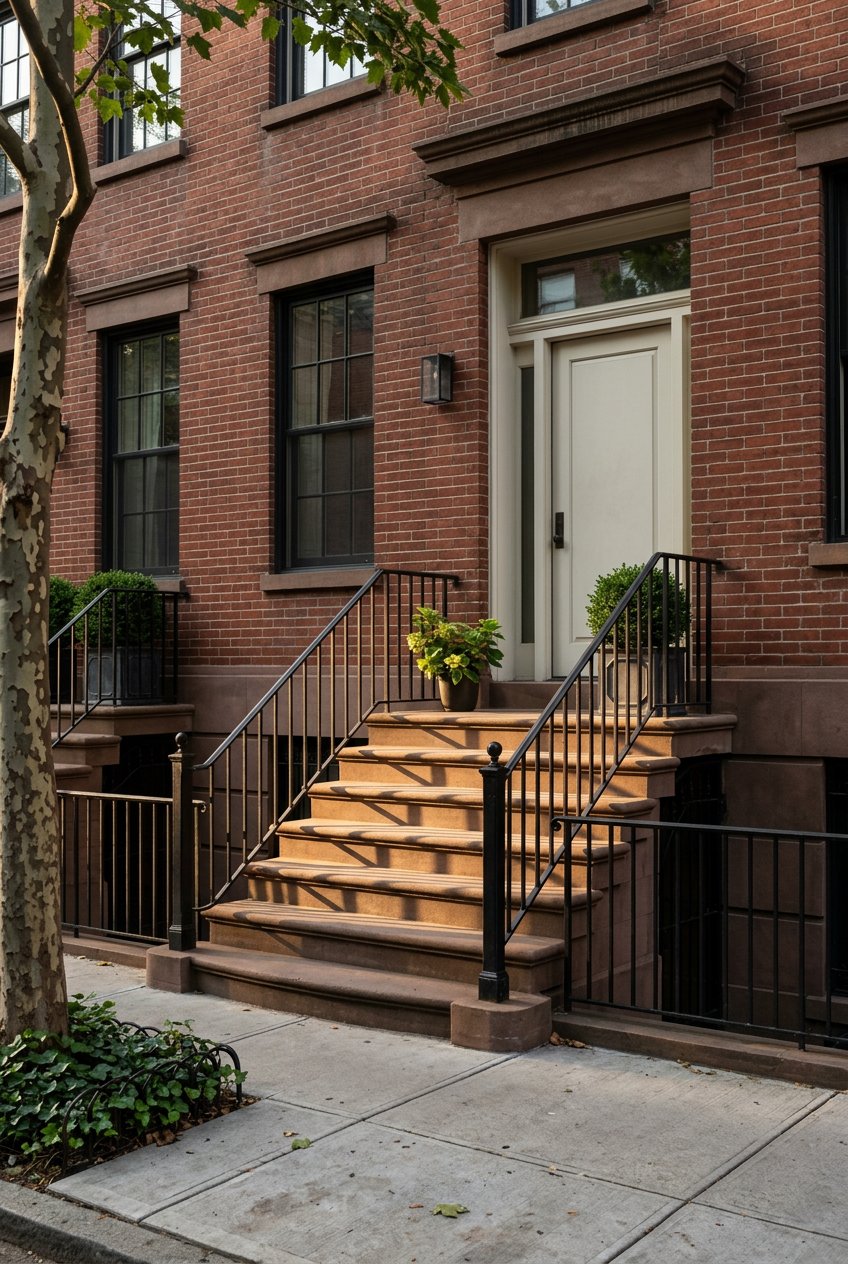
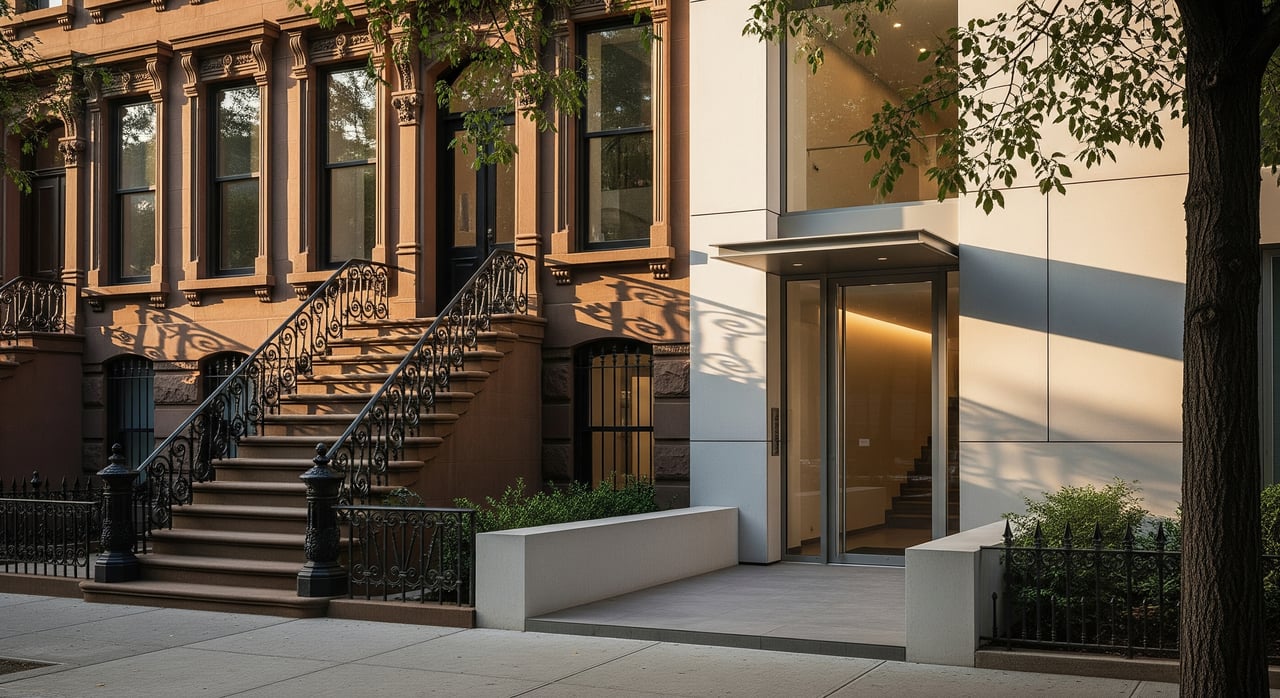
Fort Greene adds another layer because the Fort Greene Historic District was designated by the Landmarks Preservation Commission in 1978. If a building is designated or located in the historic district, work may need LPC approval before it begins unless it falls under an exception.
Simple repairs like fixing broken window glass or repainting a door the same color do not need LPC review. But exterior changes, window replacements, masonry work, rooftop additions, and other visible alterations can trigger another level of approval.
Why this matters before you buy
If you are buying with renovation plans in mind, ask whether the work needs board approval, city permits, LPC approval, or all three. This is especially important in Fort Greene, where historic building status can shape both your timeline and your budget.
A renovated apartment can be move-in ready, but a home that needs work may offer opportunity only if the building rules support your plans.
Fees and logistics to check early
Some condos charge application fees, move-in fees, or move-out fees. Purchase contracts may also spell out which party is responsible for those charges.
These costs may not be the biggest line item in your budget, but they can still affect your closing funds and moving plan. It is best to ask early so there are no surprises right before move-in day.
Documents to review before making an offer
Before you commit to a Fort Greene co-op or condo, ask for the documents that reveal how the building really works. These materials can uncover financial, physical, or policy issues that are not obvious during a showing.
Here is a practical checklist:
- Offering plan and any amendments
- By-laws
- Proprietary lease for a co-op or declaration for a condo
- House rules
- Latest financial statements
- Board minutes
- Alteration policy
If any of these are missing or outdated, ask what current documents are available for inspection. The goal is to understand the approval path, sublet policy, pet policy, renovation rules, move-related fees, and repair responsibilities before you are deep into the deal.
A smarter way to shop in Fort Greene
In Fort Greene, the building rules matter almost as much as the apartment itself. A beautiful unit can still be the wrong fit if the board process, house rules, or renovation limits do not match your goals.
That is why a thoughtful buying strategy starts with both the space and the paperwork. When you know what to ask for and what to compare, you can make a more confident decision and avoid costly surprises later.
If you are sorting through co-op and condo options in Fort Greene, having patient local guidance can make the process much easier. Claudette Rolling helps buyers navigate Brooklyn building rules, paperwork, and next steps with clear advice and hands-on support.
FAQs
What documents should you review for a Fort Greene co-op or condo?
- Ask for the offering plan and amendments, by-laws, proprietary lease or declaration, house rules, latest financials, board minutes, and any alteration policy.
How do Fort Greene co-op rules differ from condo rules?
- In general, co-ops are based on shares and a proprietary lease, while condos are based on unit ownership plus governing documents like the declaration, by-laws, and house rules.
Can you sublet a Fort Greene co-op or condo apartment?
- It depends on the building documents, but co-ops generally require written board consent for subletting, while condos are often more flexible if their governing documents allow it.
Are pets allowed in Fort Greene co-op and condo buildings?
- Pet policies are building-specific, so you need to review the written rules and any approval requirements or exceptions.
Do Fort Greene renovations need board approval?
- Many do, because a building may require an alteration application, insurance, contractor paperwork, and compliance with work-hour rules even when city permits are not required.
Do historic district rules affect Fort Greene renovations?
- Yes, if the building is designated or located in the Fort Greene Historic District, some exterior or visible work may need Landmarks Preservation Commission approval before work begins.