Selling in Fort Greene is not a copy-and-paste process. A brownstone on a landmarked block, a prewar co-op, and a newer condo can all attract strong interest, but each one needs a different plan. If you want to sell with less stress and stronger positioning, this guide will walk you through what matters most in Fort Greene, from prep and pricing to closing day. Let’s dive in.
Know Your Fort Greene Selling Context
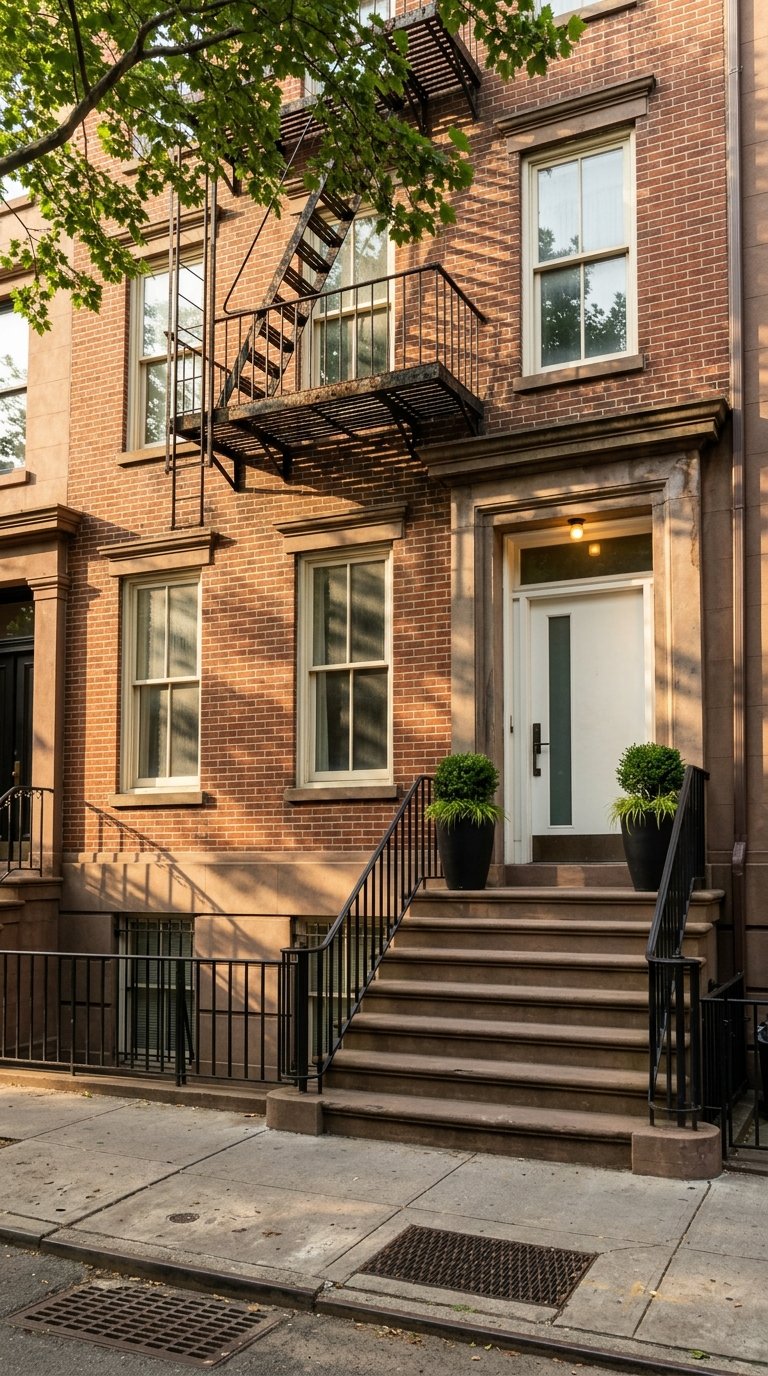
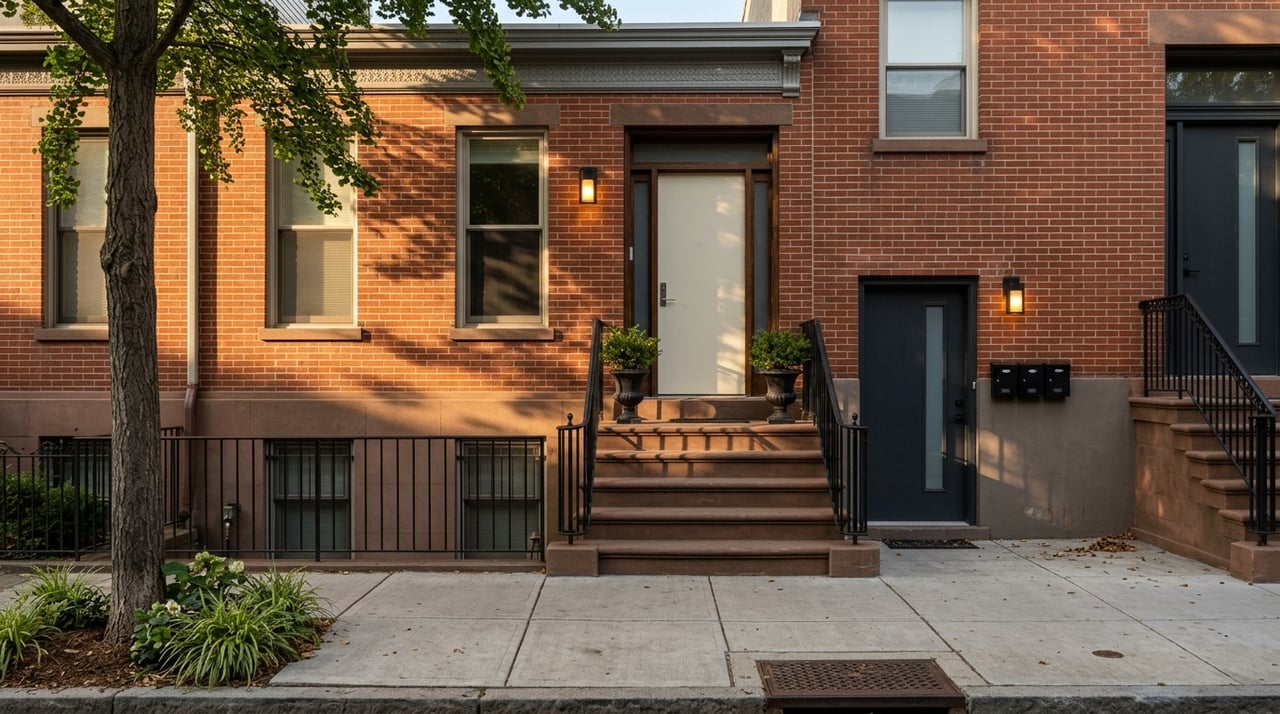
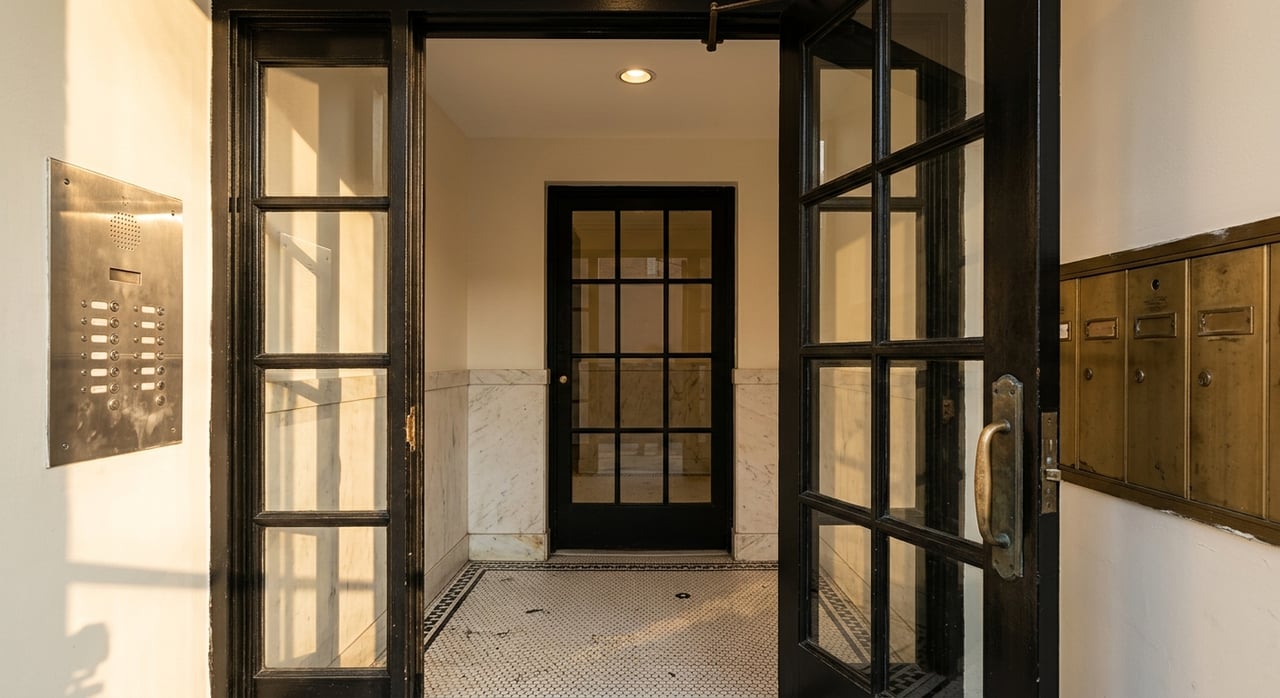
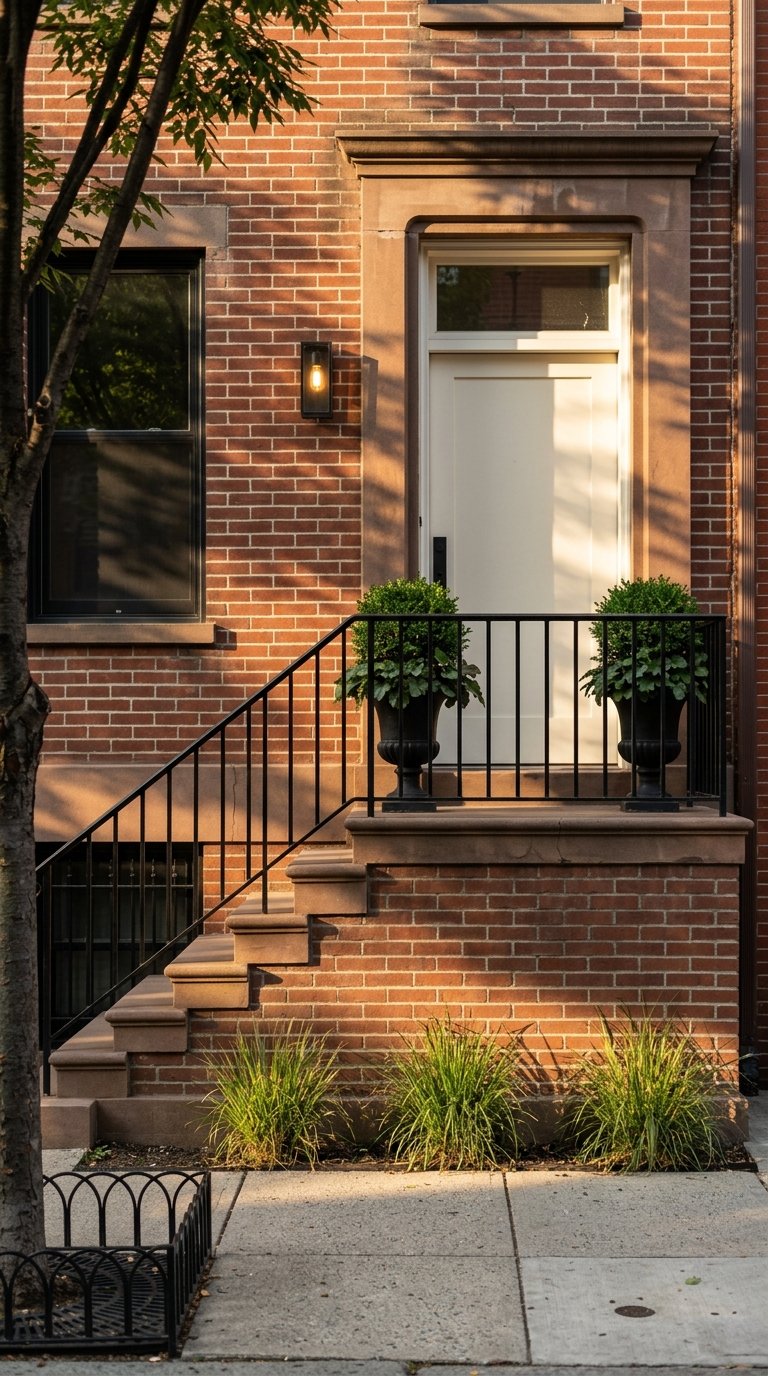
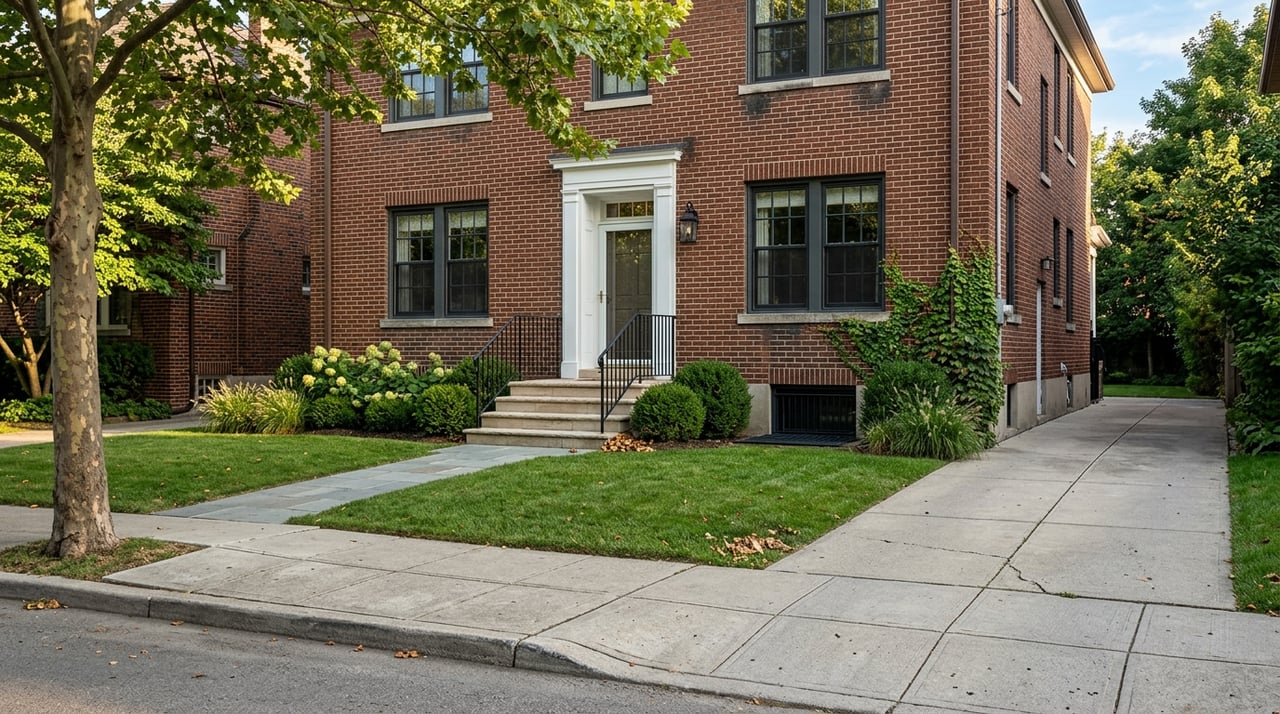
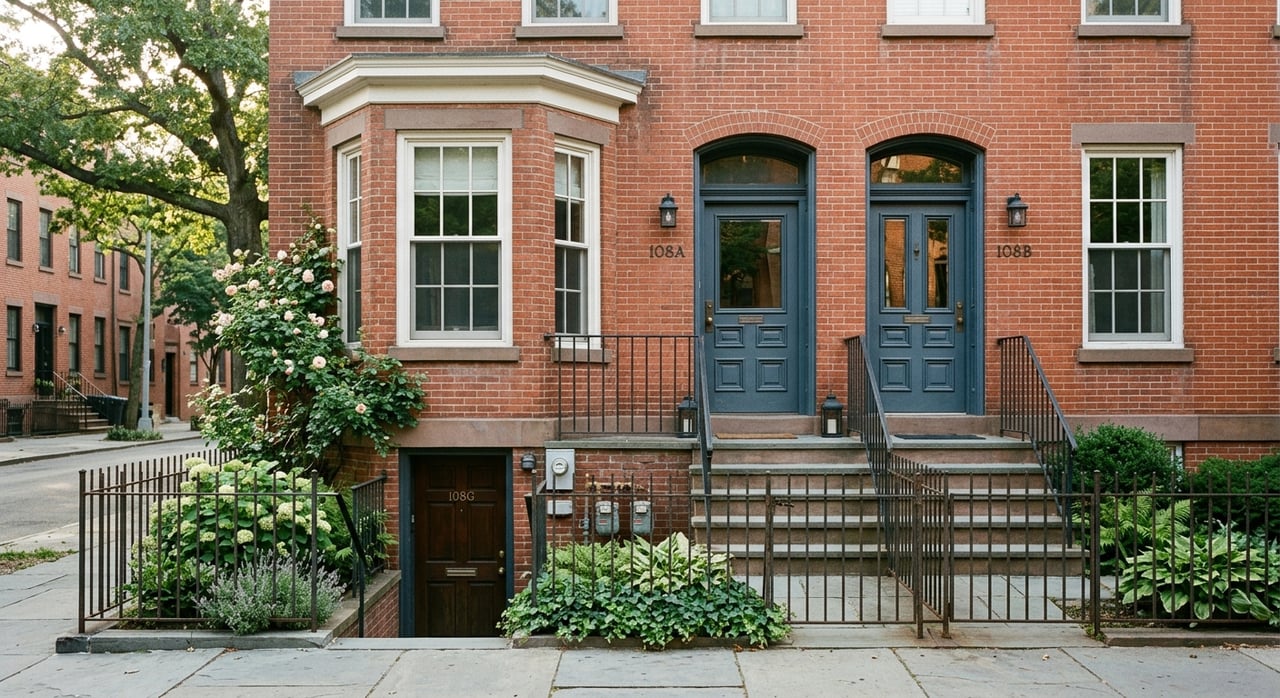
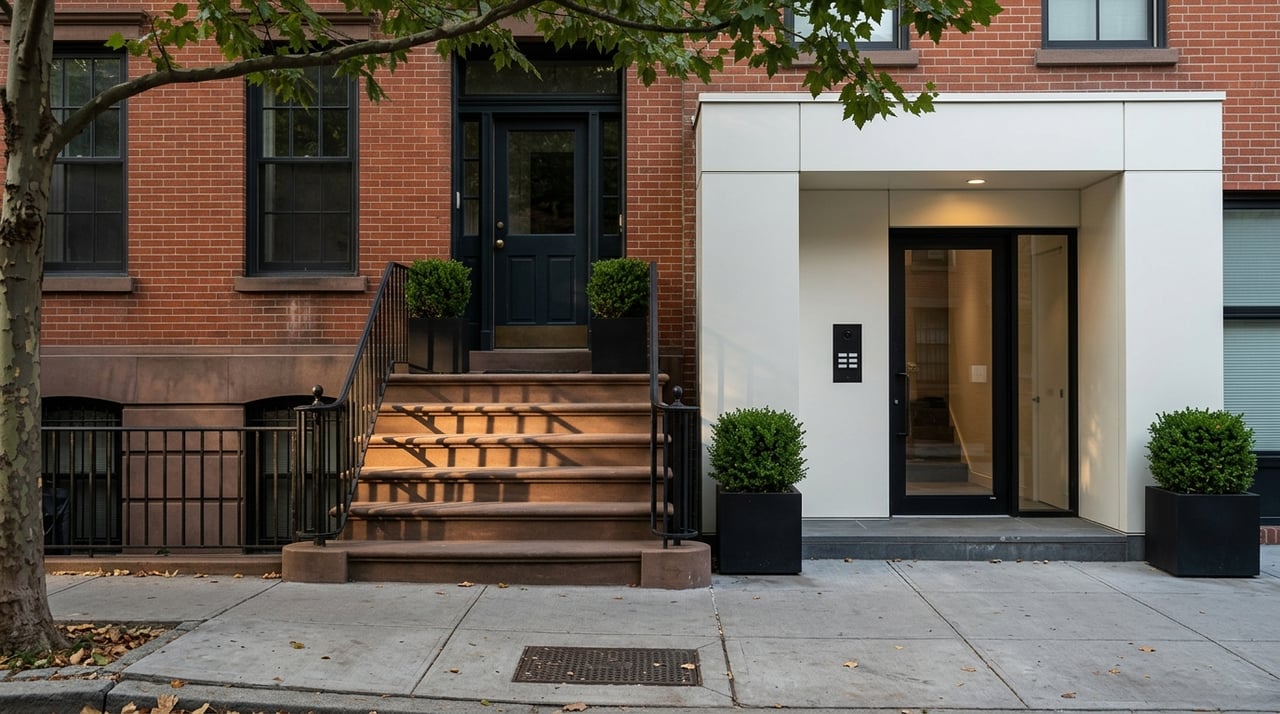
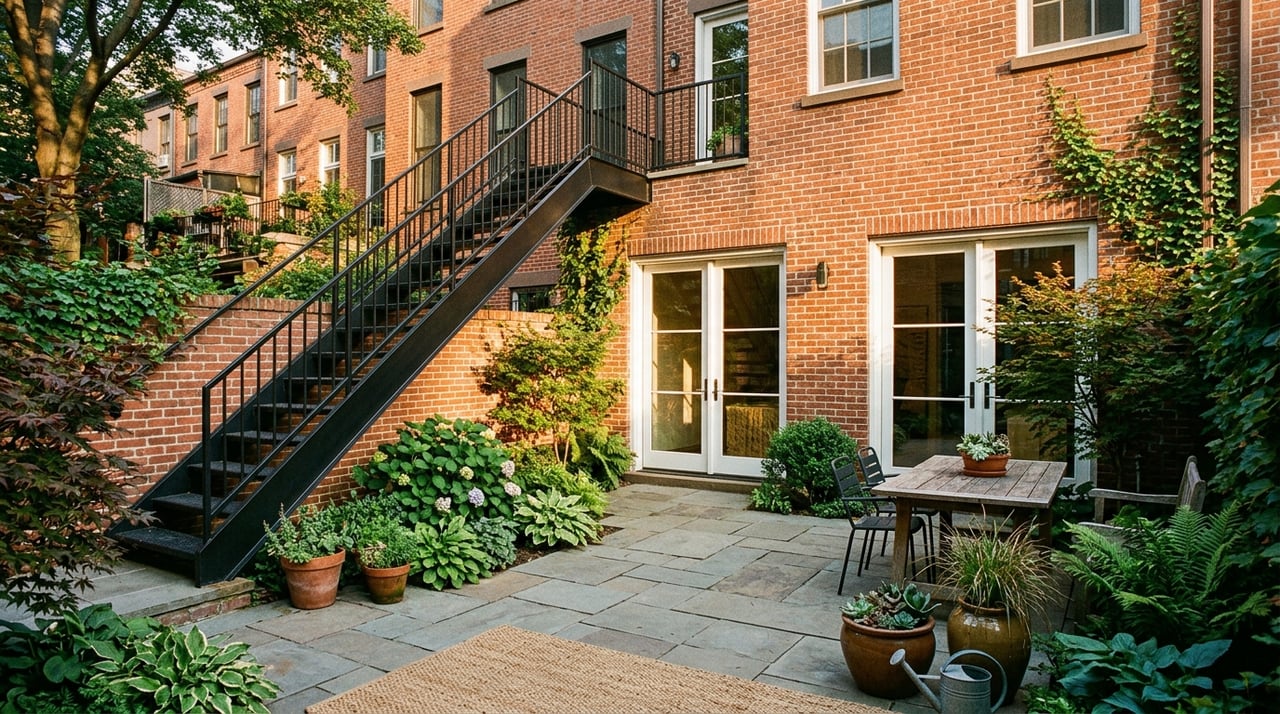
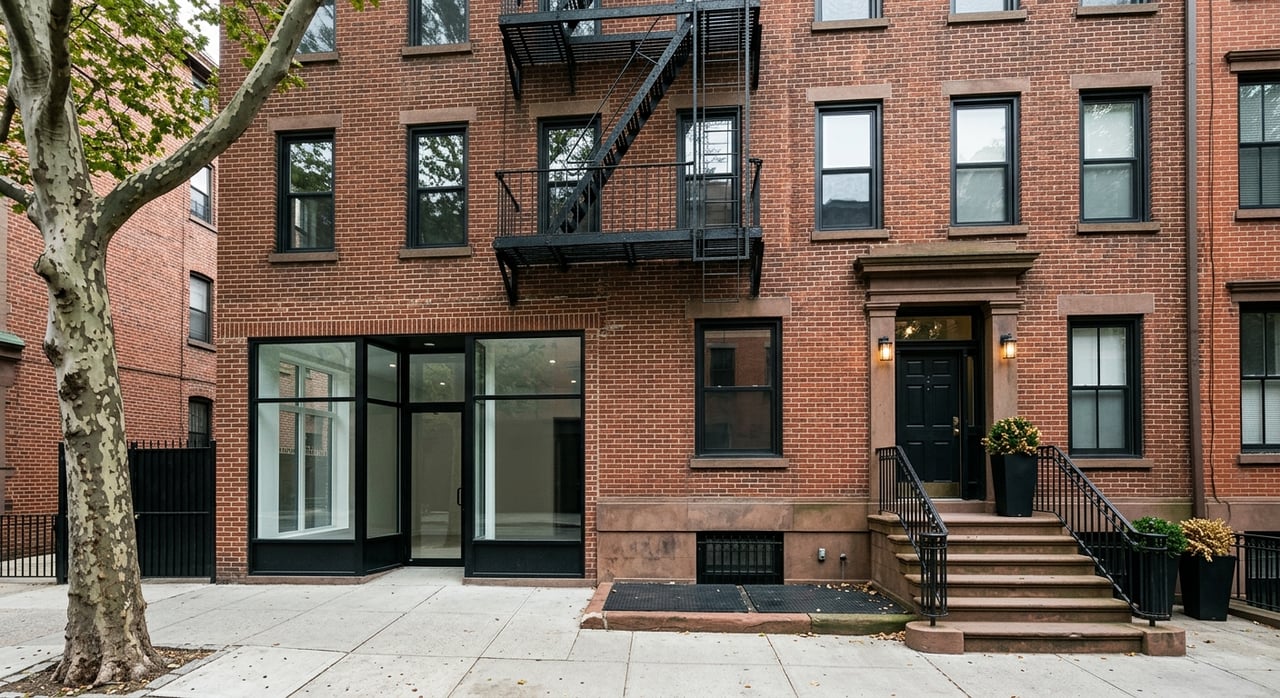
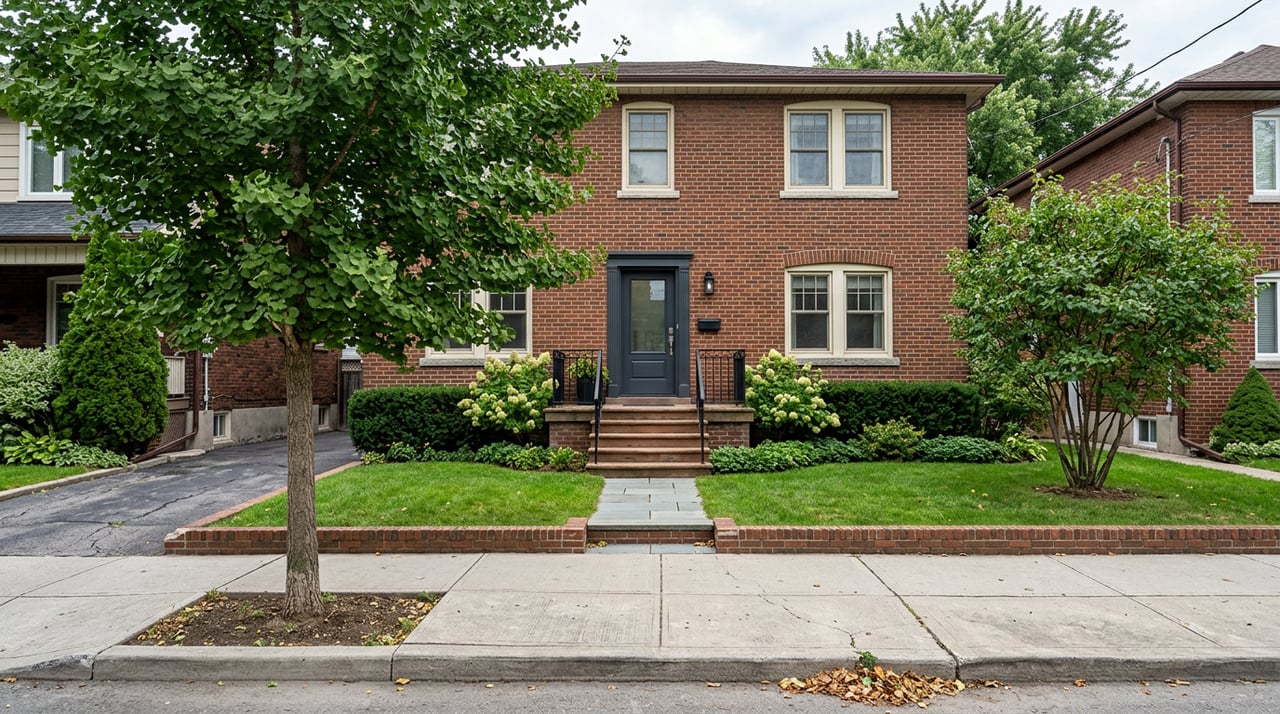
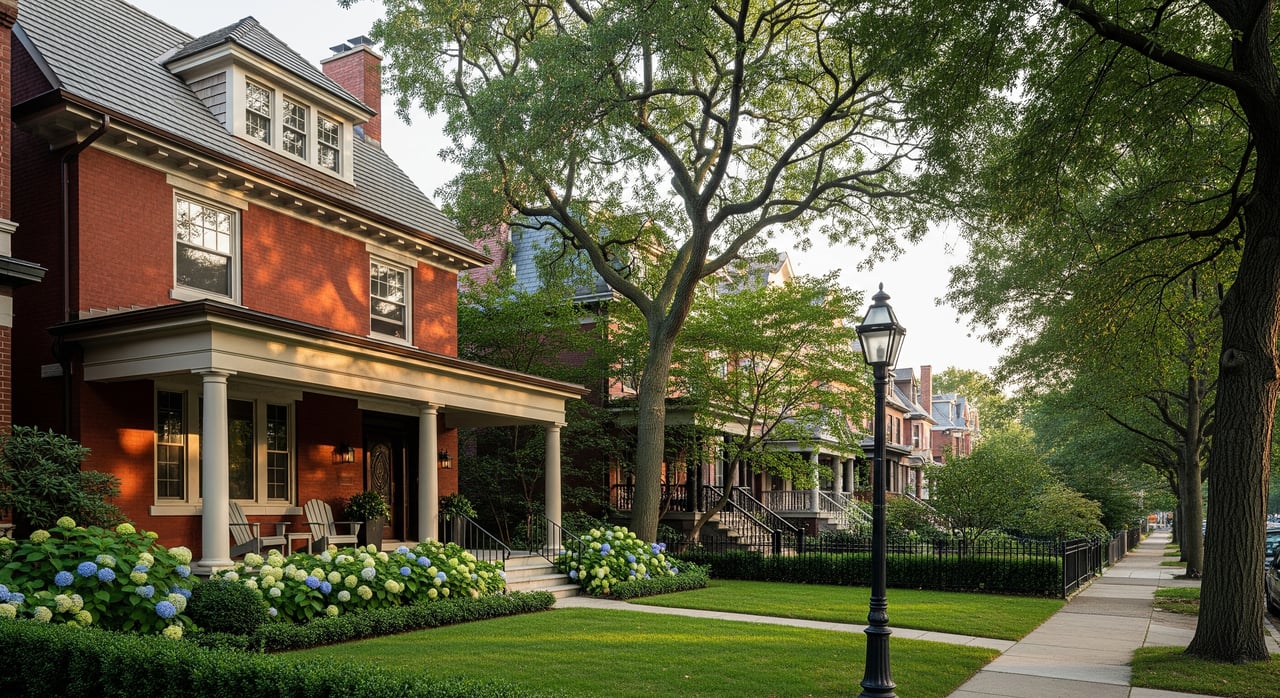
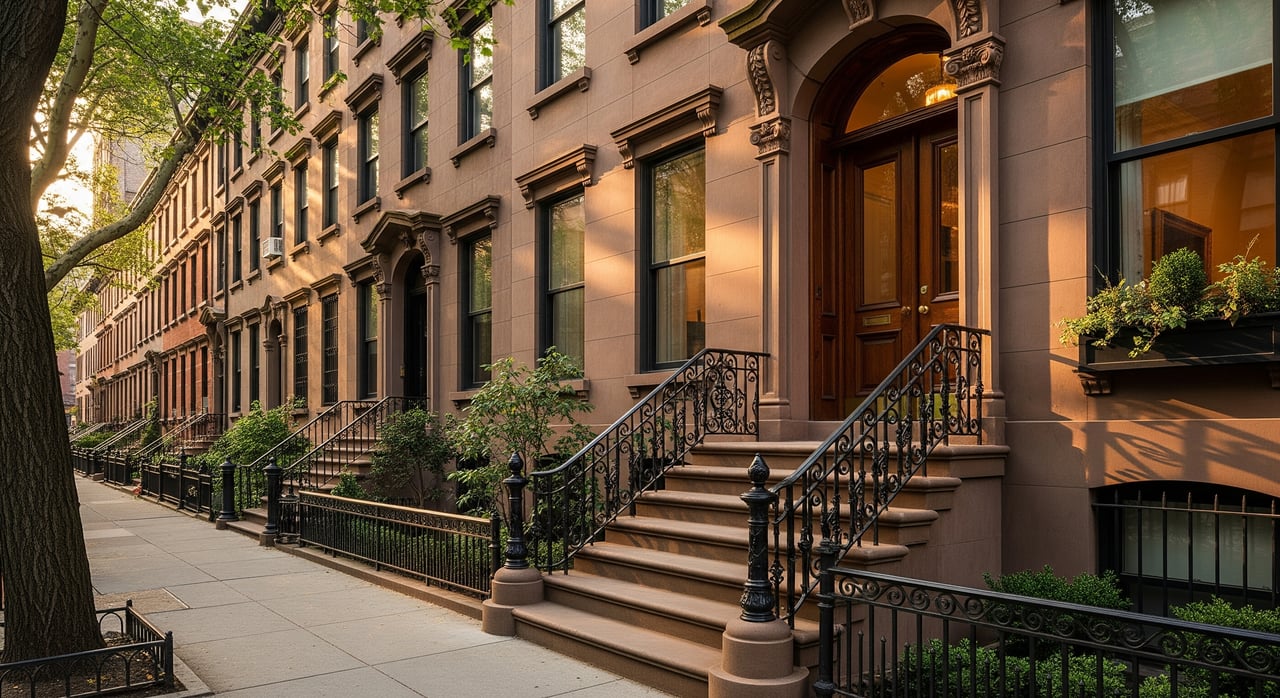
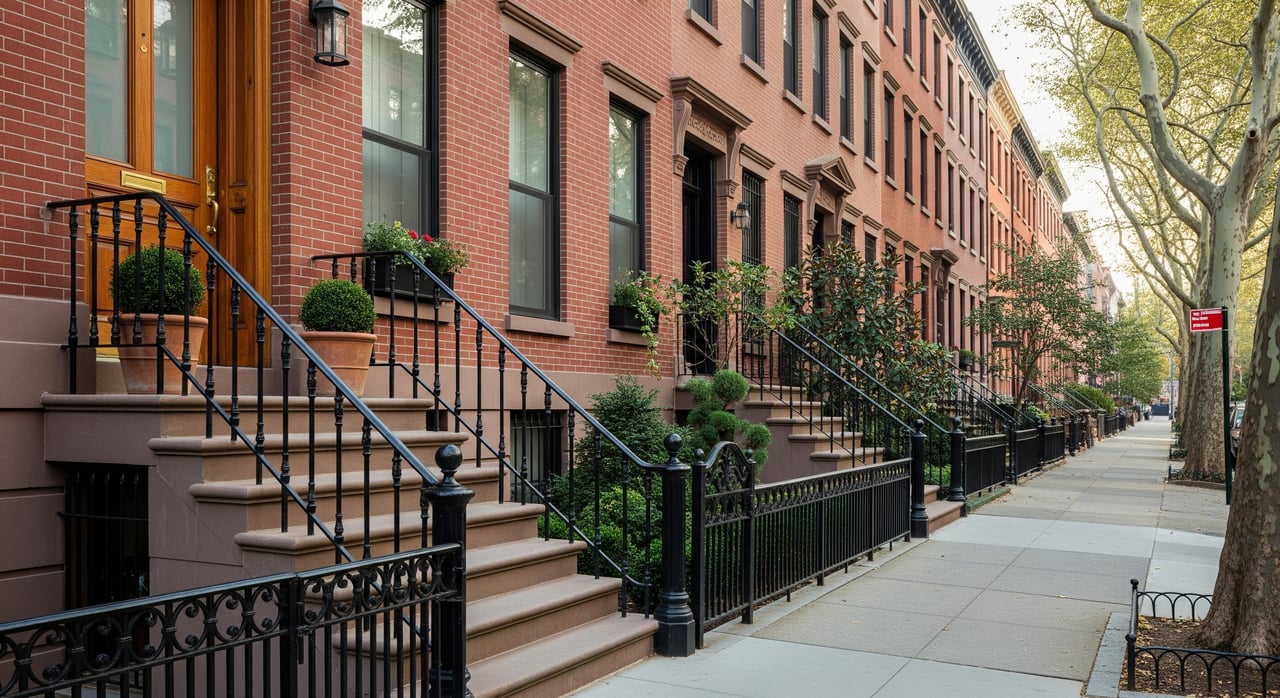
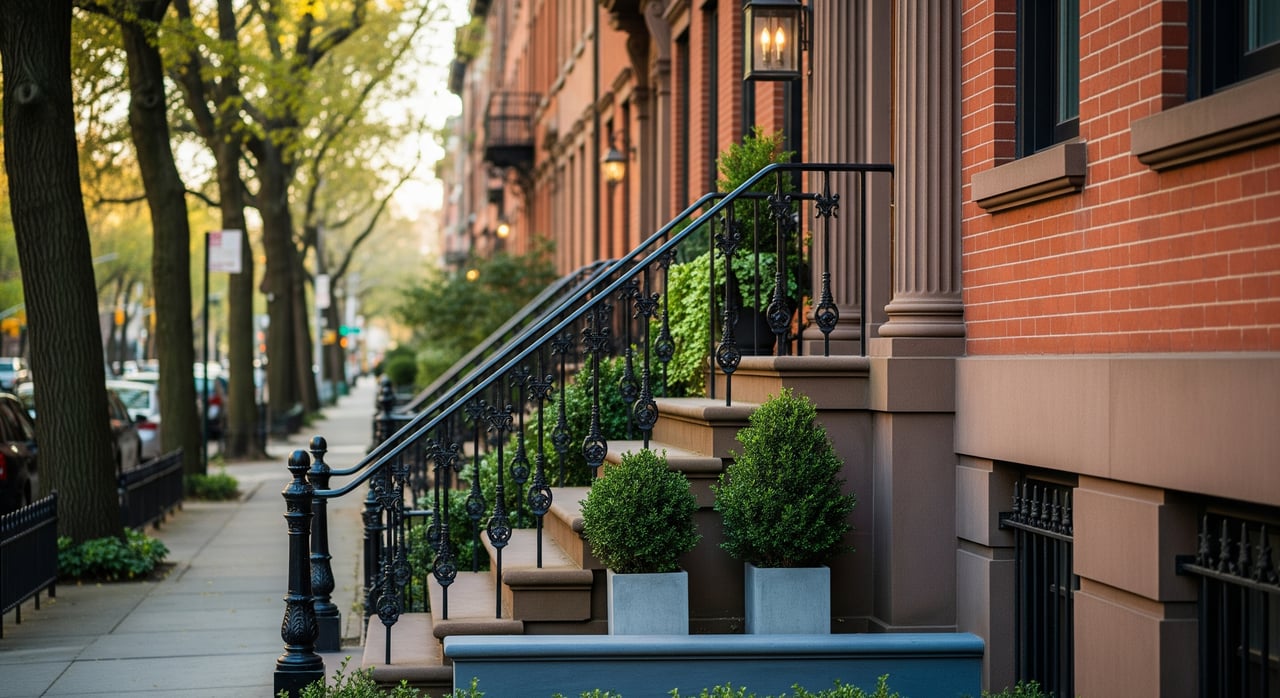
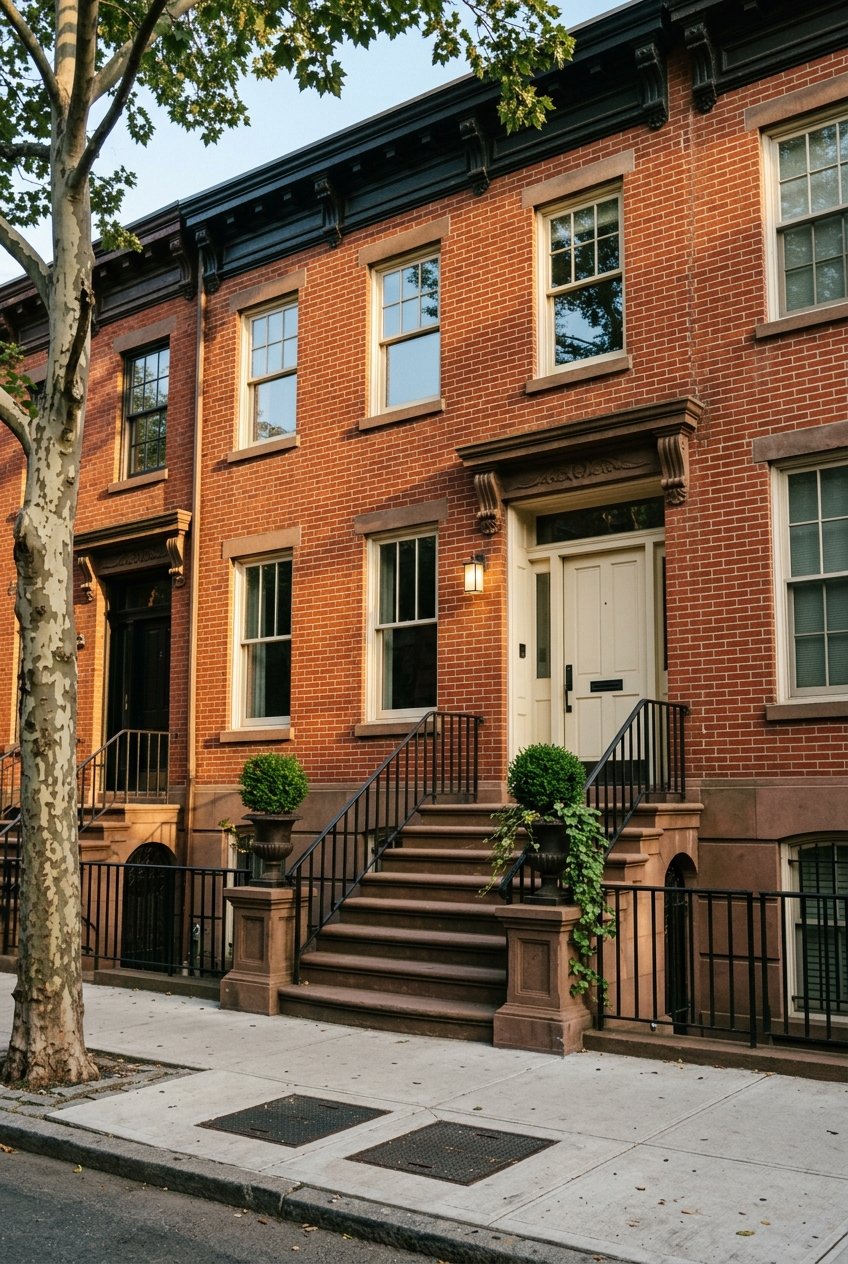
Fort Greene has a distinct housing mix, and that shapes how you should sell. According to the NYC Department of City Planning, the neighborhood is known for three- to five-story brownstone row houses, one- and two-family homes, multi-family apartment buildings, and mid-rise buildings.
That matters because buyers are not shopping one broad market. They are comparing specific property types, conditions, and layouts. In February 2026, PropertyShark market data showed a median sale price of about $1 million overall, with condos at $1 million, co-ops at $561,000, and houses at $4.2 million.
Buyer interest also appears steady. StreetEasy’s 2025 neighborhood watch reported that Fort Greene searches rose 7.2% in 2024, tying demand to the area’s brownstones, central location, and cultural amenities.
Step 1: Identify Your Property Type
Before you think about price, start with the basics. Your sale strategy should reflect whether you are selling a townhouse, brownstone, co-op, or condo.
A townhouse or brownstone often competes on scale, condition, original detail, outdoor space, and block appeal. A co-op sale usually includes more building-specific review and buyer documentation. The New York State Attorney General’s co-op overview explains that co-op buyers purchase shares in a corporation tied to a proprietary lease, and maintenance is based on the shares allocated to the apartment.
That structure can affect your timeline, buyer pool, and prep list. It is one reason Fort Greene sellers benefit from a property-specific plan instead of a generic neighborhood average.
Step 2: Check Landmark and Historic District Status
In Fort Greene, this step can save you time and frustration. Much of the neighborhood includes historic housing stock, and some properties are inside landmarked historic districts.
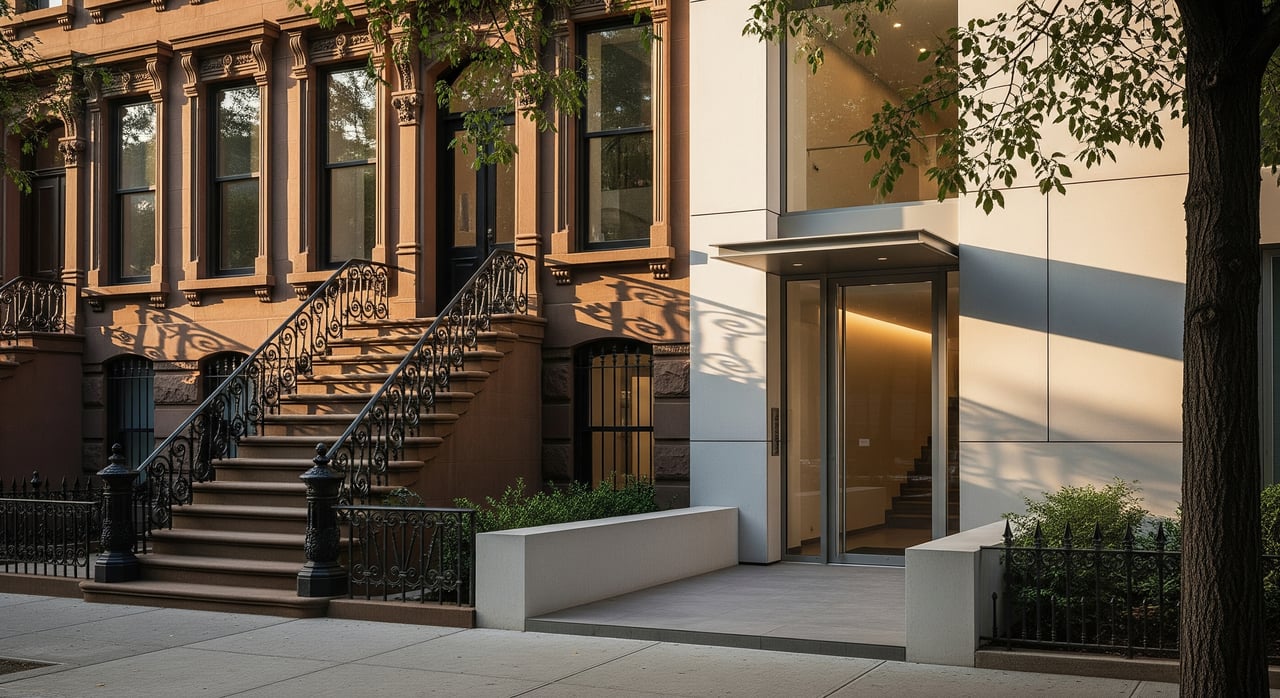
If your home is designated or located in a historic district, exterior work may need advance approval. The Landmarks Preservation Commission states that owners must obtain permits for most alterations affecting designated buildings, while ordinary exterior repairs and maintenance like replacing broken window glass generally do not require a permit.
Before you start exterior touch-ups, confirm status through the city’s landmark resources. This is especially important if you were planning to repaint trim, alter windows, repair facade details, or make visible exterior updates before listing.
Step 3: Walk Through Like a Buyer
Your pre-list walkthrough should go beyond obvious clutter. In Fort Greene, buyers often respond to both the home itself and the feel of the building and block.
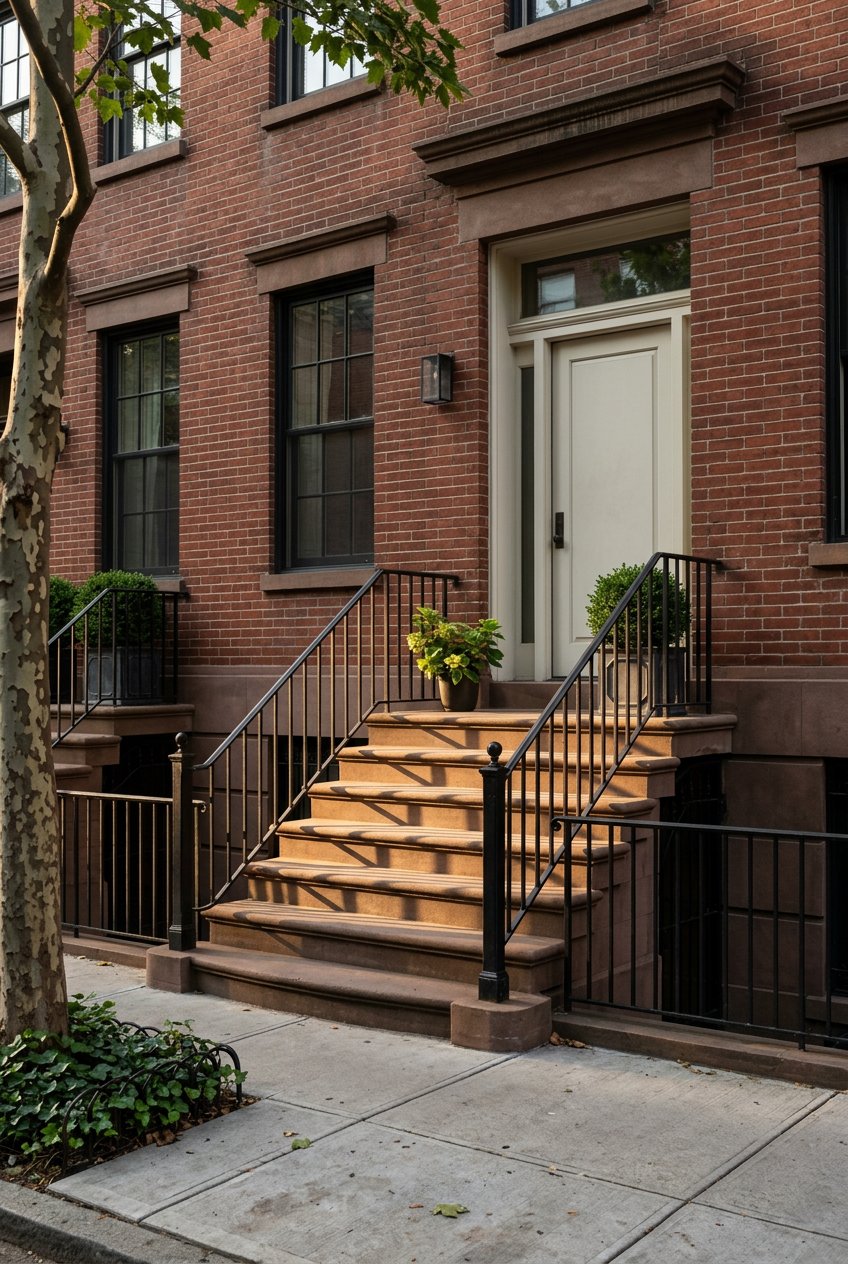
For brownstones and row houses, pay close attention to the facade, stoop, windows, trim, roofline, rear yard or garden, and signs of deferred maintenance. In apartments, focus on what buyers will notice first: light, flow, storage, ceiling height, and the overall condition of key living spaces.
This step helps you separate must-do fixes from items that can stay as-is. It also helps you decide where to invest before launch.
Step 4: Prioritize Smart Repairs and Presentation
Not every seller needs a major overhaul. Most homes benefit more from targeted improvements that make the property feel clean, cared for, and easy to understand.
Start with issues that affect first impressions or raise buyer questions. That could mean patching walls, repainting interiors, refinishing worn surfaces, improving lighting, or cleaning up outdoor areas.
If your property has original details, the goal is usually to make them stand out, not compete with them. Fort Greene buyers often appreciate character, but they also want to picture an easy move.
Step 5: Stage for Space and Character
Staging can help buyers see value faster. According to the National Association of Realtors’ 2025 staging report, 29% of sellers’ agents said staging increased the dollar value offered by 1% to 10%, and 49% said it reduced time on market.
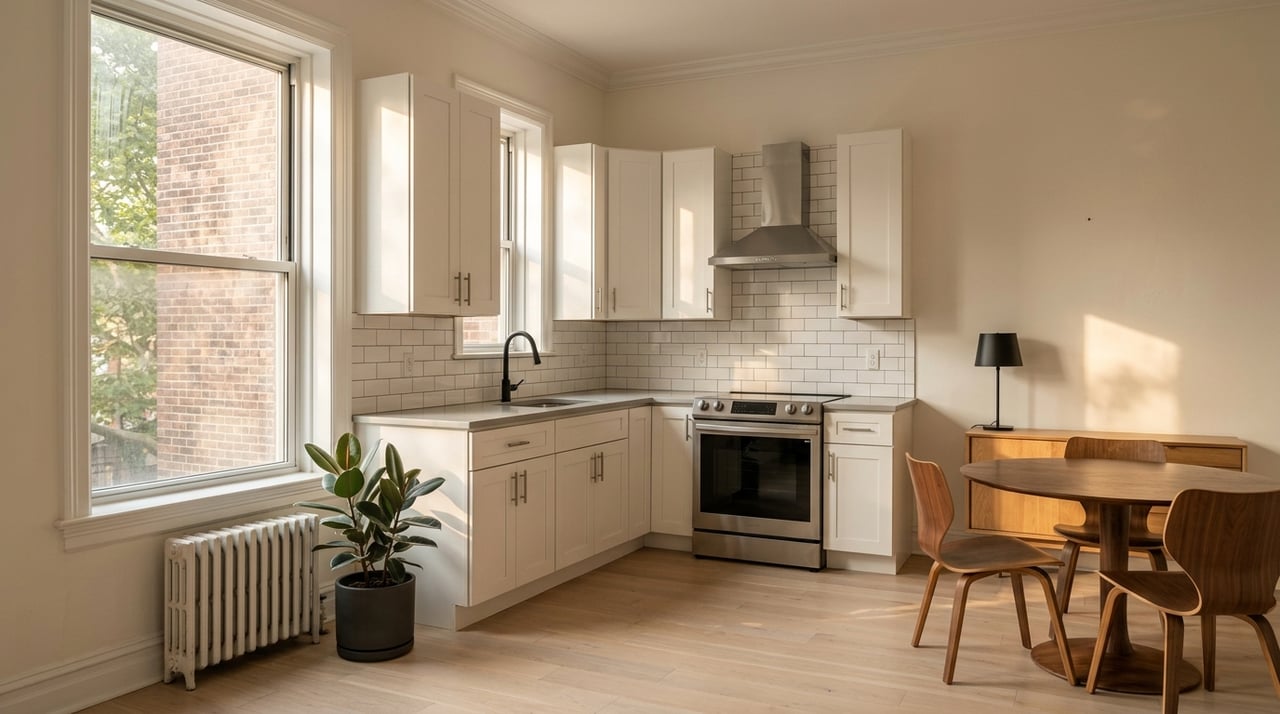
The same report found that the living room, primary bedroom, and kitchen were the most commonly staged rooms. In Fort Greene, that makes sense. These spaces often carry the most weight when buyers evaluate a home’s function, comfort, and style.
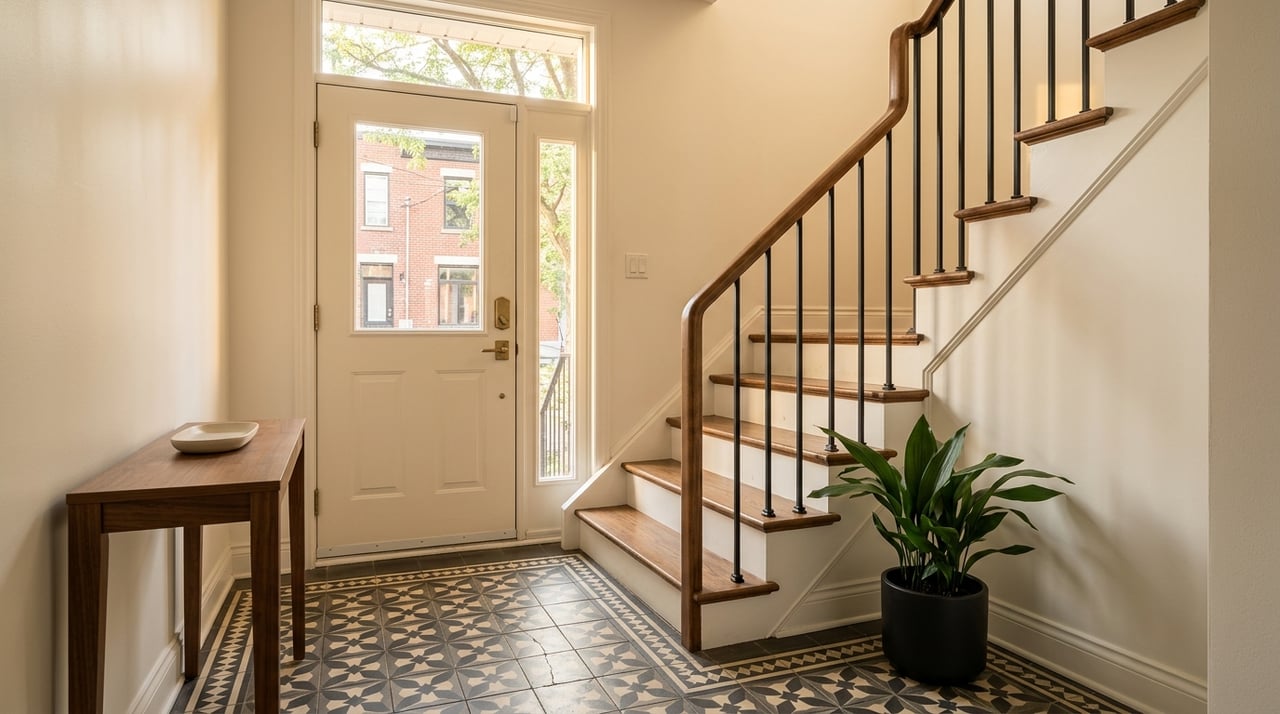
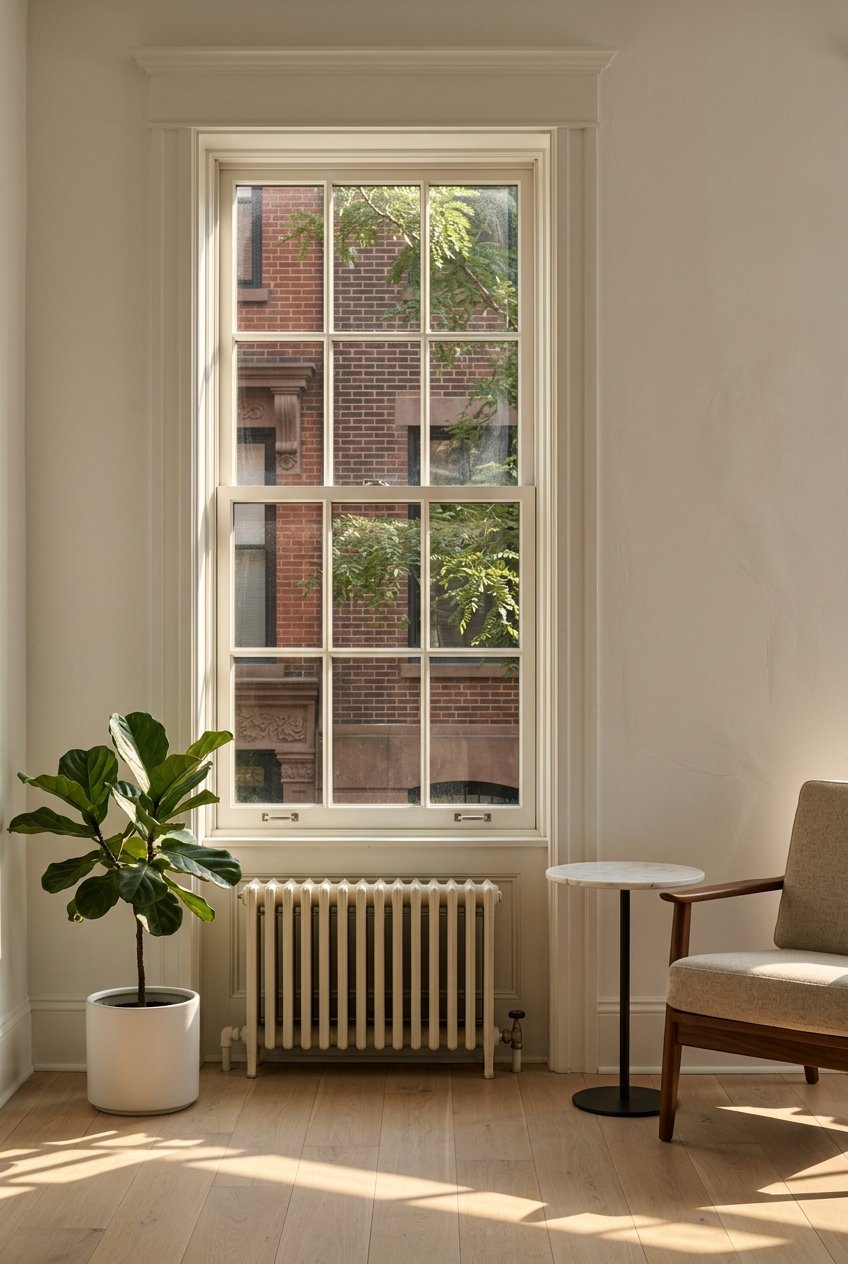
For homes with period detail, staging should support the architecture, not hide it. Clean sightlines, fewer personal items, and thoughtful furniture placement can help buyers notice moldings, fireplaces, tall windows, and ceiling height.
Step 6: Price by Comp Set, Not by Hype
This is one of the most important steps in the entire process. In Fort Greene, the right price usually comes from a tight comp set based on property type, condition, and building style.
A renovated townhouse should not be priced like a co-op. A co-op with lower maintenance should not be compared loosely to a condo with different monthly costs and ownership structure. The spread in PropertyShark’s Fort Greene sales data shows why sellers need category-specific pricing.
There is also a practical reason to price carefully from day one. Realtor.com’s Fort Greene market snapshot reported 33 homes for sale in February 2026, a median 51 days on market, and a 101% sale-to-list ratio. That suggests buyers are active, but the best results still depend on strong alignment between condition, pricing, and launch quality.
Step 7: Front-Load Your Launch
Your first days on market matter. If buyers are interested in Fort Greene, you want them to see a polished, well-priced listing right away.
That means your photography, listing copy, showing schedule, and pricing strategy should be ready before you go live. Testing the market with an inflated number can make it harder to build momentum during the period when attention is usually highest.
Your marketing should also reflect what buyers already respond to in the neighborhood. Based on StreetEasy’s neighborhood watch report, Fort Greene interest is tied in part to brownstone character, central location, and neighborhood amenities.
Step 8: Market the Home Clearly
Good marketing helps buyers understand both the property and its setting. In Fort Greene, strong listing materials should make the home’s layout, light, finishes, and architectural details easy to grasp.
For brownstones and townhouses, photography and copy should clarify scale, original details, outdoor space, and how the home relates to the block. For condos and co-ops, buyers may focus more on layout efficiency, monthly costs, building type, and move-in condition.
The most effective marketing is specific. It should help buyers imagine daily life in the space without overstatement.
Step 9: Prepare for Showings and Buyer Questions
Once your property is live, buyers will start comparing quickly. They may ask about condition, carrying costs, recent updates, outdoor space, building rules, or historic district limitations.
If you are selling a co-op, expect more process questions from buyers because of the ownership structure and approval path. If you are selling a townhouse or brownstone, buyers may pay close attention to exterior condition and long-term maintenance items.
The smoother your answers and documentation, the easier it is for buyers to move forward with confidence.
Step 10: Review Offers With Net Proceeds in Mind
The highest offer is not always the strongest one. You also want to look at financing, contingencies, timing, and the likely path to closing.
Taxes matter here too. The NYC Department of Finance notes that the city’s base real property transfer tax is paid by the seller, while New York State’s mansion tax on residential properties is paid by the buyer, with supplemental NYC taxes applying at higher price points.
Because Fort Greene sales can sit in price ranges where transfer taxes influence negotiation, buyers may focus closely on the final contract number and closing costs. A careful offer review should consider your likely net, not just the headline price.
Step 11: Manage Closing Logistics Early
A smooth closing starts well before the final week. In New York City, the closing file can include transfer tax filings, property forms, and utility handoffs that are easy to overlook if you wait too long.
The NYC Department of Finance says ACRIS is used to create and file the real property transfer tax packet, and the return must be paid and filed within 30 days after the transfer. The city also notes that the packet includes forms related to future tax, water, and sewer bills, plus a smoke-detector affidavit of compliance.
Utility planning matters too. The NYC Department of Environmental Protection advises requesting a property transfer meter reading at least 30 days before closing, stopping automated bill payments before the sale is final, and unenrolling from My DEP Account before the sale is final.
What Fort Greene Sellers Can Expect
No two sales are identical, but recent data offer a useful starting point. Based on Realtor.com’s neighborhood data, a typical Fort Greene listing was on the market for about 51 days in February 2026.
That does not mean every home takes seven weeks. A well-prepared listing in the right comp set may move faster, while an over-priced or more complex property may take longer.
The common thread is preparation. In a neighborhood with historic housing, distinct property categories, and buyers who care about both character and condition, details tend to matter.
Why Local Coordination Helps
Fort Greene sales often involve moving parts that are easy to underestimate. You may need to confirm landmark status, separate your comp set correctly, coordinate staging, answer building-specific questions, and stay ahead of tax and utility deadlines.
That is where a high-touch local team can make the process feel more manageable. With neighborhood knowledge, organized marketing, and steady communication, you can make smarter decisions at each step instead of reacting under pressure.
If you are thinking about selling in Fort Greene, Claudette Rolling can help you build a plan that fits your property type, timing, and goals. Whether you are selling a co-op, condo, or townhouse, you deserve clear guidance and hands-on support from prep through closing.
FAQs
How long does it usually take to sell a home in Fort Greene?
- Recent Realtor.com market data showed a median of 51 days on market in February 2026, though timing can vary based on property type, price, and condition.
Do Fort Greene sellers need to stage their home before listing?
- Not every home needs full staging, but the NAR 2025 staging report found that staging can increase value and reduce time on market.
What should Fort Greene sellers know about landmarked properties?
- If your property is designated or located in a historic district, the Landmarks Preservation Commission says most exterior alterations require approval, while some ordinary repairs and maintenance may not.
How should Fort Greene sellers price a co-op versus a townhouse?
- Fort Greene pricing should be based on a property-specific comp set because recent sales data show major differences between co-ops, condos, and houses.
What closing costs are most important for Fort Greene sellers to plan for?
- The NYC Department of Finance says the city’s base real property transfer tax is seller-paid, making it one of the key closing cost items to review early.