Trying to decide between a co-op and a condo in Fort Greene? You are not alone. The buildings look similar from the sidewalk, yet the way you buy, live, renovate, and eventually sell can be very different. In this guide, you will learn how ownership works, what boards expect, how monthly costs stack up, how financing timelines compare, and a simple pre-approval checklist to get you ready. Let’s dive in.
Which option fits your goals
Choose a co-op if you prioritize value and stability
- You want a lower price per square foot compared with many condos in the area.
- You are comfortable with a board package and interview process.
- You plan to live in the home as your primary residence and do not need flexible rental options.
- You value a community-oriented building with clearer house rules.
Choose a condo if you want flexibility and easier resale
- You prefer a deed to your unit and fewer hurdles to purchase.
- You want more liberal subletting rules and broader resale buyer pools.
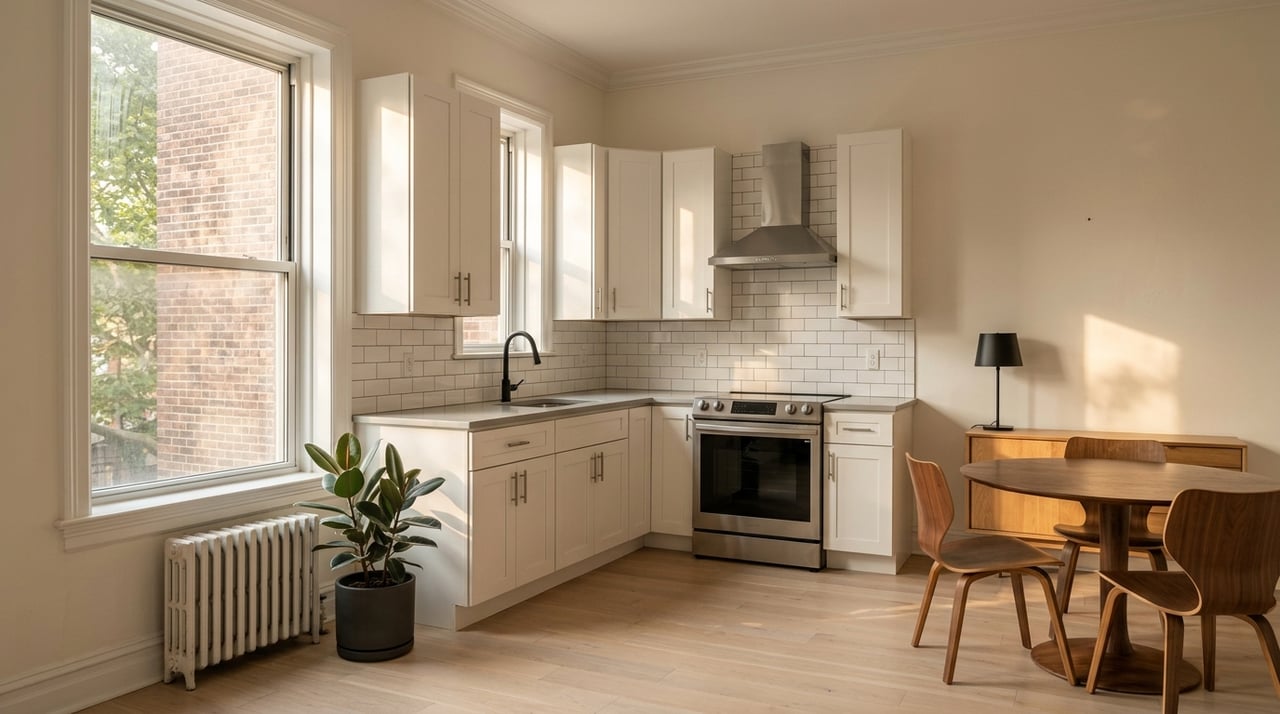
- You like modern finishes, in-unit systems, and amenity packages common in newer buildings.
- You are comfortable handling your own property tax bill in addition to monthly common charges.
What you own and how it is governed
Ownership and documents
- Co-op: You purchase shares in a corporation that owns the building and receive a proprietary lease for your unit. You do not receive a deed. Typical documents include a stock certificate, proprietary lease, house rules, sublet and alteration policies, board minutes, offering memorandum, and financial statements.
- Condo: You receive a deed to a specific unit plus an undivided interest in common elements. Expect a declaration or CC&Rs, bylaws, offering plan for new buildings, and an HOA budget or reserve study.
Control and approvals
- Co-op: The board has broad discretionary control. Applications are detailed, interviews are common, and approval is not guaranteed.
- Condo: The board enforces rules but typically does not approve buyers in the same way. Purchases usually proceed once mortgage and title standards are met.
Taxes and billing
- Co-op: Property taxes are paid by the corporation and included in your monthly maintenance.
- Condo: You pay your own property tax bill and separate monthly common charges for building operations.
Fort Greene building patterns to know
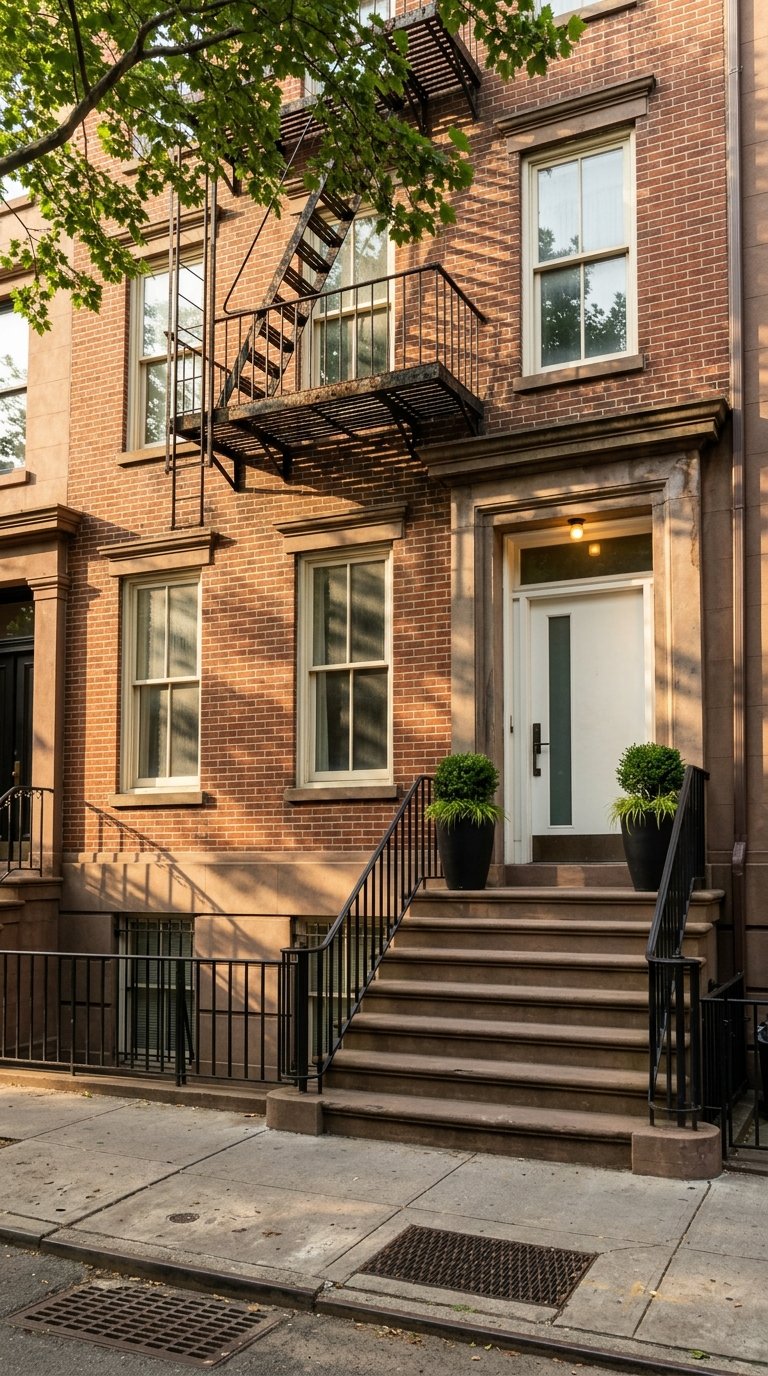
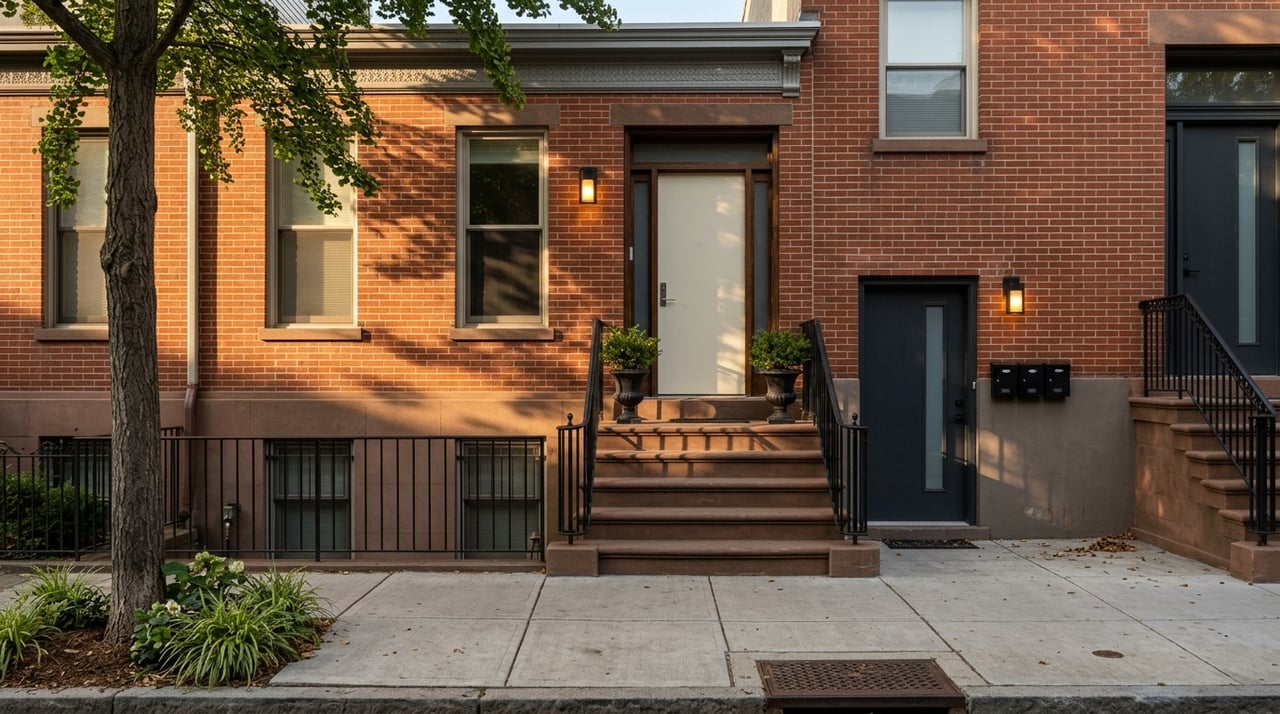
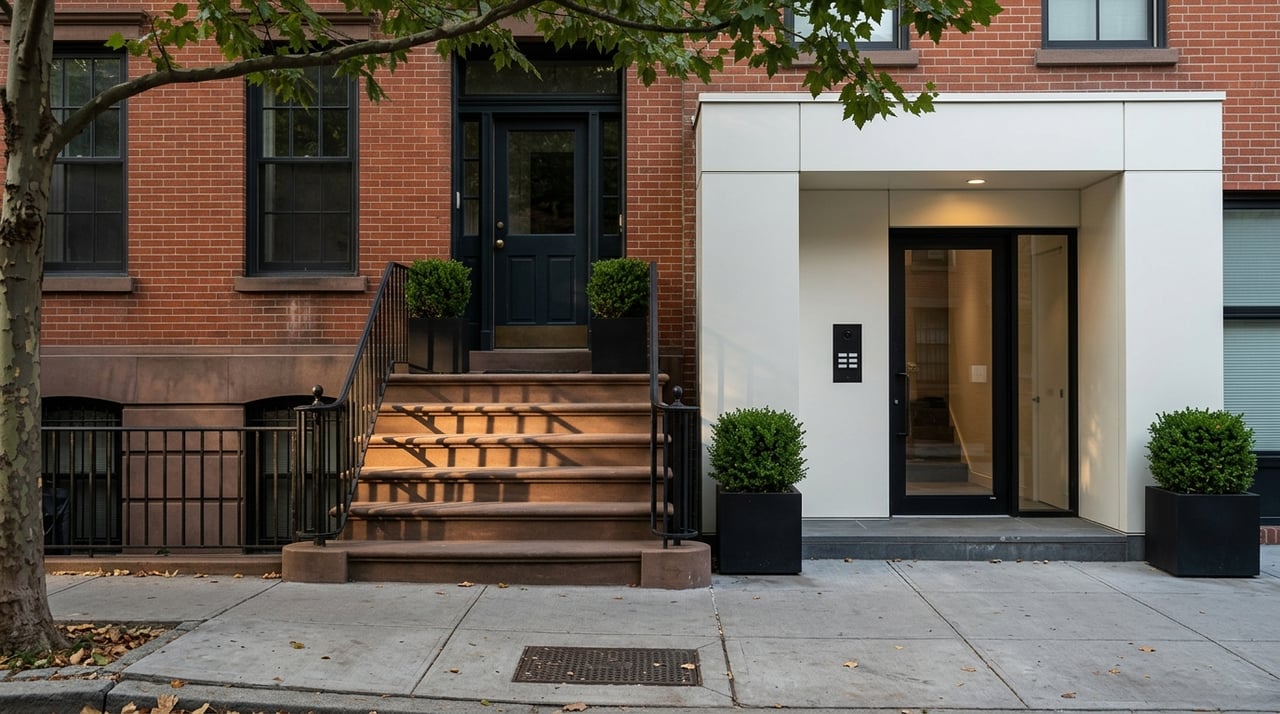
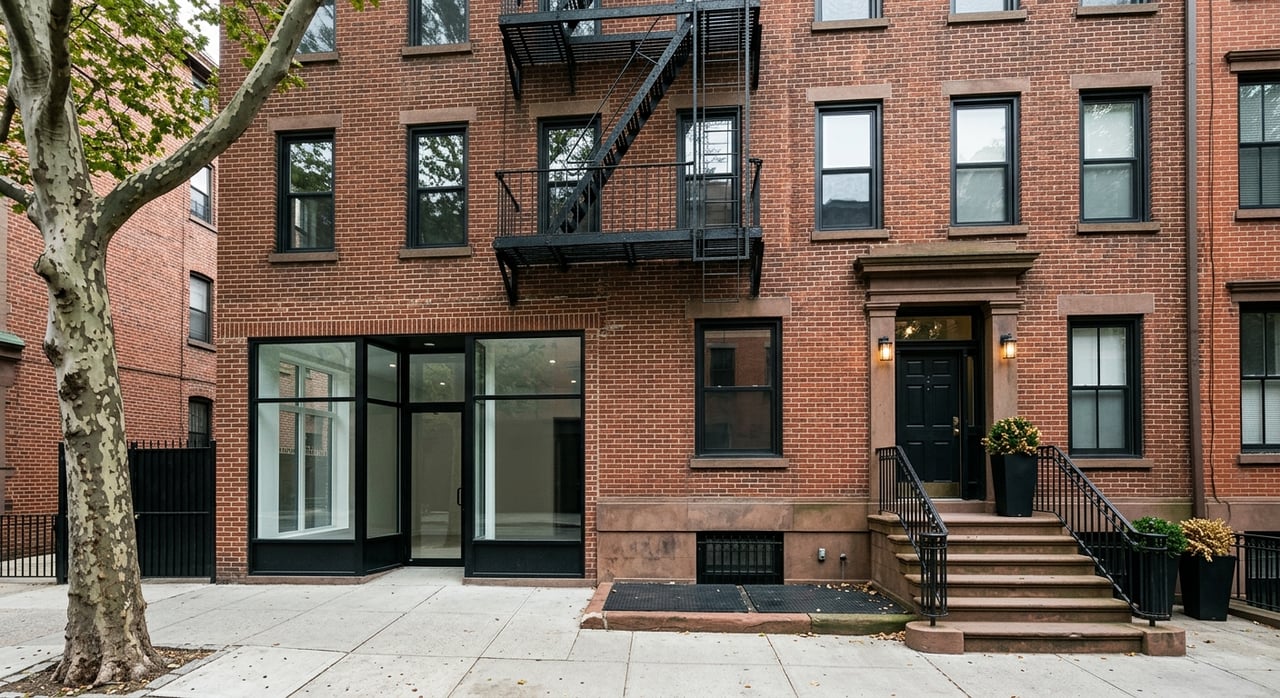
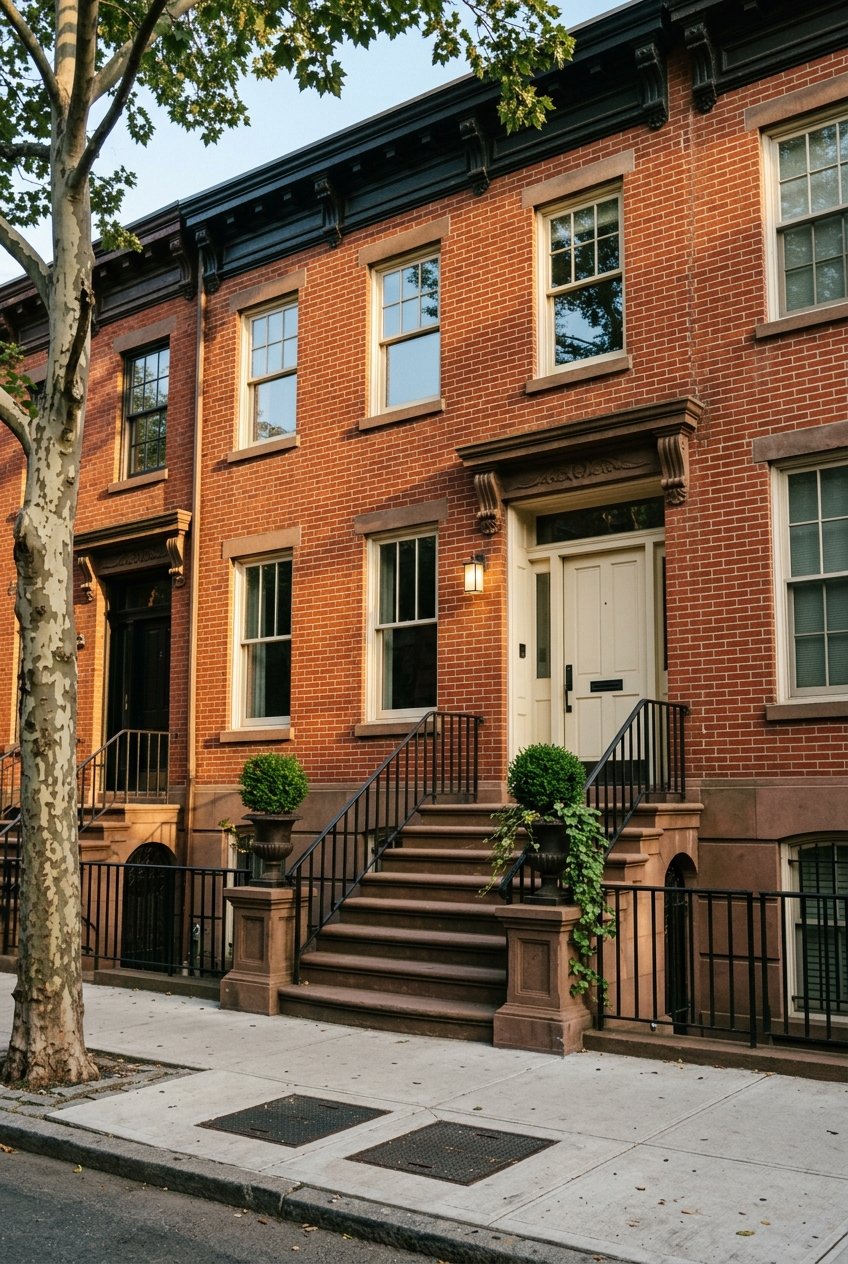
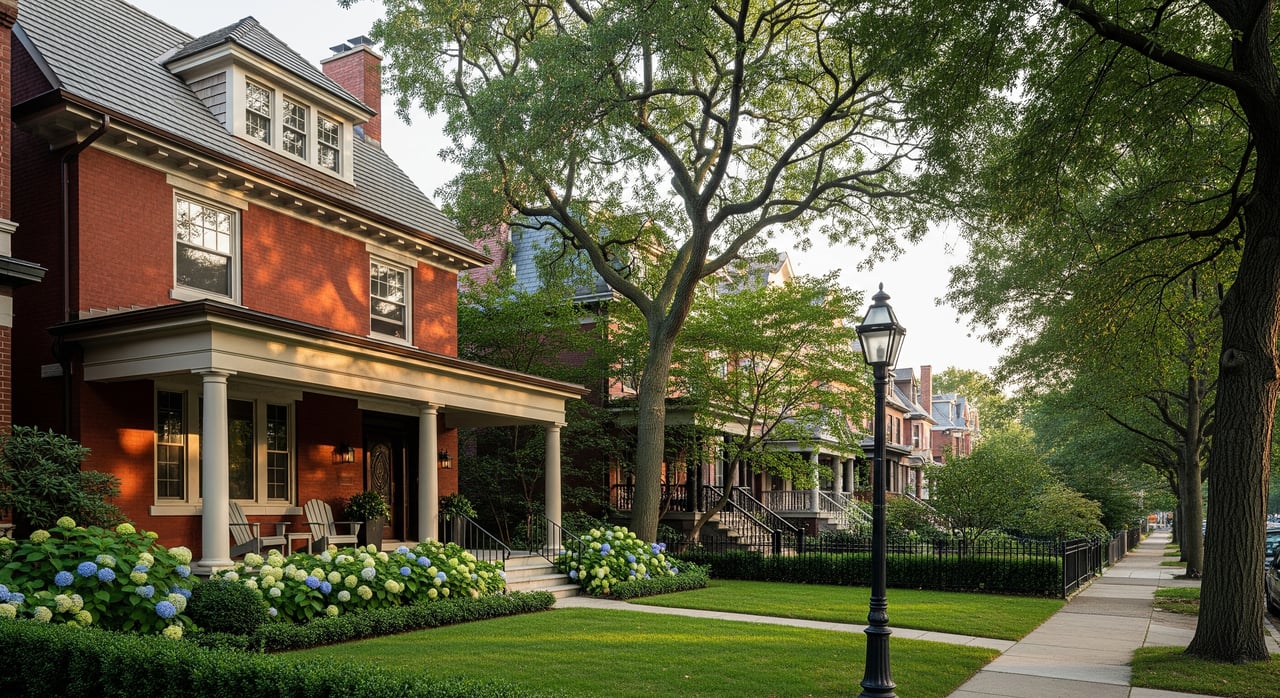
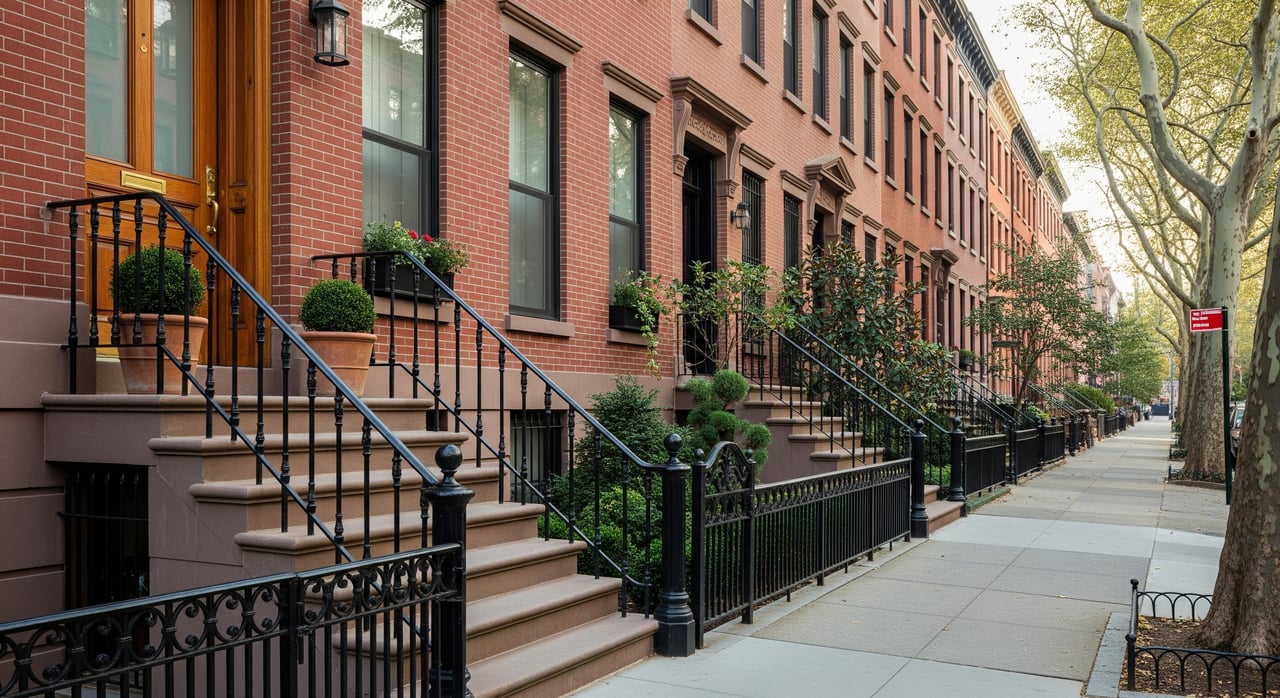
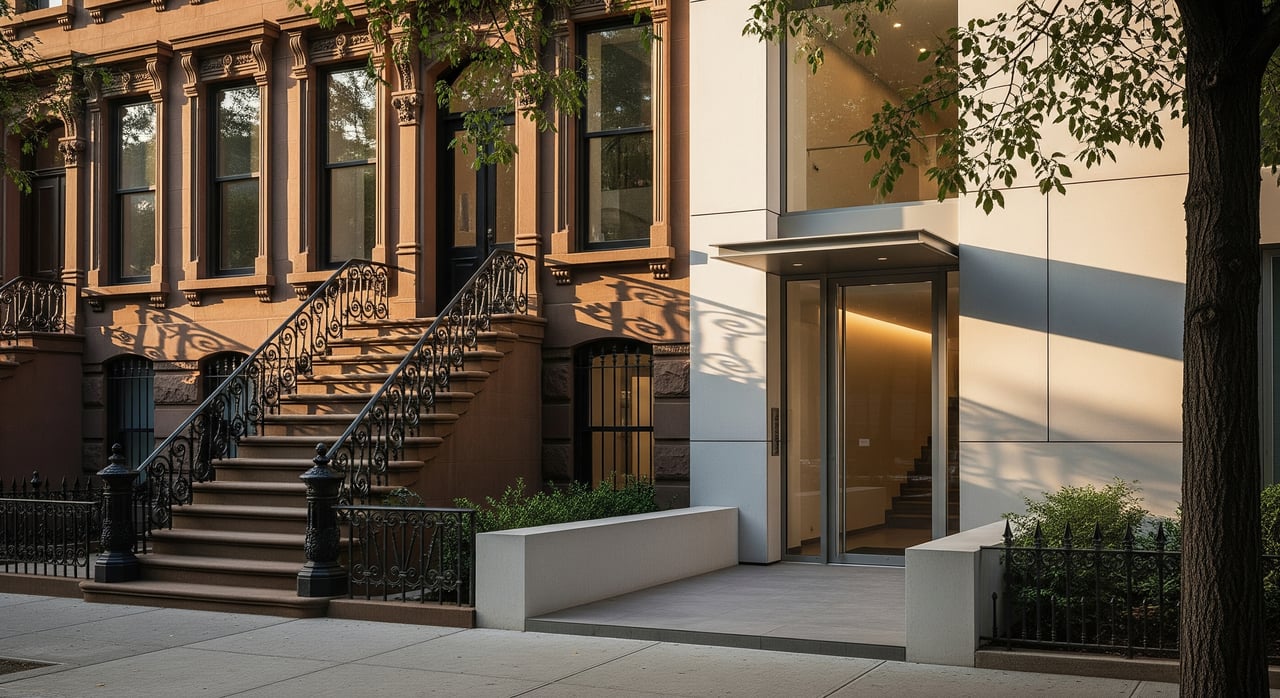
Fort Greene has a wide mix of buildings. Many prewar brownstones, walk-ups, and converted apartment buildings were turned into co-ops, often with historic details and older mechanical systems. You will also find mid-century co-op towers with elevators and larger footprints. Newer and boutique condos from the 2000s to today tend to cluster near Atlantic Avenue and the Flatbush and DeKalb corridors, with more extensive amenities and modern in-unit systems. Inventory and pricing are also influenced by larger condo projects and mixed-use developments in nearby Downtown Brooklyn and Clinton Hill.
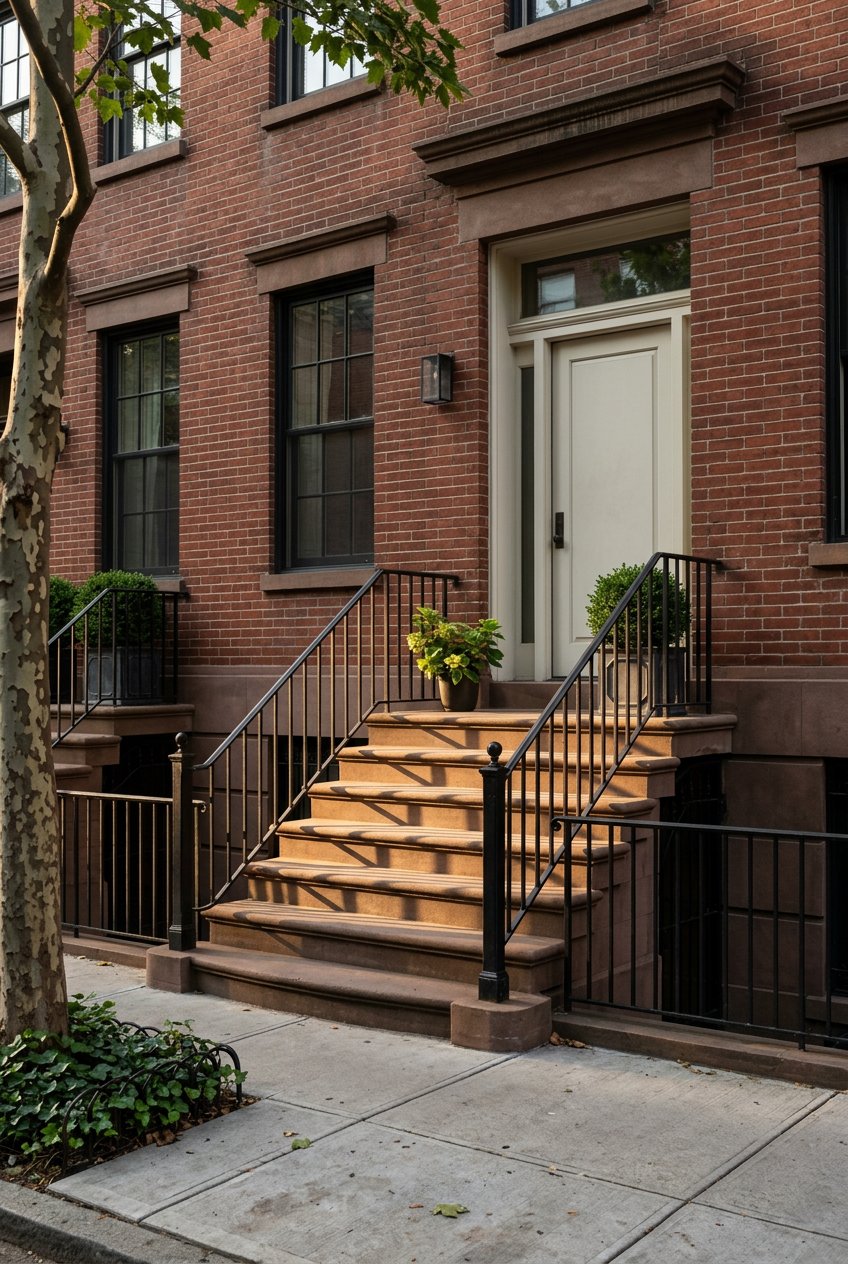
Transit access around Atlantic Terminal and Barclays Center drives demand for both property types. On landmarked blocks within the Fort Greene Historic District, townhouse exterior work may require NYC Landmarks Preservation Commission approvals, so plan extra time and cost if you are considering a renovation.
Board rules and renovations
Co-op board expectations
- Application: Prepare a comprehensive package that often includes financial statements, tax returns, bank statements, employer letters, reference letters, and questionnaires. Some boards ask for a brief explanation of your purchase.
- Interview: Many boards conduct interviews and may weigh subjective fit with the building community.
- Financial thresholds: Expect minimum down payments around 20 to 25 percent, and some boards want to see post-closing liquid reserves that cover several months of maintenance or more.
- Subletting: Many co-ops limit or forbid rentals, set rental caps, or require owner-occupancy periods before subletting is allowed.
- Alterations: You will need approvals for significant work. Licensed contractors, insurance, and limited construction hours are common requirements.
- House rules: Policies on pets, storage, noise, and common areas can be strict, and enforcement tends to be consistent.
Condo rules and flexibility
- Purchase approval: Buyers generally do not face interviews or discretionary purchase approvals. Exceptions can occur, so review the offering plan and building policies.
- Subletting: Rules are typically more flexible for rentals than in co-ops, which attracts investors and owners who want options.
- Alterations: You have more autonomy inside your unit, but structural work and any exterior changes still require approvals. The HOA enforces rules via fines or liens when necessary.
Monthly costs to compare
How fees are structured
- Co-op maintenance: Combines building operations, any underlying building mortgage, property taxes, building insurance, and sometimes utilities if centrally metered. Monthly maintenance often looks higher than condo fees because taxes are included.
- Condo common charges: Cover building operations, staff, insurance, and common-area utilities. You pay your unit’s property taxes separately.
What to verify for each listing
- What is included in monthly fees, such as taxes, heat, hot water, cooking gas, or building-wide internet.
- The reserve fund balance and most recent reserve study. Low reserves can signal future assessments.
- Recent or upcoming assessments or capital projects like roof or facade work, boiler replacements, or Landmarks-required repairs.
- For co-ops, whether there is an underlying building mortgage that drives maintenance higher.
- How utilities are metered. Individually metered utilities are common in condos, while co-ops may include them in maintenance.
Cost drivers in Fort Greene
- Prewar co-ops: Older systems and periodic facade or mechanical projects can raise maintenance or lead to assessments.
- Newer condos: Higher per-square-foot purchase prices are common, though monthly fees can be more predictable. Amenity-heavy buildings may add separate fees.
- Taxes and abatements: Condo owners should confirm current tax bills and any abatements with the NYC Department of Finance, since assessments can shift over time.
Financing and timelines
Loan types and down payments
- Co-ops: Financing is a share loan secured by your co-op shares. Lender options can vary based on the building’s financials and documentation. Boards often require at least 20 to 25 percent down, and some expect more from investors.
- Condos: Conventional mortgages are typical, and more lenders participate. Some loans allow 5 to 10 percent down for primary residences, though many buyers choose 20 percent to improve terms.
Typical timelines
- Condo purchases: Often 30 to 60 days from contract to closing when financing is straightforward.
- Co-op purchases: Often 45 to 90 days or more due to the board package process, interviews, and potential post-approval conditions.
Your Fort Greene pre-approval checklist
- Gather documents
- Two recent pay stubs, last two years of tax returns, W-2s or 1099s, recent bank statements, retirement account statements for reserves, proof of other income, and ID.
- Check your credit
- Pull your credit report, correct errors, and aim for the best score possible before you shop.
- Set your down payment target
- Plan for a higher down payment for co-ops if the board requires it. Confirm your strategy with your lender.
- Choose a local lender or broker
- Work with a mortgage pro experienced with Brooklyn co-ops and Fort Greene condos to avoid underwriting surprises.
- Get pre-approved
- Obtain a pre-approval letter with amount and basic terms. You will need it for offers and co-op board packages.
- Prepare your co-op package early
- If you are buying a co-op, begin assembling your board package while the lender underwrites your loan.
- Schedule appraisal and document review
- Your lender will order an appraisal and review condo or co-op financials. Review the findings with your agent and attorney.
- Reserve cash for closing and reserves
- Budget for closing costs, possible move-in escrows, and any post-closing liquidity that a co-op board may require.
Ready to compare specific buildings or refine your budget? Talk with Claudette Rolling to map a clear path from pre-approval to keys in hand.
Resale realities and buyer pool
- Co-ops: The buyer pool can be smaller due to board approval requirements and rental limits. That can mean longer marketing times, though co-ops that are well run and well priced often see strong interest from value-focused buyers.
- Condos: Broader buyer pools, including investors and buyers seeking rental flexibility, often lead to higher resale liquidity and higher per-square-foot prices.
- Price drivers in Fort Greene: In co-ops and brownstone conversions, light, outdoor space, and ceiling height are especially influential. In condos, in-unit laundry, modern HVAC, and full amenity access can move the needle.
- Transaction costs: Some co-ops have flip taxes that affect net proceeds. Both property types have transfer taxes, legal fees, and other closing costs to plan for. For condos, changes in property tax assessments can influence affordability for future buyers.
Preparing for resale
- For co-ops: Document system upgrades, highlight historic details, and collect board compliance paperwork early.
- For condos: Emphasize amenities, energy or systems upgrades, and keep HOA financials and reserve studies organized for buyer review.
Common red flags to check
- Low reserve funds or unclear budget. Ask for the most recent reserve study.
- High maintenance or common charges compared with similar buildings, without clear justification.
- Pending litigation involving the board or association.
- Large recent or planned assessments, especially for facade, roof, or boiler work.
- For co-ops, a sizable underlying mortgage that pushes maintenance higher.
- For townhouses or exteriors in landmarked areas, potential Landmarks or Department of Buildings issues, open permits, or violations.
Neighborhood and regulatory notes
- Landmarks: Many blocks in the Fort Greene Historic District require approval for exterior changes to townhouses. Build time and cost into your plan.
- Development nearby: New supply in Downtown Brooklyn can influence pricing and comps, especially for condos.
- Taxes and abatements: For condos, verify current tax status and any abatements with the NYC Department of Finance.
- Permits and compliance: Check Department of Buildings records for open permits or violations before you close, especially if you plan renovations.
How to choose with confidence
Start by ranking your top needs: value, flexibility, renovation plans, and timeline. Compare buildings, not just property types. Look closely at monthly costs, reserves, and any planned projects. Choose a lender who knows Brooklyn co-ops and condos, and line up your documents early to keep your deal moving. When you are ready for personalized advice and building-specific insights, connect with Claudette Rolling for local guidance and a smooth game plan from search to closing.
FAQs
What is the main difference between a co-op and a condo purchase in Fort Greene?
- In a co-op you buy shares and receive a proprietary lease, while in a condo you receive a deed to the unit and pay separate property taxes and common charges.
How strict are co-op board approvals in Fort Greene?
- It varies by building, but many prewar co-ops use detailed applications, interviews, and financial thresholds, so plan time and prepare strong documentation.
Are condos easier to rent out than co-ops in Fort Greene?
- Generally yes, condo rules for subletting are usually more flexible, but you should always confirm the HOA’s current policies and any caps.
What monthly fees should I compare between listings?
- Compare what the fee includes, reserve balances, any underlying co-op mortgage, recent or planned assessments, and how utilities are metered.
How long does it take to close on a co-op vs. a condo in Fort Greene?
- Condo closings commonly take 30 to 60 days, while co-ops often take 45 to 90 days or more due to board packages and interviews.