Buying in Brooklyn can feel overwhelming fast, especially when you are trying to balance budget, property type, and the reality of New York paperwork. If Flatlands is on your radar, you are likely looking for more space, more value, or a more house-centered part of Brooklyn without losing touch with the city around you. The good news is that Flatlands has a distinct housing mix and a buying process you can prepare for with the right plan. Let’s dive in.
Why Flatlands Stands Out
Flatlands is a largely residential neighborhood in southeast Brooklyn. According to NYC Community Board 18, the area includes predominantly one- and two-family homes, mid-rise developments, commercial shopping, and the Glenwood Houses NYCHA complex.
For you as a buyer, that matters because Flatlands often feels more like a house-buying market than a high-rise apartment market. You may still find co-ops and some apartment ownership opportunities, but many buyers here are comparing detached, semi-detached, or attached homes rather than buildings with long amenity lists.
Another factor is pricing. In a May 2026 market snapshot, Flatlands had a median sale price of $455K, compared with $915K for Brooklyn overall. In the same snapshot, houses had a median sale price of $675K and co-ops had a median sale price of $287K, which helps show the range of entry points depending on what you are buying.
Know What You Are Buying
Before you start touring seriously, it helps to understand how property type can shape your budget, due diligence, and timeline. In Flatlands, that difference can be significant.
Houses in Flatlands
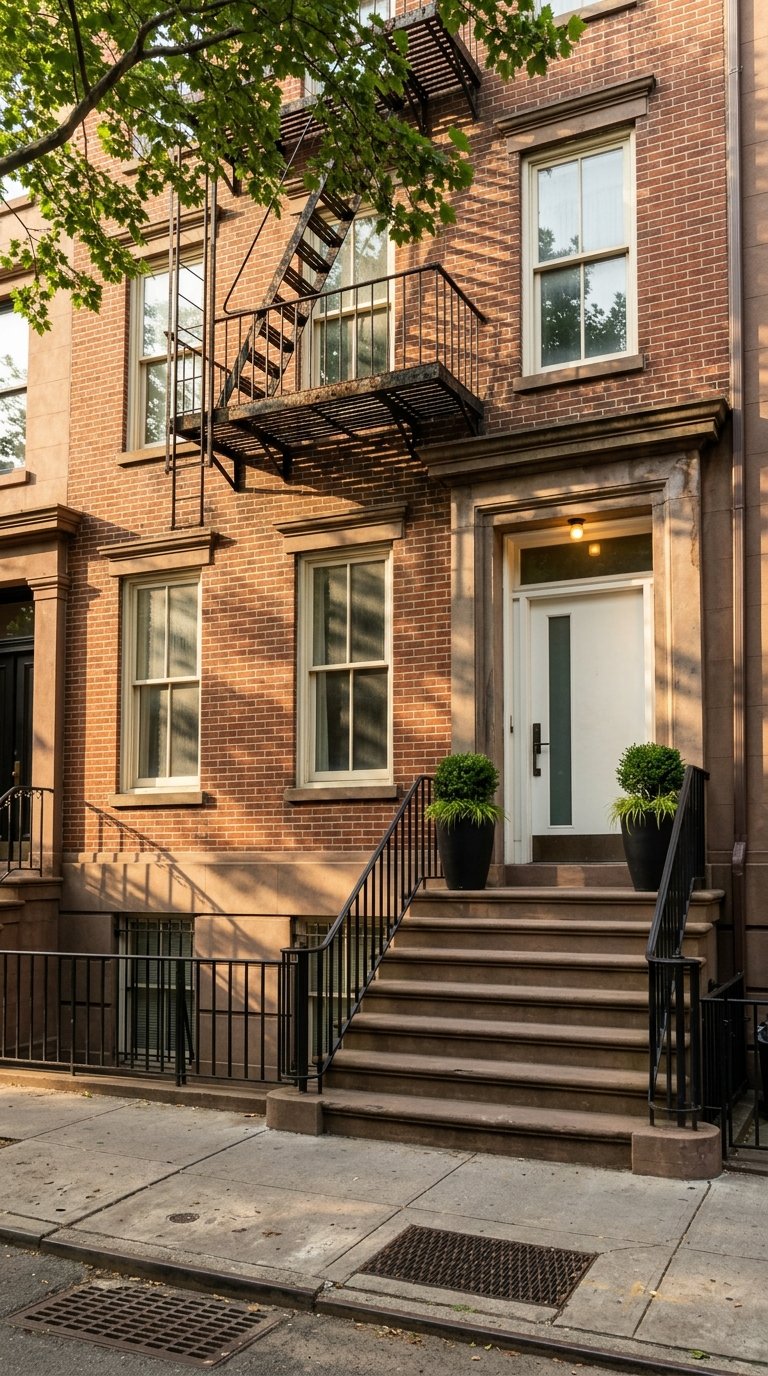
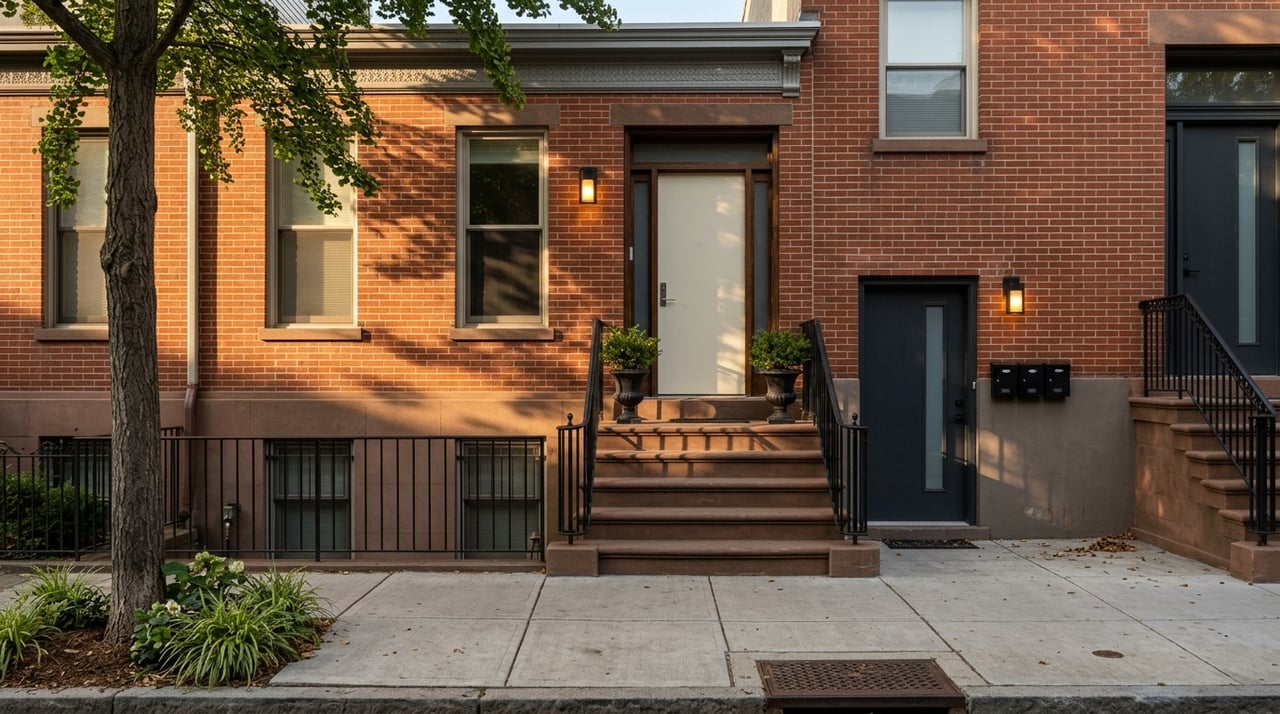
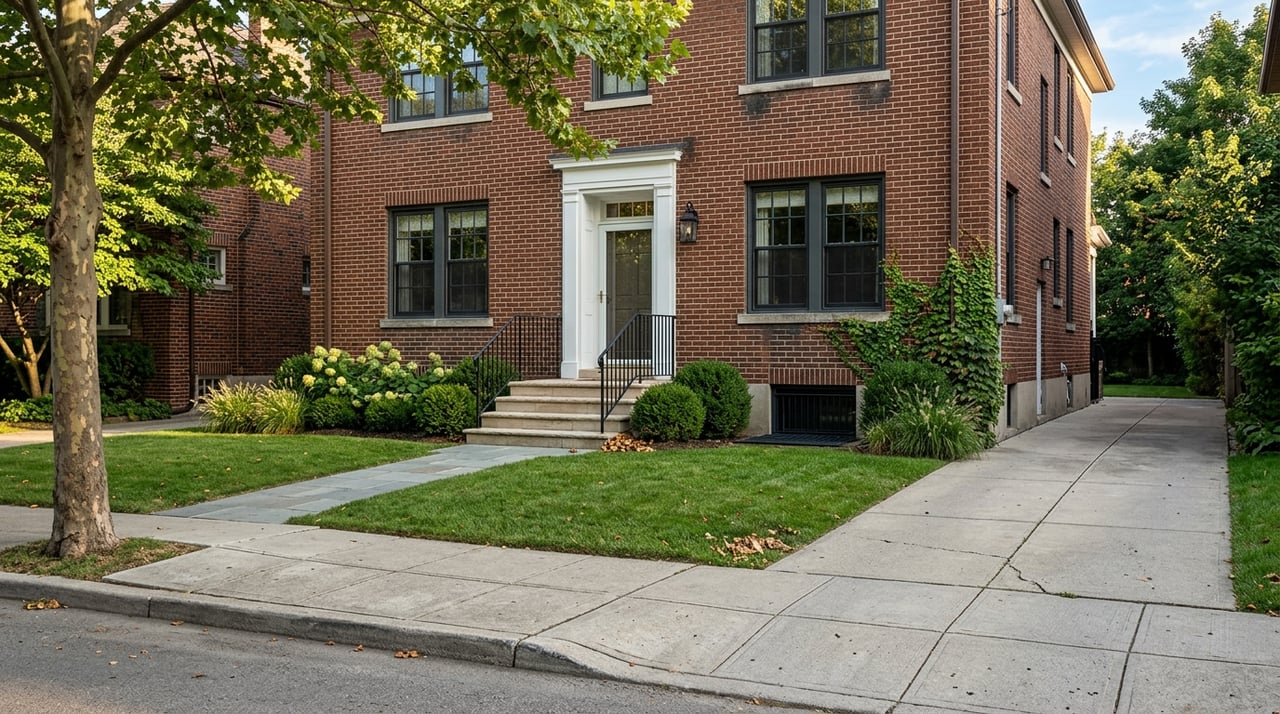
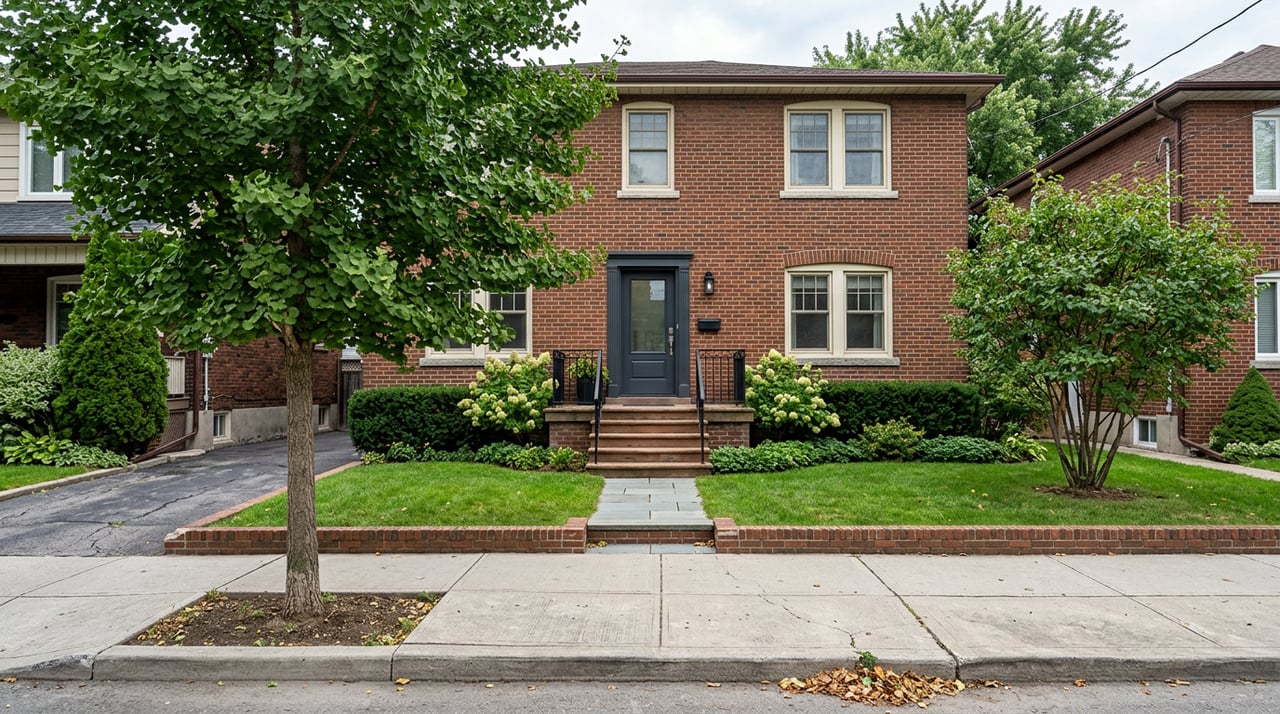
Many Flatlands buyers focus on one- and two-family homes. In New York City, these can be detached, semi-detached, or attached, and lower-density residential districts often allow detached or semi-detached residences.
That means your evaluation should go beyond finishes and room count. You will want to pay close attention to the lot layout, exterior condition, basement, roof, and core systems that affect long-term ownership costs.
Co-ops in Flatlands
A co-op is not the same as buying real property in the usual sense. You are purchasing shares in a corporation, and those shares are tied to a proprietary lease for a specific apartment.
This structure usually means more paperwork and more financial review at the building level. Monthly maintenance charges are tied to your share allocation, and the building’s finances and governance matter just as much as the unit itself.
Condos in Flatlands
Condos may be less common in Flatlands than houses or co-ops, but they still come up in the market. If you are considering a condo, document review is still a major part of the process.
For new development or conversion properties, the offering plan is especially important. The New York State Attorney General advises buyers not to rely on brochures or verbal promises if those details are not written into the offering plan or purchase agreement.
Start With Your Budget
It is easy to focus on the listing price, but your real budget is the monthly cost of ownership and your upfront cash needs. That is where many buyers either gain confidence or hit surprises.
The Consumer Financial Protection Bureau advises buyers to start by checking credit, setting a budget, and shopping multiple lenders. Getting preapproved before you tour seriously is often the smart move, since sellers frequently want to see preapproval before accepting an offer.
You should also remember that a preapproval letter is tentative, not a guaranteed loan. These letters often expire in 30 to 60 days, so timing matters if your search stretches out.
What to include in your monthly budget
Your monthly payment may include more than principal and interest. Depending on the property and your loan, you may also need to plan for:
- Property taxes
- Homeowners insurance
- Mortgage insurance if your down payment is under 20%
- Co-op maintenance or condo common charges
For many Flatlands buyers, this is where comparing houses to co-ops becomes clearer. A house may give you more autonomy, while a co-op may come with maintenance charges that need to fit comfortably into your monthly budget.
What to include in your upfront costs
The CFPB notes that mortgage-related upfront costs can include:
- Lender charges
- Appraisal fees
- Title insurance
- Government fees
- Prepaid interest
- Insurance deposits
- Inspections and other homebuying expenses
In New York City, there are also taxes that can catch buyers off guard if you do not plan for them early.
Watch for NYC-Specific Costs
Two costs are especially important to flag when you buy in Flatlands.
First, New York State says the mansion tax is an additional 1% tax on residential property when the purchase price is $1 million or more. That applies broadly to one-, two-, and three-family homes, condos, and co-op apartments.
Second, NYC Finance says mortgage recording tax applies when mortgages on property in New York City are recorded. This is one of those line items that can materially affect your cash to close, so it should be part of your early planning, not a last-minute surprise.
Get Preapproved Before You Tour
If you want to move quickly when the right property comes up, preapproval is your starting point. The CFPB recommends shopping with at least three lenders, which gives you a better basis for comparing terms.
This step is particularly helpful in a neighborhood like Flatlands, where you might be comparing very different ownership types at very different price points. A lender can help you understand what range works for a house purchase versus a co-op purchase, and what your monthly payment may look like in each case.
For many buyers, this is also the stage where having a patient, neighborhood-focused team helps. You may need introductions to lenders and attorneys, and you may want someone who can help you compare options in plain English.
Tour With a Flatlands Lens
Flatlands is not a one-size-fits-all neighborhood. Because so much of the area is residential and house-oriented, your showing checklist should reflect that reality.
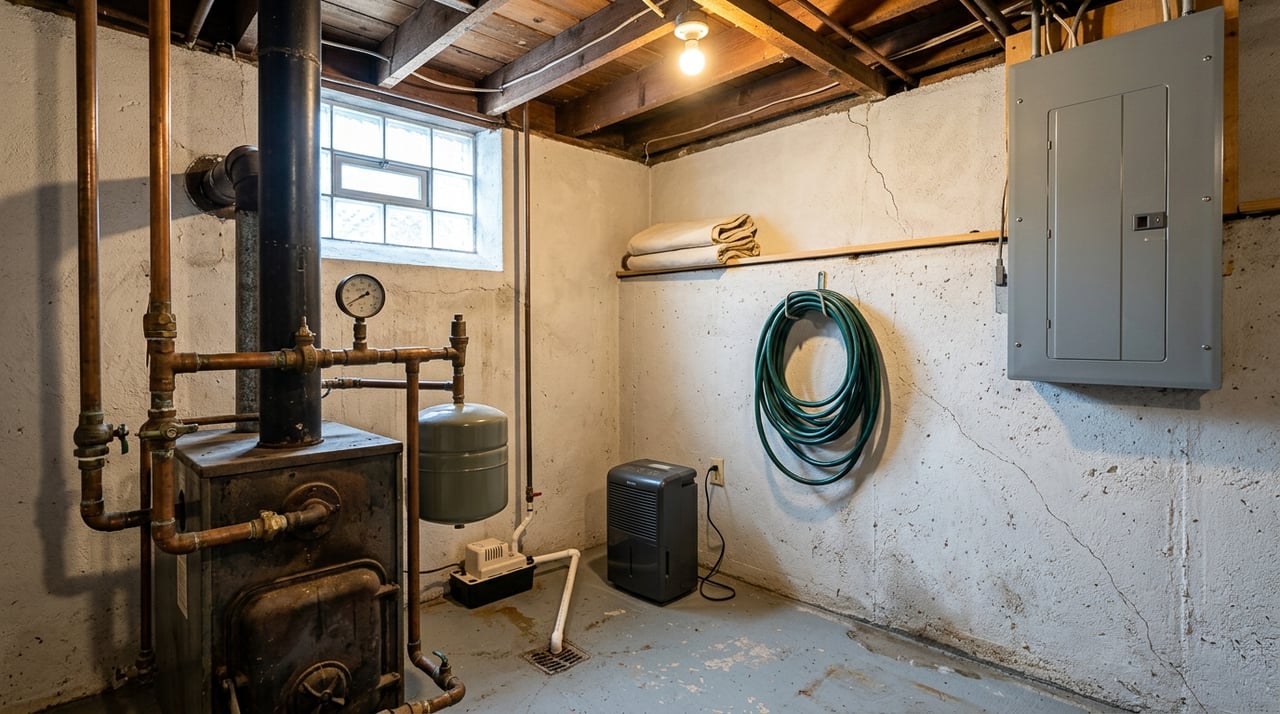
If you are touring houses, the New York State Attorney General advises buyers to inspect the façade, roof, windows, heating and cooling systems, plumbing, electrical systems, basement, and foundation-related conditions. You should also confirm that the property matches the written description before closing.
These details matter because a home’s true cost is not just its asking price. A property that looks appealing on the surface may need major work in systems or structure.
House touring checklist
When you tour a Flatlands house, keep an eye on:
- Exterior walls and façade condition
- Roof age and visible wear
- Window condition and sealing
- Basement moisture or water signs
- Heating and cooling system condition
- Plumbing and electrical updates
- Overall layout of the lot and outdoor areas
Co-op and condo touring checklist
If you are buying a co-op or condo, your diligence shifts toward documents and building health. The Attorney General advises buyers to read the full offering plan and consult an attorney before signing a purchase agreement.
For co-ops in particular, you should pay close attention to the building’s governance and finances. The Attorney General recommends reviewing board minutes, recent financial reports, and known defect history.
You will also want to understand whether the building may be facing major repair costs. Common building-wide items can include façades, roofs, elevators, plumbing, boilers, and electrical upgrades.
Make a Strong, Informed Offer
Once you find the right property, your offer should be based on both your budget and the type of asset you are buying. In Flatlands, that means looking beyond price alone.
For a house, you may weigh condition, layout, and expected repair costs more heavily. For a co-op, you may also be thinking about building financials, maintenance charges, and how the board review process may affect your timeline.
This is where local guidance can make a real difference. A neighborhood-focused agent can help you assess how a property fits the current market and whether the total cost of ownership still makes sense for your goals.
Read Every Document Carefully
In New York, paperwork is not a side issue. It is part of the purchase itself.
For co-ops and condos, the offering plan and purchase documents define what you are actually getting. The Attorney General is clear that buyers should not rely on sales materials or verbal statements if those points are not written into the official documents.
For co-op buyers, this review often extends to the building’s financial statements, board materials, and rules. NYC Finance also notes that co-op property tax bills are mailed to the co-op board, which then allocates that tax burden to unit owners as part of common charges.
Be Ready for Closing
As you approach the finish line, your attention should shift from search mode to verification mode. The CFPB says your lender must provide the Closing Disclosure at least three business days before closing.
That window gives you time to review your final loan terms, monthly payment, and cash-to-close figures. If anything looks different from what you expected, ask questions right away.
You should also be careful with wire instructions. The CFPB warns that mortgage closing scams often target buyers in the final days before closing, so wire details should only be confirmed through trusted, known contacts.
Consider New Construction Carefully
If you are looking at a newly built or recently rebuilt one- or two-family home in Flatlands, there is one more layer to understand. The New York State Attorney General says the Housing Merchant Limited Warranty Law generally provides a one-year warranty against most defects, two years for mechanical systems, and six years for structural defects in newly built homes of five stories or less.
That does not replace due diligence, but it is relevant if you are comparing a newer home with an older resale. The questions you ask about condition, repairs, and long-term maintenance may be different.
Why Flatlands Can Make Sense
Flatlands offers a very specific Brooklyn buying experience. The neighborhood’s residential character, house-heavy inventory, and price differences compared with Brooklyn overall can make it appealing if you want more space or a different ownership style than denser parts of the borough.
It also rewards preparation. If you understand the differences between houses, co-ops, and condos, build a realistic budget, and review documents carefully, you can buy with much more confidence.
If you are thinking about buying in Flatlands and want patient, local guidance through the process, Claudette Rolling can help you navigate the search, connect with trusted professionals, and move from first tour to closing with a clear plan.
FAQs
What types of homes can you buy in Flatlands Brooklyn?
- Flatlands includes predominantly one- and two-family homes, along with mid-rise developments and some co-op and condo ownership opportunities, so many buyers here focus on houses more than high-rise apartments.
How much does it cost to buy a home in Flatlands Brooklyn?
- In a May 2026 market snapshot, Flatlands had a median sale price of $455K, with houses at $675K and co-ops at $287K, though those figures should be treated as directional market data.
What should you budget for when buying in Flatlands Brooklyn?
- You should budget for the full monthly payment and upfront closing costs, including items like property taxes, insurance, mortgage insurance if applicable, co-op or condo fees, lender charges, appraisal fees, title costs, and government fees.
What is different about buying a co-op in Flatlands Brooklyn?
- Buying a co-op means purchasing shares in a corporation tied to a proprietary lease, which usually requires more building-level paperwork, financial review, and attention to board governance and maintenance charges.
What should you inspect when buying a house in Flatlands Brooklyn?
- The New York State Attorney General advises buyers to review the façade, roof, windows, heating and cooling systems, plumbing, electrical systems, basement, and foundation-related conditions before closing.
Are there special taxes to know about when buying in Flatlands Brooklyn?
- Yes. Buyers should be aware of the New York State mansion tax on residential purchases of $1 million or more and NYC mortgage recording tax when a mortgage is recorded in New York City.