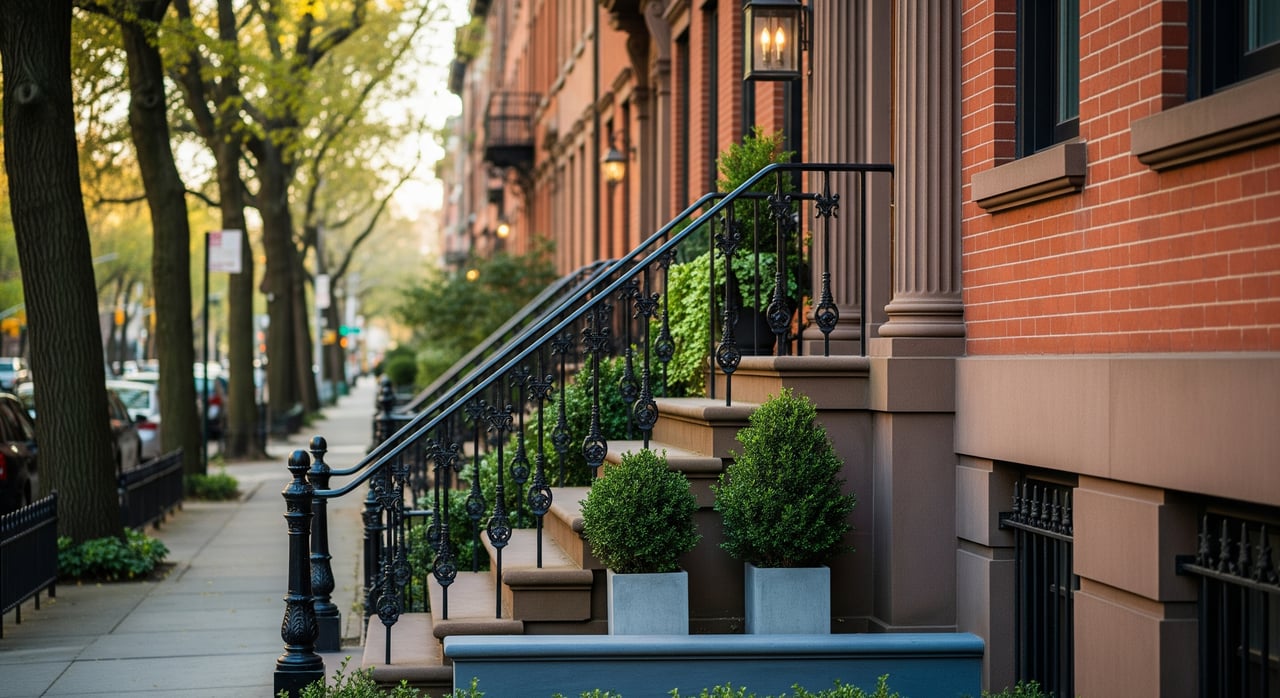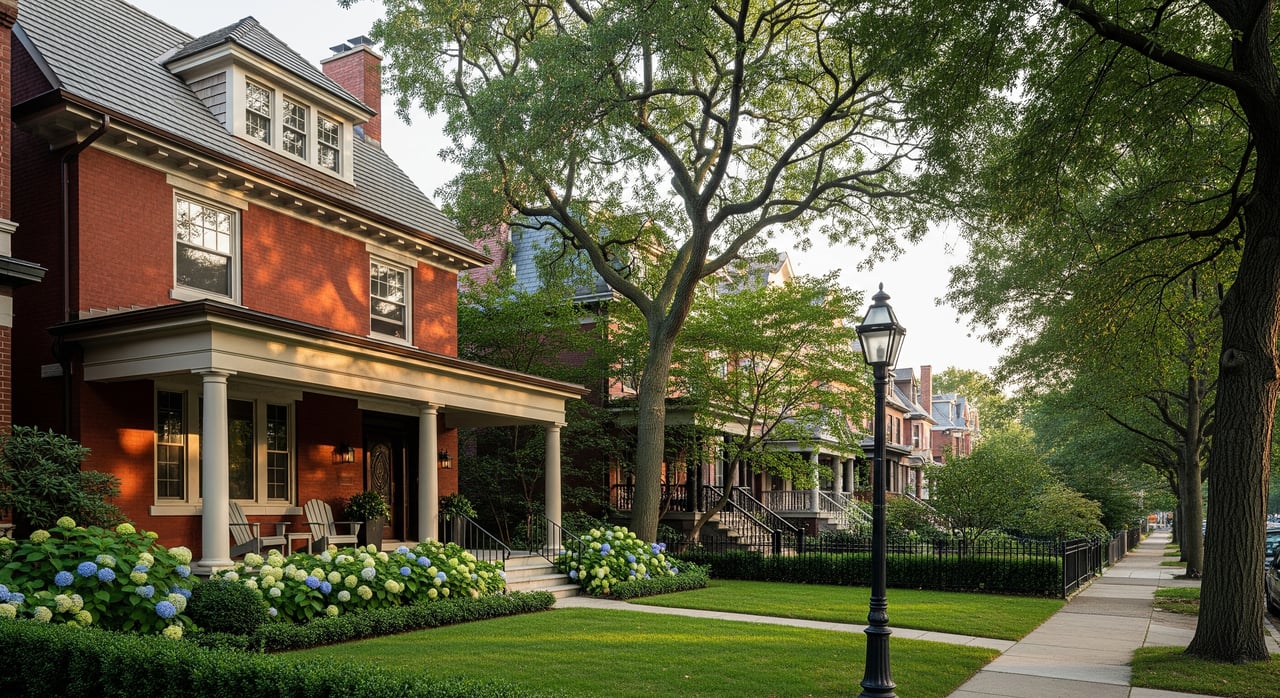
Thinking about a quieter pocket of Brooklyn where you can spread out a bit without leaving the city? If you value tree-lined streets, extra room at home, and a slower pace, Flatlands may fit your list. You might trade a quicker subway commute for more space and a calmer daily rhythm. In this guide, you’ll learn how Flatlands feels on the ground, what homes look like, how you get around, and the day-to-day amenities that make life work here. Let’s dive in.
Flatlands vibe and first impressions
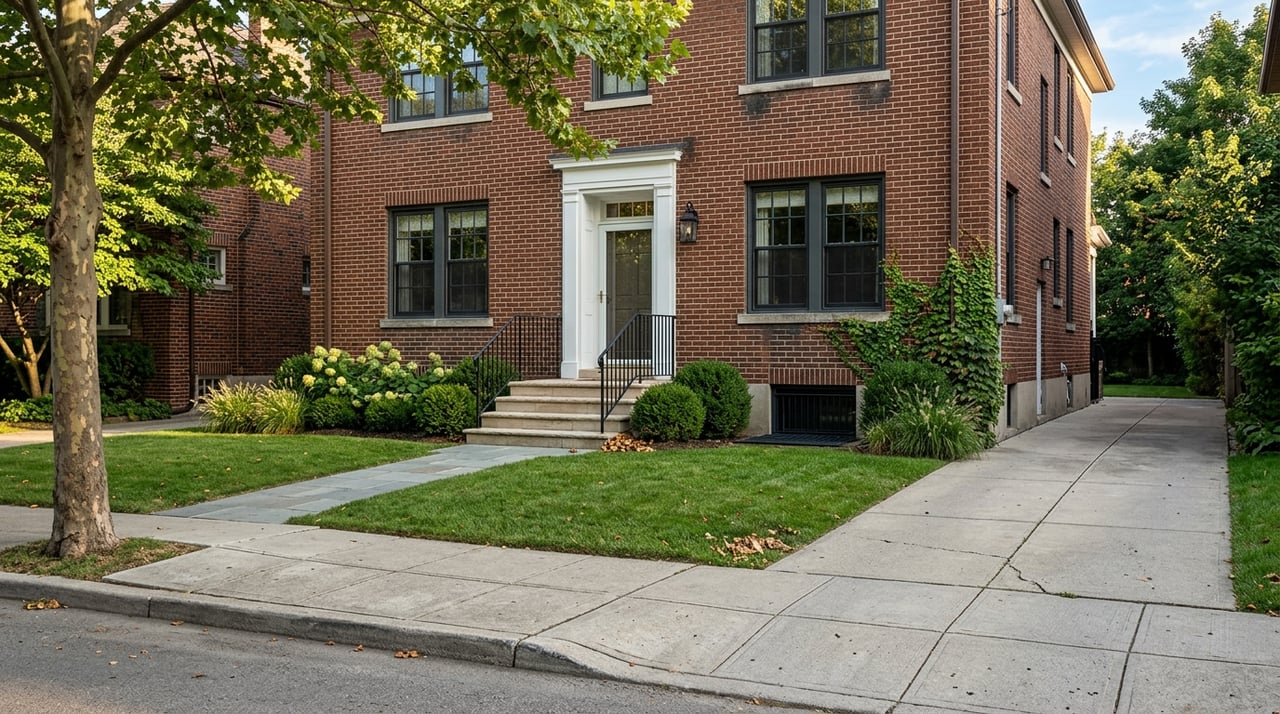
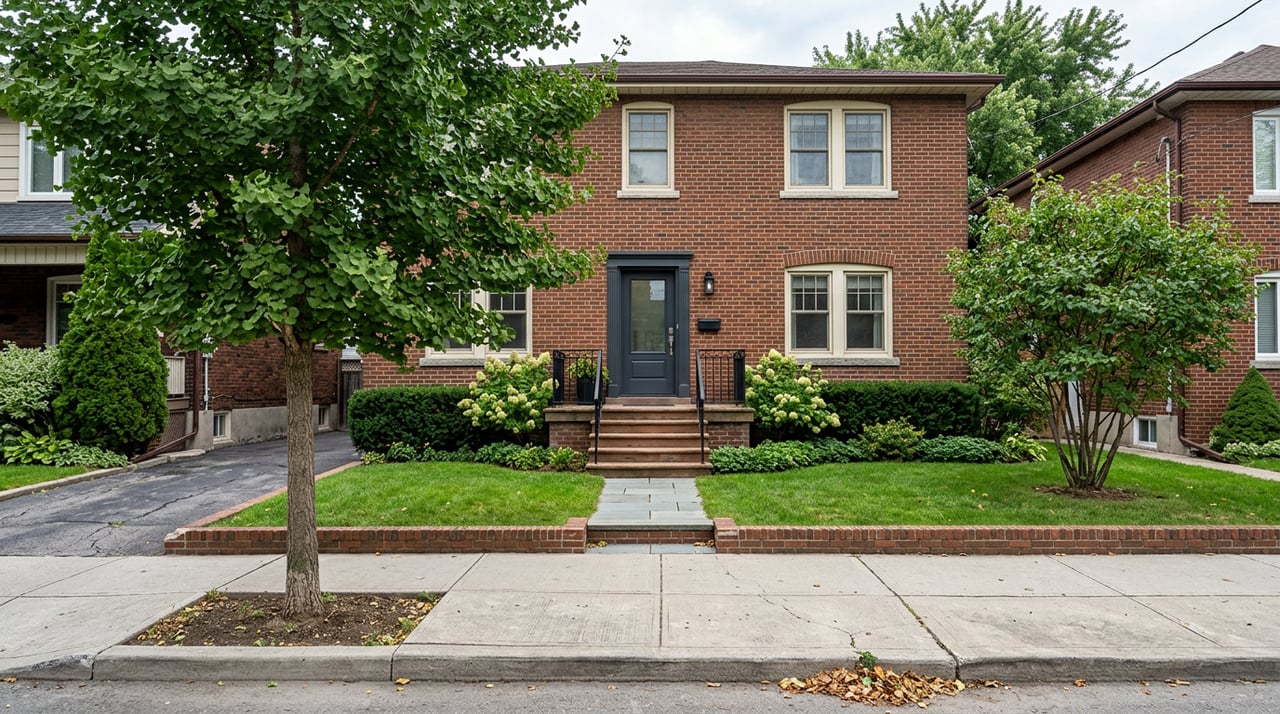
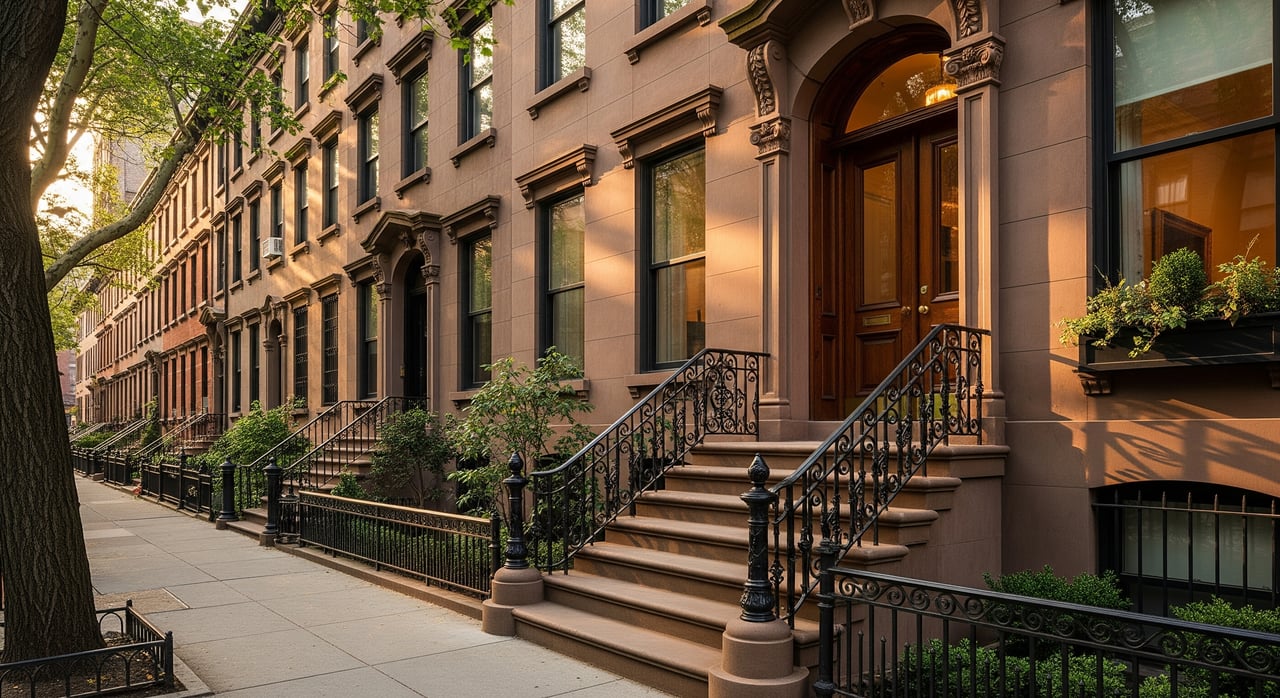
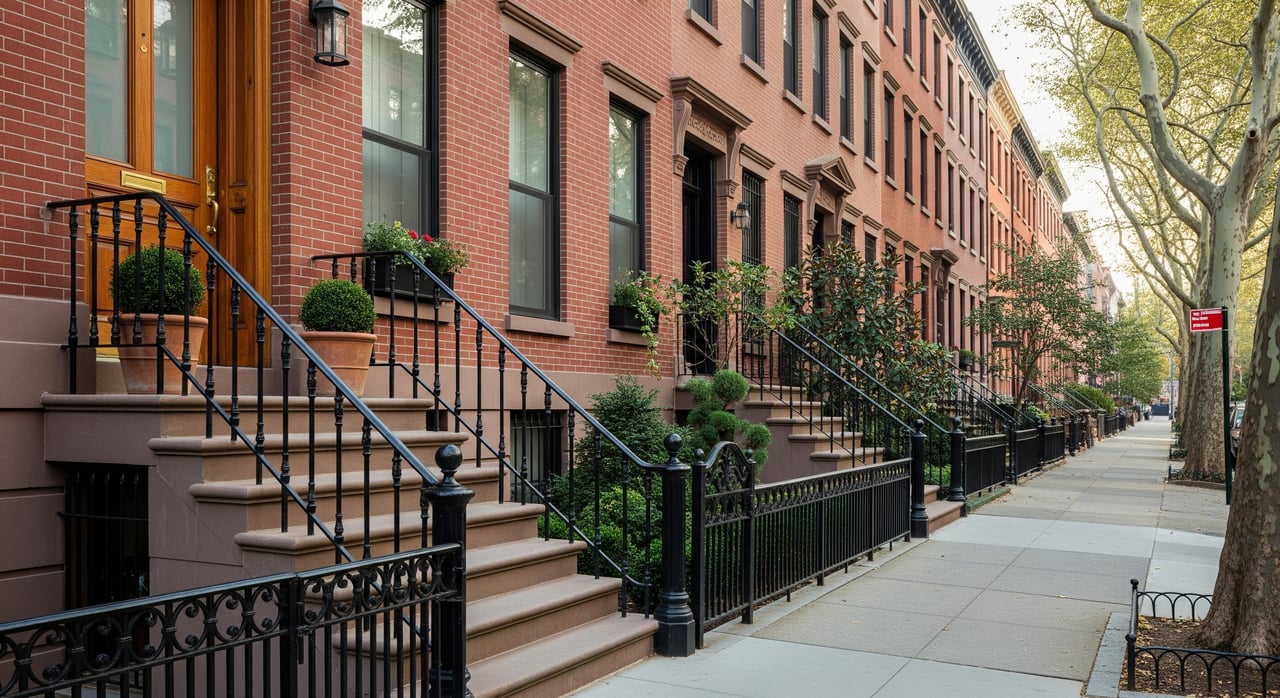
Flatlands sits in southeastern Brooklyn with a true residential feel. You’ll find low-rise homes, front yards, and driveways rather than blocks of brownstones and high-rises. Most streets feel quiet and community-focused, with daily life centered around schools, parks, and local shops rather than nightlife.
If you thrive with a little more space and predictability, the neighborhood can feel like a sweet spot. It is less touristy than central Brooklyn, and many residents describe a stable, long-term community. Expect a car-forward lifestyle on many blocks, with bus service connecting you to subway hubs when needed.
Who thrives in Flatlands
- Families who want extra bedrooms, a yard, or a driveway.
- Buyers who prefer single-family or small multi-family homes at lower density.
- Renters who like quiet streets near schools and parks.
- People who rely on buses or cars more than daily subway access.
- Anyone seeking more square footage for the price compared with central Brooklyn, and who can accept longer commutes to Manhattan.
Housing in Flatlands: what you’ll see
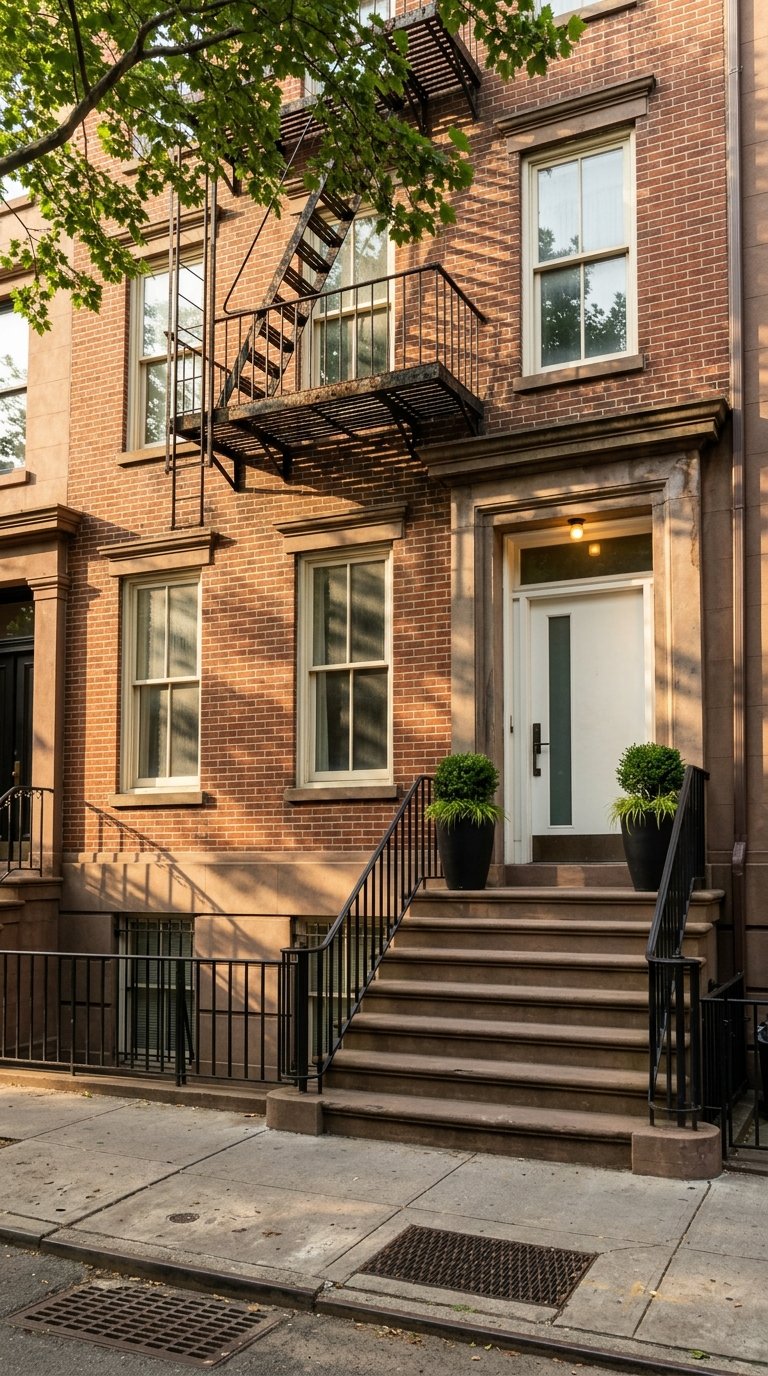
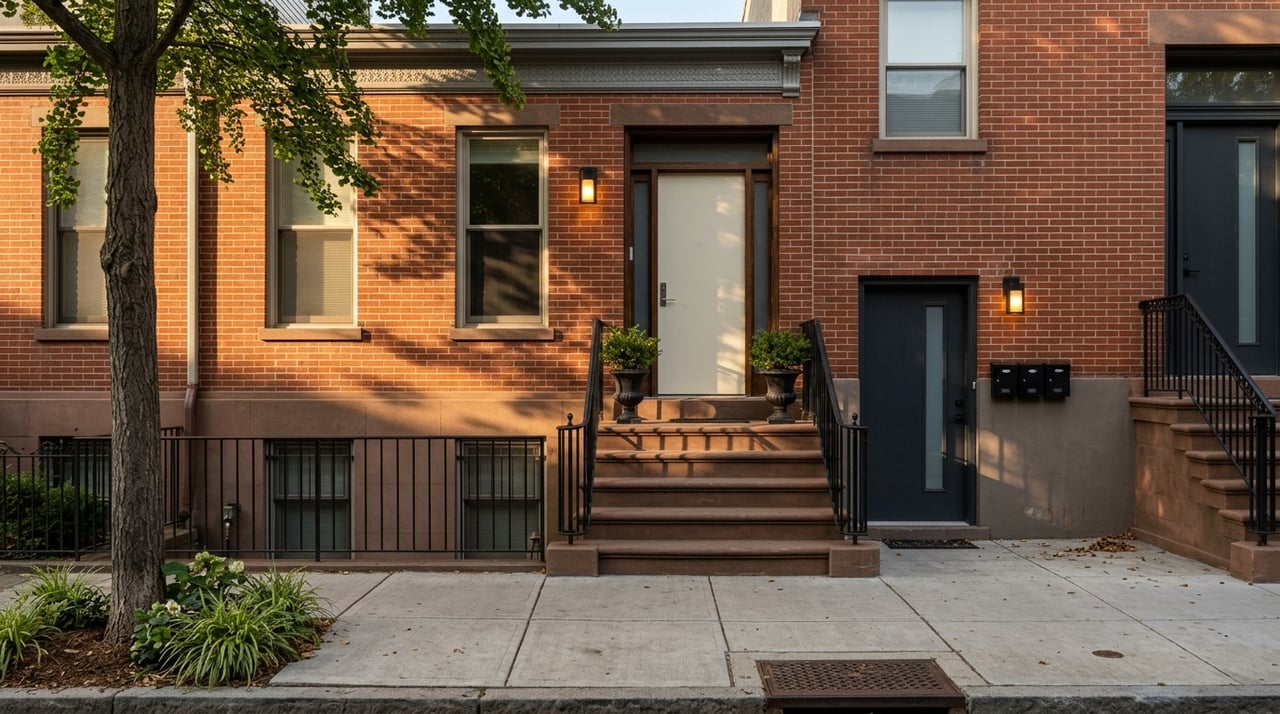
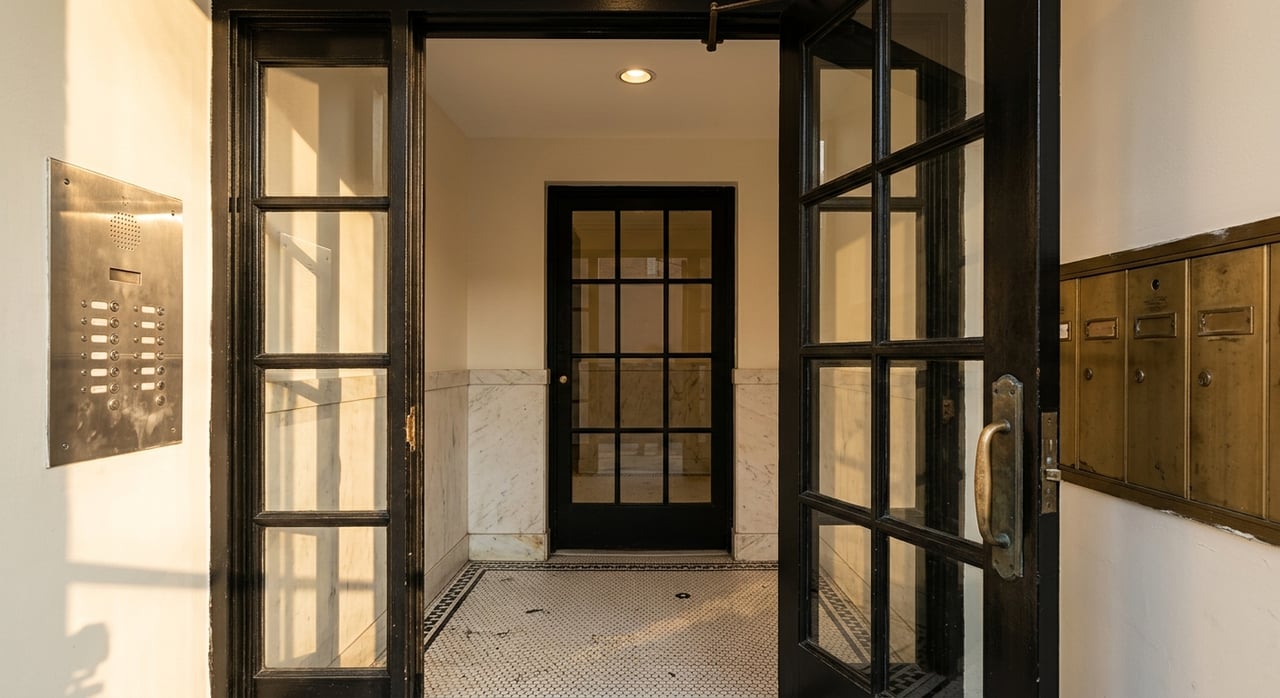
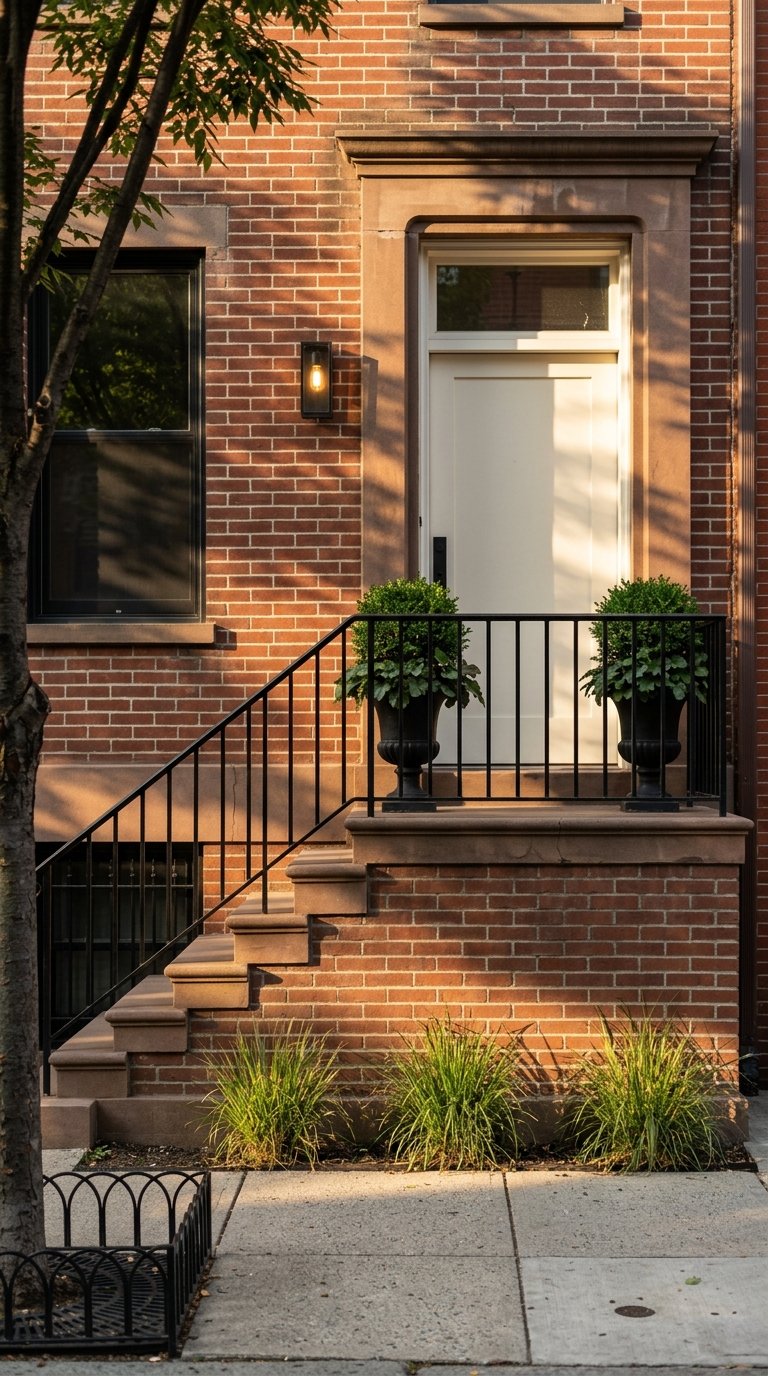
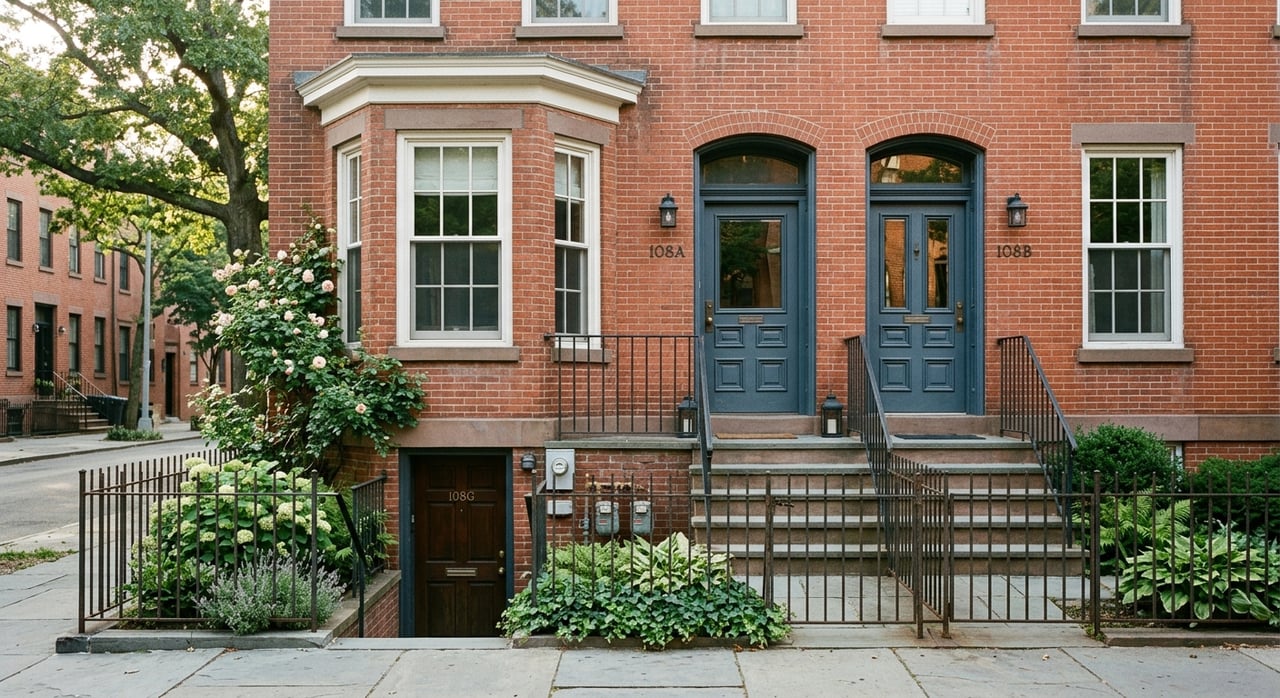
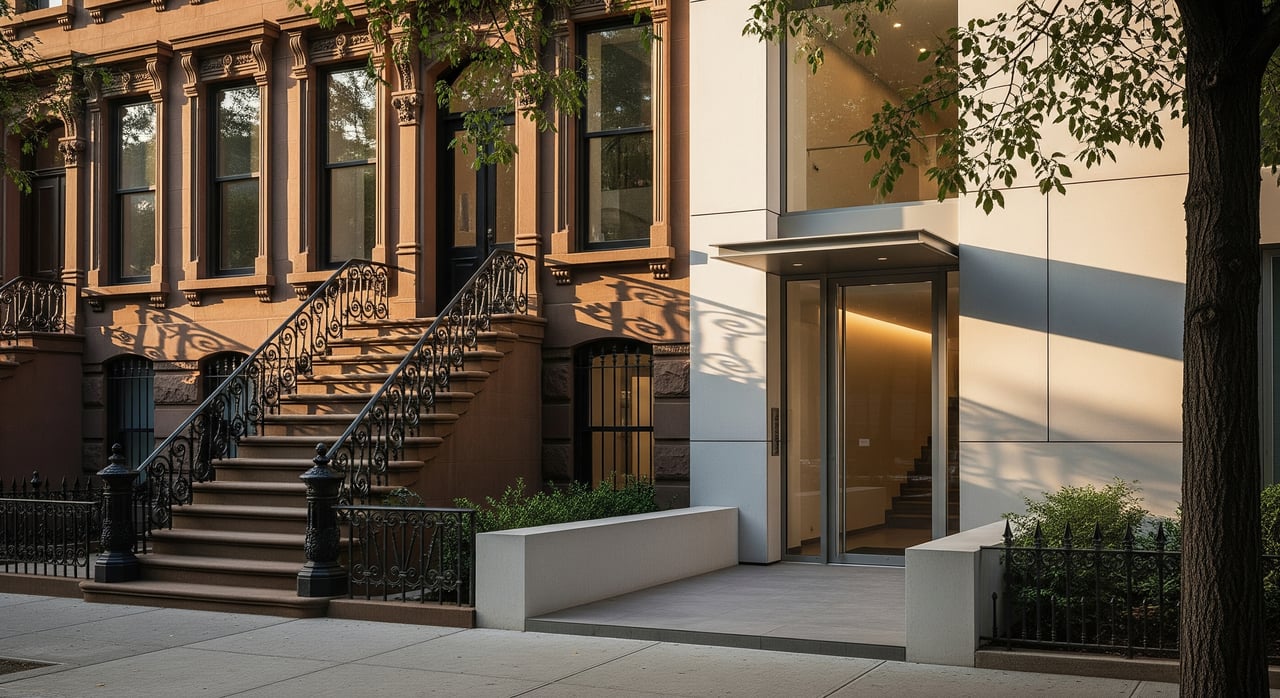
Housing is mostly low-rise and varied in style. You’ll see detached and semi-detached single-family homes, two- and three-family houses, compact rowhouses, and small brick apartment buildings near busier avenues. New development tends to be smaller infill projects or renovations rather than large towers.
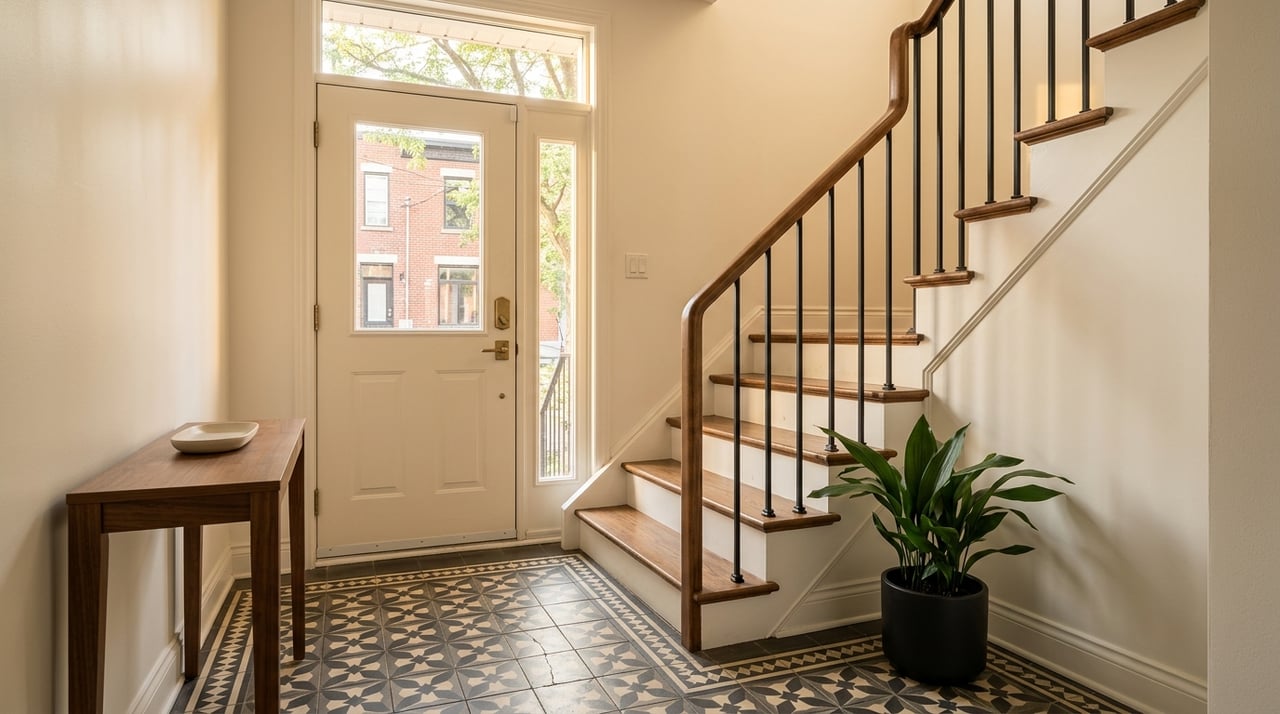
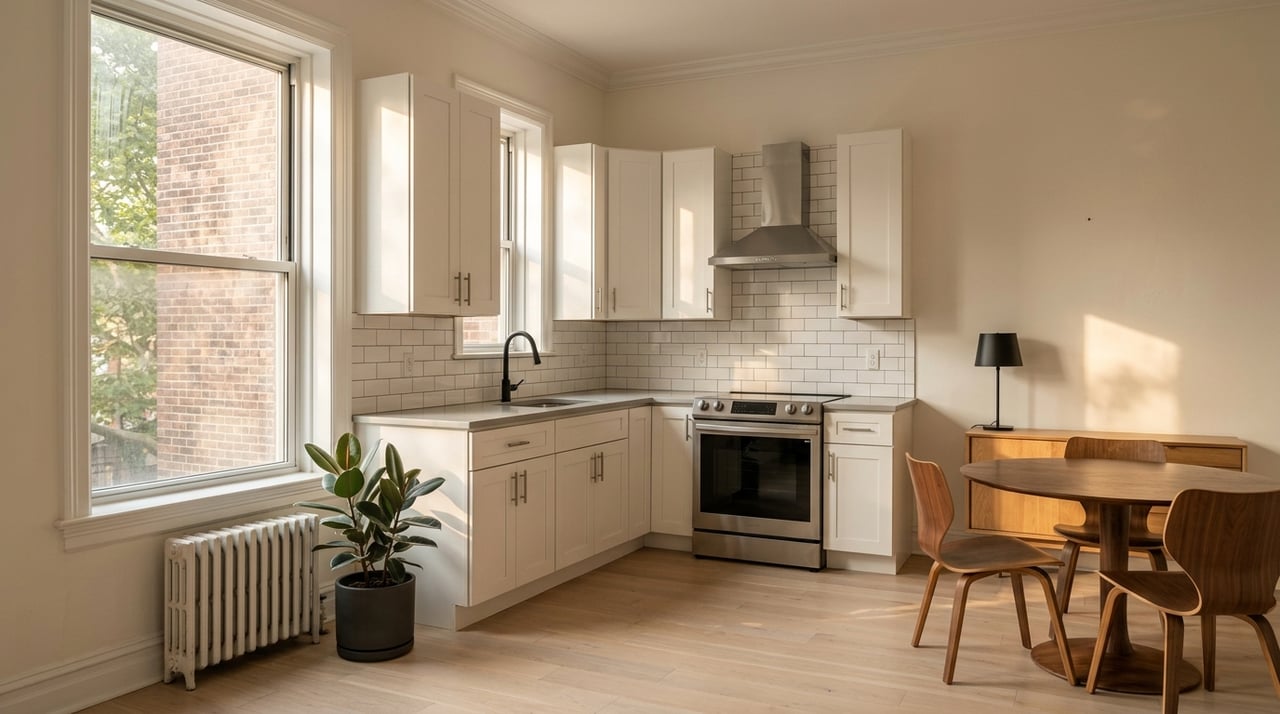
Owner occupancy is common, and many properties are owner-occupied multi-family homes. Some houses have been updated with new kitchens and baths, while others are ready for your renovation plan. Off-street parking and garages appear more often than in denser Brooklyn areas.
Buying in Flatlands: key considerations
If you are shopping for a home, you will likely notice more space and outdoor areas for the money than in central neighborhoods. You also want to plan for a commute that may involve a bus and subway transfer or driving to a hub. Here are important steps and checks:
- Clarify your commute. Map a rush-hour trip to Midtown or Lower Manhattan by bus and subway, and compare it to a driving route during peak times.
- Prioritize parking. If you own a car, weigh blocks with driveways or garages against streets with alternate-side rules and higher demand.
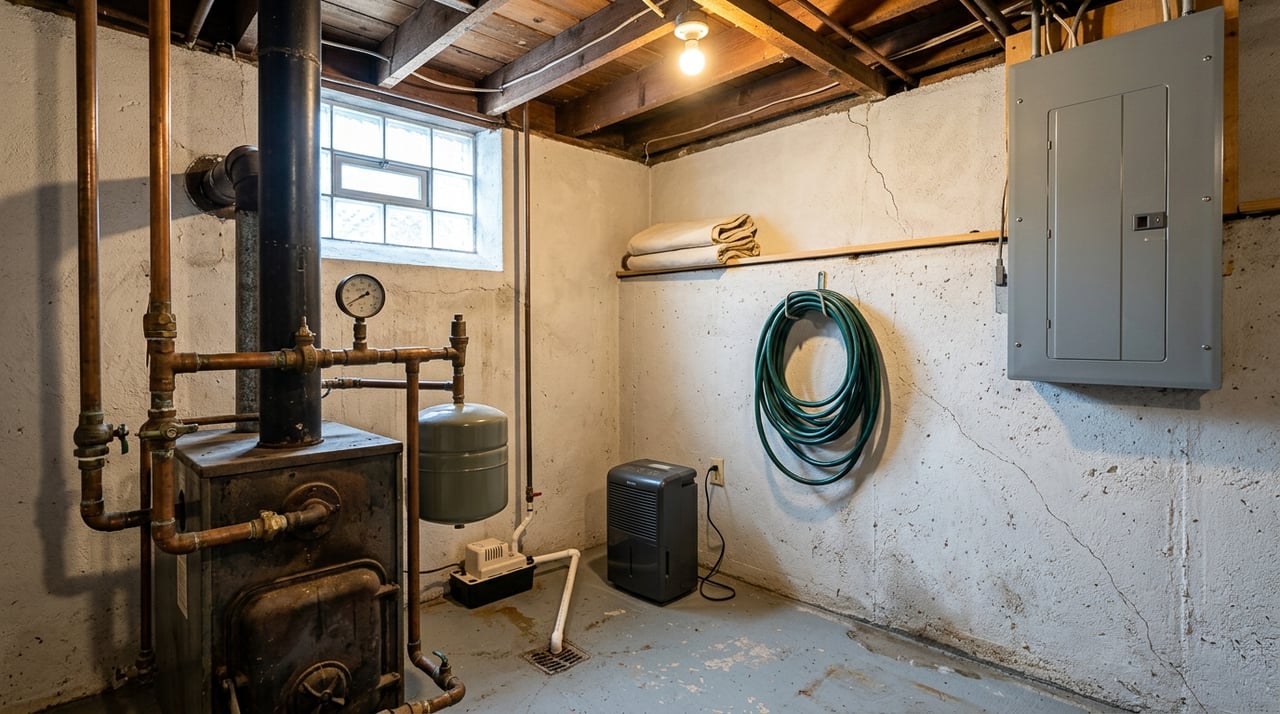
- Assess renovation scope. Some homes are turnkey, others need updates. Ask about electric, roof, and plumbing, and consider costs for kitchens and baths.
- Review flood and elevation. Southeastern Brooklyn includes low-lying areas. Confirm flood zone status and potential insurance implications with official maps before you bid.
- Explore multi-family options. Two- or three-family homes can support owner-occupancy with rental income. Factor in local leasing requirements and maintenance.
- Compare block types. Interior streets can be quieter, while avenues offer more retail and transit. Decide which trade-offs matter most.
Renting in Flatlands: what to expect
Flatlands rentals range from apartments in small buildings along main corridors to units within two- or three-family homes. You often trade immediate subway access for more space and a quieter block.
To strengthen your application:
- Prepare documents. Have pay stubs, tax returns, and reference letters ready.
- Clarify utilities. Ask what is included and what is separately metered.
- Check transit access. Identify your bus routes for daily commuting and weekend errands.
- Ask about parking. If you drive, confirm driveway or garage access, plus street rules.
Getting around: transit and driving
Flatlands is more bus- and car-oriented than subway-centric. Most residents use local buses to reach subway lines, then transfer for Manhattan-bound service. Regional rail and ferry options are not within the neighborhood, so plan on a connection if you use them.
Driving is practical for many households. Major roads and the Belt Parkway offer direct routes to other parts of Brooklyn and to Queens or Long Island, though rush-hour congestion can be heavy. Walking is comfortable on residential blocks and near commercial corridors. Bike routes exist, but are not as dense as in central Brooklyn, so check the latest city maps if cycling is part of your commute.
Parks and outdoor space
One of the biggest perks nearby is Marine Park, a large green space with ball fields, walking paths, and salt marsh areas for nature lovers. Inside the neighborhood, you will find smaller playgrounds and pocket parks scattered through residential blocks. If outdoor time matters to you, focus on blocks closer to park entrances and consider how you plan to use the space for sports, dog walks, or weekend strolls.
Schools and childcare
Flatlands is served by the New York City Department of Education, and many families choose local public elementary and middle schools. There are also private and parochial options in and around southeastern Brooklyn, plus daycare centers and after-school programs. Because school zoning and performance can change, confirm your zoned schools and review current DOE reports for any property you consider.
Shopping, dining, and everyday errands
Daily needs are covered by supermarkets, bodegas, pharmacies, and service businesses along main avenues. You will find independent restaurants and takeout spots scattered along these corridors. For a wider range of dining and nightlife, many residents visit nearby commercial districts in adjacent neighborhoods. If you prefer to walk to a diverse cluster of cafes and shops, look for homes near the more active stretches of the main streets.
Healthcare, libraries, and community life
Expect local clinics, dental offices, and primary care practices in the neighborhood, with larger hospitals located elsewhere in Brooklyn. Brooklyn Public Library branches serve the area, so you can access programs, study spaces, and community events. Houses of worship and civic associations often anchor local life and provide updates on neighborhood issues like parking, development, and schools.
Safety and practical due diligence
As with any urban area, experiences can vary by block. Review recent NYPD data and speak with neighbors for context on specific streets. If you plan to buy, incorporate a thorough home inspection, confirm building permits or additions, and verify flood considerations that may affect insurance or renovations.
Block-by-block differences to note
- Commercial vs. residential. Avenues have more retail, small apartment buildings, and bus service. Interior streets skew toward detached or semi-detached homes and can feel quieter.
- Near parks. Blocks close to Marine Park and other green spaces often feel more recreational and active on weekends.
- Traffic and noise. Proximity to major roads may increase traffic and parking competition. Visit at different times of day to get a real feel.
- Edges and activity. If a block sits near an industrial or warehouse area at the neighborhood edge, expect different daytime patterns and deliveries.
How Flatlands compares to other Brooklyn spots
Compared with Park Slope or Downtown Brooklyn, Flatlands is lower density, with fewer cafes per block and a more car-forward lifestyle. If you know Bay Ridge or Bensonhurst, the family-oriented feel may sound familiar, although architecture and street patterns differ. If you have toured Canarsie or Mill Basin, you will recognize the southeastern Brooklyn character, but each area has distinct commercial corridors and commute trade-offs.
A weekend in Flatlands: a quick picture
Start with a morning coffee run on a main avenue, then head to Marine Park for a walk or a game. Pick up groceries at a local supermarket and enjoy a backyard or patio lunch if you have outdoor space. In the afternoon, take a quick bus ride to a neighboring area for specialty shopping or a dinner spot, then return to a quiet street for an easy night in.
Is Flatlands right for you?
Flatlands shines if you want space, a neighborhood rhythm, and a home-first lifestyle. You trade some walkable nightlife and quick subway access for larger homes, driveways, and a calmer daily feel. If that balance sounds right, it is worth a close look block by block.
Ready to explore homes, compare commute options, or map out a transaction timeline tailored to you? Say Hey and book a free consultation with Claudette Rolling. Our team brings local knowledge, patient guidance, and hands-on coordination for buyers, sellers, renters, relocators, and small investors.
FAQs
What is Flatlands, Brooklyn like for everyday life?
- Flatlands offers quiet, low-rise streets with more space than central Brooklyn, plus practical amenities on main avenues and parks nearby.
How do commutes from Flatlands to Manhattan typically work?
- Most residents take a bus to a subway hub or drive to a transit connection, with total time varying by destination and rush-hour conditions.
What housing types are common in Flatlands, Brooklyn?
- You will see detached and semi-detached single-family homes, two- and three-family houses, small rowhouses, and modest apartment buildings along avenues.
Are there parks near Flatlands and what can I expect?
- Marine Park is a major nearby green space with fields, trails, and natural areas, and smaller playgrounds are spread throughout the neighborhood.
What should buyers check about flood risk in Flatlands, Brooklyn?
- Confirm whether a property lies in a mapped flood zone and ask about insurance and elevation, since parts of southeastern Brooklyn are low-lying.
Is parking easier in Flatlands than in denser Brooklyn areas?
- Parking is generally more available, and many homes have driveways, but demand varies by block and alternate-side rules still apply.