Pricing your Flatlands home can feel tricky when the data seems all over the place. One site shows one number, another says something higher, and friends share very different stories. You want a price that brings strong showings fast without leaving money on the table. In this guide, you’ll learn how to read the local market, build a defensible list price, choose smart pre-list upgrades, time your launch, and follow a clear plan if showings are slow. Let’s dive in.
Flatlands market snapshot
Public sites report different numbers for Flatlands, and that is normal. For example, PropertyShark showed a January 2026 median sale price near $516K for Flatlands with a median price per square foot around $527 and 14 transactions in that month. You might also see a typical home value near $693K from Zillow (Dec 2025 ZHVI) and a December 2025 median sale price near $728K and about 92 median days on market from Redfin. These figures reflect different boundaries, property mixes, and methods, which is why they do not match.
- Why this matters for you: treat your agent’s MLS comparables and a property-specific CMA as the primary source for pricing. Public aggregators are helpful context, not a substitute for closed comps.
- Borough context: early 2026 broker summaries described Brooklyn as broadly balanced, with sellers often achieving about 97% of list. Expect solid activity in spring, but plan for real negotiation rather than a frenzy.
If you want a quick public reference point for Flatlands, review the neighborhood page on PropertyShark for recent transactions and pricing trends. It is still best to ground your pricing in an agent-prepared CMA.
- See neighborhood data context on the PropertyShark Flatlands market page.
Build a price with real comps
Your goal is a price range a local buyer pool and a lender appraiser will accept. Here is a simple, proven workflow for Flatlands and nearby southeast Brooklyn.
Step 1: Choose the right comp set
- Start with recent closed sales. Add pendings and actives to read market tone.
- If monthly sales are thin, expand carefully to competitive nearby areas like Marine Park, Old Mill Basin, Mill Basin, or Canarsie. Document why they compete with your home, such as buyer pool, lot sizes, or transit. Brooklyn Community Board 18 covers much of this cluster and can help explain your geographic logic. See Brooklyn Community Board 18 boundaries.
- Prioritize sales from the last 90 days when possible. If you need to go back up to about six months, note time adjustments clearly.
For lender-aligned guidance on comparable selection and documentation, review the Fannie Mae Selling Guide’s appraisal sections.
Step 2: Match property type and key features
- Compare like to like: single-family vs two-family vs co-op or condo.
- Align bedroom and bathroom count, gross living area, lot size, and parking. In car-oriented parts of southeast Brooklyn, on-site parking can change buyer math.
- Where style or footprint differs, use dollar or percentage adjustments grounded in market reaction, not guesswork. Appraisers expect an explanation when adjustments are large. See the Fannie Mae Selling Guide for how pros justify differences.
Step 3: Apply time and condition adjustments
- Time matters. If the market shifted since a comp closed, make a time adjustment and show support with nearby trends. Research notes time adjustments are often underused even when they are material. Learn more about why they matter in this FHFA insights post on time adjustments.
- Condition and features add or subtract real dollars. Treat kitchens, baths, roofing, heating, finished basements, and structural items explicitly. Avoid universal percentage rules. Use paired sales, local list-to-sale spreads, or contractor quotes to inform your adjustments.
Step 4: Reconcile your range and pick a strategy
- Narrow to a tight indicated range with a lower and upper bound.
- Then choose a list price based on your priorities and buyer search brackets. Price bands like under $500K or under $750K can materially change online exposure.
- If inventory is low and showings are high, a price near the top of your range can work. If days on market are rising, consider a more conservative list.
Condition and upgrades that pay
You do not need a full gut renovation to sell well in Flatlands. Focus on projects with strong buyer impact and reasonable cost recovery.
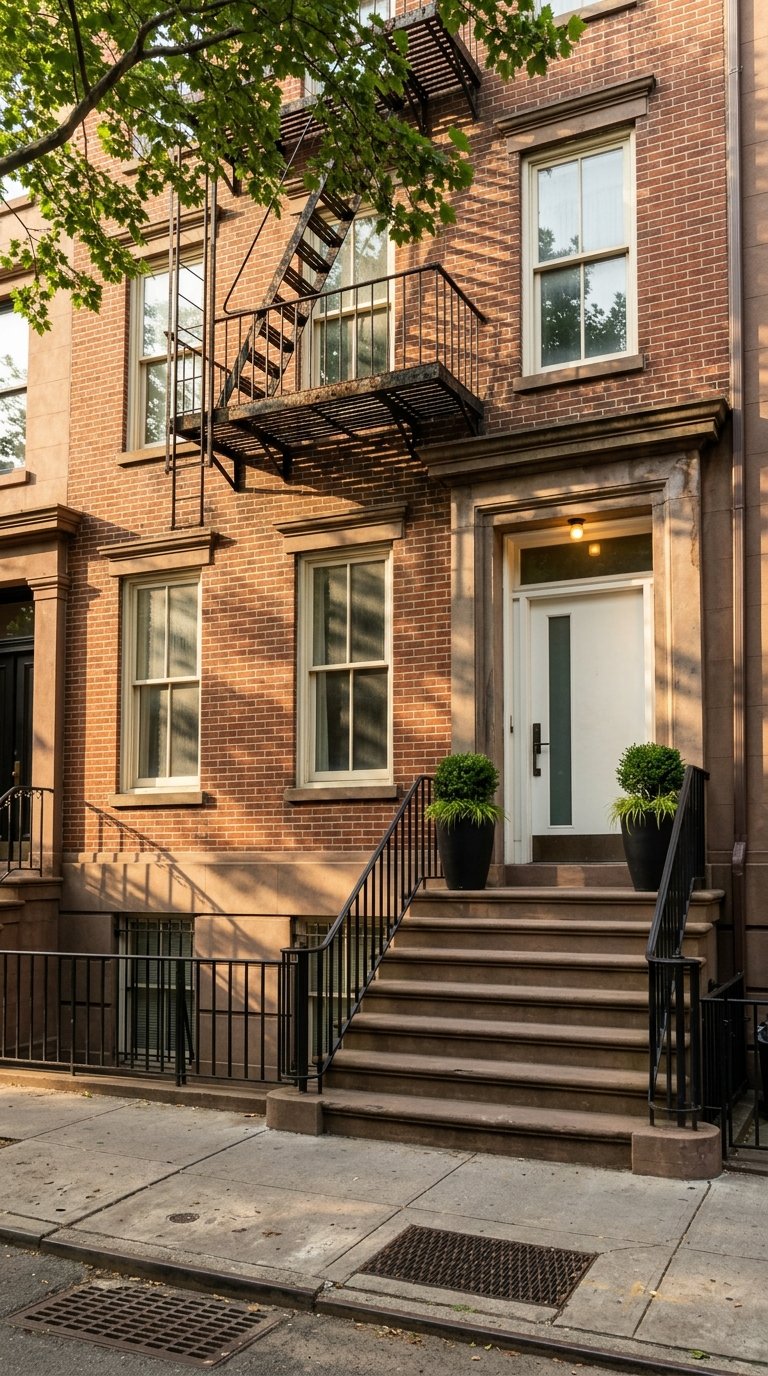
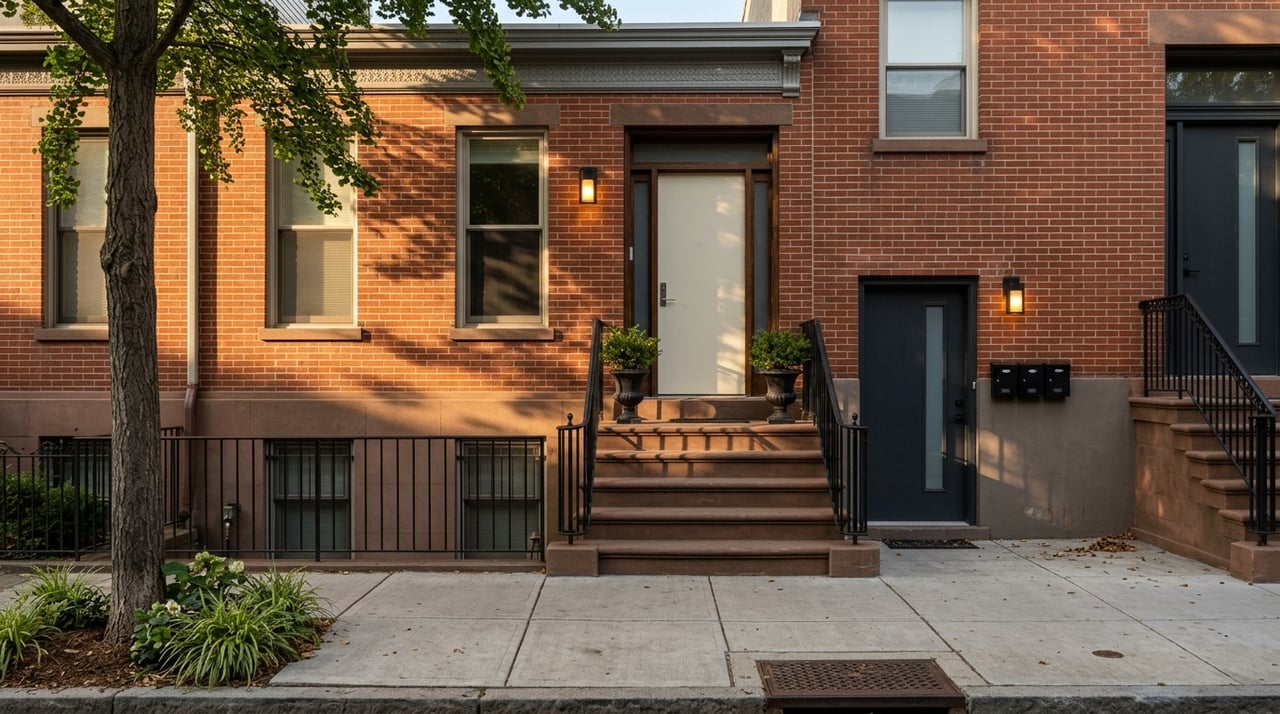
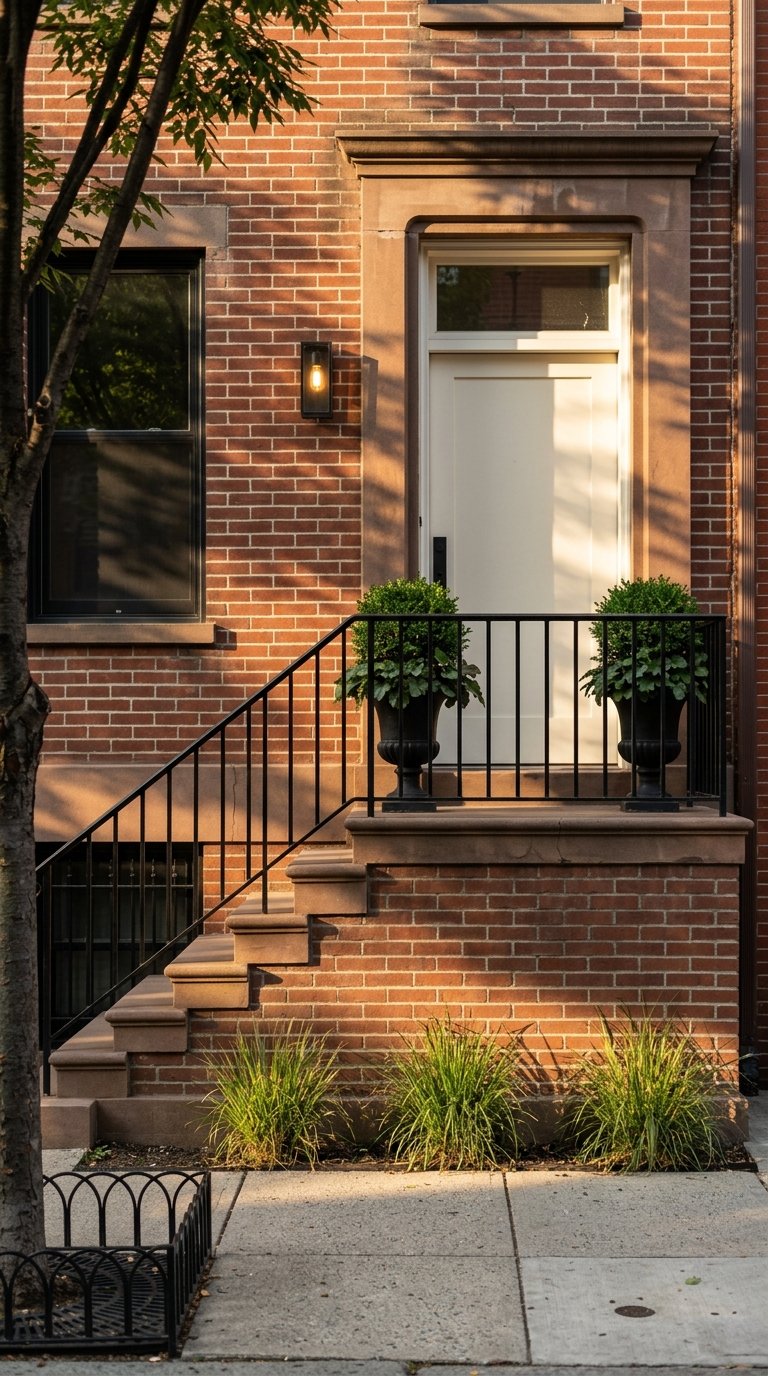
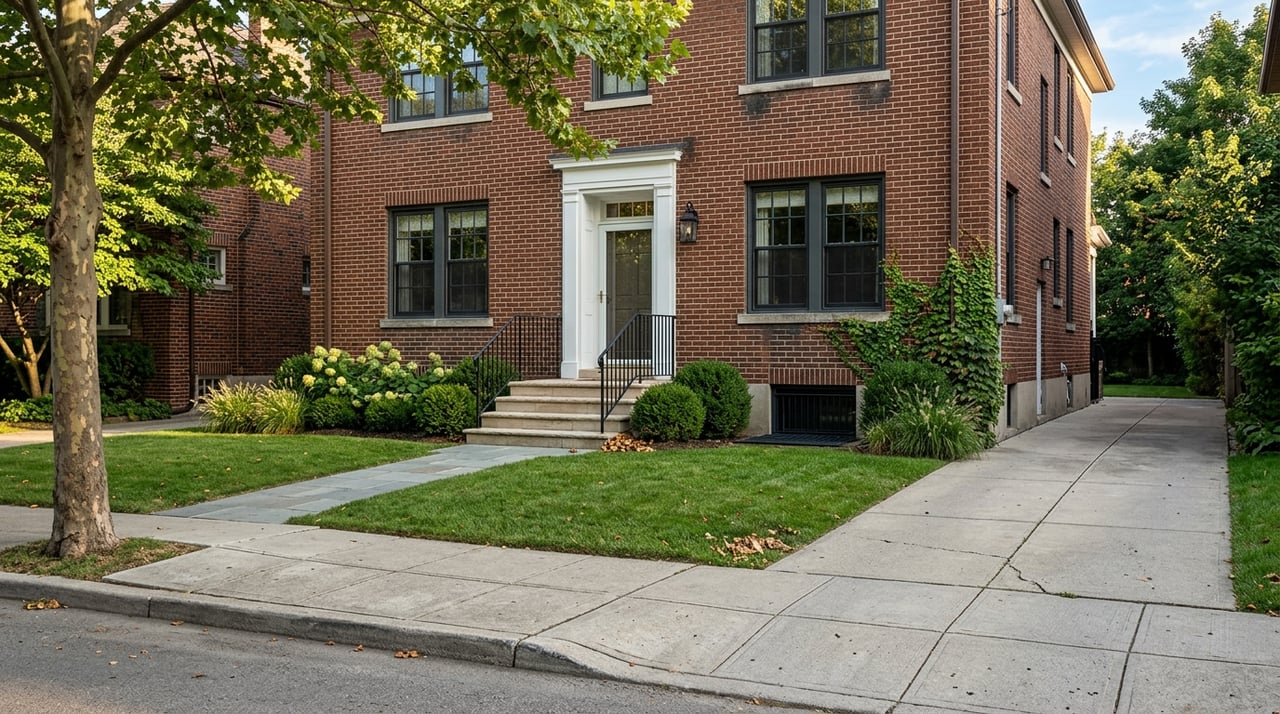
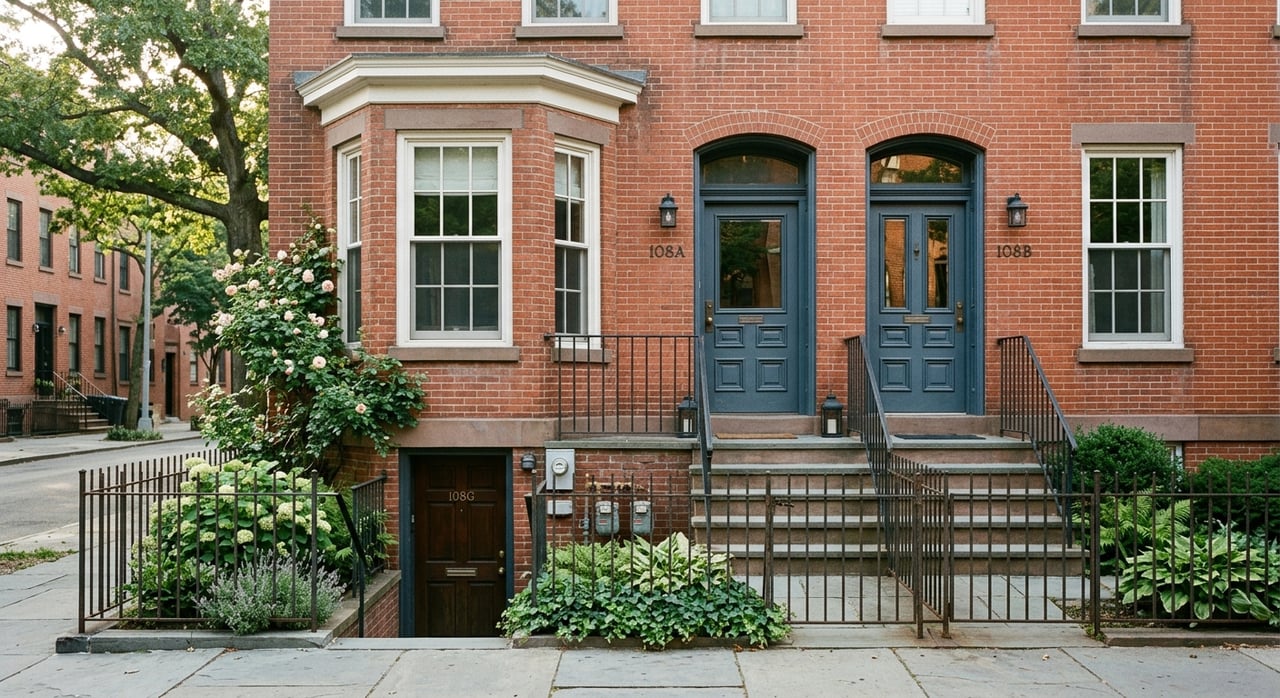
- Curb appeal first: a clean exterior, fresh paint, a new front or garage door, and tidy landscaping improve first impressions. National remodeling research shows exterior projects often score high on cost recovery. See the 2025 NARI Remodeling Impact Report for homeowner and buyer reactions by project type.
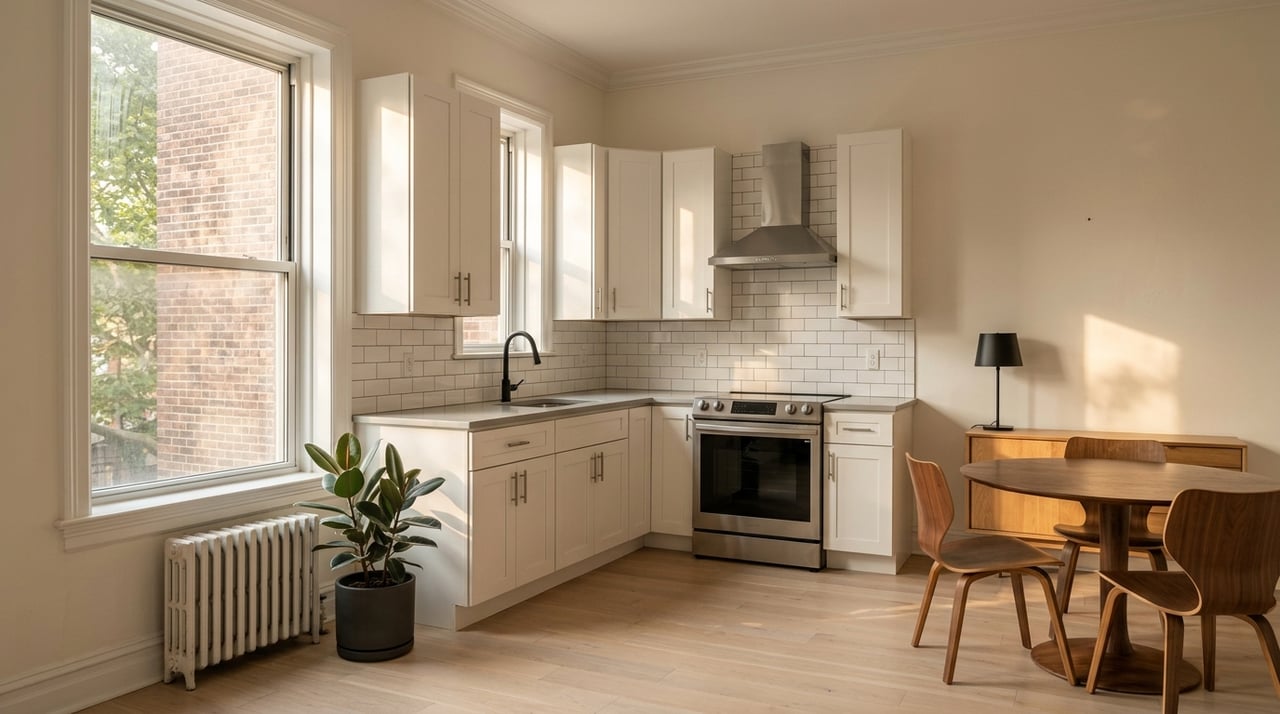
- Minor kitchen refresh: reface or paint cabinets, update counters, swap hardware and lighting, and replace tired appliances. Modest updates often beat a full luxury redo on percentage return.
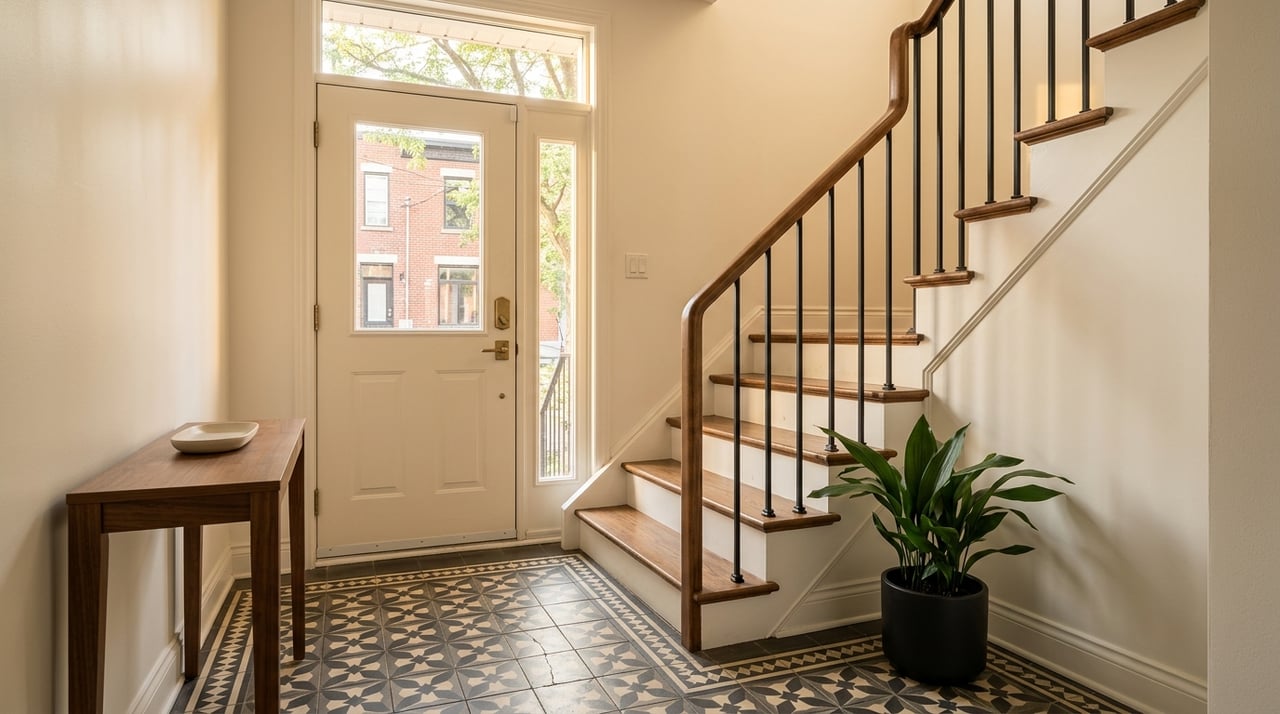
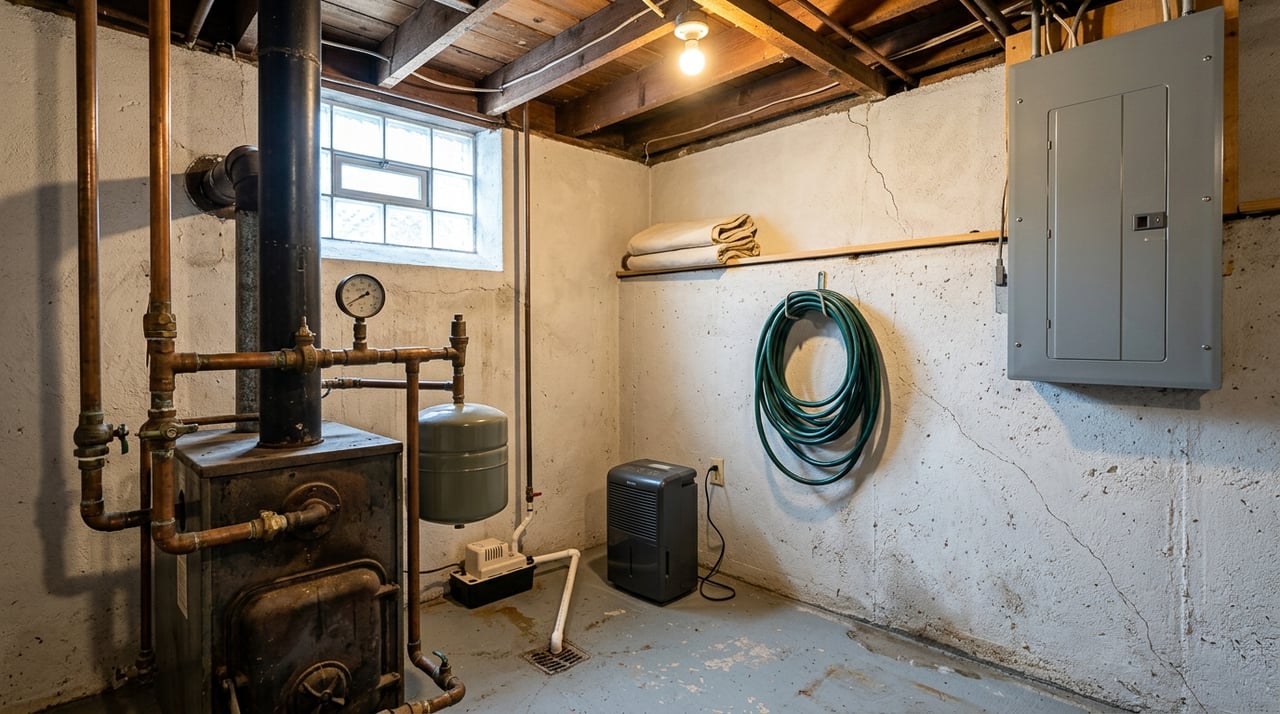
- Bathrooms and systems: clean, modern baths reduce friction. Address roof, heating, and insulation issues to avoid inspection-related price leakage.
- Staging and photos: staging, even partial or virtual, shortens time to offer and can lift prices. See NAR resources on staging and remodeling for data on buyer response.
What to prioritize before listing
- Quick wins: curb appeal, lighting, paint touch-ups, deep clean, and professional photos with a floor plan.
- High-friction fixes: known leaks, safety issues, loose handrails, and obvious system problems.
- Strategic refresh: low- to mid-cost kitchen and bath updates that align with nearby comps.
What to skip or defer
- Overbuilding: luxury finishes that push your home above the neighborhood ceiling rarely pay back.
- Personal design splurges: bold tile, top-tier appliances, or custom built-ins that do not match local buyer expectations can limit ROI.
Time your listing
Seasonally, spring is powerful in the New York metro, and a 2025 Realtor.com analysis identified the week of April 13–19 as a historic sweet spot for seller outcomes. Pair that with Brooklyn’s balanced tone in early 2026, and the message is clear: aim for spring, price realistically, and expect some negotiation.
A practical prep timeline
- Plan 6 to 10 weeks for repairs, refreshes, staging, photos, and a final CMA.
- If you need to list sooner, focus on curb appeal, cleaning, and targeted fixes, then price accordingly.
Set strategy and price bands
Small pricing moves can unlock bigger buyer pools. Think about how your home shows up in online searches.
- Use bands: pricing just under a threshold like $750K can capture buyers searching up to that cap.
- Weigh speed vs. price: a top-of-range price might work if inventory is thin and showings spike. If not, come in aligned with the heart of the comp range to build early momentum.
- Keep appraisals in mind: lender appraisers will test your price against recent closed sales. A well-supported CMA helps you defend value during underwriting.
If showings are slow: a 30-day plan
Track early signals closely in the first 2 to 3 weeks. Digital views and saves show interest, but actual showing counts tell the truth. Fewer than a handful of showings in the first 7 to 14 days is a red flag that your price or presentation needs a reset.
- Marketing refresh in days 0–7
- Rotate the lead photo, tighten listing copy, and add a virtual tour.
- Refresh or add staging to highlight light, storage, and outdoor space.
- NAR research finds staging shortens days on market and can lift offers. See NAR remodeling and staging resources.
- Re-check comps in days 7–14
- Ask your agent for an updated CMA with any new pendings or closings.
- Confirm property type and size matches are tight. If accepted offers suggest your price is out of band, prepare for a reposition.
- Review lender-aligned adjustments in the Fannie Mae Selling Guide to make sure your support is solid.
- Make a meaningful price move in days 7–21
- If traffic stays weak, consider a single, decisive reduction rather than many small ones. Practitioner guidance often points to a 3 to 5 percent cut when clearly overpriced.
- Use search brackets strategically. A small move that crosses a threshold, like $525K to $499,900, can expand your audience.
- Sweeten terms in days 14–30
- If your price is right but offers are not landing, consider limited concessions like a small closing credit, flexible timing, or a basic home warranty.
- If you are selling an investment property, share clean income and expense statements and tenant lease details to speed investor decisions.
- Relist carefully after 30–45+ days
- If nothing changes, a relaunch with new photos, refreshed copy, and a new price can reset buyer perception.
- Be transparent in remarks about what changed. Avoid relisting without meaningful updates.
What to track weekly
Ask your agent to send a simple scorecard each week. These numbers keep you objective and on track.
- Online views, saves, and showing requests, plus week-over-week changes.
- Actual showing count and feedback themes from buyers.
- Your current days on market vs. the Flatlands benchmark. December 2025 reports cited about 92 median days on market locally.
- Nearby price reductions and new pendings that affect your comp set.
How we help you price smart
You deserve a clear, data-backed plan and hands-on execution. Our team starts with a tight CMA and a simple price strategy aligned to your goals. We handle staging coordination, pro photography and floor plans, and weekly KPI reporting so you can react fast and confidently. With Compass marketing tools behind a boutique, high-touch approach, you get both reach and service.
Ready to price your Flatlands home with confidence? Connect with Claudette Rolling to build your custom pricing plan and timeline.
FAQs
What does “balanced” mean for Flatlands sellers?
- A balanced market means neither side has a big edge. You can still sell well in spring, but price with comps, expect negotiation, and focus on presentation to stand out.
How do I pick the right comparables in Flatlands?
- Start with closed sales from the past 90 days, then add pendings and actives for tone. Expand to nearby Community Board 18 areas only when they truly compete on buyer pool, size, and features.
Should I renovate my kitchen before listing my Brooklyn home?
- Often a minor refresh beats a full gut. Think cabinet paint or refacing, updated counters, new hardware, and better lighting. These targeted moves usually offer better resale value.
What price change works if my listing is quiet?
- If traffic is clearly weak after 1 to 2 weeks, a single, meaningful reduction is usually better than many small ones. Typical cuts when overpriced land around 3 to 5 percent.
How long should I prepare before listing in spring?
- Plan 6 to 10 weeks for repairs, light upgrades, staging, photos, and a final CMA. If you are on a tighter timeline, focus on curb appeal, cleaning, and small fixes, then price accordingly.
Which early metrics tell me if my price is off?
- Watch actual showing counts in the first two weeks. Low showings alongside decent online views usually point to price or presentation problems that need a quick reset.