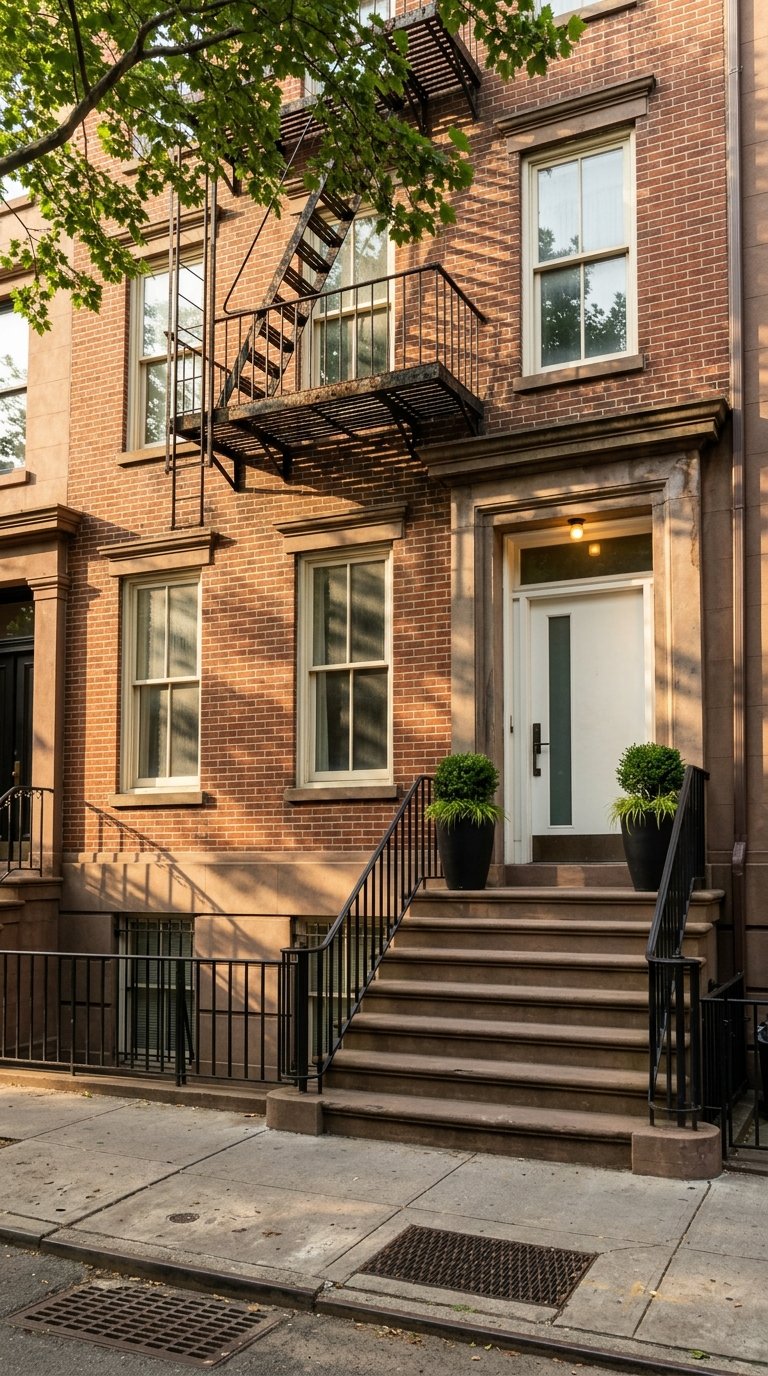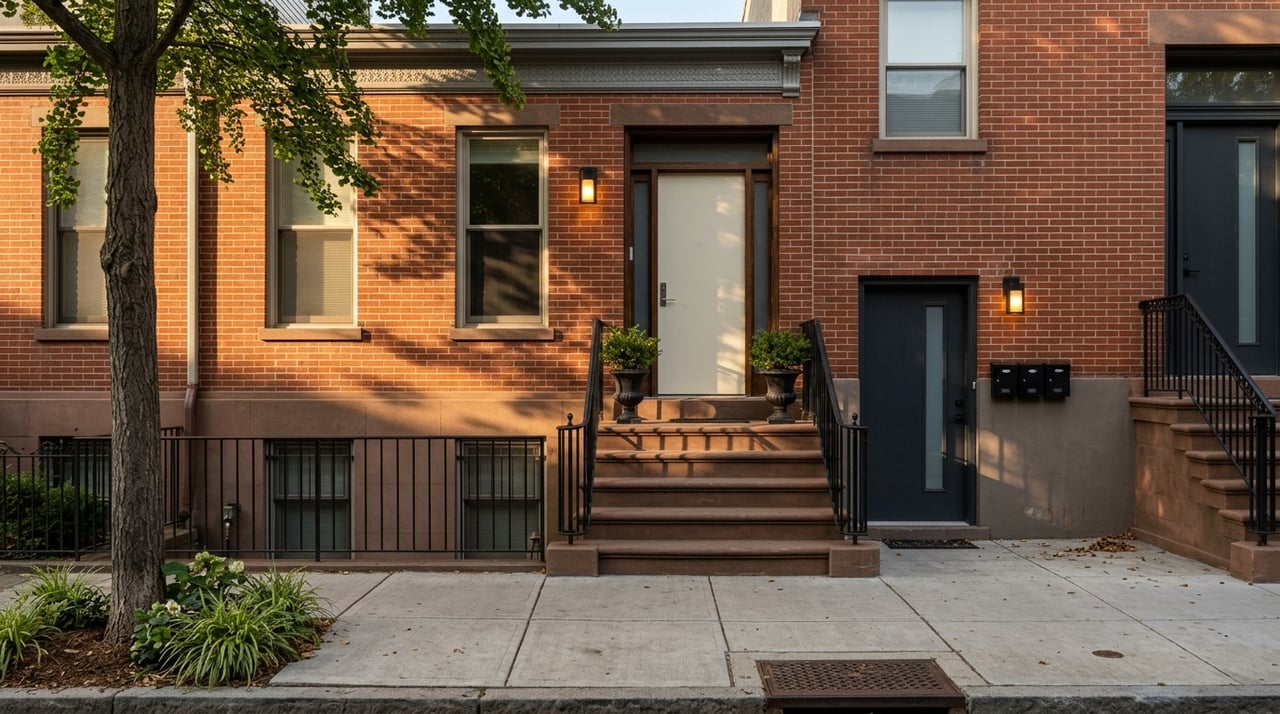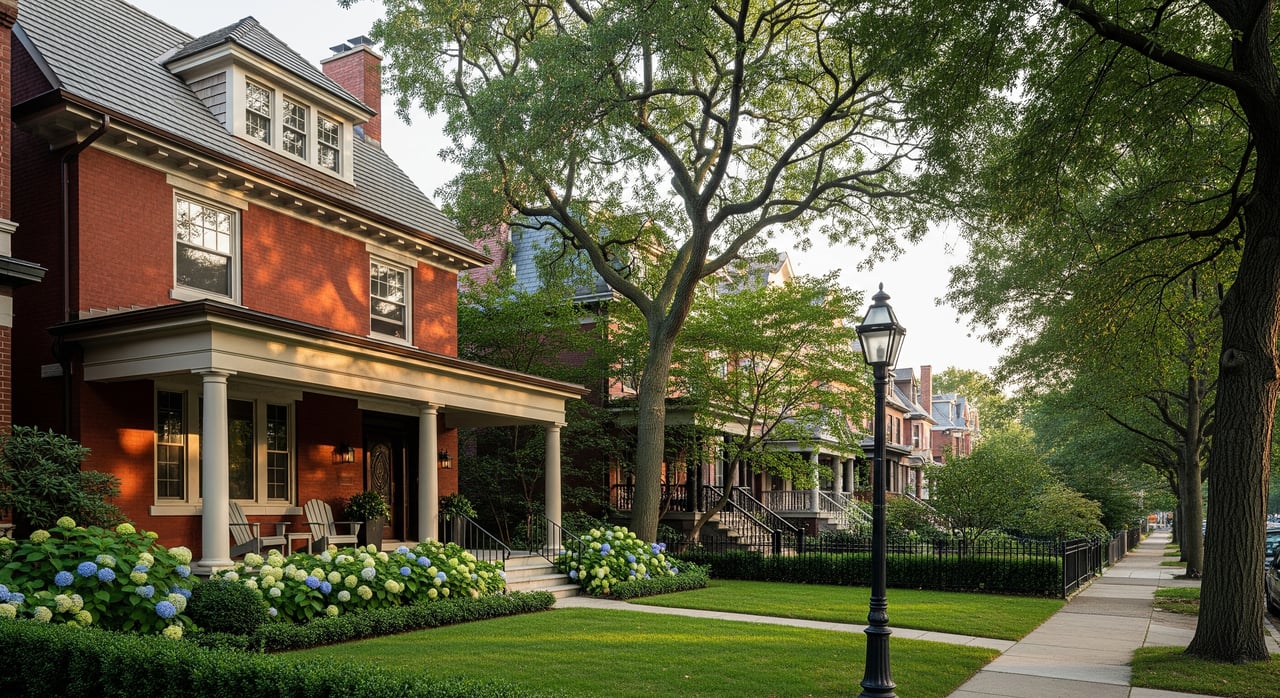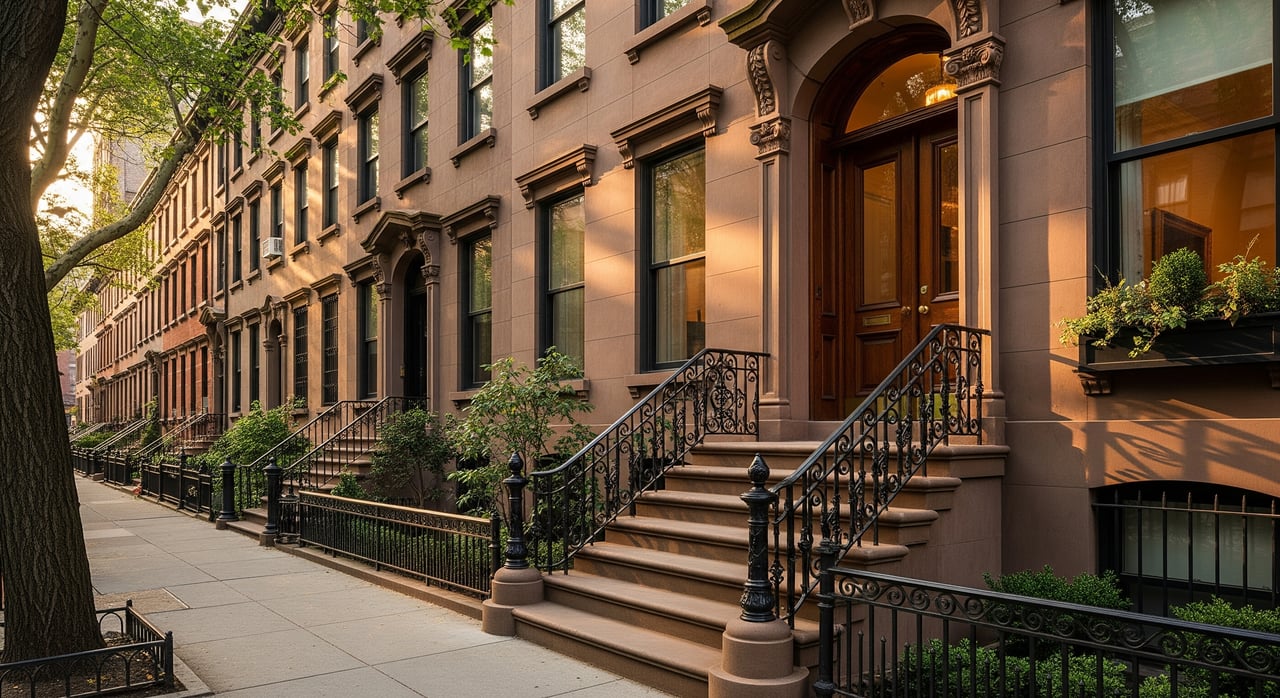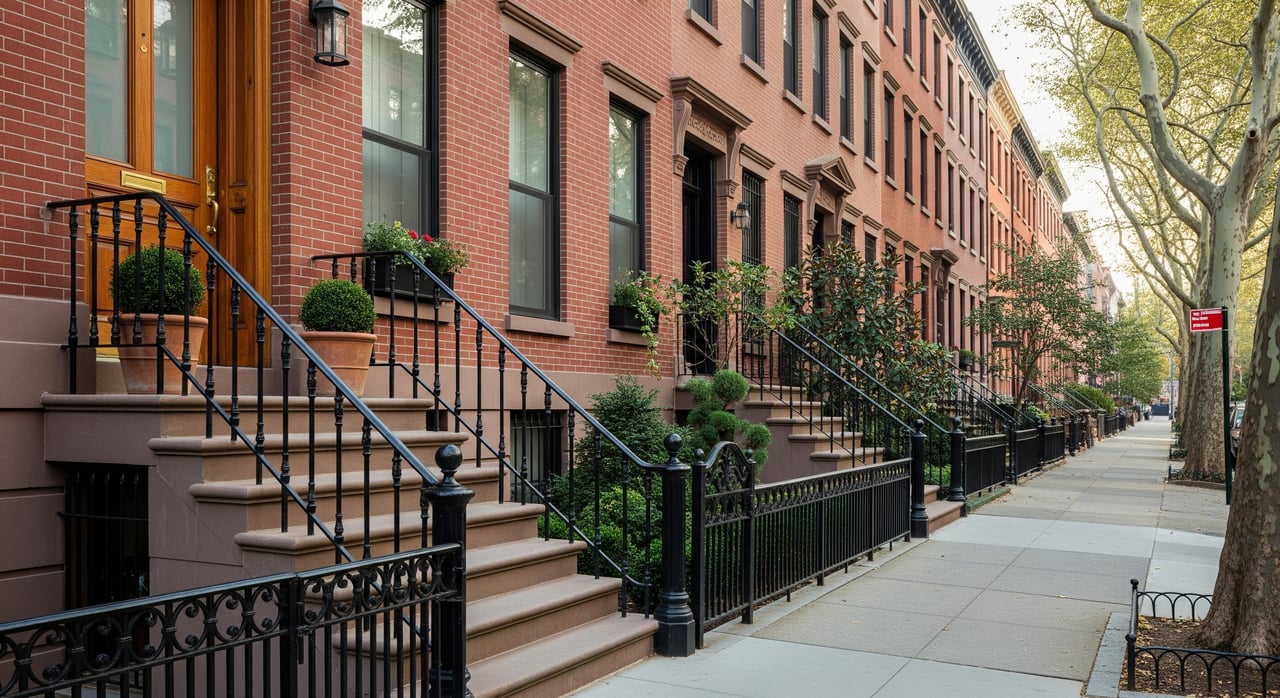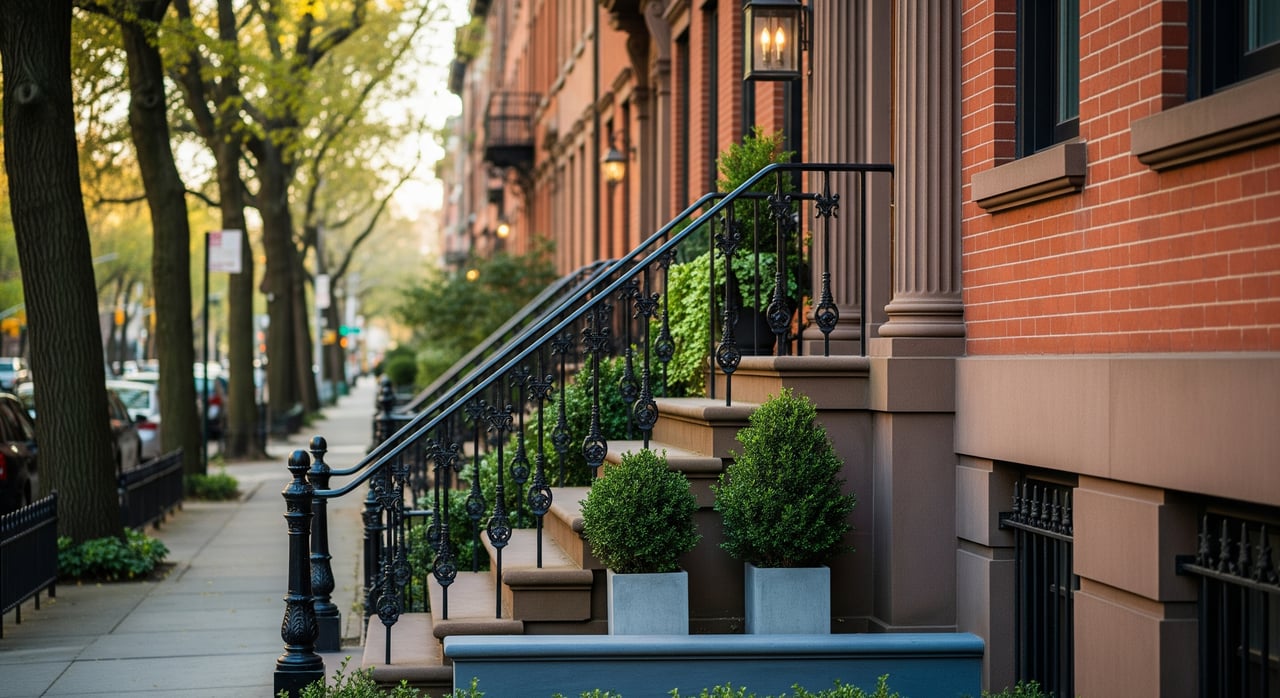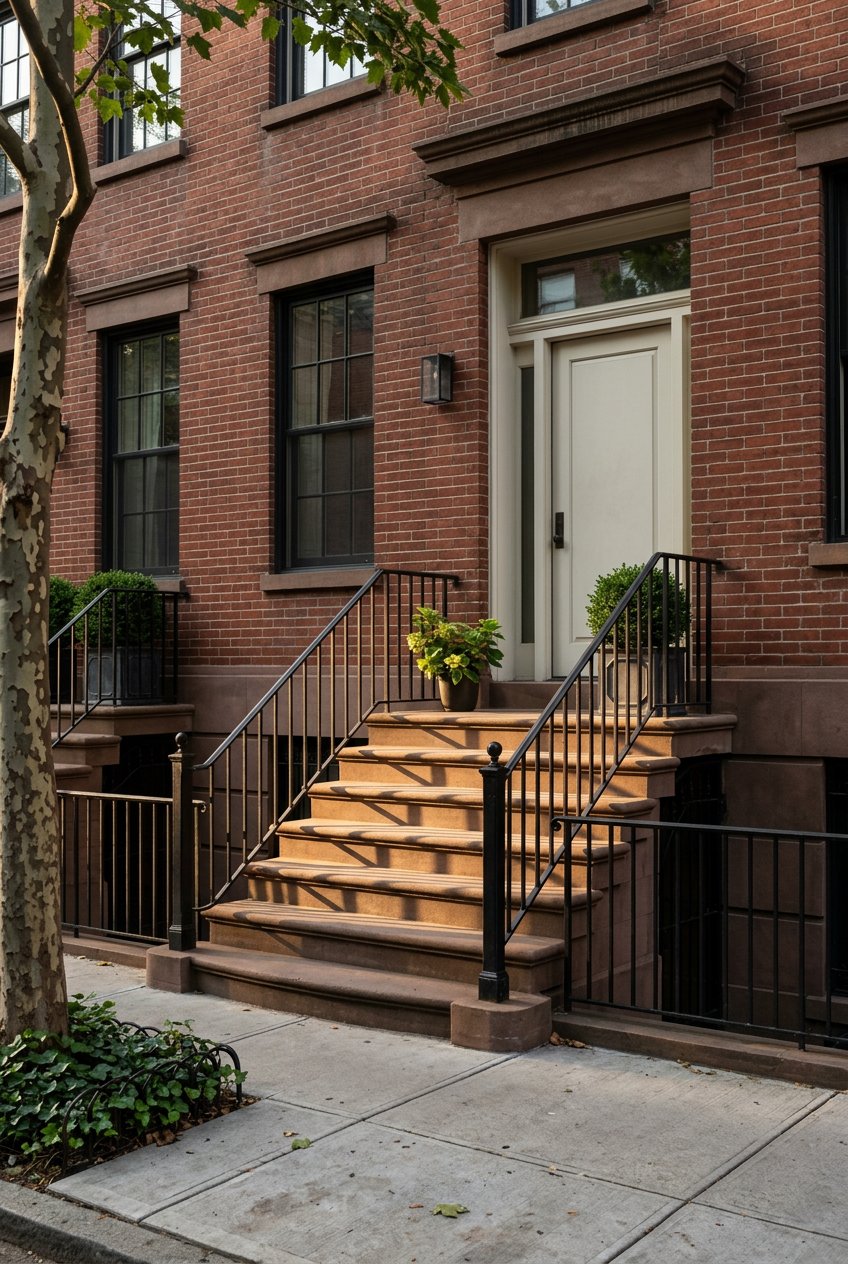
Picture tree-lined blocks waking up to coffee runs, dog-walkers, and sunlight on brownstone stoops. By afternoon, the park fills, studios hum with rehearsals, and errands wrap at nearby food halls. Evenings bring films, concerts, and pre-show dinners around BAM. If you want an easy, walkable routine with culture at your door and express trains nearby, Fort Greene might fit your day-to-day. Let’s dive in.
Morning rhythms in the park
Fort Greene’s daily heartbeat starts in its namesake park, a 30-acre green designed and refined in the 19th century. You’ll see runners on the paths, kids at the playgrounds, and neighbors taking the long way around the Prison Ship Martyrs’ Monument. On weekdays it feels like a big shared backyard, and on weekends it shifts to pickup sports, picnics, and community programming. Get a feel for schedules and features through the official Fort Greene Park page.
Saturday Greenmarket ritual
Saturday often starts at the Fort Greene Greenmarket, where you can stock up on produce, cheese, bread, and seasonal specialties. Many neighbors make it a morning loop: market haul, coffee, then a stroll back through the park. See hours and location via the Fort Greene Greenmarket listing. Seasonal pop-ups and craft fairs also dot the calendar, so weekends tend to feel lively.
Errands, coffee, and easy eats
For everyday shopping and casual dining, City Point and DeKalb Market Hall are a short walk from much of Fort Greene. You’ll find a dense mix of food stalls, groceries, and retail that makes quick errands simple. Check the Downtown Brooklyn directory to preview options before you go. Closer to home, you’ll tap neighborhood corridors on Fulton, DeKalb, Lafayette, and parts of Myrtle for cafés, salons, and independent grocers.
Arts pulse on Lafayette
The Brooklyn Academy of Music anchors Fort Greene’s cultural life with theater, dance, music, and film on an international scale. Performance nights bring pre-show dinners, buzzing sidewalks, and late-night conversations around nearby bars and cafés. Learn about programming and the institution’s history on BAM’s about page.
Community arts, classes, and events
Beyond the big stages, neighborhood arts organizations keep the days full. BRIC’s classes bring media and arts programming to residents, while the Mark Morris Dance Center, the Brooklyn Music School, and MoCADA add classes, rehearsals, and public events. Bookstores and small venues host author talks and intimate performances, which gives many weeknights a neighborly feel.
Getting around, simply
Atlantic Avenue–Barclays Center is your main transit gateway at the edge of the neighborhood. From here, you connect to the 2/3/4/5, B/D, and N/Q/R lines and to the Long Island Rail Road at Atlantic Terminal, which makes cross-borough and suburban trips much easier than in many Brooklyn neighborhoods. Expect heavier foot traffic on arena event nights; plan travel times accordingly. For an overview of the hub, see the Atlantic Avenue–Barclays Center station.
Local trains and daily mobility
Closer to home, you can catch the C at Lafayette Avenue, the 2/3/4/5 at Nevins Street, and the G at Clinton–Washington for quick cross-Brooklyn trips. Many residents pair subways with Citi Bike and walking for most errands. Car ownership is less common than in suburban markets, and curbside parking is a frequent neighborhood conversation, so the transit access matters.
Homes and architecture
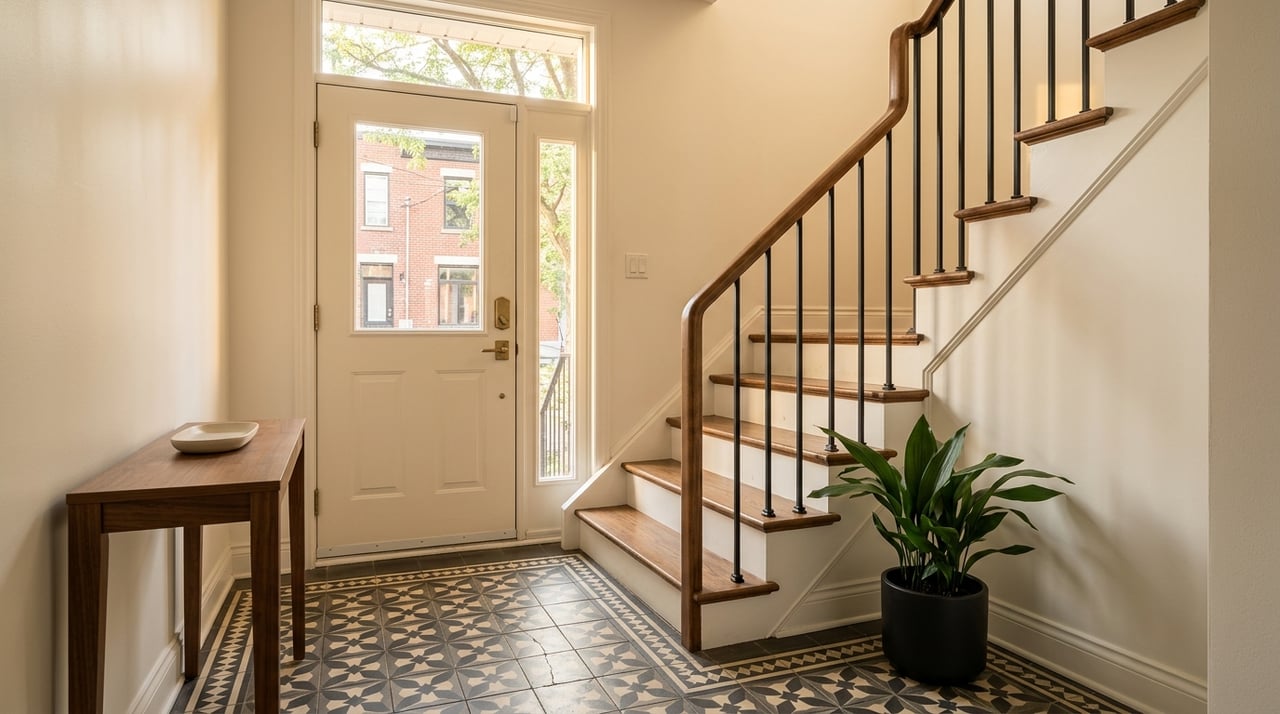
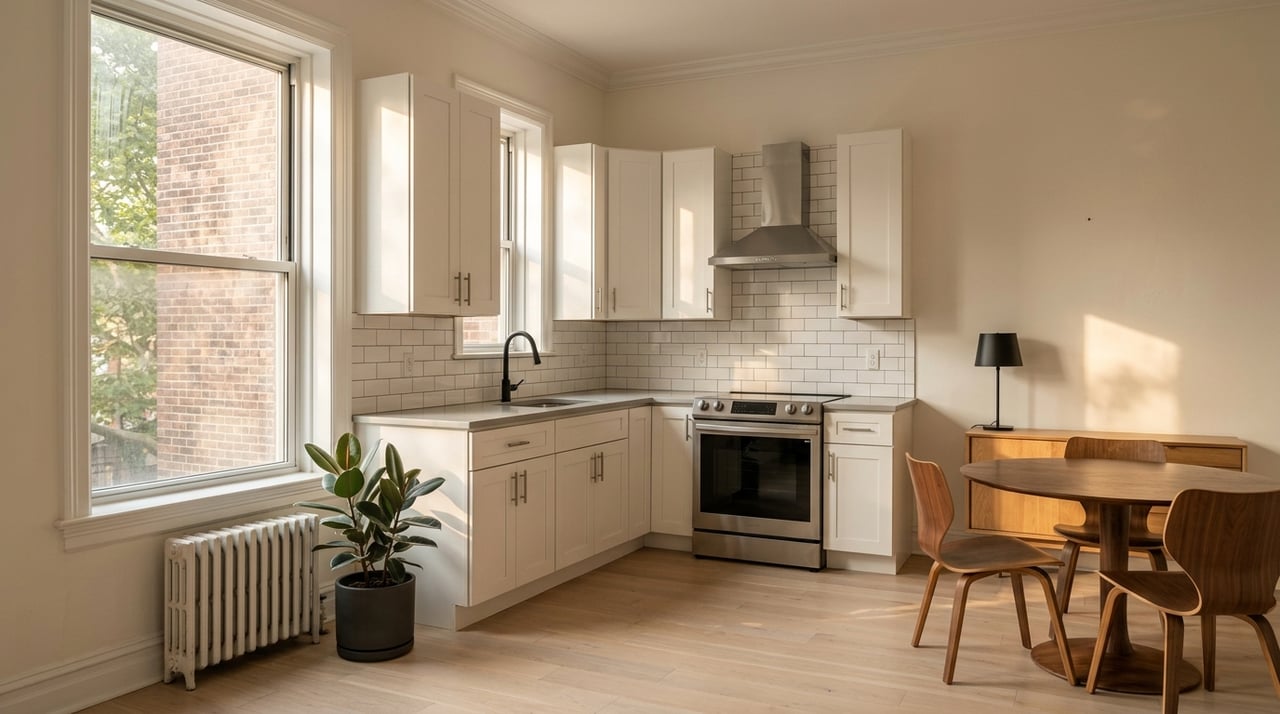
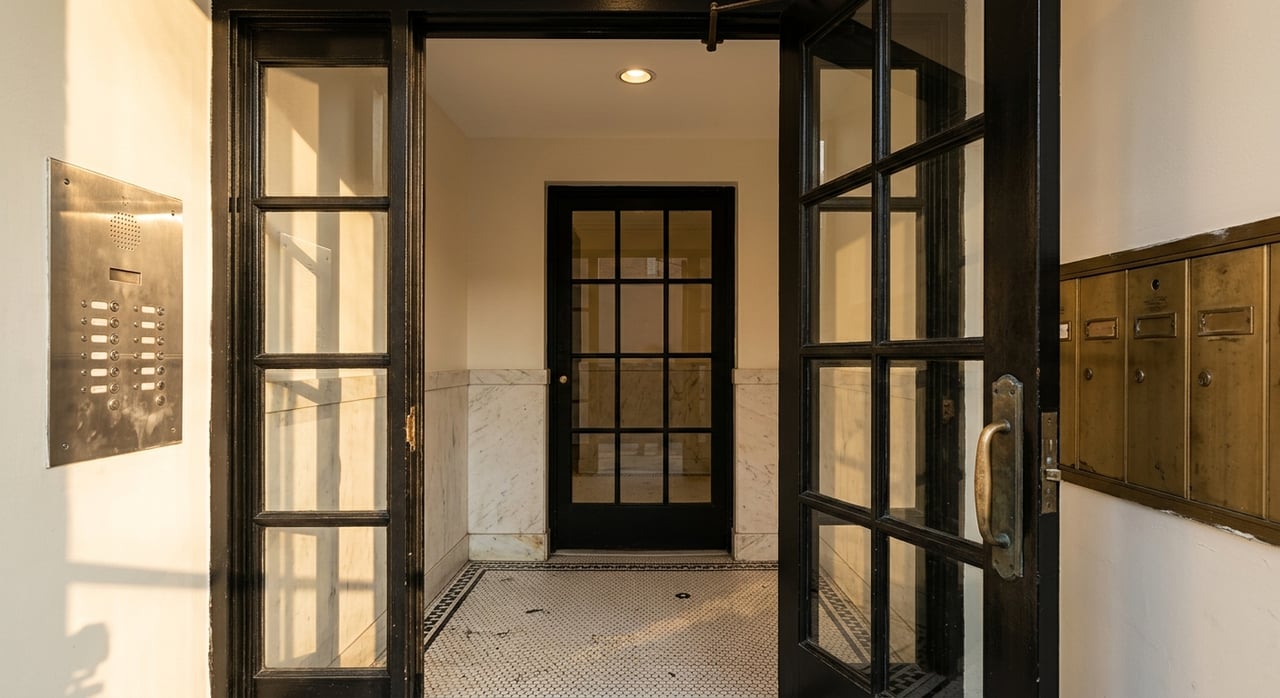
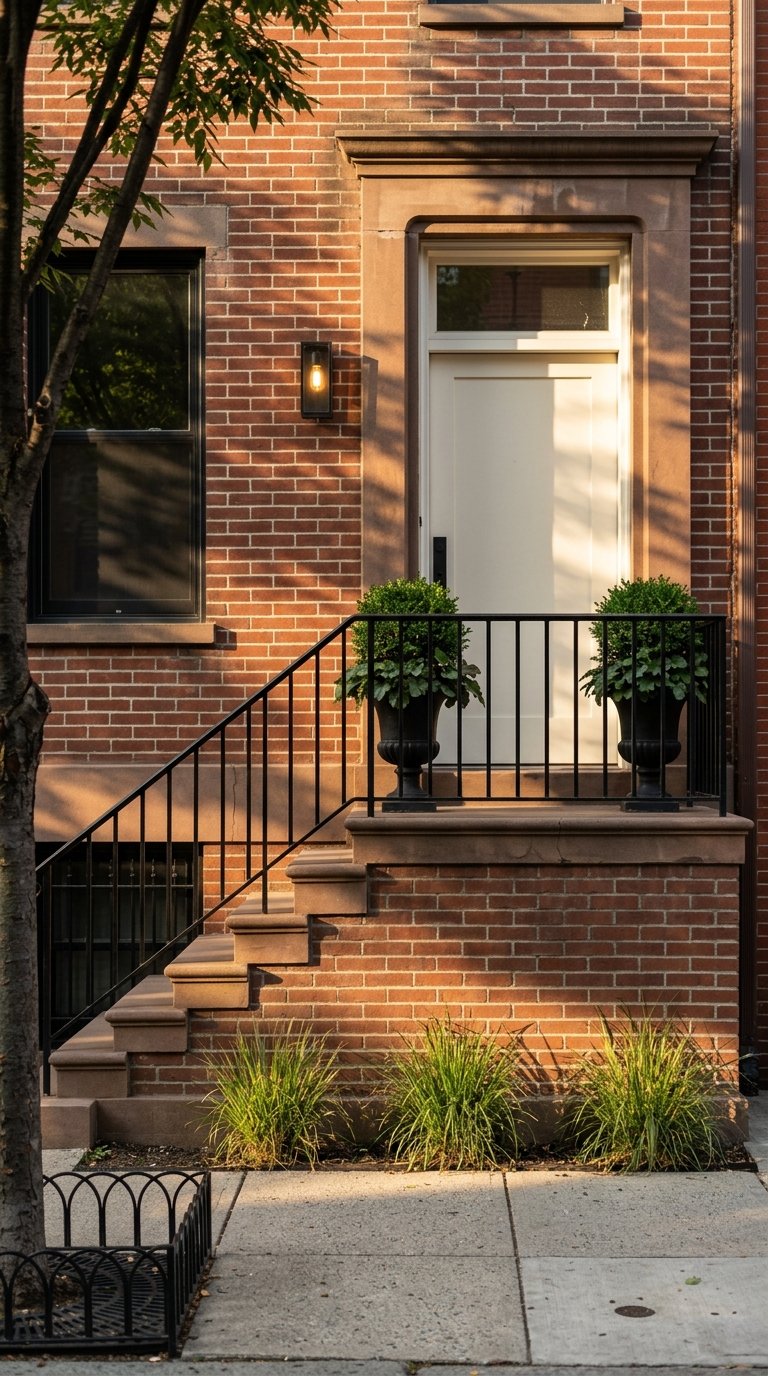
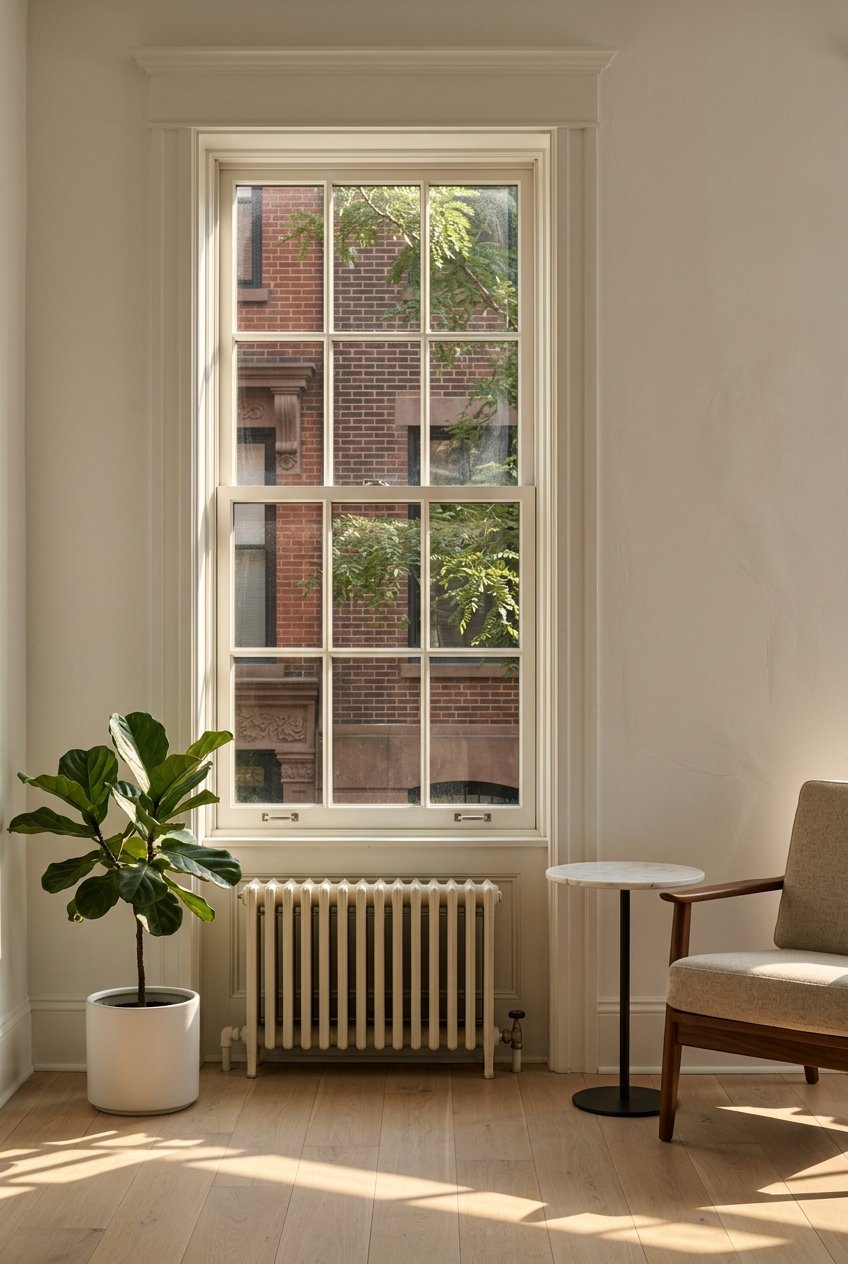
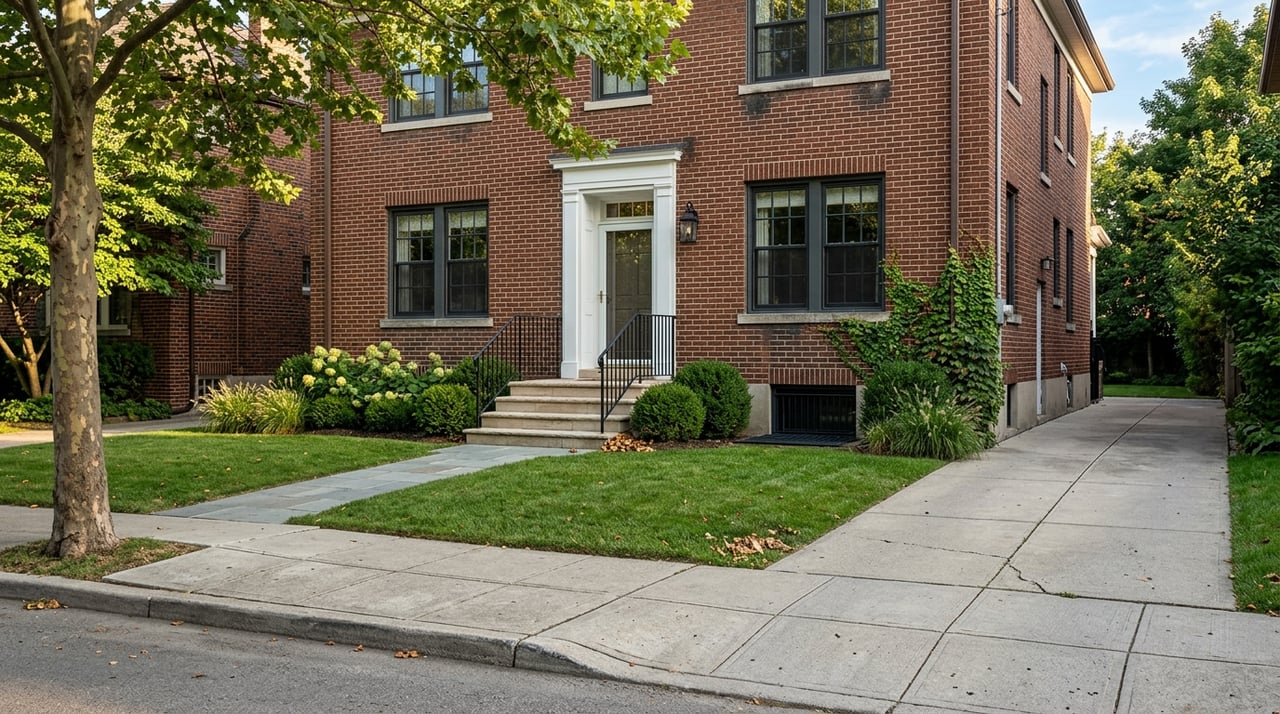
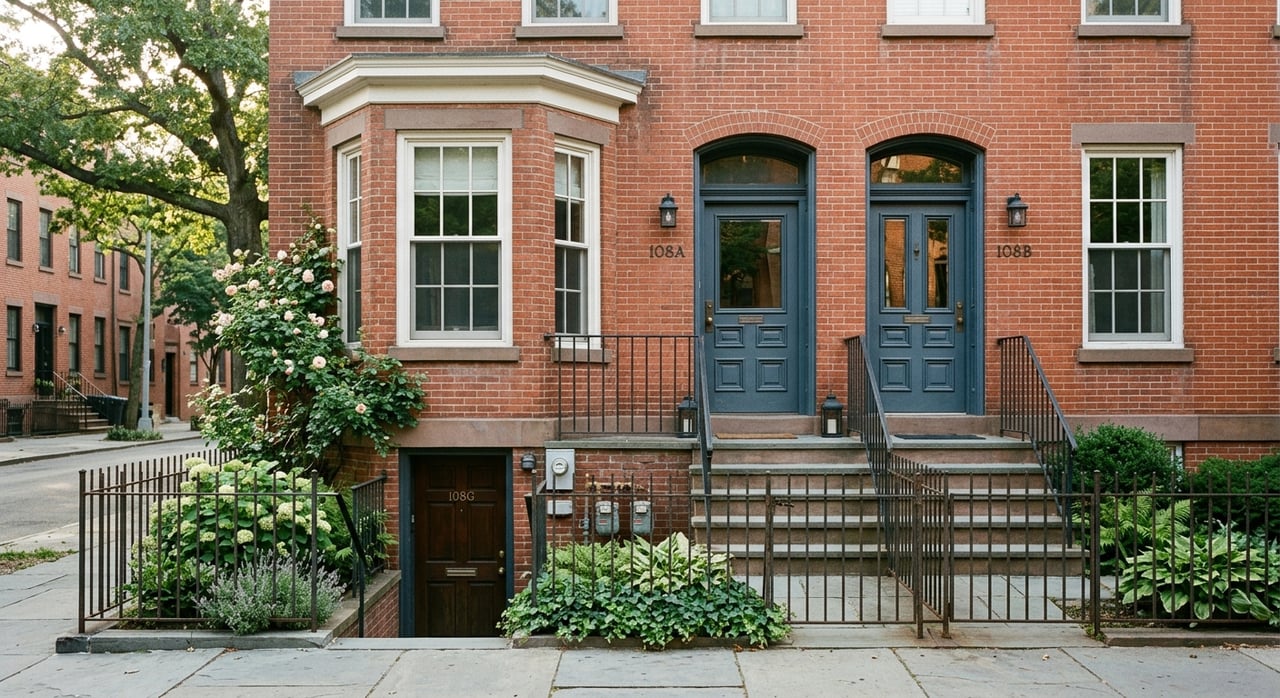
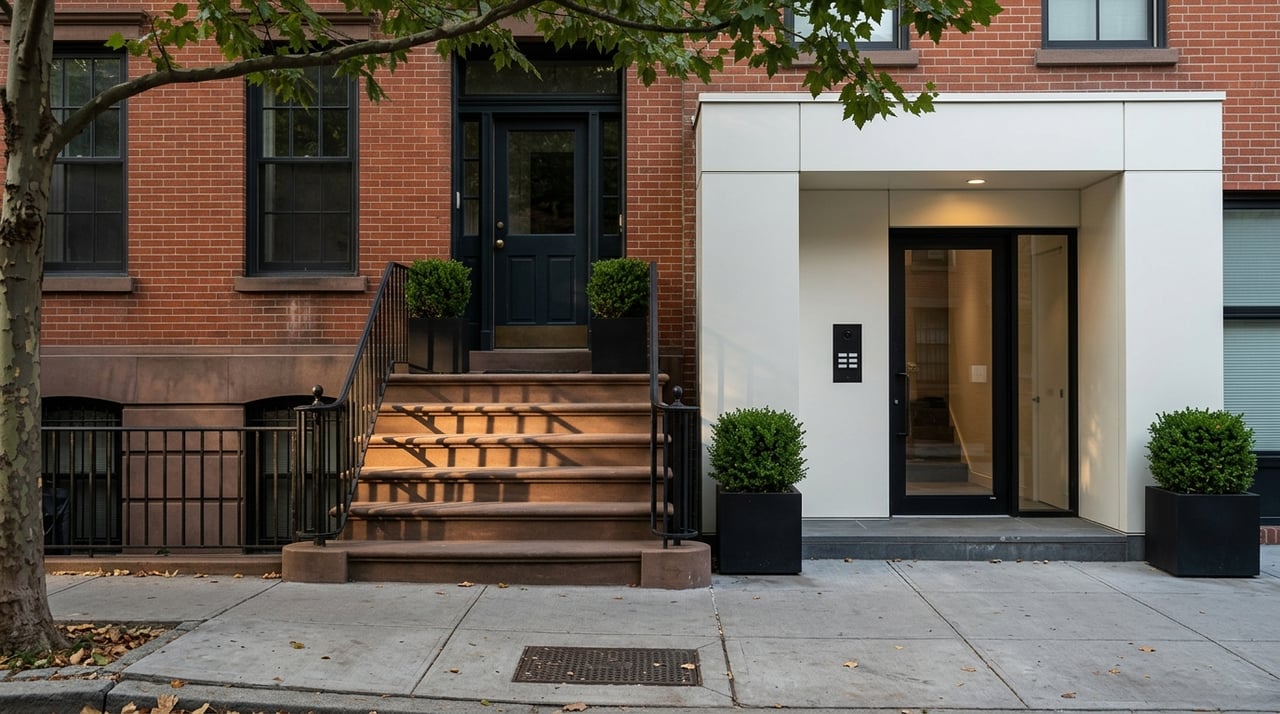
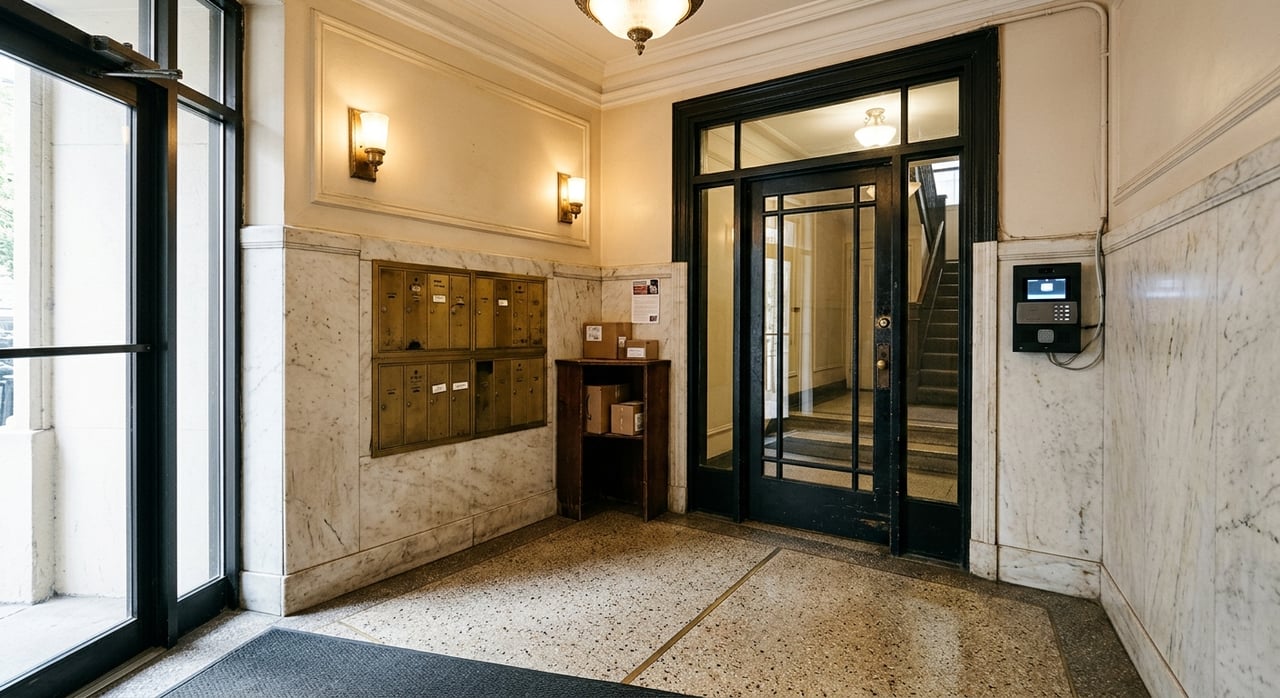
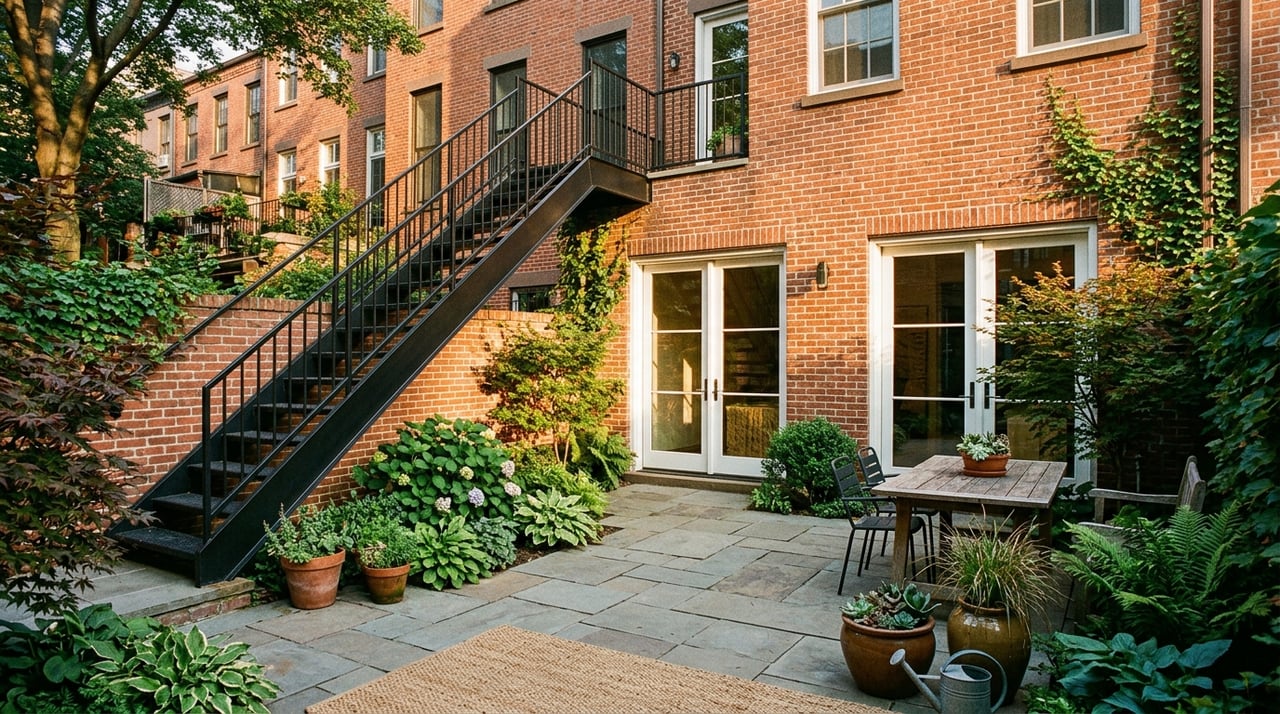
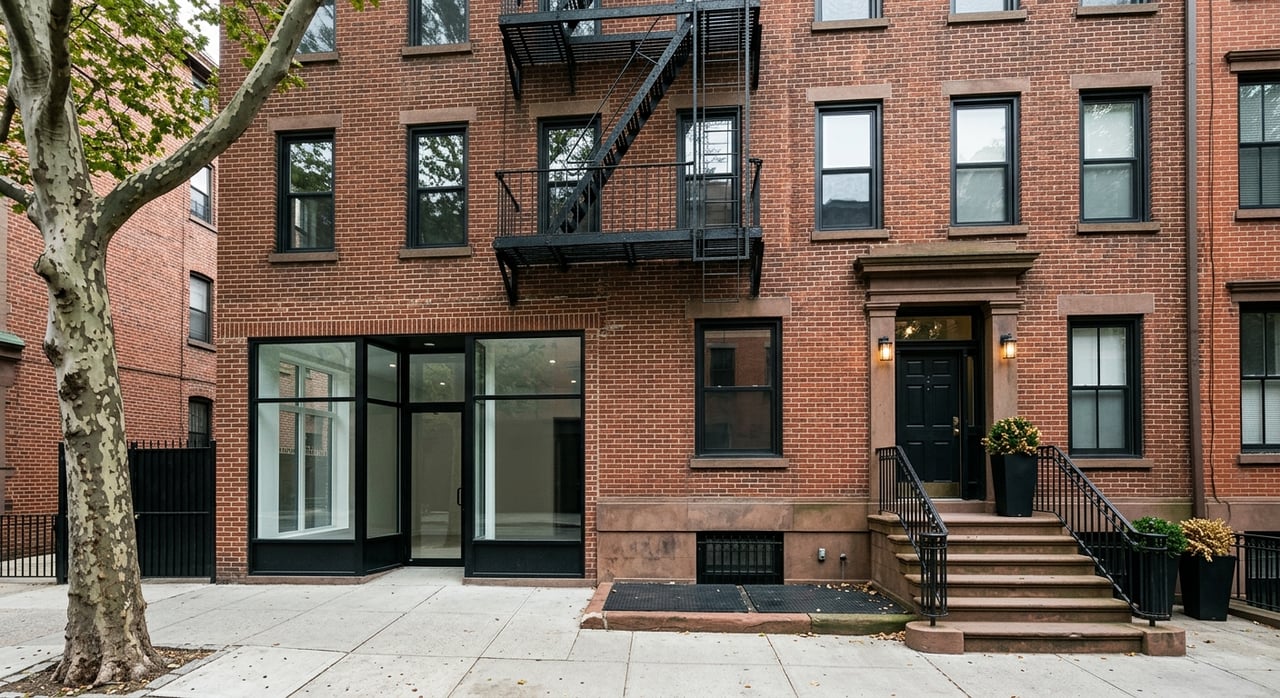
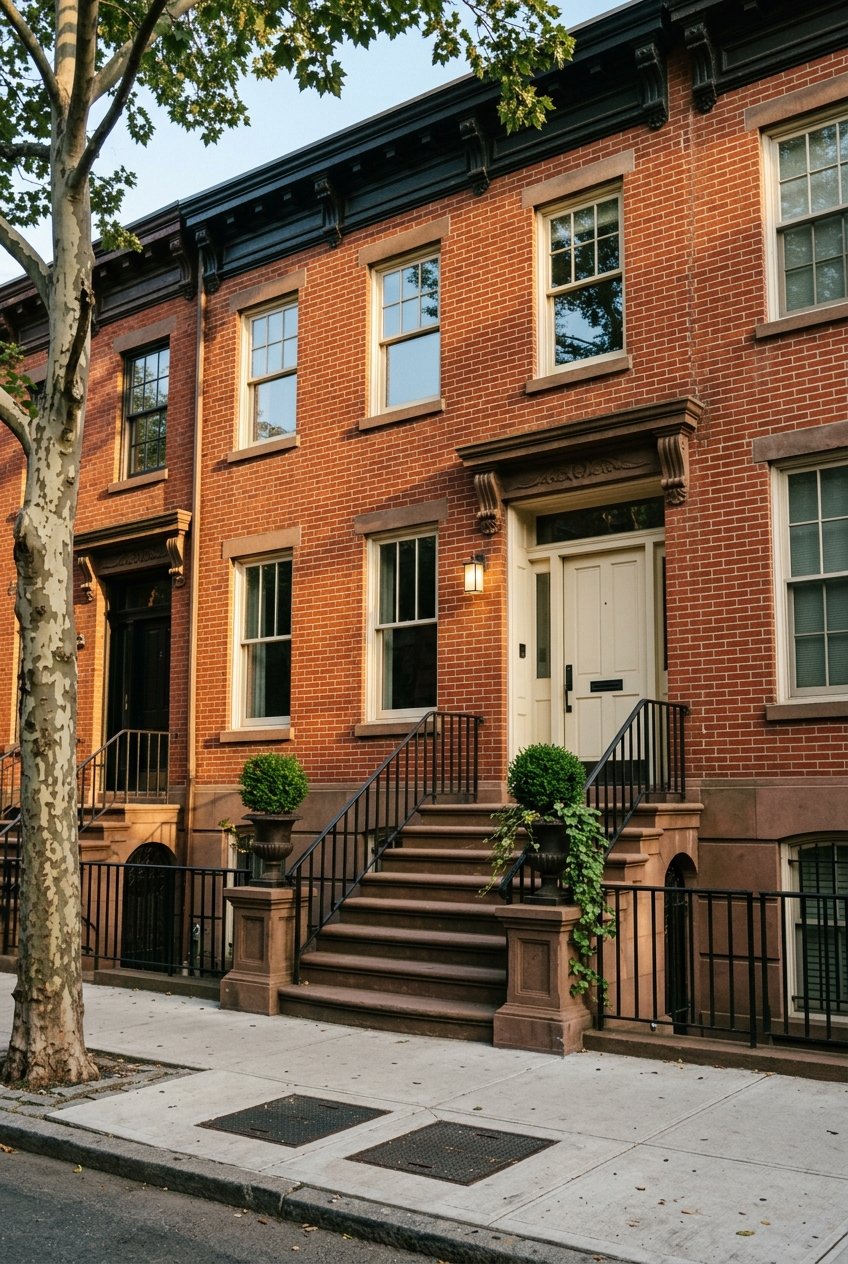
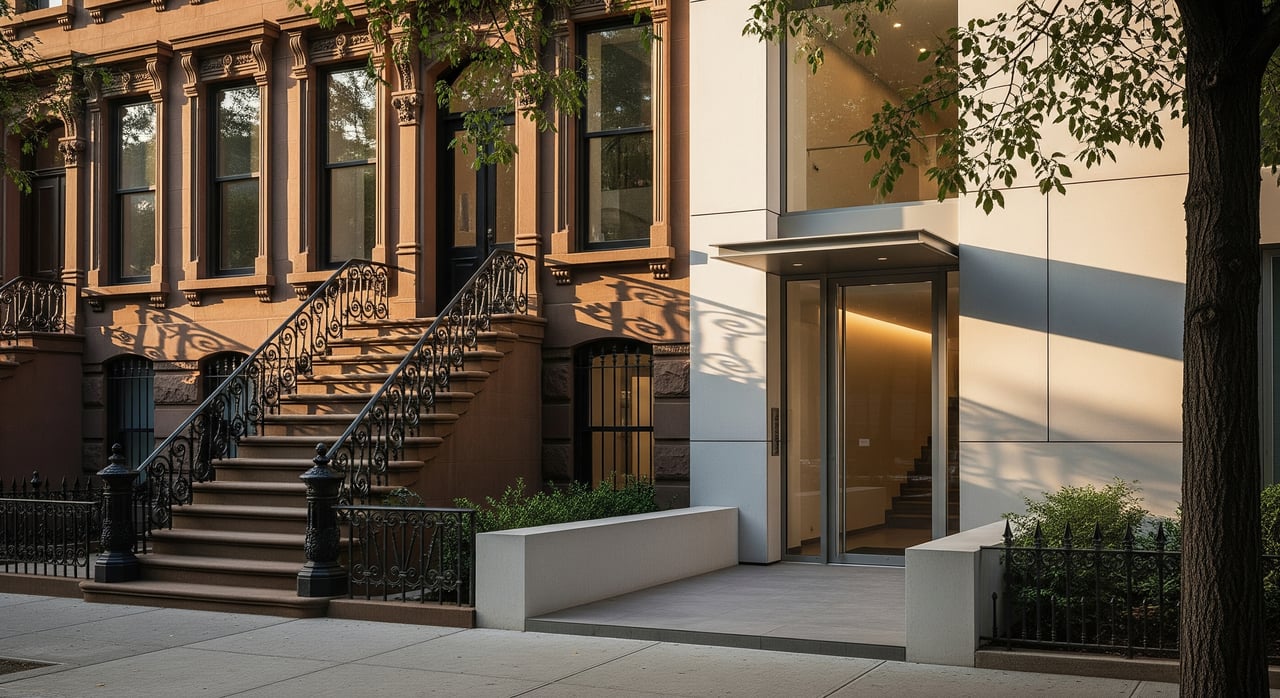
Fort Greene’s residential blocks feature mid-19th- to early-20th-century brownstones and rowhouses, many within the Fort Greene Historic District. If you love original detail and stoop culture, these homes offer strong neighborhood identity. The historic designation shapes exterior work and additions, so renovation-minded buyers should review the Landmarks Preservation Commission report early in their planning. You will also find prewar apartment buildings and newer mid- and high-rise options as you approach Atlantic Terminal.
New towers near Barclays
Adjacent to the neighborhood, the long-running Pacific Park (formerly Atlantic Yards) project added high-density rental and condo towers and reshaped the area around the arena. Public reporting has noted phased delivery and the timeline for affordable units over the years, which influenced local retail and traffic patterns. If you are considering a condo or new development near the hub, read up on Pacific Park’s background and weigh proximity to the arena against the convenience of newer amenities.
Prices and the pulse
Market conditions change month to month, but recent neighborhood profiles have shown Fort Greene’s median asking sale price and rent trending above the broader Brooklyn medians. StreetEasy’s reporting placed the neighborhood in a higher-demand tier, which aligns with strong transit, park access, and cultural amenities. Review current figures and trends on the day you make decisions; a good starting point is StreetEasy’s neighborhood watch list, then refine with fresh comps.
Schools and learning nearby
Fort Greene sits near a range of public and parochial options and several notable institutions. The neighborhood is home to Brooklyn Technical High School, one of the city’s specialized high schools. Nearby, Pratt Institute in adjacent Clinton Hill and Bishop Loughlin offer additional educational anchors. For elementary zoning and admissions policies, confirm details directly with the NYC Department of Education before you decide.
Pros and considerations
- Pros: Central location with express trains and the LIRR, a beloved park, strong arts and community programming, and walkable daily conveniences.
- Considerations: Event-night crowds and traffic near the arena, curbside parking competition, landmark rules for exterior changes, and ongoing development around Pacific Park.
Quick tips for buyers and renters
- Review live comparable sales and rental comps before you commit, and track current neighborhood medians for context.
- If you are eyeing a brownstone, check landmark status and permit needs early so your renovation plans, timeline, and budget are realistic.
- For condos and new developments near Atlantic Terminal, review building financials, amenities, and any nearby Pacific Park phases that could affect your block.
- Confirm your target school zone and capacity with the NYC Department of Education if that is part of your decision-making.
Is Fort Greene a fit?
If you want a routine that is easy to walk, rich with arts, and anchored by a true neighborhood park, Fort Greene delivers. You will trade a bit of arena-night bustle at the edges for excellent transit, culture, and a lived-in community feel. Whether you are buying, selling, or renting, local insight will help you time the market and weigh tradeoffs by block. If you are curious how Fort Greene fits your next move, connect with Claudette Rolling to talk through options and timing.
FAQs
What is a typical commute from Fort Greene to Manhattan?
- With express trains and the LIRR from Atlantic Terminal/Barclays Center, many commutes to midtown run about 15 to 30 minutes depending on line, time of day, and your exact starting point; see the station overview for connections.
How busy is it around Barclays Center at night?
- Expect noticeably busier streets and transit around event times near the arena and Atlantic Terminal, while the interior brownstone blocks generally see less spillover.
Is Fort Greene considered family-friendly?
- Many households value the tree-lined blocks, playgrounds, and after-school arts options, plus proximity to institutions like Brooklyn Tech and Pratt’s community offerings; always verify public school zones with the NYC Department of Education.
What kinds of homes are common in Fort Greene?
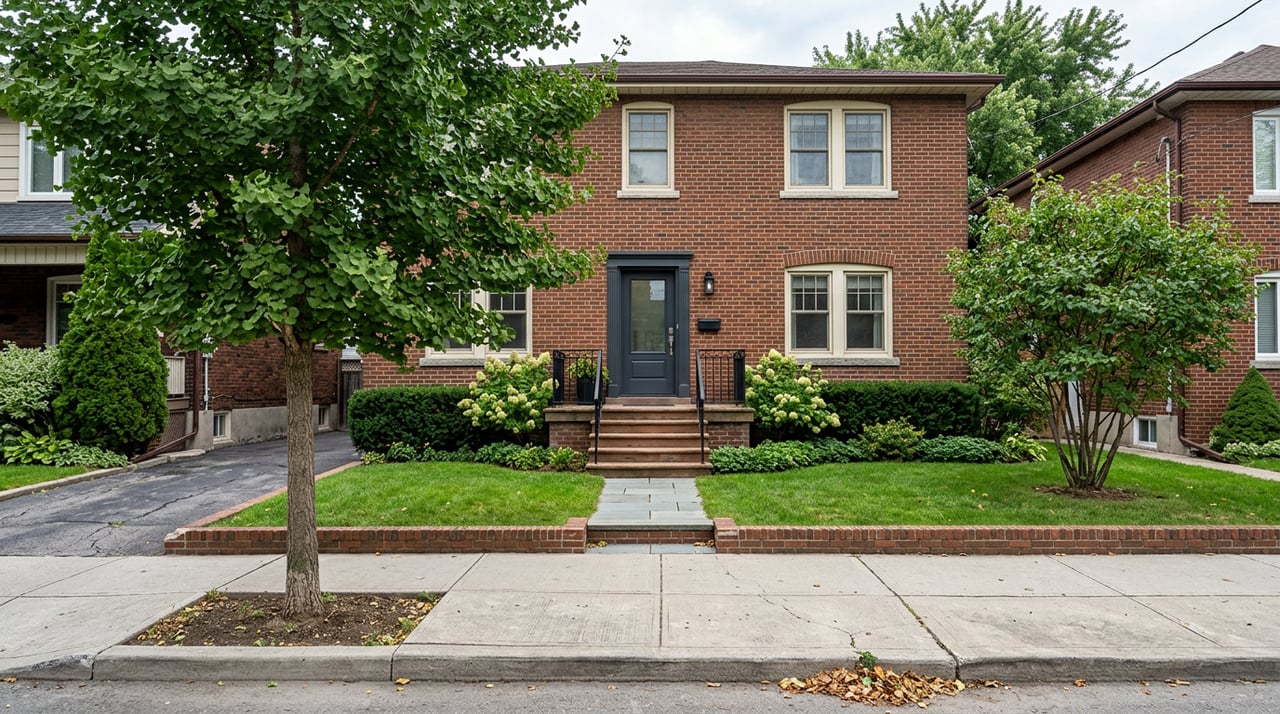
- You will find historic brownstones and rowhouses within the landmark district, prewar apartment buildings, and newer condo and rental towers closer to Atlantic Terminal and the Pacific Park area.
What should buyers check before making an offer in Fort Greene?
- Review live comps and market stats, confirm landmark and permit implications for renovations, assess condo financials and any nearby Pacific Park phases, and verify your school zone and capacity with the DOE before committing.