A property tax bill in Flatlands is one of the few numbers on a listing sheet that has almost nothing to do with the sale price. It reflects the property's assessment history, not what a buyer is about to pay for it, as the Department of Finance explains. Two houses can close within days of each other, at nearly the same price, on the same block, and carry tax bills that differ by hundreds of dollars a quarter for reasons that have nothing to do with either buyer's negotiation.
That reason is a piece of state law most listing sheets never explain: New York City's cap on how fast a Class 1 property's assessed value is allowed to rise.
As of September 2026, the median home price across all property types in Flatlands sits at $725,500, well below Brooklyn's broader median of roughly $950,000 for single-family homes over the twelve months ending in March 2026. That gap is the pitch behind every affordability roundup that mentions the neighborhood. It says nothing about which specific house on which specific block actually costs less to hold each month, because two houses priced identically can carry assessed values that are years apart in their climb toward true market value.
What Class 1 covers, and why it matters here
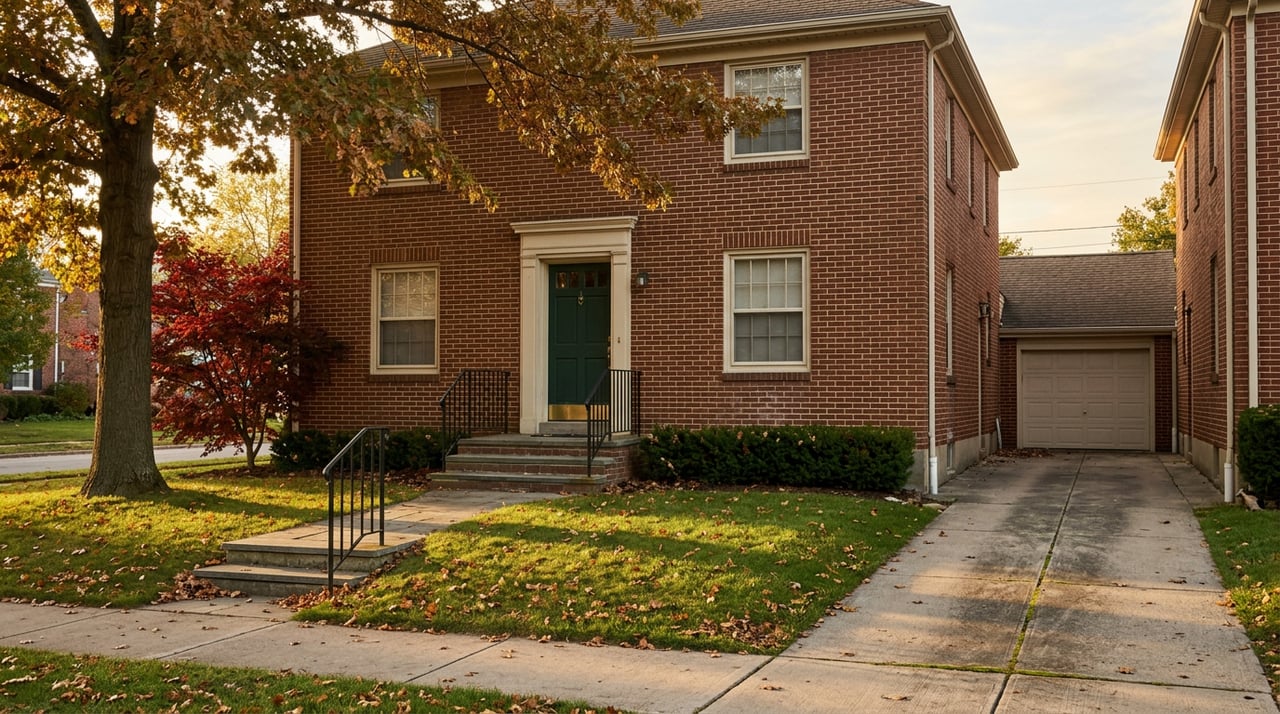
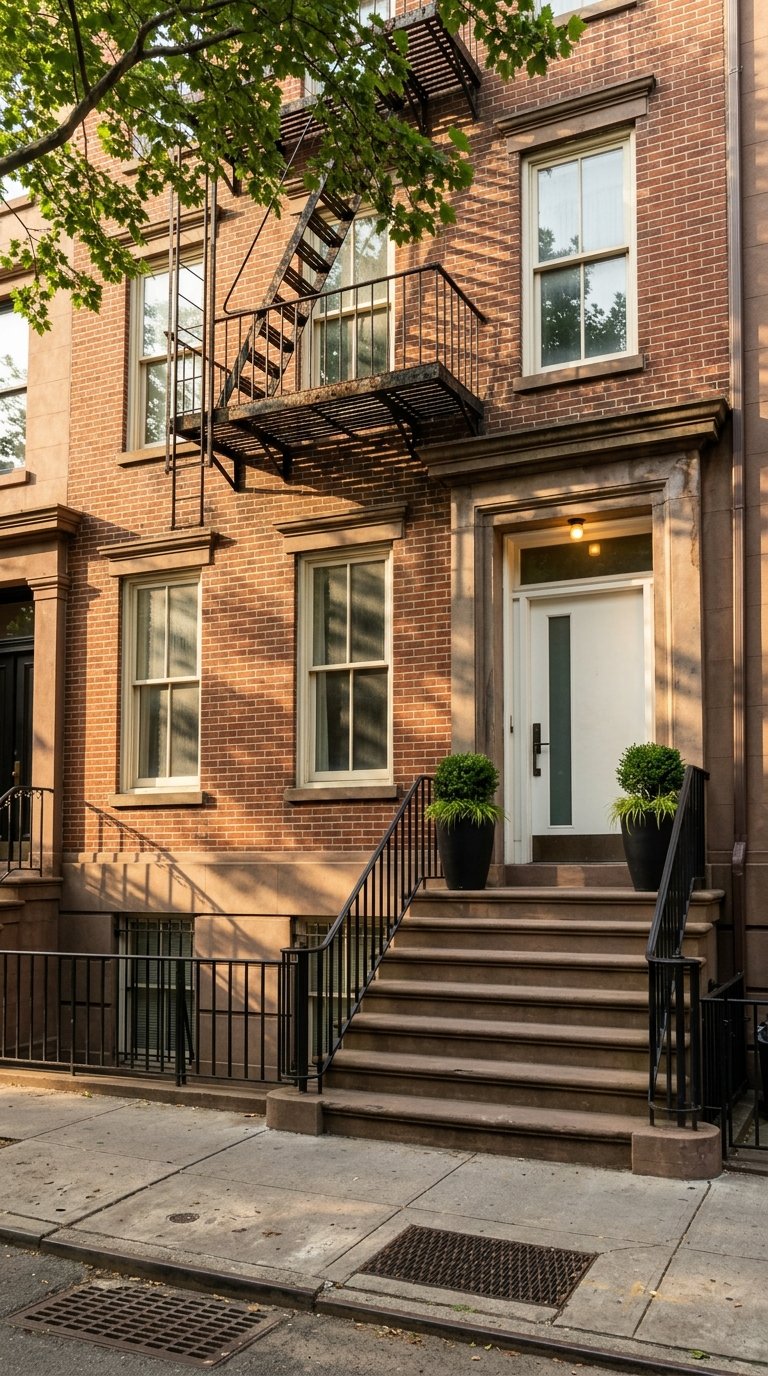
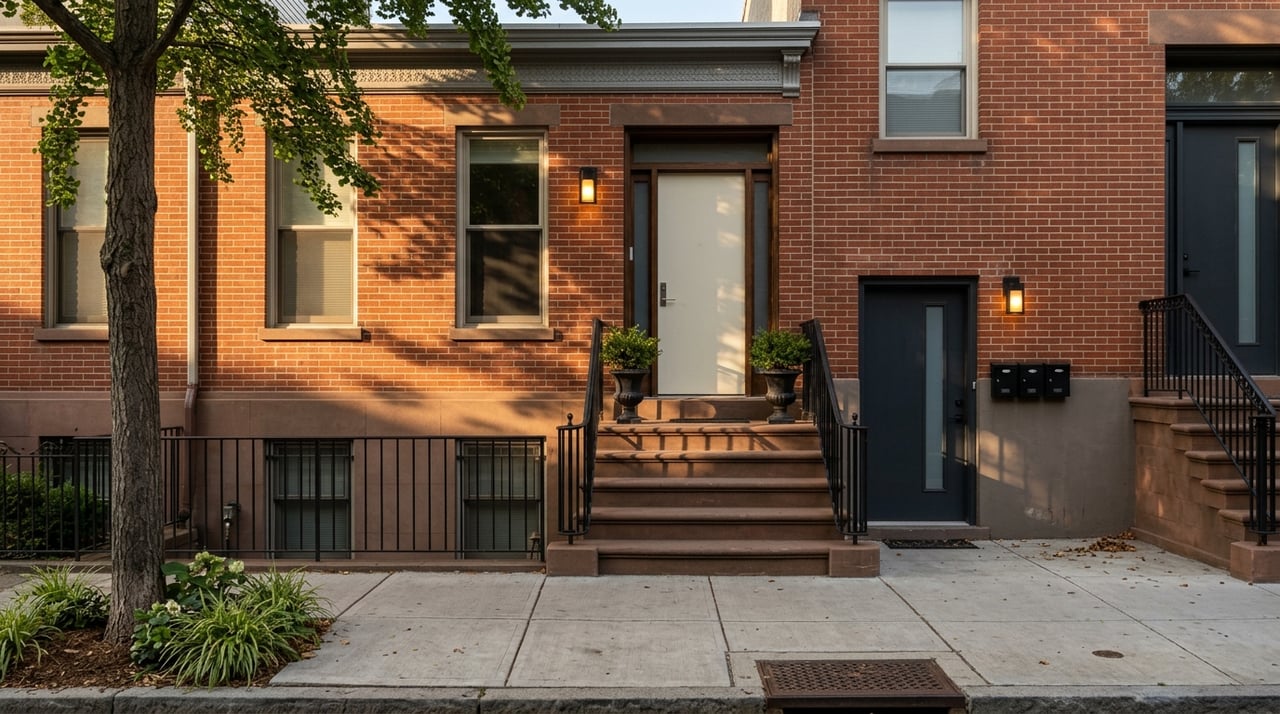
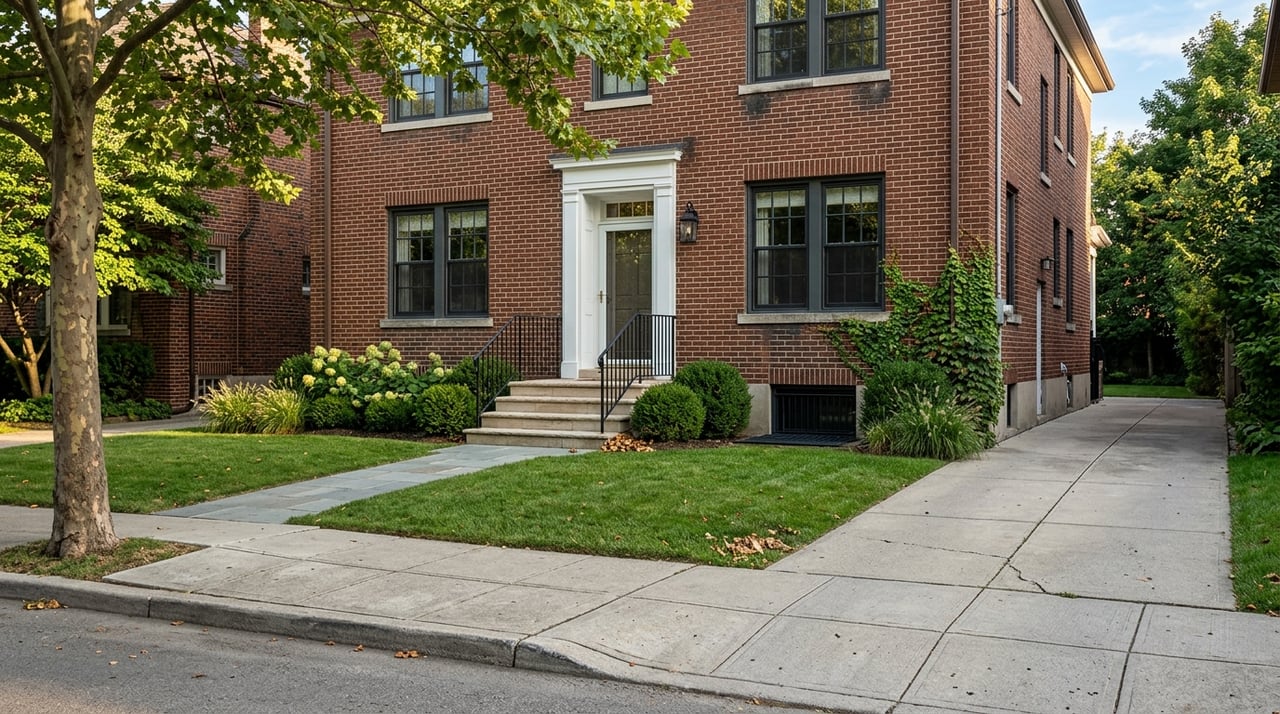
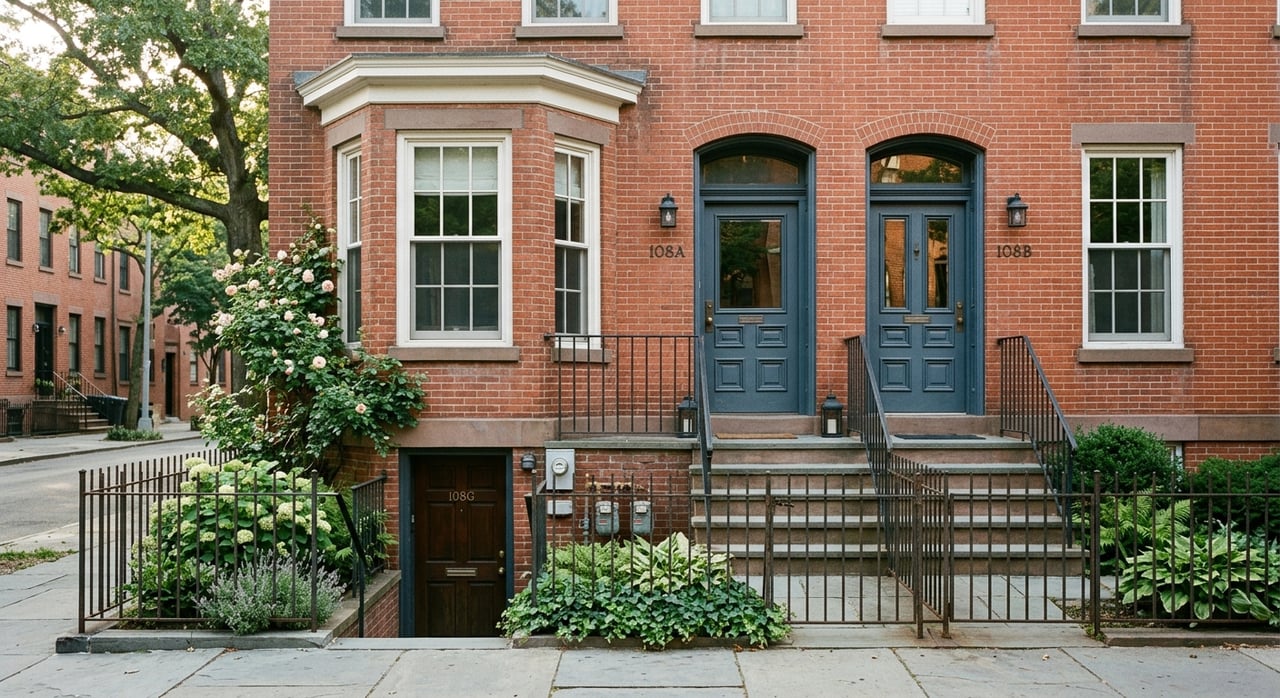
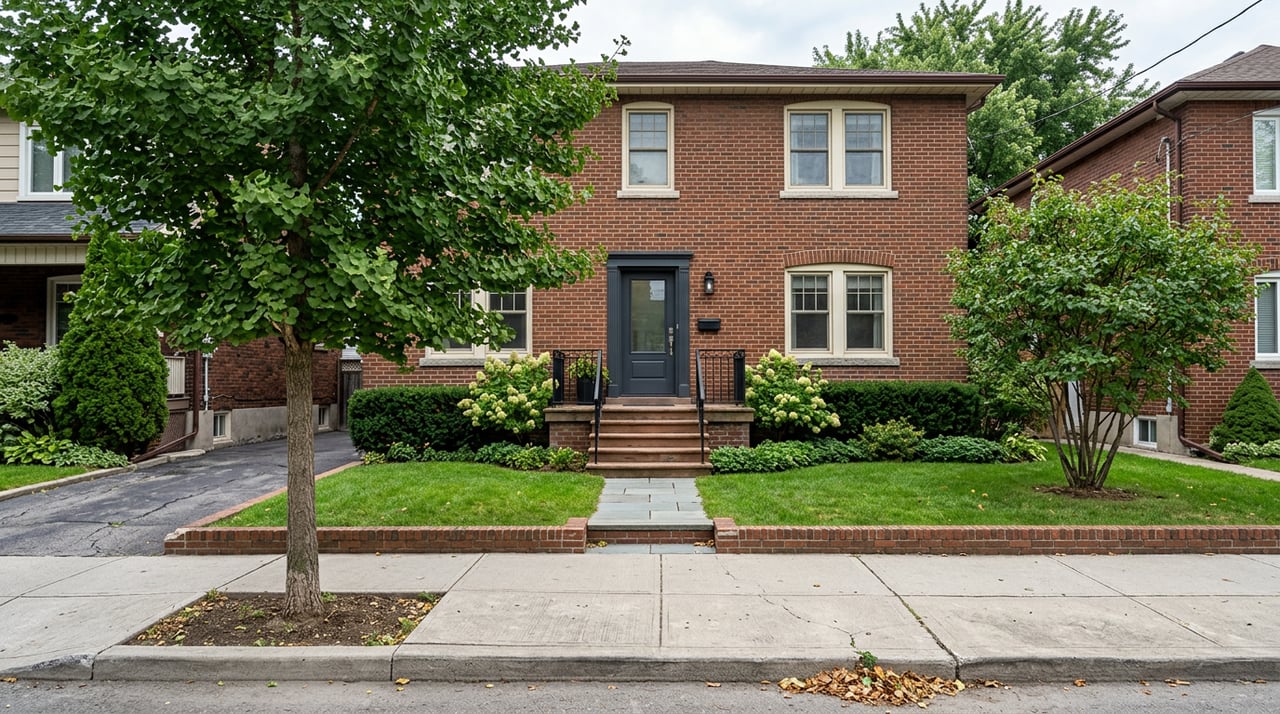
Flatlands is Class 1 territory. The neighborhood's housing stock is mostly detached and semi-detached one- and two-family homes built from the 1920s through the 1950s, the exact category the state's Real Property Tax Law groups as Class 1. That single classification decision shapes almost everything about how a Flatlands homeowner's tax bill behaves over time.
Under the city's fractional assessment system, a Class 1 home isn't taxed on its full market value. The Department of Finance assesses it at 6 percent of that value, then applies the fiscal year 2026 Class 1 tax rate of 19.843 percent to the result. A house the city estimates is worth $700,000 gets an assessed value of $42,000, and the tax bill is built from that $42,000, not from the $700,000.
That much is simple math. The complication is what happens to the assessed value every year after.
The cap that can keep assessed value behind market value
According to the New York City Comptroller, state law limits how much a Class 1 assessed value can rise: no more than 6 percent in a single year, and no more than 20 percent over any five-year period. The cap exists so a hot housing market doesn't hand a longtime homeowner a tax bill they can't plan for. It works. It also means that in a neighborhood where market values move faster than 6 percent a year, growth in assessed value can lag behind market growth for years.
Here's the math with round figures, not a real address, just the mechanism made visible. Say a house had an assessed value of $30,000 five years ago, and its true market value has since risen enough that an uncapped assessment today would be $45,000. Under the 20-percent-over-five-years limit, the assessed value can only climb to $36,000 by year five, still $9,000 short of where the market alone would put it. At that point, the house is taxed on the capped assessment, not the higher value the market alone would imply. It gets taxed on where the cap says it's allowed to be.
The part a sale doesn't change
This is where the mechanism turns into a transaction issue and not just a homeowner curiosity. When a Class 1 house sells, the city does not reset its assessed value to the sale price. The Department of Finance's own description of how annual valuation works makes clear that a sale price never becomes the new assessed value on its own. Pay $750,000 for a house and the assessed value doesn't jump to match what you paid. It keeps climbing at whatever capped pace it was already on, at 6 percent a year, no faster, regardless of who signed the deed.
The clearest evidence that this is how the law actually works, and not just an assumption, comes from an attempt to change it. In 2022, the New York City Council introduced Resolution No. 128, calling on the state legislature to let Class 1 assessment caps reset when a property changes hands. The resolution argued that letting the caps reset upon transfer would help "level the playing field" among homeowners whose assessed values had drifted apart from actual market value over decades of ownership. The measure never became state law. The caps still travel with the house, not with the sale.
For a Flatlands buyer, this means the tax line on a listing sheet is a snapshot of the property's assessment history, not a forecast based on the purchase price. Because the sale itself does not reset the assessed value, that history continues to shape the bill after closing.
| What determines the bill | Not this | Actually this |
|---|---|---|
| Assessed value basis | The price you pay | The value the house was already assessed at, capped at 6% a year |
| Reset trigger | Closing day | Gradual market catch-up, or an uncapped physical improvement, as TaxShark Inc. explains |
| Tax rate applied | Whatever seemed fair at closing | FY2026 Class 1 rate of 19.843% on the assessed value |
| Fastest way to lose the cap's protection | Nothing that happens at closing | An addition, extension, or renovation that changes the structure |
The one move that breaks the cap immediately
The cap has exactly one blind spot, and it matters for anyone eyeing an older Flatlands house with room to expand. Physical improvements, such as an added second story, a rear extension, or a basement conversion, are not subject to the 6 percent or 20 percent limits.
That's not a reason to avoid renovating. It's a reason to ask about it before signing a contract. A seller who added a dormer three years ago and a seller who hasn't touched the structure since 1988 are handing a buyer two different tax trajectories, even if their listing prices match to the dollar.
What to ask before you write an offer
A few questions cut through this faster than any listing sheet will:
- Does the assessed value on the most recent Notice of Property Value look close to 6 percent of market value, or noticeably below it?
- Has any addition, extension, or structural renovation been permitted in the past five years?
- Is the seller receiving an exemption?
- What does the current Notice of Property Value say the assessed value would be without the cap, compared to what it actually is?
Every one of those answers is public. The city publishes assessment rolls and Notices of Property Value for every parcel, and a property lookup during due diligence will surface the assessment history well before it shows up as a surprise on the first tax bill.
FAQ
Does buying a house at a higher price than its assessed value mean my taxes jump right away? Not immediately. The sale price itself doesn't trigger a reassessment. The city's market-value estimate for the property may drift upward over time based on comparable sales in the area, including this one, but the assessed value used to calculate the bill still moves at the capped pace.
If I buy a house that's been under-assessed for years, do I get the benefit, or does it disappear at closing? The benefit stays with the property; the protection belongs to its assessment history, not to any particular owner.
Does any of this apply to co-ops and condos in Flatlands? No. Co-ops and most condos fall under Class 2. The New York City Department of Finance describes Class 2 as assessed at 45 percent of market value using an income-based method.
Buying a Flatlands house means reading two numbers on the listing sheet as two different stories: what it sold for, and what its tax history has been quietly building toward for years. Getting both stories straight before an offer is the kind of groundwork Hey Claudette walks through with buyers, house by house, block by block. Say Hey and book a free consultation to talk through what a specific address's assessment history actually says before you write a number down.
This article is general information, not legal, tax or financial advice. Consult a qualified professional about your situation.