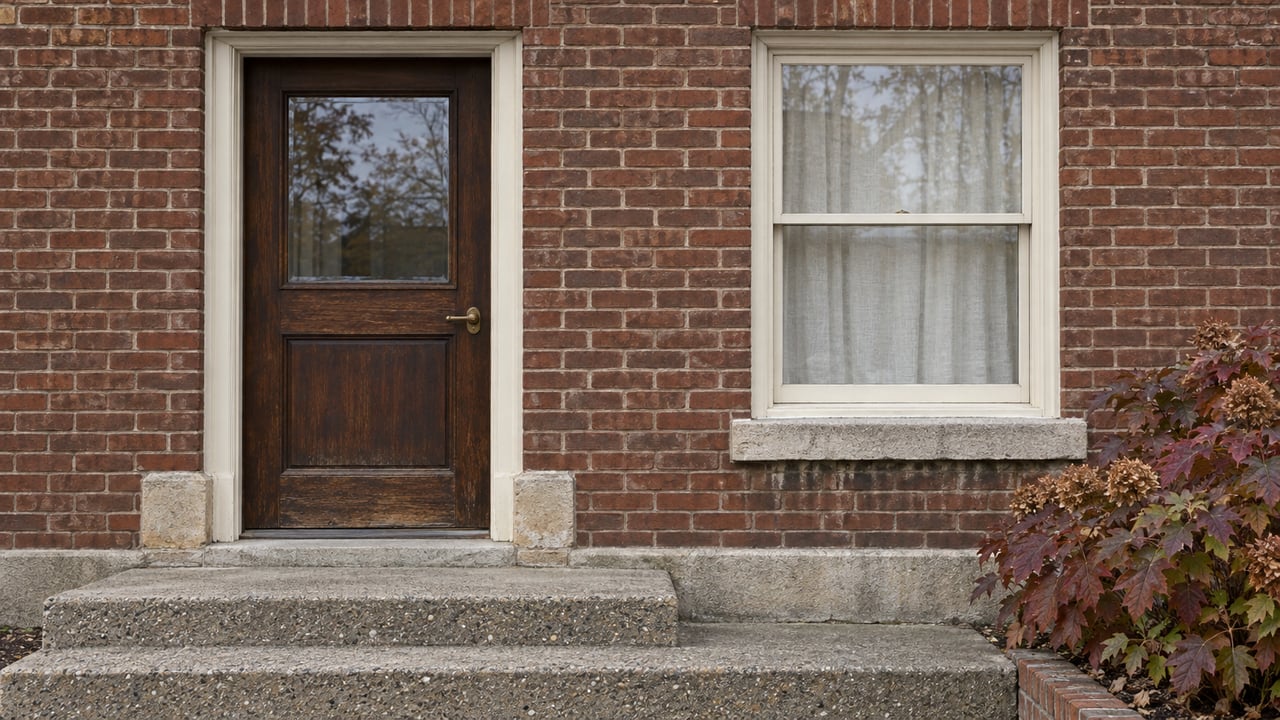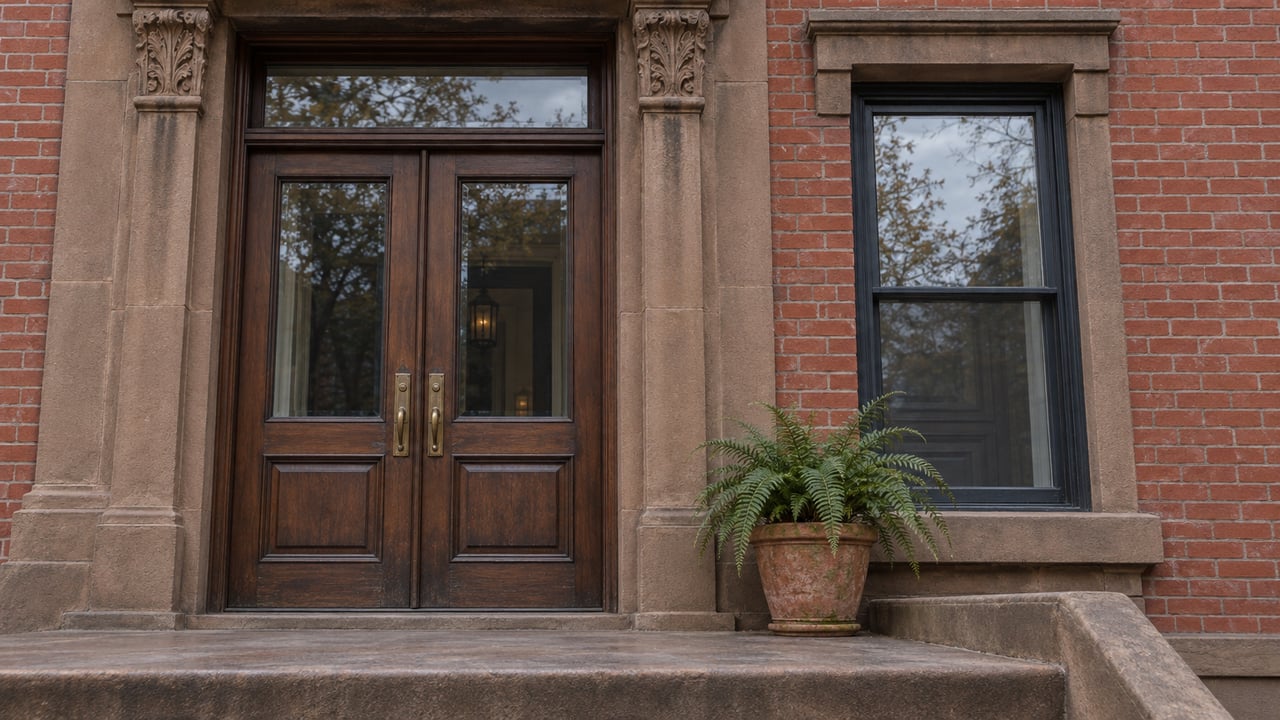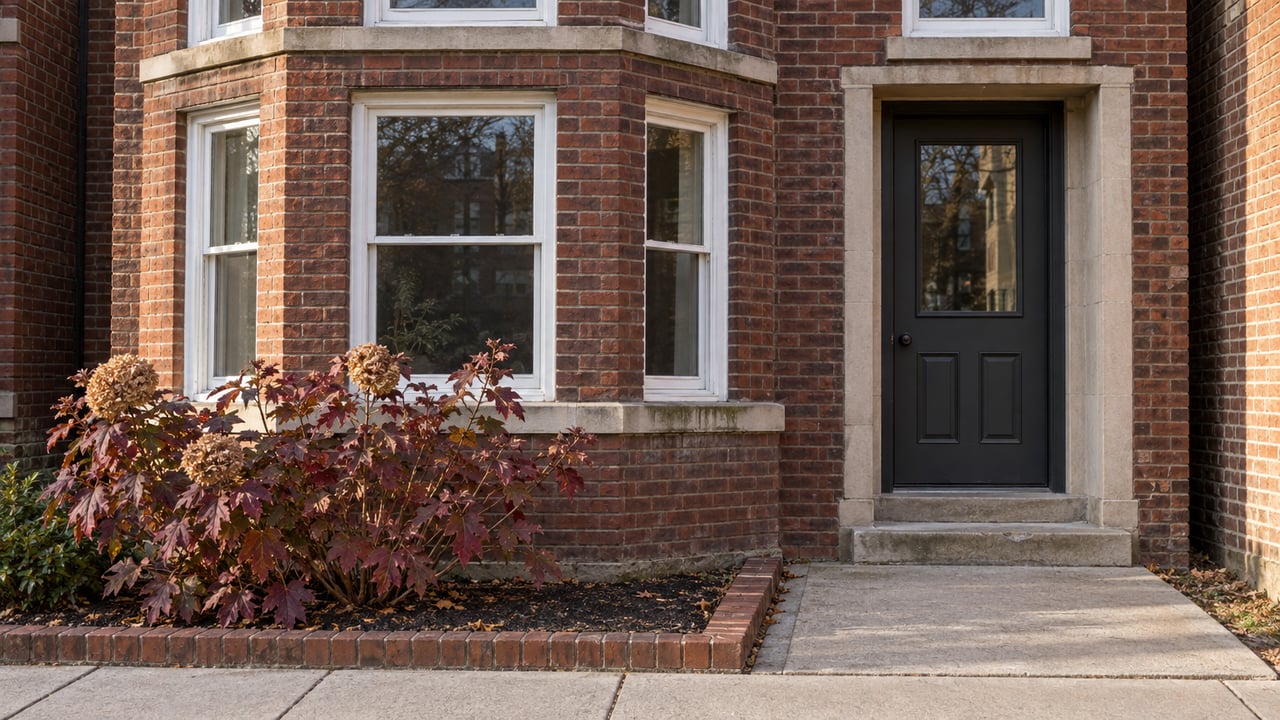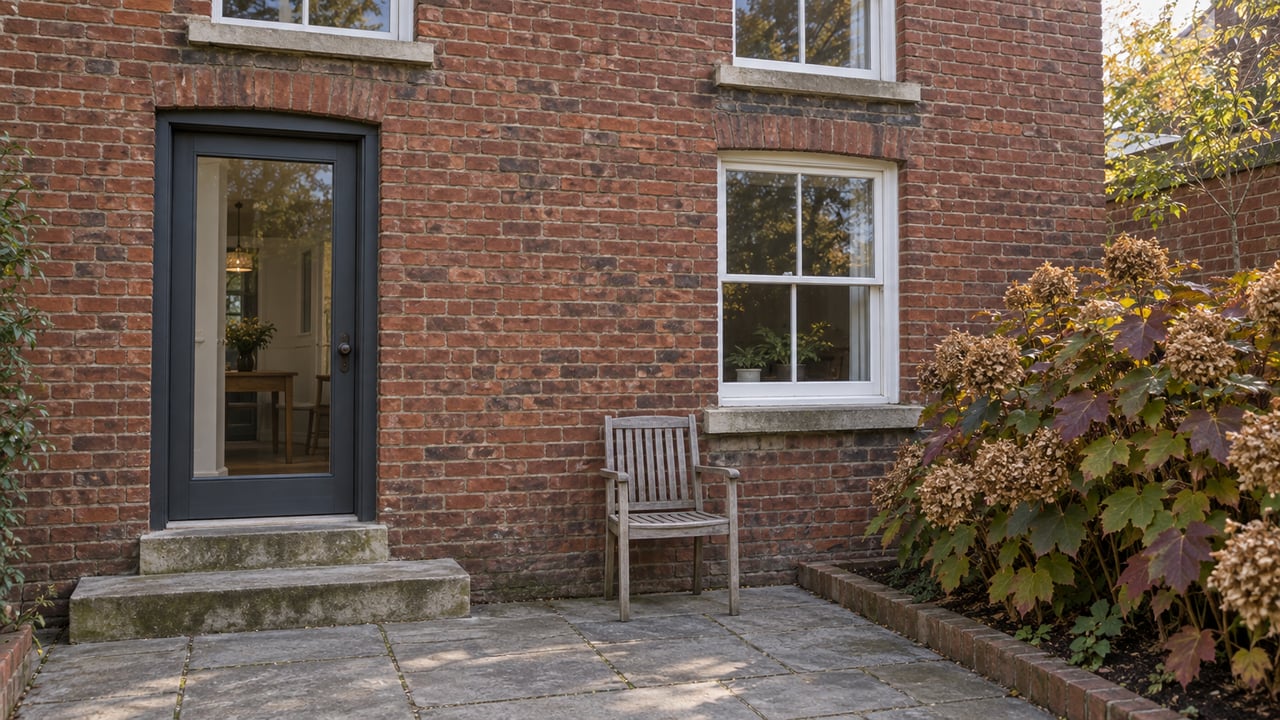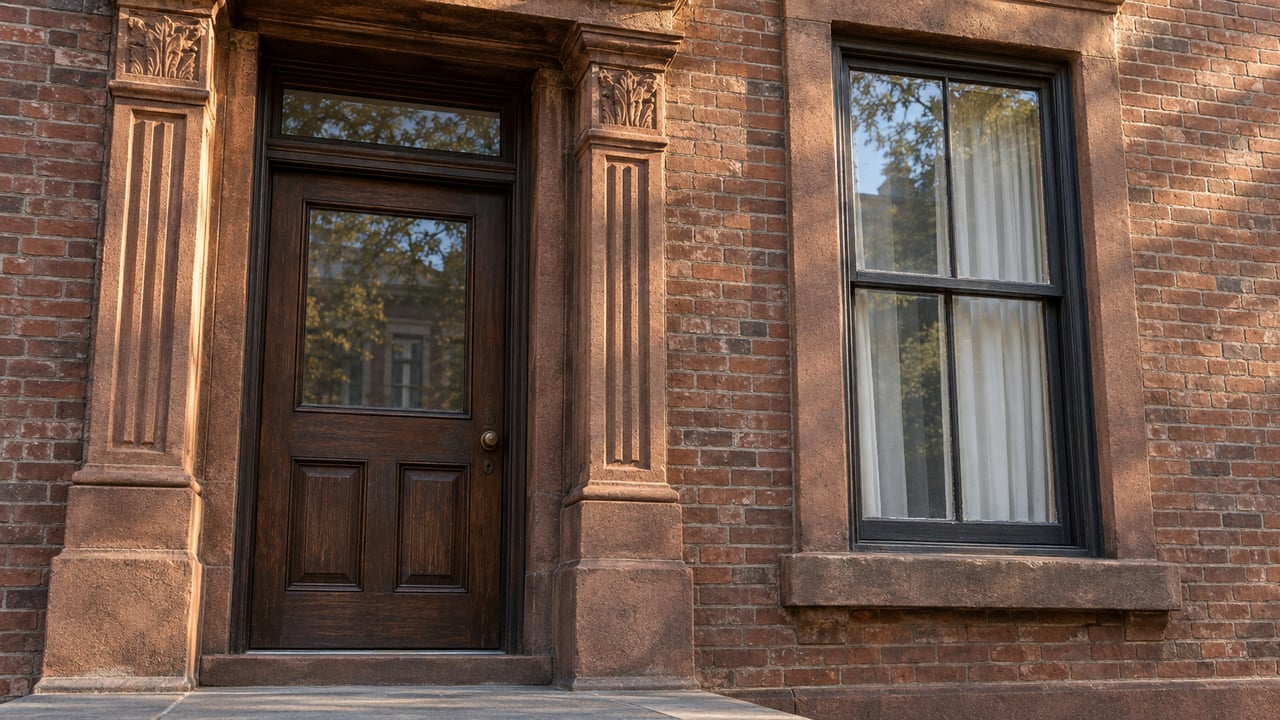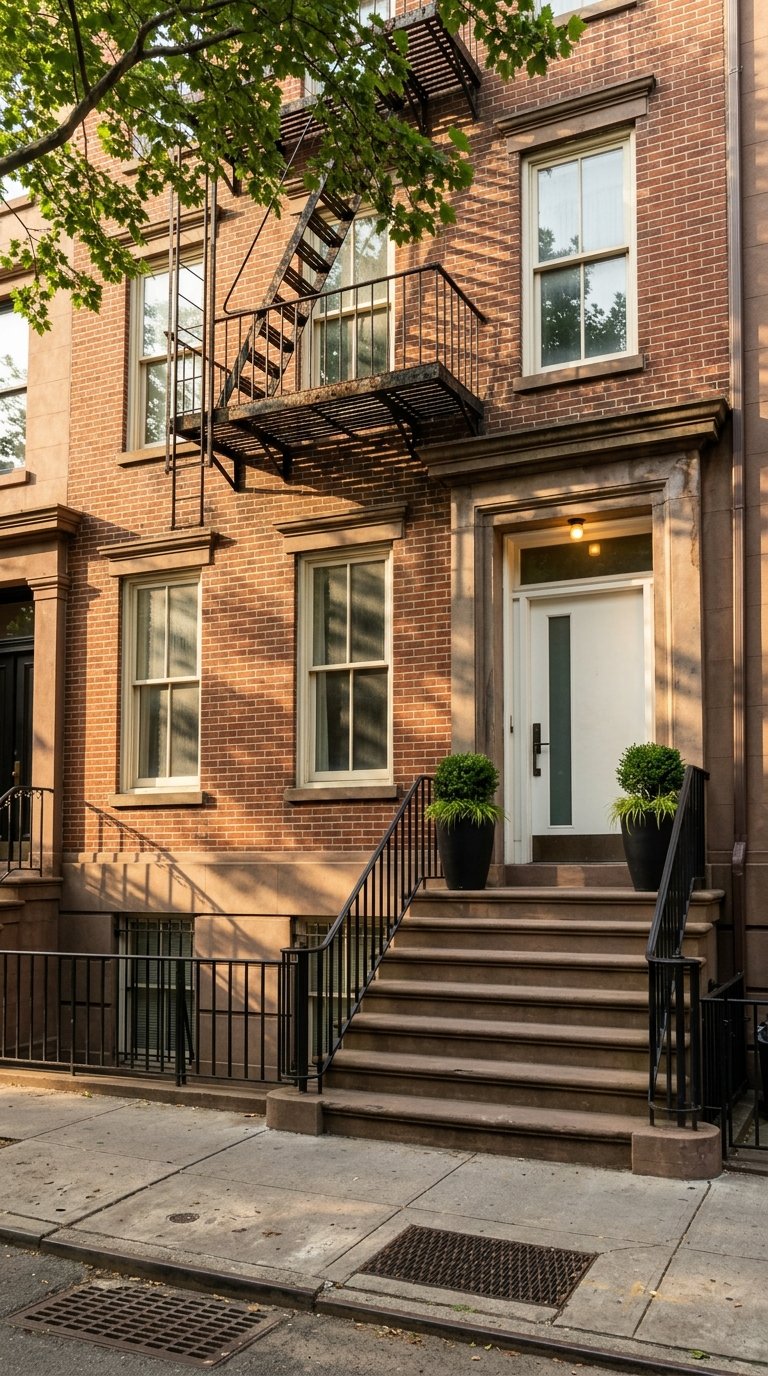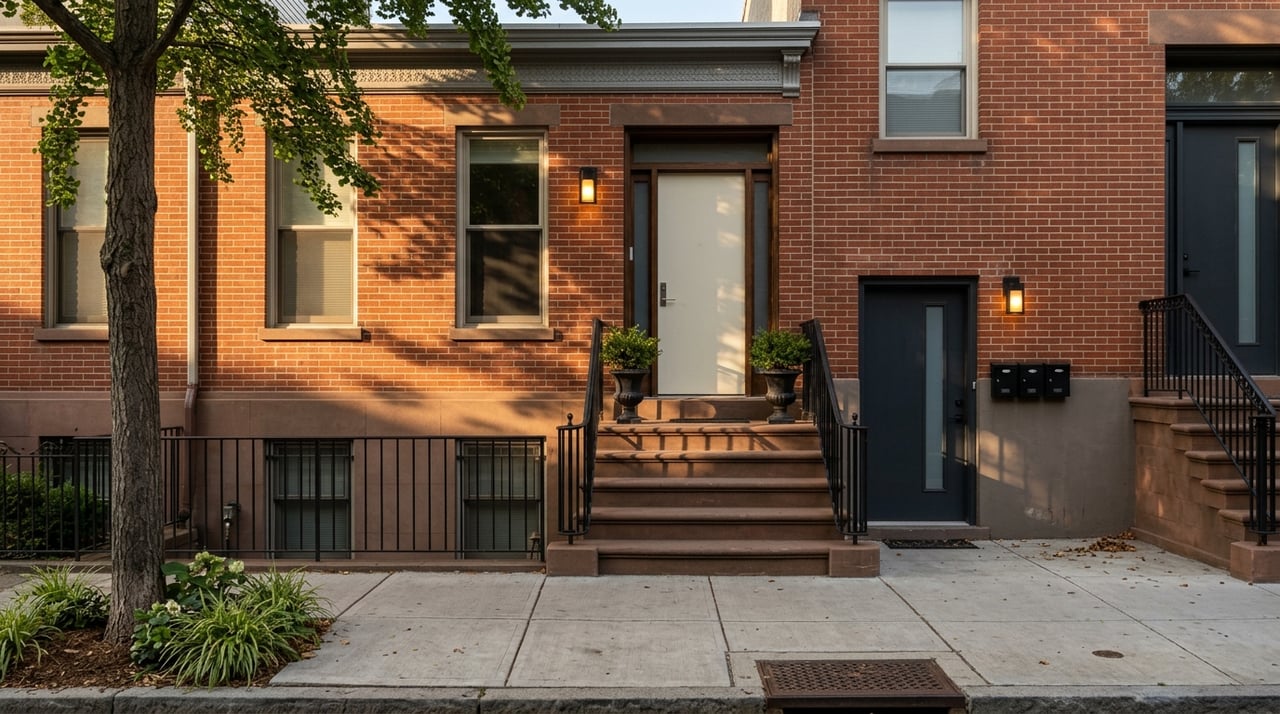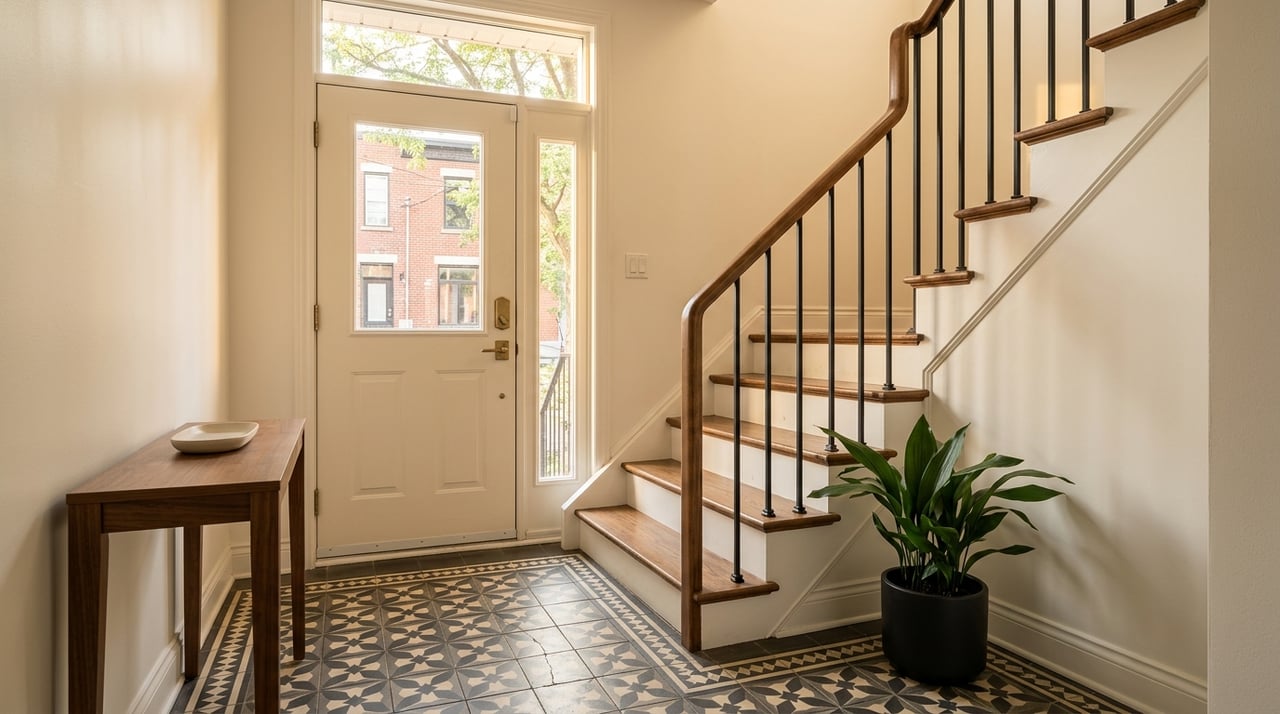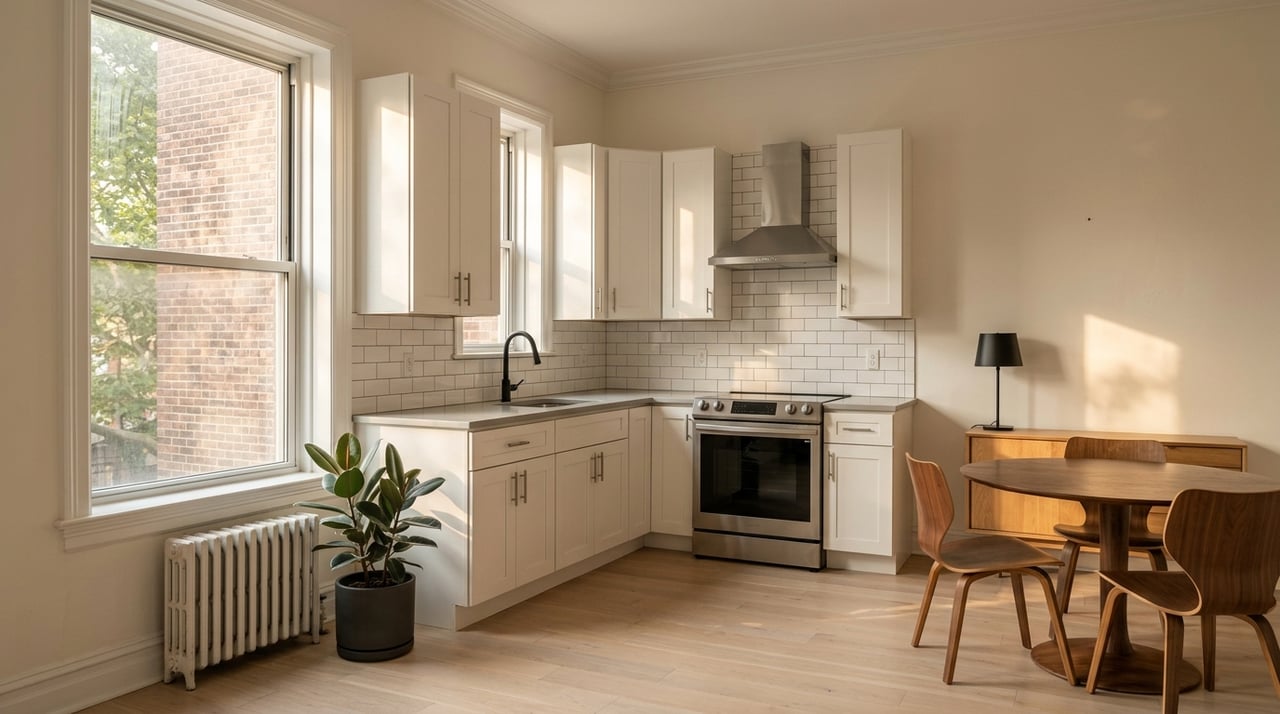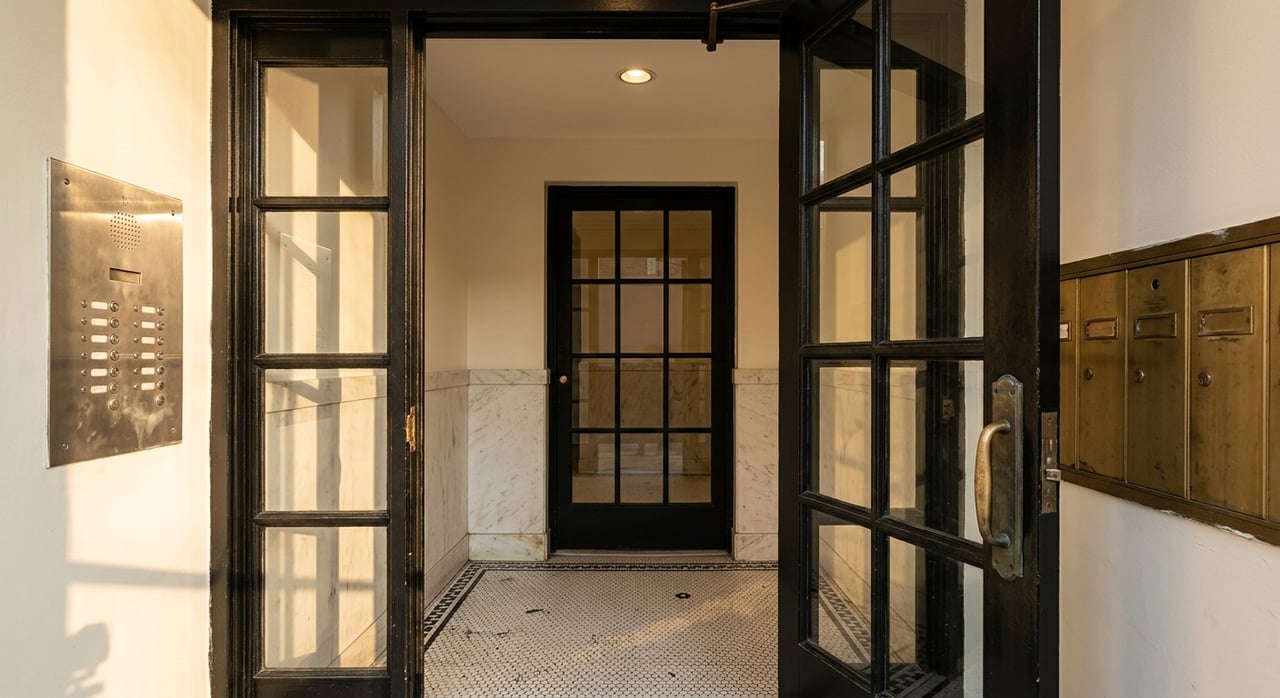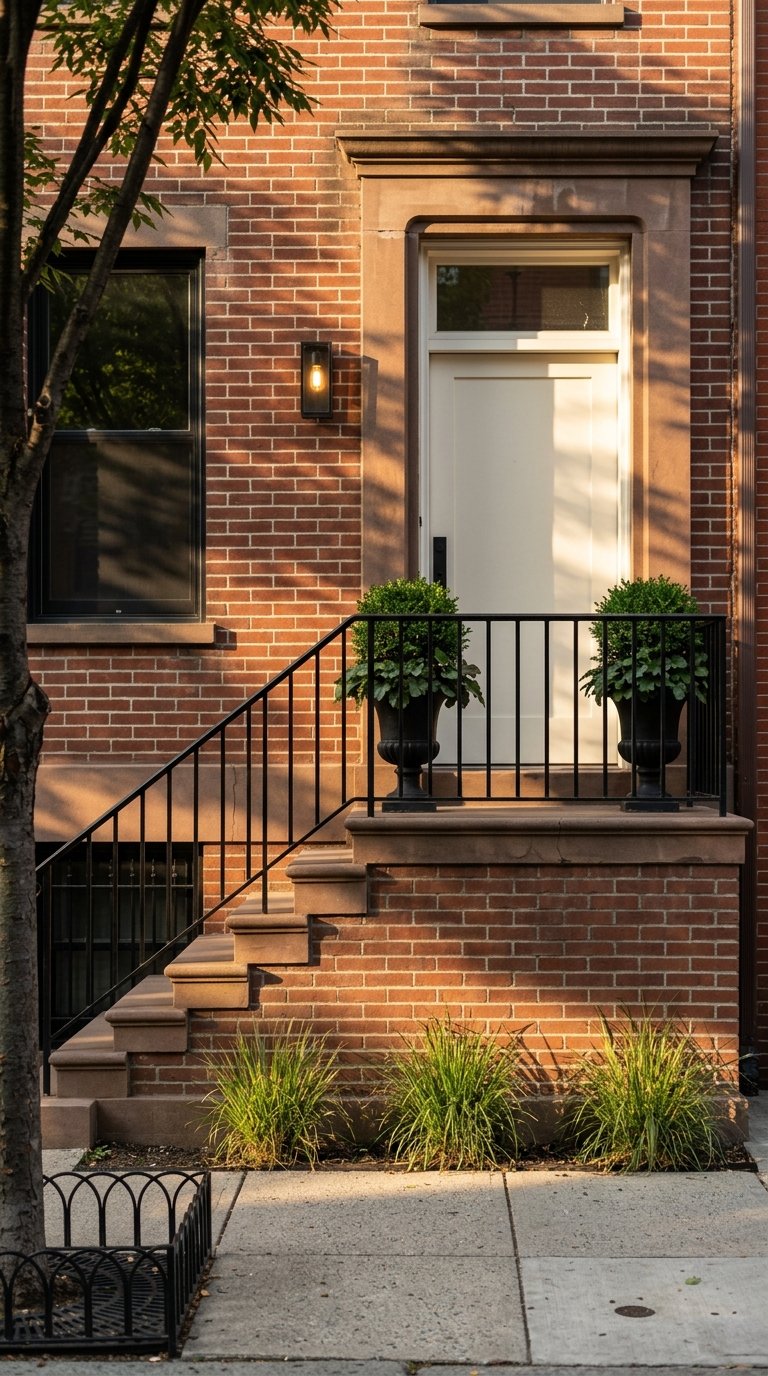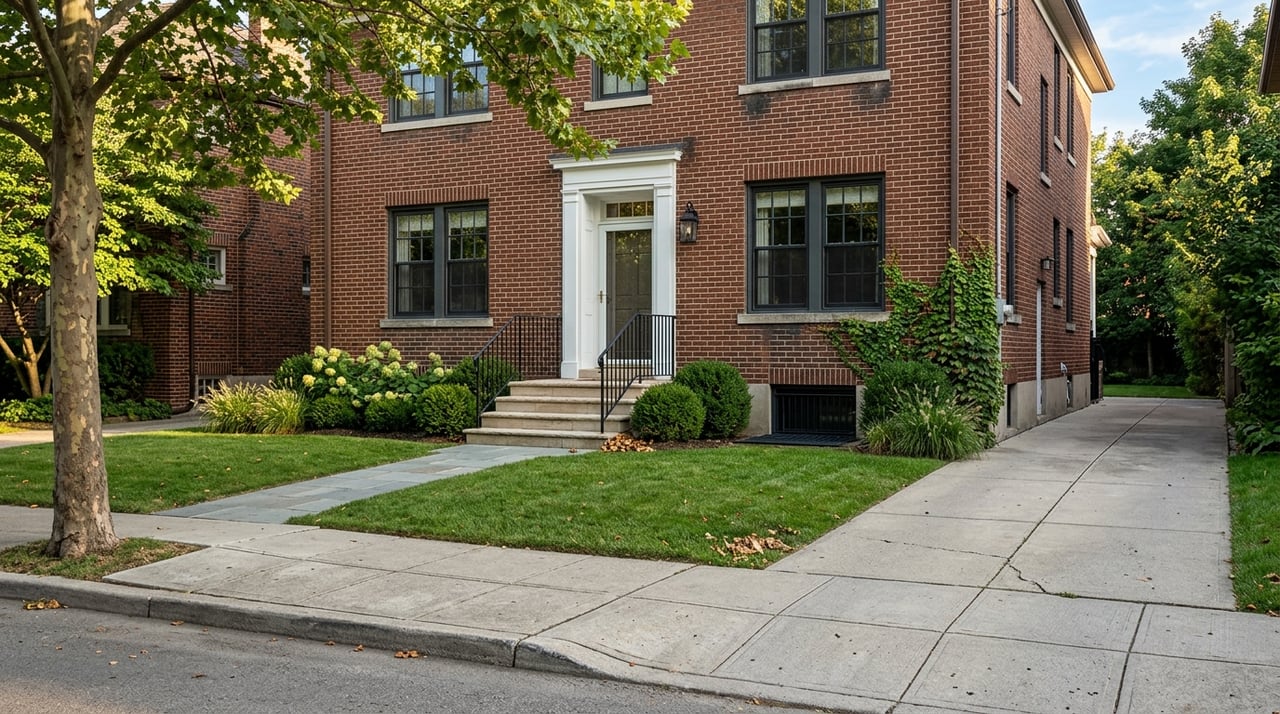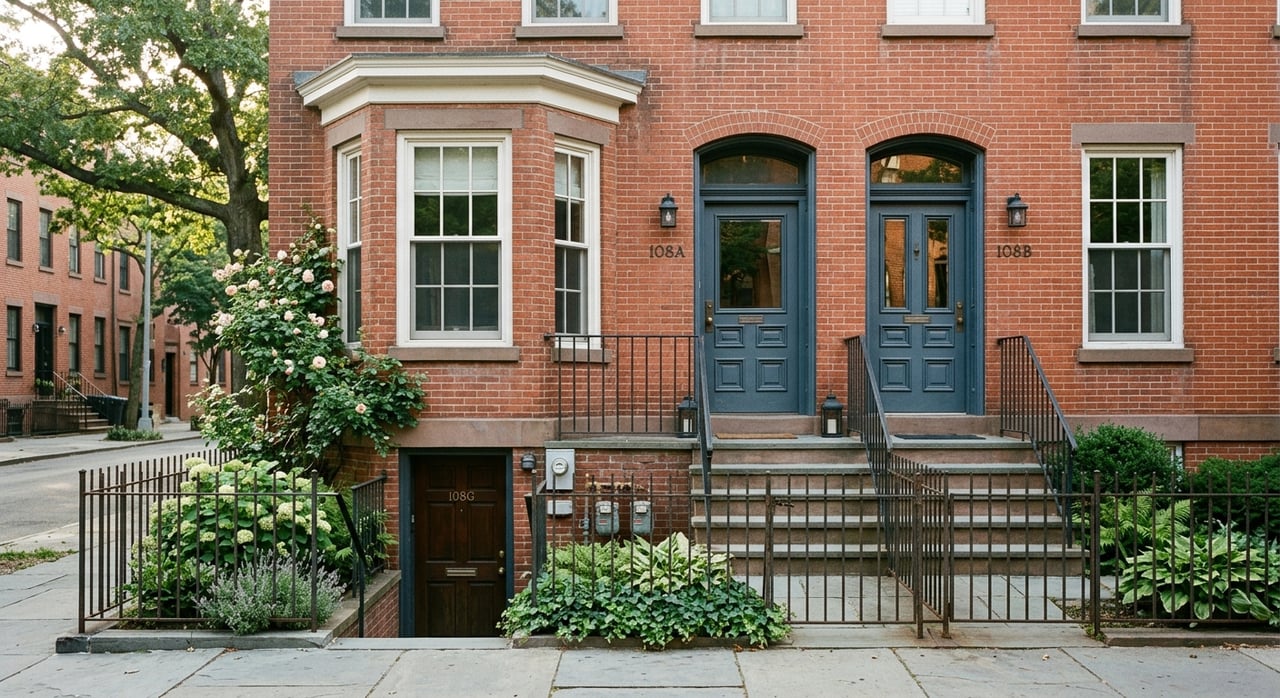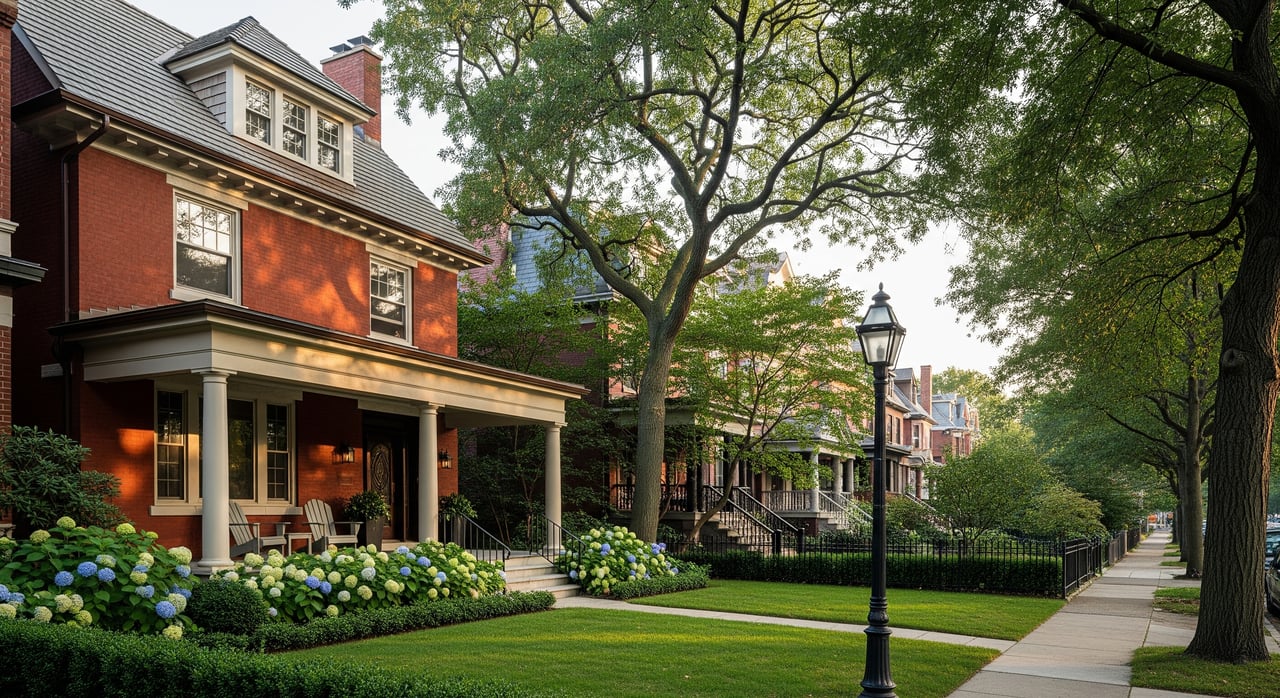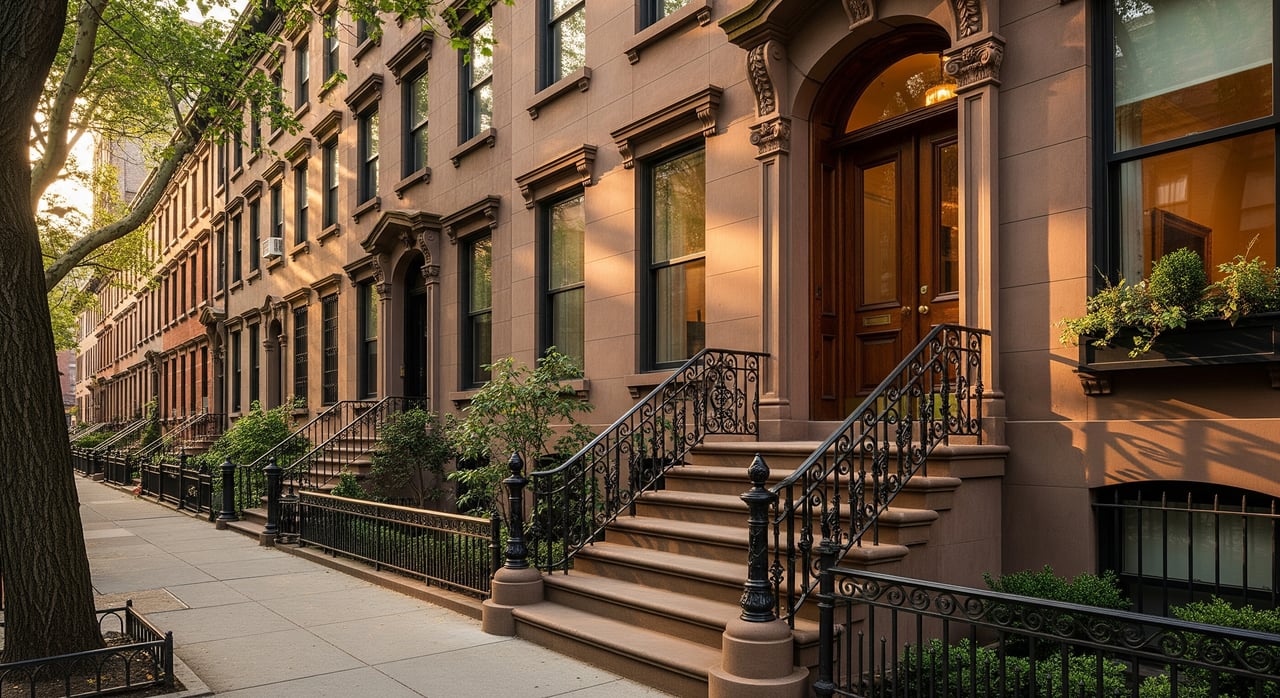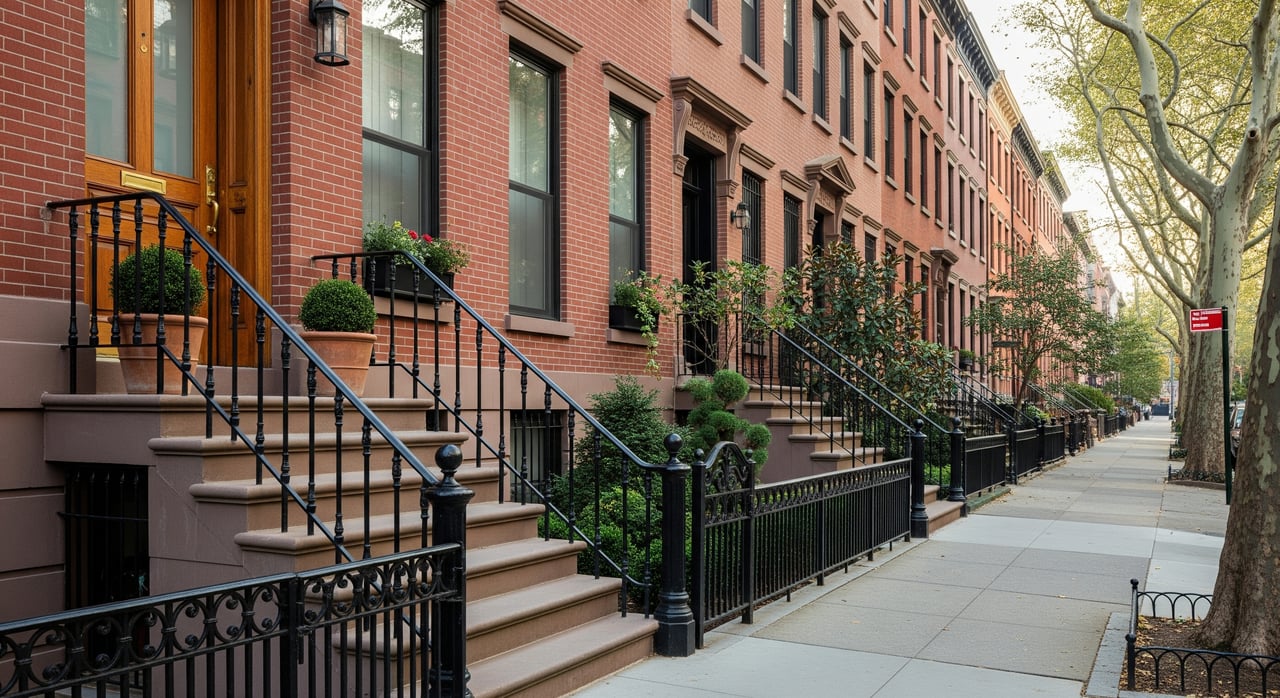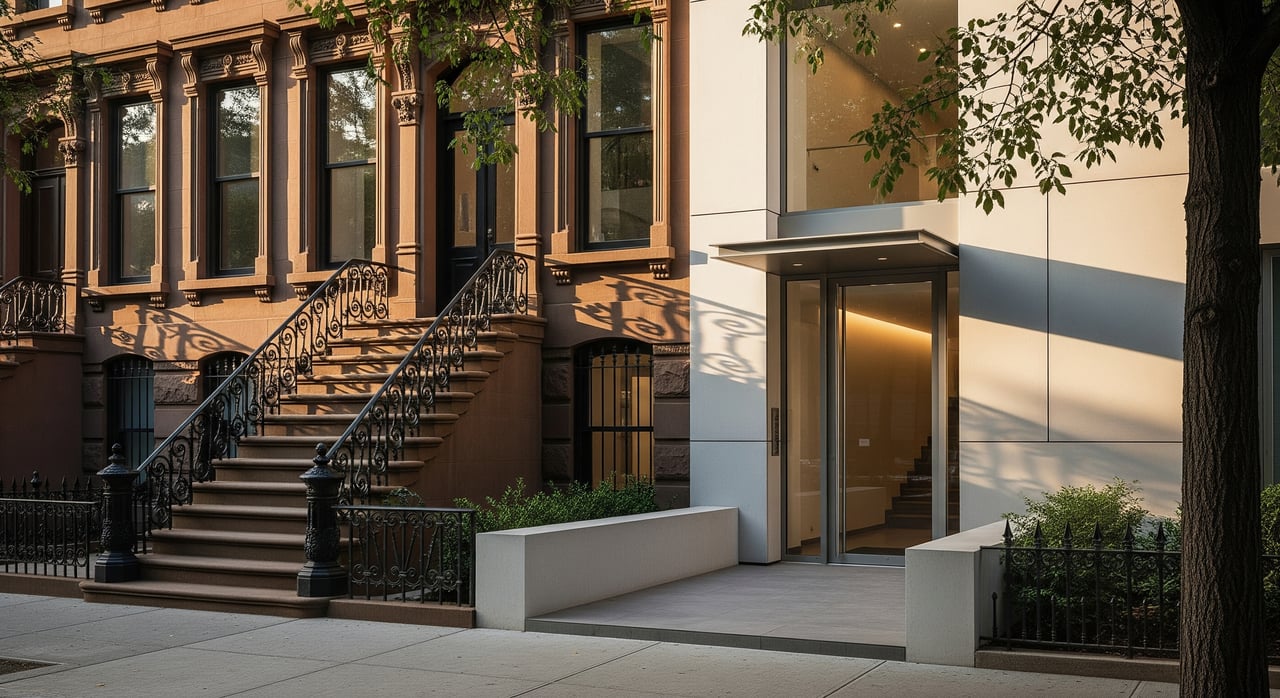
Two buyers can be looking at the same Fort Greene listing page this week and preparing for entirely different transactions.
One of them is compiling two years of tax returns, a letter from her employer, three reference letters, and a personal financial statement thick enough to need a binder clip. She will sit across a table from a co-op board and answer questions about her job stability and her plans for the apartment before anyone votes on whether she can buy it.
The other is wiring a down payment, signing at closing, and picking up keys. No board, no interview, no vote.
Both of them are shopping in "Fort Greene." Neither of their experiences shows up in the headline number real estate sites publish for the neighborhood. And depending on which site you check this month, that headline number is $1,195,000, $1,340,000, or $2.0 million. All three are labeled as the Fort Greene median. All three are current. None of them tells you what you're actually about to walk into.
The number that won't hold still
Part of the disagreement is timing. Homes.com puts the trailing 12-month median at $1,195,000, down 4% from the prior year. Redfin's tracked data for the three months through May 2026 shows a $1.5 million median, up 6.3% year over year. PropertyShark's second-quarter 2026 read splits it further: condos at a $1.5 million median (up 51.2% year over year) and co-ops at $1.3 million (up 17%). A separate market snapshot running through June 2026 puts the overall median at $2.0 million, with condos at $1.9 million and co-ops closer to $800,000.
Notice what's happening. Even the co-op figure alone swings from roughly $800,000 to $1.3 million depending on which dataset and which month you catch it in. That's not a rounding error. It's what happens when a neighborhood's inventory is genuinely two different products, blended and re-blended by whichever properties happened to close in whatever window each report is measuring.
If you're pricing your search off a single "Fort Greene median" you saw on a portal, you're not looking at a market. You're looking at an average of two markets that don't compete with each other and don't sell to the same buyer.
What actually separates the two markets
Here's the part that doesn't show up in the price gap: co-ops in Fort Greene aren't just cheaper condos with a different name. They come with a screening process condos don't have, and that process is a real part of why the price sits where it does.
Nearly 70% of New York City's housing stock is co-op, and every one of those buildings requires board approval before a sale closes. A board can ask for post-closing liquidity, meaning cash left over after your down payment and closing costs. It can set its own debt-to-income limits, tighter than what your lender requires. It can restrict subletting, cap the number of units an owner can rent out, and charge a flip tax when you eventually sell. None of that is written into the listing price. All of it narrows who can actually close.
A condo skips that layer entirely. You qualify with your lender, you close, you own real property outright, and you can rent it out or sell it on your own schedule, subject to the building's standard rules but not a vote.
That difference in underwriting has a price. On a $1 million New York City purchase, co-op closing costs typically run $20,000 to $30,000. Condo closing costs on the same purchase run $38,000 to $42,000, and new development often clears $60,000 once sponsor fees are added. So even before the board asks a single question, the condo path already costs more to get through the door. The board process is what happens after that, and it's the part that actually decides whether your file gets a yes.
What your money buys on each side
| Typical Fort Greene co-op | Typical Fort Greene condo | |
|---|---|---|
| Recent reported median | $800K–$1.3M (sources disagree) | $1.5M–$1.9M |
| Closing costs on $1M purchase | ~$20K–$30K | ~$38K–$42K |
| Approval process | Board package, financial review, interview | Standard mortgage underwriting only |
| Ownership structure | Shares in a corporation | Real property (deed) |
| Example buildings | The Griffin (Art Deco elevator co-op), Kingsview Homes (co-op community on the neighborhood's western edge) | 164 S. Oxford (7-unit boutique building by Barry Rice Architects), The Bowen Brooklyn (71 units near the Fort Greene/Boerum Hill/Downtown Brooklyn border) |
That table is a starting point, not a rulebook. Building age, elevator access, and whether a unit is a studio or a two-bedroom will move the number more than the co-op-versus-condo label alone. A prewar walkup co-op and a doorman co-op in the same price bracket can have completely different monthly carrying costs once you add maintenance.
There's a third path worth naming, because it doesn't fit neatly into either column. Fort Greene has a real stock of small multifamily townhouses, buildings like 92 Fort Greene Place, a legal five-family with an owner's duplex and four additional units, or Carlton Mews Townhomes on Carlton Avenue inside the neighborhood's Historic Landmark District. These aren't apartment purchases at all. You're buying real property, often with rental income built in, and the underwriting looks more like a small commercial deal than a co-op board package. If that's the direction you're leaning, it's worth reading through separately, since the financing and due diligence questions are different enough to deserve their own conversation. Claudette Rolling's team has a longer guide on evaluating Fort Greene multifamily buys that walks through what to check before you make an offer.
What a co-op board actually asks for
If you've never been through it, the package itself is worth previewing before you fall for a listing:
- Two years of tax returns and recent pay stubs or business financials
- Bank and investment account statements showing post-closing liquidity
- A personal financial statement listing assets and debts
- Reference letters, sometimes personal, sometimes professional
- A board interview, typically 15 to 30 minutes, where you answer questions in person
None of this is unique to Fort Greene. It's standard across New York City co-ops. But it's the piece that a median price, no matter which source you pull it from, simply cannot capture.
Who each path actually fits
If you're buying your first place and want the lower entry price, a co-op is often the more realistic route, as long as your finances can clear a board's liquidity and income requirements on top of your lender's approval. If you want to avoid a board process altogether or want the flexibility to rent the unit out later without asking permission, a condo is the more straightforward path even at the higher price point. If you're thinking about rental income or a live-in-one-unit setup, the townhouse and small multifamily stock deserves its own look before you assume an apartment is your only option.
A few questions worth asking before you make an offer
Does a lower co-op price always mean a lower monthly cost? Not necessarily. Maintenance fees vary widely by building and often include the building's underlying mortgage and property taxes, so a cheaper purchase price can still carry a high monthly number. Ask for the building's financials before you get attached to a unit.
Can I rent out a co-op if I buy one? Some buildings allow it after an owner-occupancy period, others restrict it heavily or ban it outright. This is a board policy, not a citywide rule, so it has to be checked building by building.
If I want to skip the board process entirely, are there other options besides a condo? Yes. New development condos, boutique buildings like 164 S. Oxford, and small multifamily townhouses like 92 Fort Greene Place all bypass a co-op board's review. Each comes with its own tradeoffs in price, financing, and maintenance responsibility worth weighing against your timeline and budget.
The median price you see on a portal was never built to answer any of these questions. It's a single number standing in for two very different transactions, and the only way to know which one you're actually walking into is to look at the building, not the borough-wide average.
If you're trying to figure out which side of that split fits your situation, Claudette Rolling can walk through the actual numbers on a specific building with you. Say Hey — Book a Free Consultation.
This article is general information, not legal, tax or financial advice. Consult a qualified professional about your situation.