If you are thinking about buying a multifamily property in Fort Greene, you are probably asking the right first question: Will the numbers still work after real-world costs and NYC rules are factored in? That is a smart concern. Fort Greene can offer strong rental demand, valuable location advantages, and long-term appeal, but it also requires careful underwriting and serious due diligence. In this guide, you will learn what makes this Brooklyn submarket unique, what types of buildings you are most likely to find, and what to review before you commit. Let’s dive in.
Why Fort Greene Draws Investors
Fort Greene sits within Brooklyn Community District 2, an area with deep transit access, major institutions, and a wide mix of residential and commercial activity. According to the Brooklyn Community Board 2 district overview, the district includes 11 subway lines, the LIRR, 81 cultural organizations, 26 hospitals and clinics, and 9 higher-education institutions. For you as an investor, that matters because transportation and institutional anchors can help support steady rental demand.
The area also benefits from broader public planning and investment. The city’s Downtown Brooklyn and Fort Greene Eds and Meds Framework describes the neighborhood as part of a 24/7 live-work hub and points to opportunities tied to housing, public-space upgrades, and job growth in education and health care. That same announcement noted consumer retail spending in the area was up 20% in 2022 compared with pre-pandemic levels, which gives useful context around neighborhood activity and resilience.
For a long-term buyer, Fort Greene is often less about chasing a quick win and more about owning in a location-driven market. The neighborhood’s older low-rise housing stock, strong connectivity, and institutional depth help explain why demand can remain durable even when the market shifts.
What Multifamily Inventory Looks Like
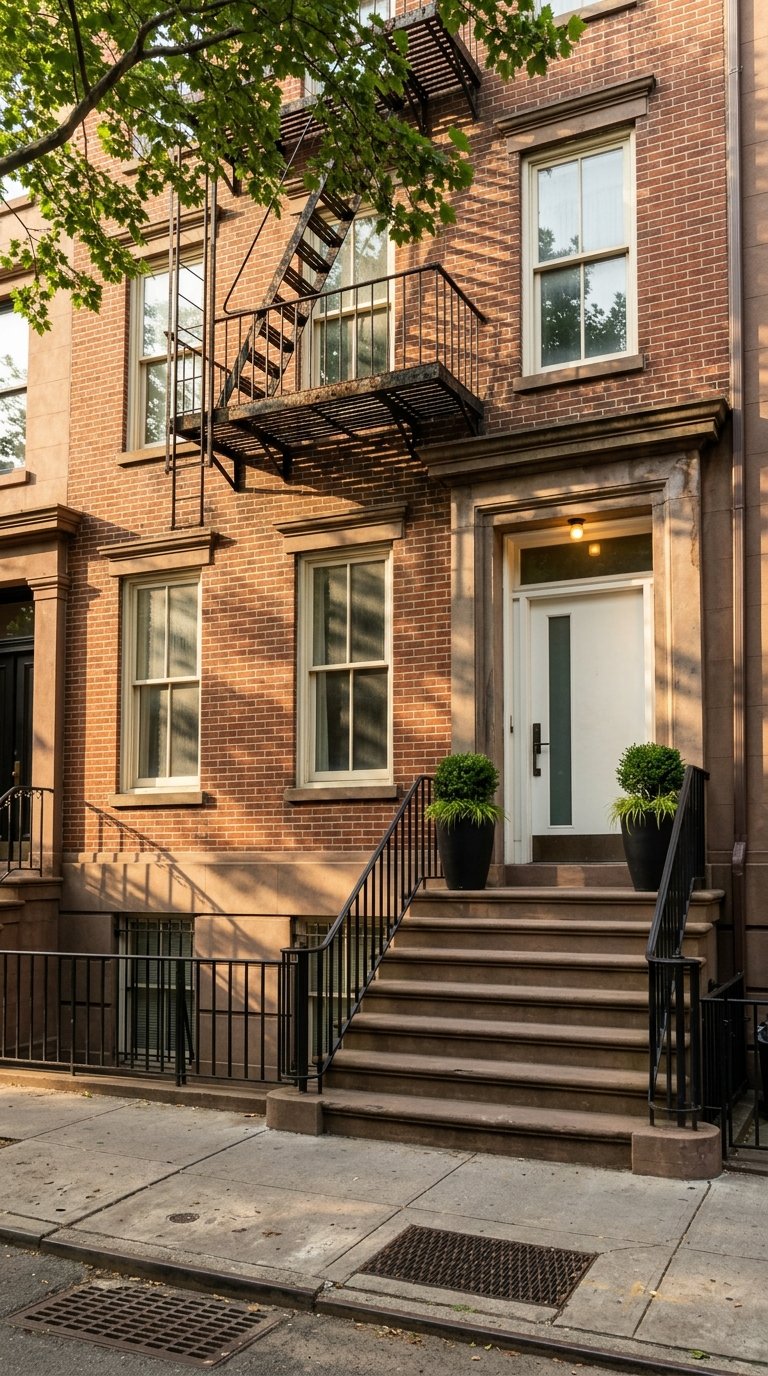
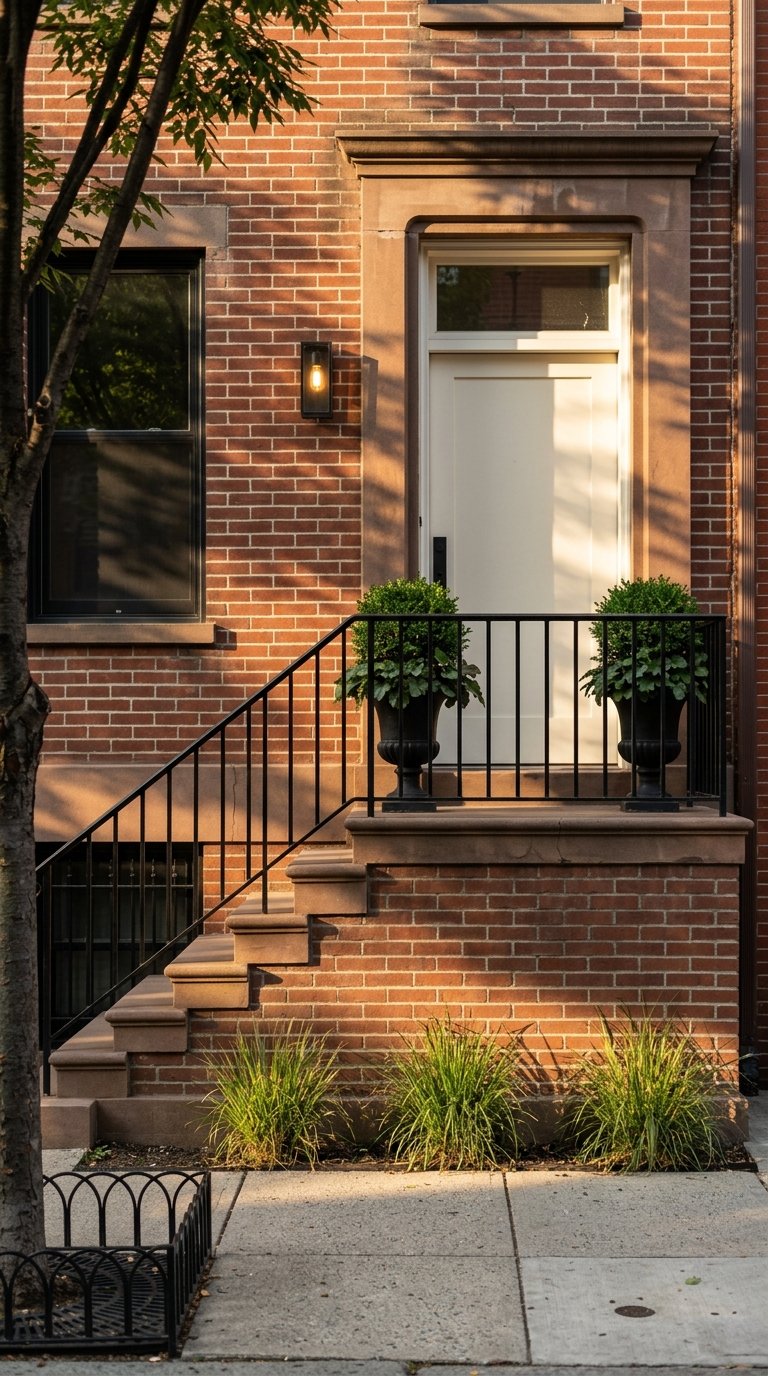
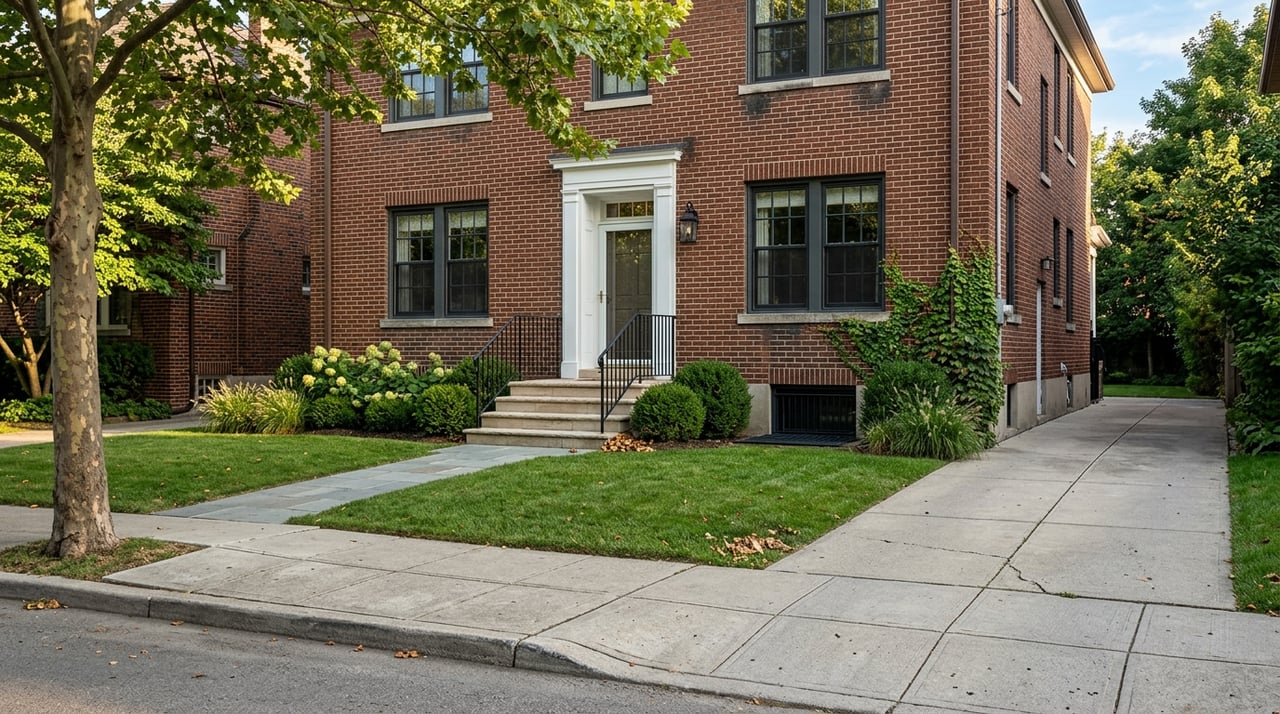
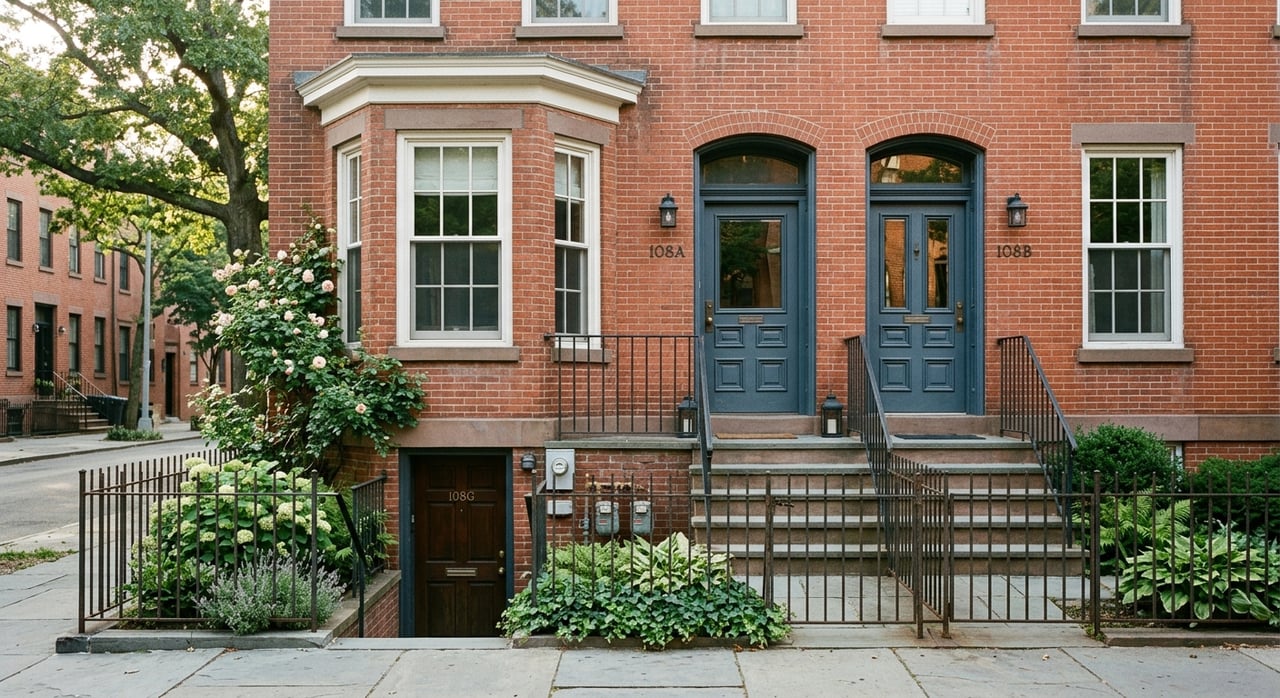
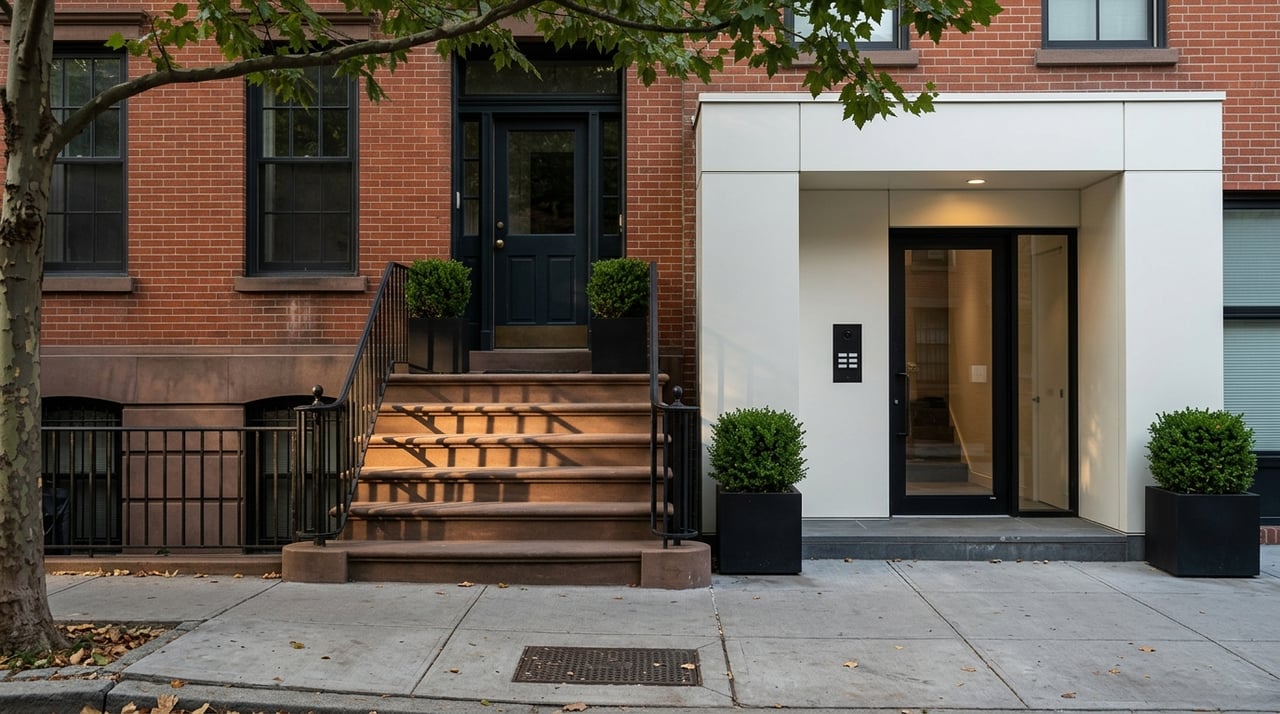
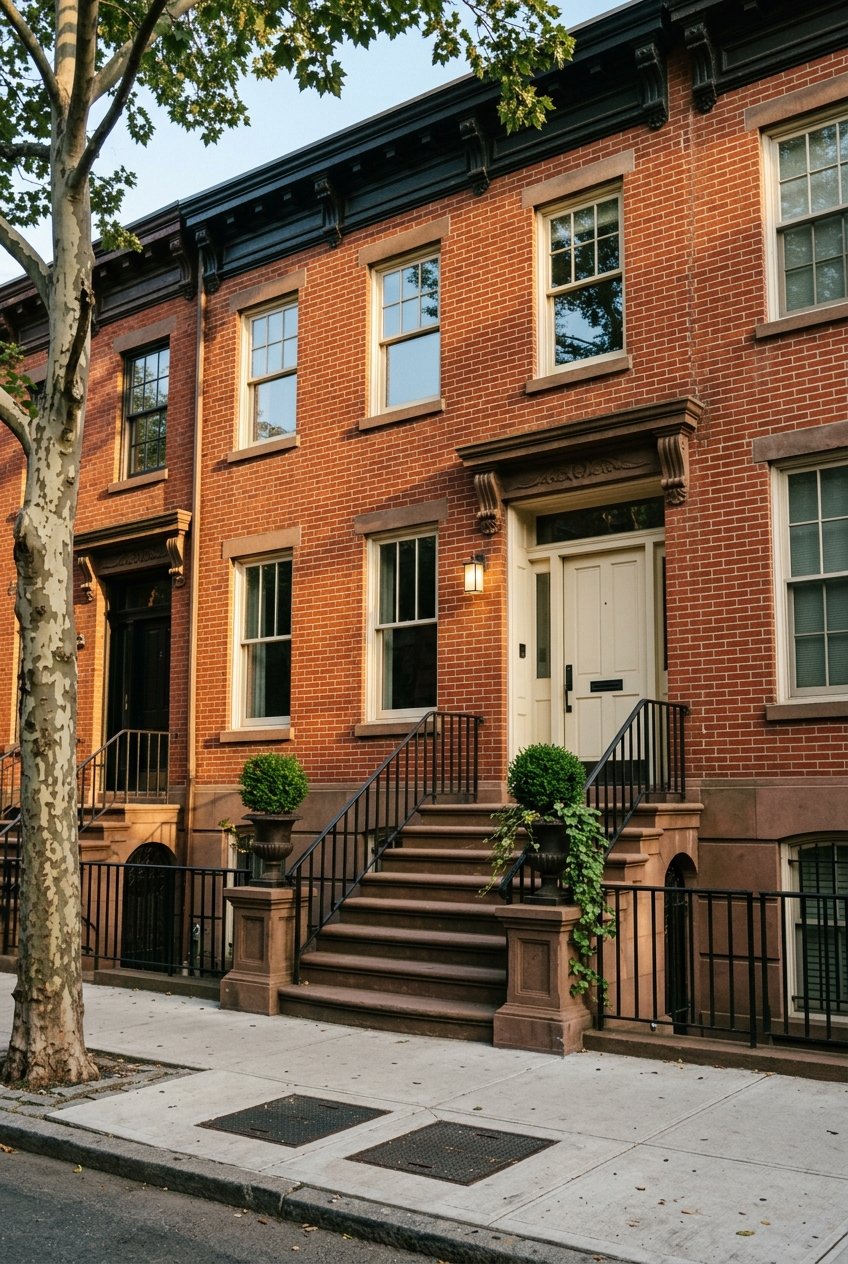
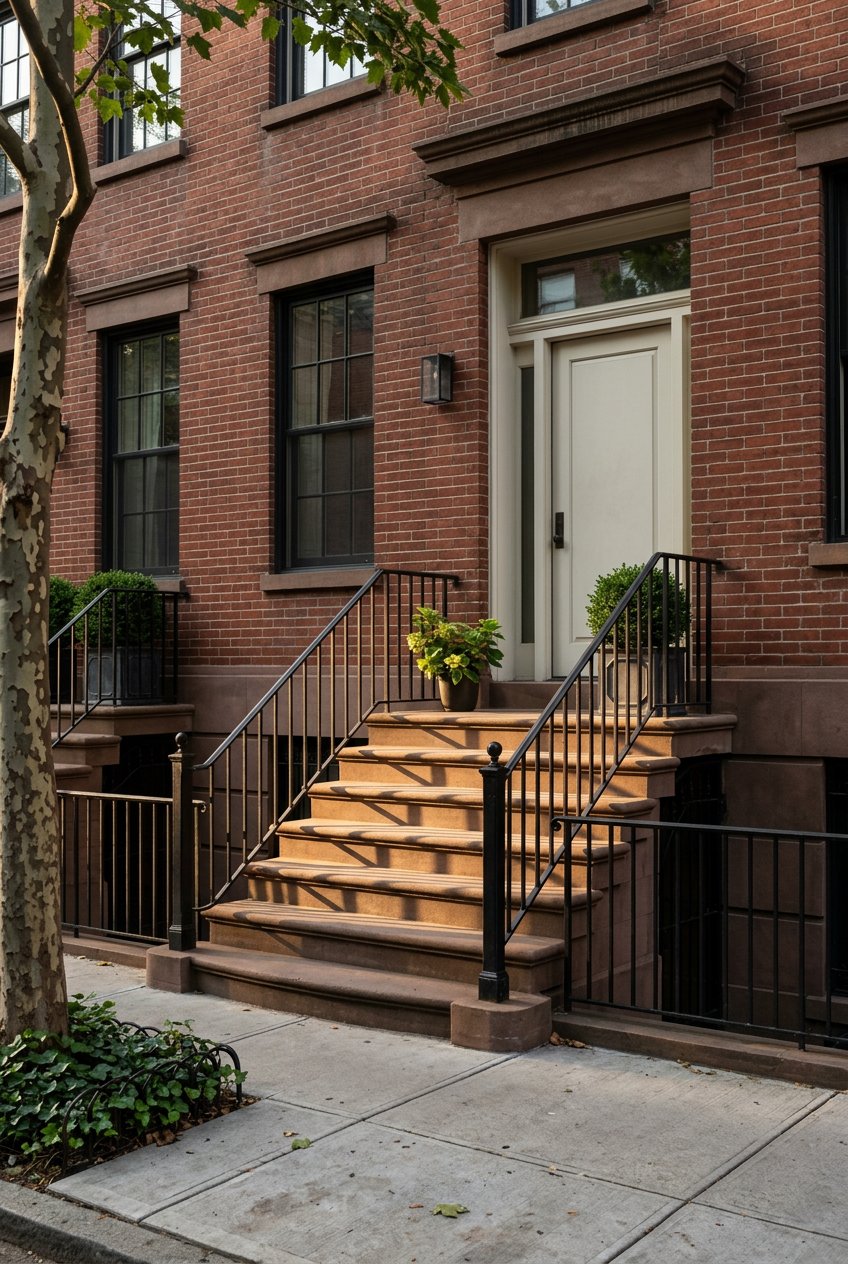
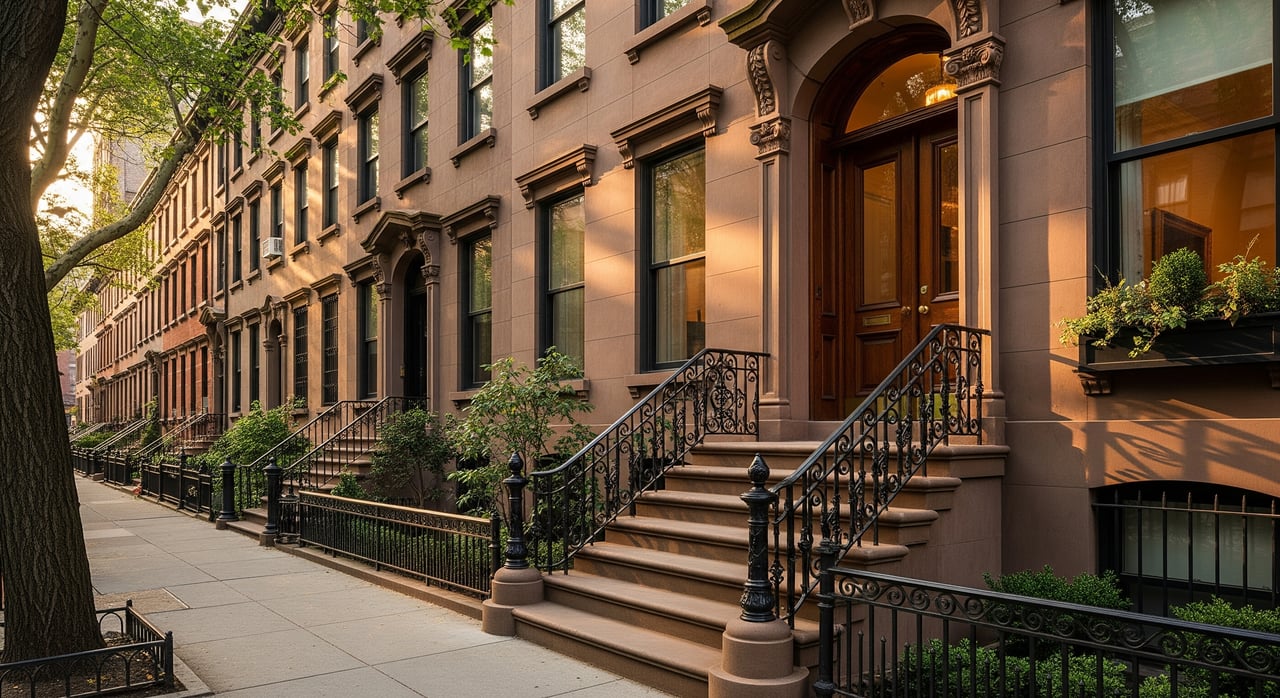
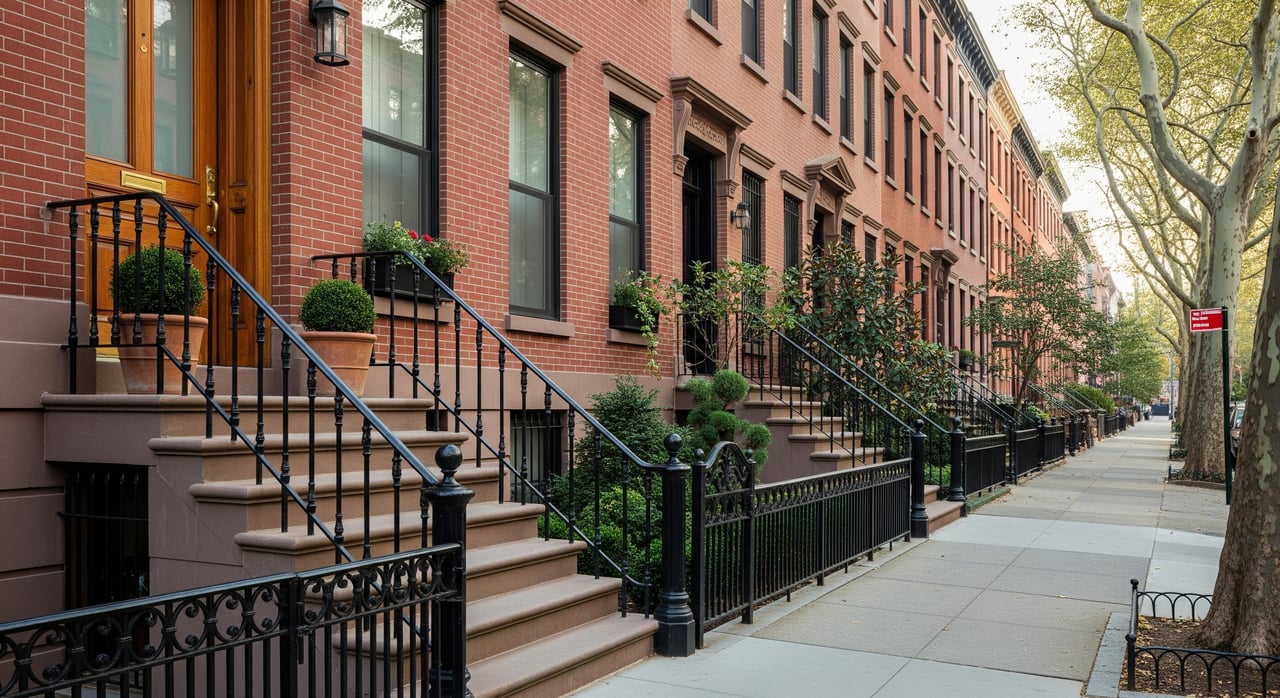
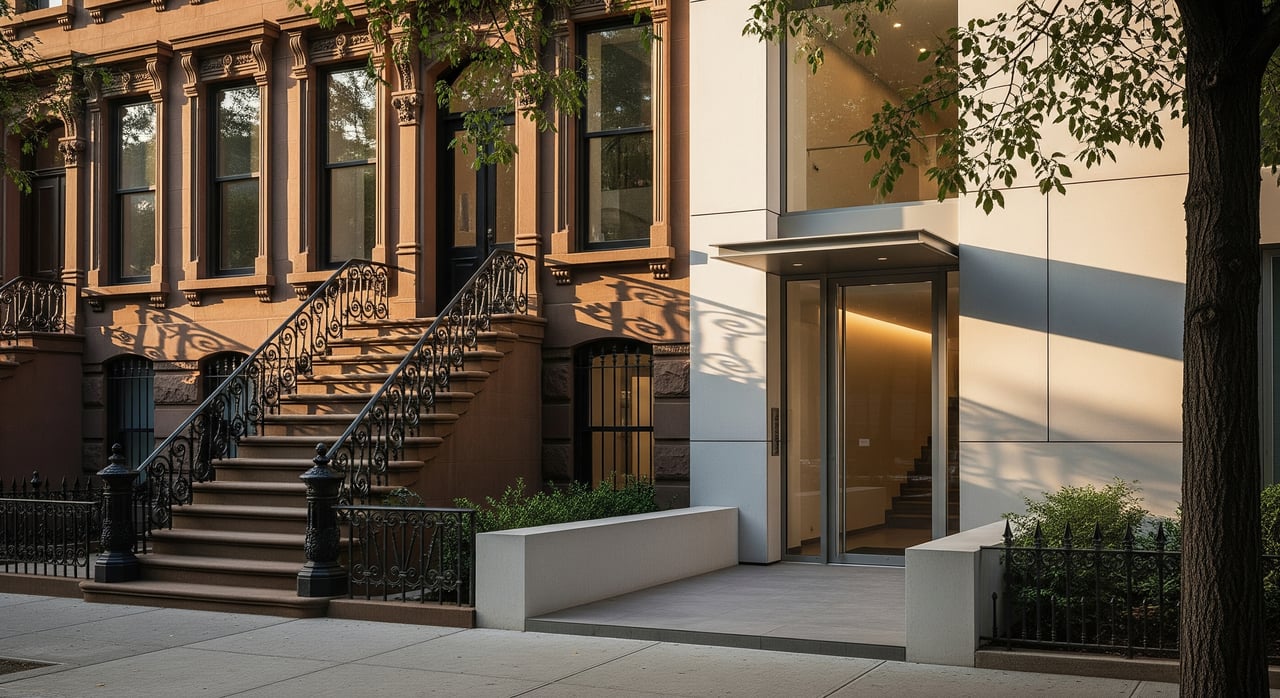
Fort Greene does not typically look like a market full of large apartment complexes. The neighborhood fabric is still heavily shaped by brownstones, row houses, and smaller apartment buildings. The city’s Fort Greene/Clinton Hill rezoning report describes the area as predominantly three- to five-story brownstone row houses, along with one- and two-family homes, multifamily apartment buildings, and mid-rise apartment houses.
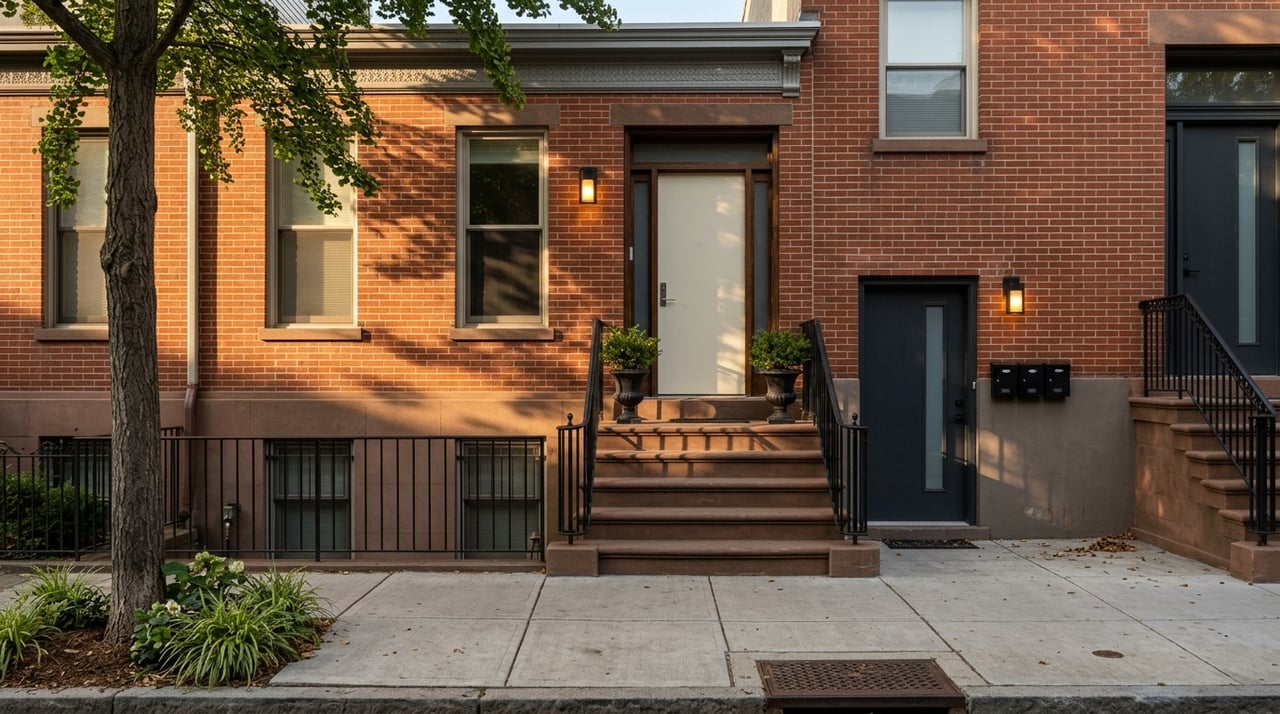
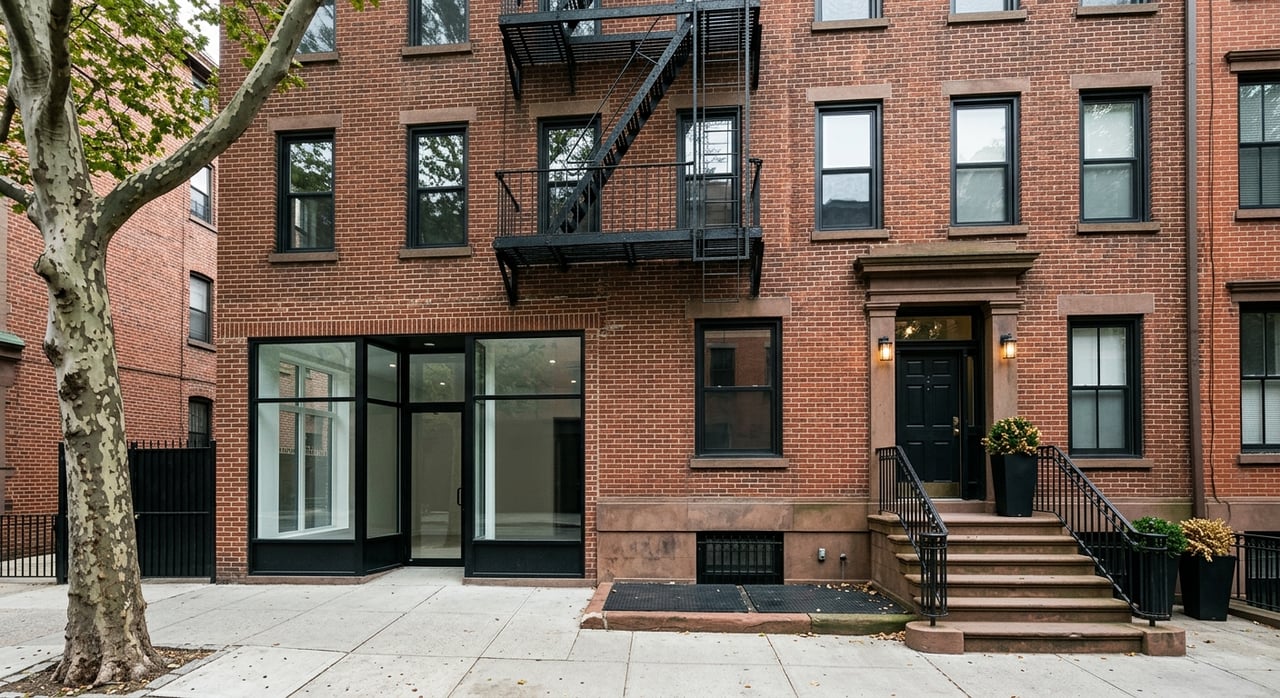
Commercial corridors add another layer to the inventory mix. The same planning report notes that Myrtle Avenue and Fulton Street are generally lined with three- to four-story apartment buildings with ground-floor retail, while Atlantic Avenue has historically included lower-rise retail and auto-oriented uses. In practical terms, the properties you may encounter are often townhouse conversions, small multifamily buildings, and mixed-use properties rather than institutional-scale rental assets.
A later city planning review of nearby Atlantic Avenue blocks describes a similar pattern, with side streets containing homes and apartment buildings, and larger mixed-use or commercial buildings appearing along major corridors. That means your underwriting should reflect the exact building type in front of you, not just the neighborhood name on the listing.
Rent Trends Matter, But So Does Methodology
Fort Greene remains a high-rent submarket, but you should read rental data with context. RentCafe reports an average Fort Greene rent of $4,560 in March 2026, up 0.44% year over year, and estimates that 70% of households are renter-occupied. MNS, using a different sample and methodology, reported an average rent of $4,500 for 2025 and a 10.44% year-over-year increase.
Those numbers are useful, but they should be treated as directional rather than interchangeable. They come from different data sets, and neither one tells you what a specific brownstone floor-through, stabilized unit, or mixed-use building will actually produce. If you are evaluating a deal, the better move is to compare the subject property’s actual rent roll, unit mix, and condition against current market evidence, not rely on one headline average.
This is especially important in Fort Greene, where two buildings on the same block can operate very differently. A free-market brownstone may pencil out one way, while a regulated six-unit building or a storefront property with one vacant retail space may tell a very different story.
Cap Rates Need Property-Level Analysis
If you are looking for a clean Fort Greene cap-rate average, you will not find a reliable public neighborhood-specific figure in the research. The strongest benchmark available is Brooklyn-wide. Ariel Property Advisors reported Brooklyn’s average cap rate at 6.63% in 2024 and 6.96% in 2025, the highest level since 2012.
That borough-wide number is a starting point, not a shortcut. The same reporting indicates that smaller free-market, tax-class-protected buildings have been especially desirable. Matthews’ Brooklyn H1 2025 market report also notes that free-market multifamily assets traded at nearly double the price per foot and at cap rates nearly 100 basis points lower than comparable regulated buildings.
If retail is part of the building, the underwriting gets more nuanced. Matthews says buyers generally underwrite the retail component at a higher cap rate to reflect vacancy and credit risk. In plain English, a mixed-use property may look attractive on gross income, but the storefront can add uncertainty that changes your return profile.
Rent Regulation Can Change the Deal
Before you get too far into the math, screen for rent regulation. The New York State Homes and Community Renewal overview explains that NYC rent stabilization generally applies to buildings with six or more units built between February 1, 1947 and December 31, 1973, with additional scenarios involving some pre-1947 buildings and certain post-1974 properties that received tax benefits.
That does not mean every older building is stabilized, but it does mean you should verify status instead of guessing. HCR also states that owners of rent-stabilized buildings must file annual registrations, and HPD says buildings with stabilized units must post a notice informing tenants how to confirm their status.
You also need to understand the broader operating environment. Good Cause Eviction now applies in New York City, and annual rent increases above 10% or 5% plus CPI, whichever is lower, are presumptively unreasonable for covered renters, according to HCR. For you, the takeaway is simple: future income assumptions must reflect current law, not best-case thinking.
Due Diligence Checks You Should Not Skip
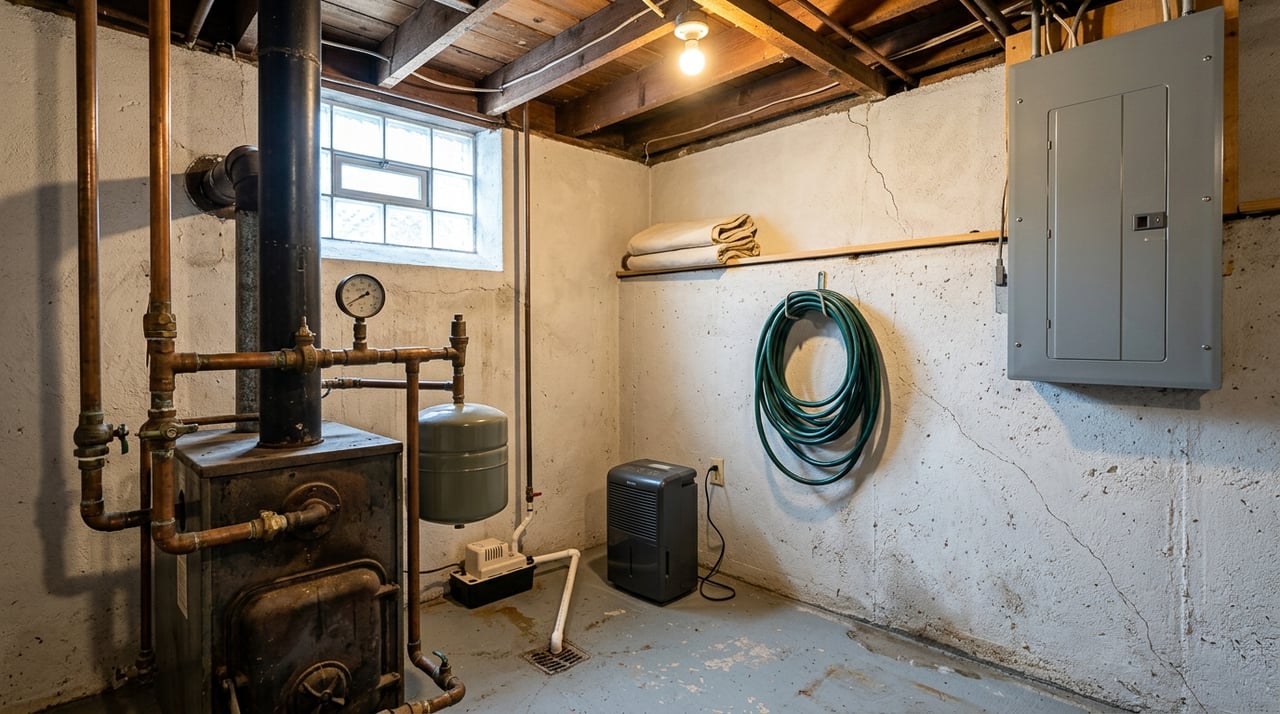
In Fort Greene, a pretty facade can hide expensive issues. Older buildings and mixed-use properties often come with more moving parts than a buyer expects. That is why your document review matters as much as the showing.
Start with public records. NYC’s ACRIS system allows you to search deeds, mortgages, and other recorded documents in Brooklyn dating back to 1966. That can help you confirm ownership history, financing patterns, and recorded paperwork tied to the property.
Next, review building compliance and maintenance history. DOB’s Buildings Information System can show complaints, violations, applications, and inspections, while HPD complaint records can reveal open housing issues. HPD notes that inspectors may check for smoke detectors, carbon monoxide detectors, lead-based paint conditions, window guards, and heat or hot-water failures.
These records matter because deferred maintenance and compliance problems can quickly affect your renovation budget and carrying costs. HPD also warns that withholding essential services, failing to make repairs, illegal lockouts, overcharging regulated units, and construction-related interference can constitute harassment. If a building has a messy operating history, you want to know before closing, not after.
Verify Taxes Before Trusting Cash Flow
Property taxes deserve their own line item review. According to the NYC Department of Finance property tax bill overview, taxes are billed quarterly or semi-annually, and liability depends on tax class and assessed value. That sounds basic, but it is where many investors get tripped up.
Before you rely on projected income, confirm the current tax bill, tax class, and any exemptions or abatements. Then ask what might change after closing. A building that looks manageable on today’s bill can feel very different if future carrying costs rise beyond your initial underwriting.
Watch Nearby Supply and Corridor Changes
Fort Greene should not be analyzed in isolation. Nearby planning decisions can influence leasing conditions, pricing expectations, and the competitive landscape. In 2025, the City Council approved the Atlantic Avenue Mixed Use Plan, which is expected to bring 4,600 new homes across Community Districts 3 and 8 in the broader Central Brooklyn area.
That does not mean Fort Greene suddenly loses its appeal. It does mean you should evaluate current value with an eye on future supply, public investment, and corridor improvements around the neighborhood ecosystem. For a long-term owner, that wider view can help you make better decisions about entry price, renovation scope, and hold strategy.
A Smart Fort Greene Investment Approach
For most small investors and owner-occupiers, the strongest approach in Fort Greene is conservative and detail-focused. Strong rents can support a compelling long-term case, but the best deals usually come from disciplined underwriting rather than optimism. You want to understand the legal unit count, verify regulation status, reconcile the rent roll, and budget realistically for taxes, insurance, and capital work.
This is also a market where local knowledge can create real value. Knowing the difference between a clean free-market setup and a building with hidden compliance or mixed-use risk can save you time, money, and stress. The right opportunity is rarely just about price per square foot. It is about how the property will perform once real operating conditions are applied.
If you are exploring Fort Greene multifamily opportunities, working with a team that understands Brooklyn townhouses, small multifamily properties, and the due diligence behind them can make the process much clearer. When you are ready to talk through strategy, underwriting questions, or specific listings, connect with Claudette Rolling for neighborhood-focused guidance and hands-on support.
FAQs
What types of multifamily properties are common in Fort Greene?
- Fort Greene is largely defined by brownstones, row houses, smaller apartment buildings, and some mixed-use properties with ground-floor retail along corridors like Myrtle Avenue and Fulton Street.
What should investors know about Fort Greene rents?
- Public data points to Fort Greene as a high-rent submarket, with average rents reported around $4,500 to $4,560, but your underwriting should rely on the subject property’s actual unit mix, rent roll, and condition.
What should buyers check for rent regulation in Fort Greene multifamily buildings?
- You should verify whether the building is rent stabilized, review registrations if applicable, and confirm how current NYC and New York State tenant rules may affect future income and operations.
What records should buyers review before buying a Fort Greene multifamily property?
- A strong review usually includes ACRIS records, DOB history, HPD complaints or violations, the legal unit count, tax bills, and any details that affect renovation plans or mixed-use operations.
How should investors think about cap rates for Fort Greene multifamily properties?
- There is no reliable public Fort Greene-specific cap-rate average in the research, so it is better to model each property individually based on whether it is free-market, regulated, or mixed-use and on its actual expenses and risk profile.