Curious where the Fort Greene real estate market is heading next? You’re not alone. Whether you’re buying your first co-op, selling a condo, or eyeing a classic brownstone, getting clear on the numbers and patterns can save you time and money. In this guide, you’ll learn how to read local data, what to expect by property type, and how to time your move with confidence. Let’s dive in.
How to read Fort Greene data
Before you compare prices, get clear on boundaries. Different portals draw Fort Greene lines a bit differently. In this article, references align with neighborhood pages from StreetEasy’s Fort Greene overview and Redfin’s Fort Greene snapshot. When you check any metric, confirm which boundary the source uses.
Focus on a few core indicators:
- Median sale price: Use a rolling 12-month view to smooth out seasonal swings.
- Inventory and months of supply: Low supply signals more competition for buyers and stronger leverage for sellers.
- Median days on market: A quick DOM points to faster decisions and potential multiple-offer situations.
- Sale-to-list price ratio: Near or above 100 percent suggests limited discounting and tighter negotiations.
- Closed and pending sales: A rising pending pipeline hints at sustained demand.
- Price per square foot: Compare by property type, since co-ops, condos, and brownstones trade differently.
For up-to-date figures, review the market sections on StreetEasy’s Fort Greene page, Redfin’s neighborhood data, the broader context in Douglas Elliman’s Brooklyn market reports, and long-term trendlines in Zillow Research. For verified closed-sale records, use the NYC Department of Finance portal.
What drives demand in Fort Greene
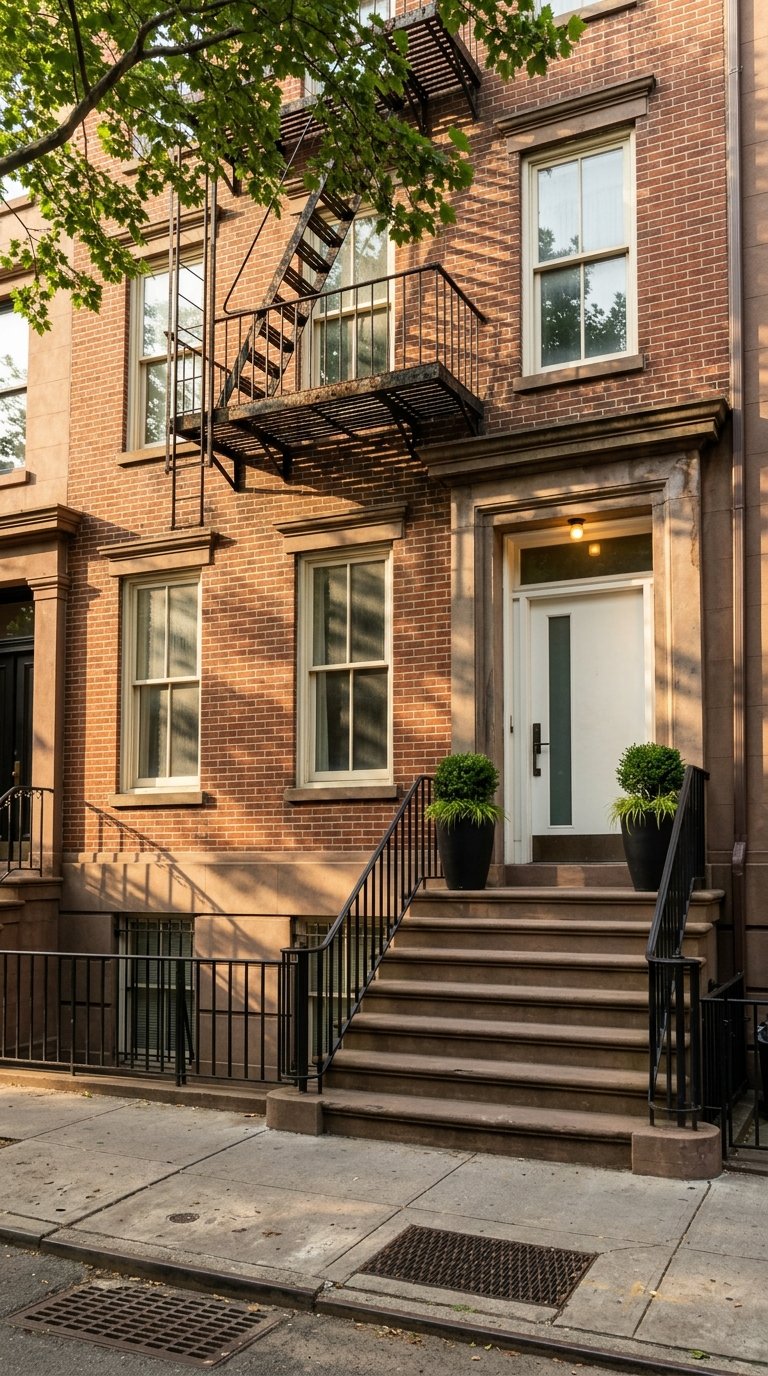
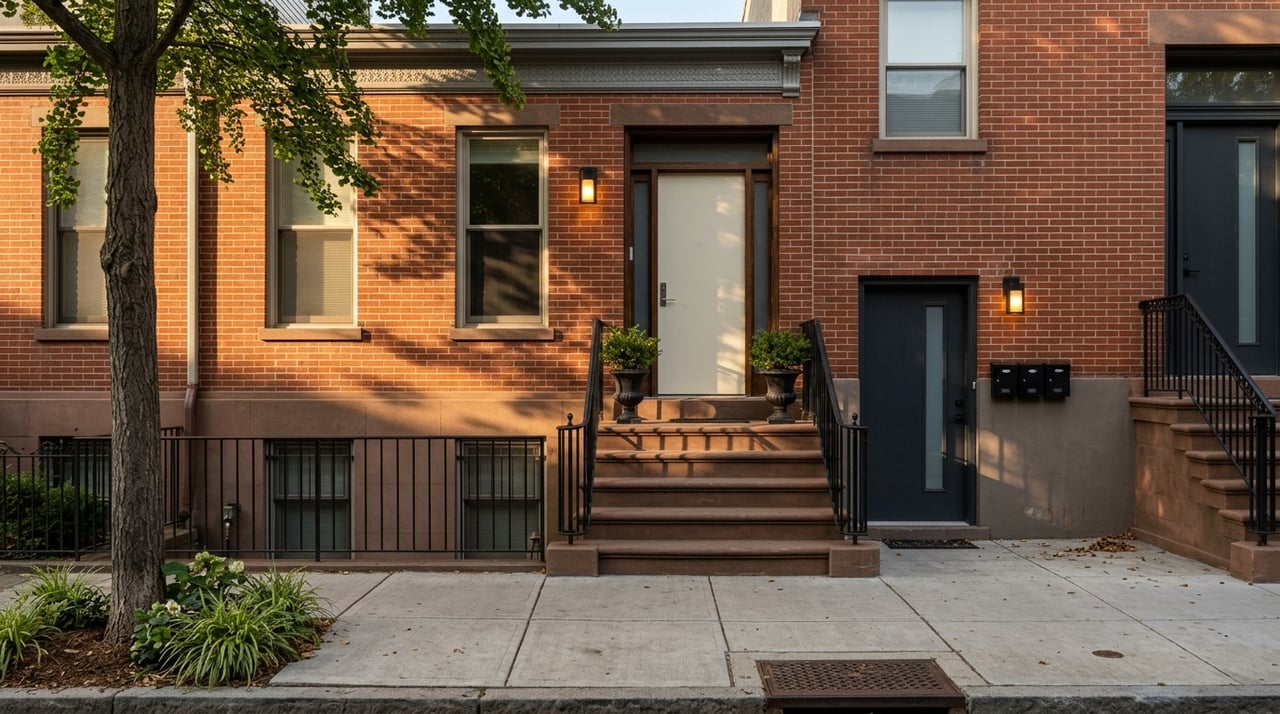
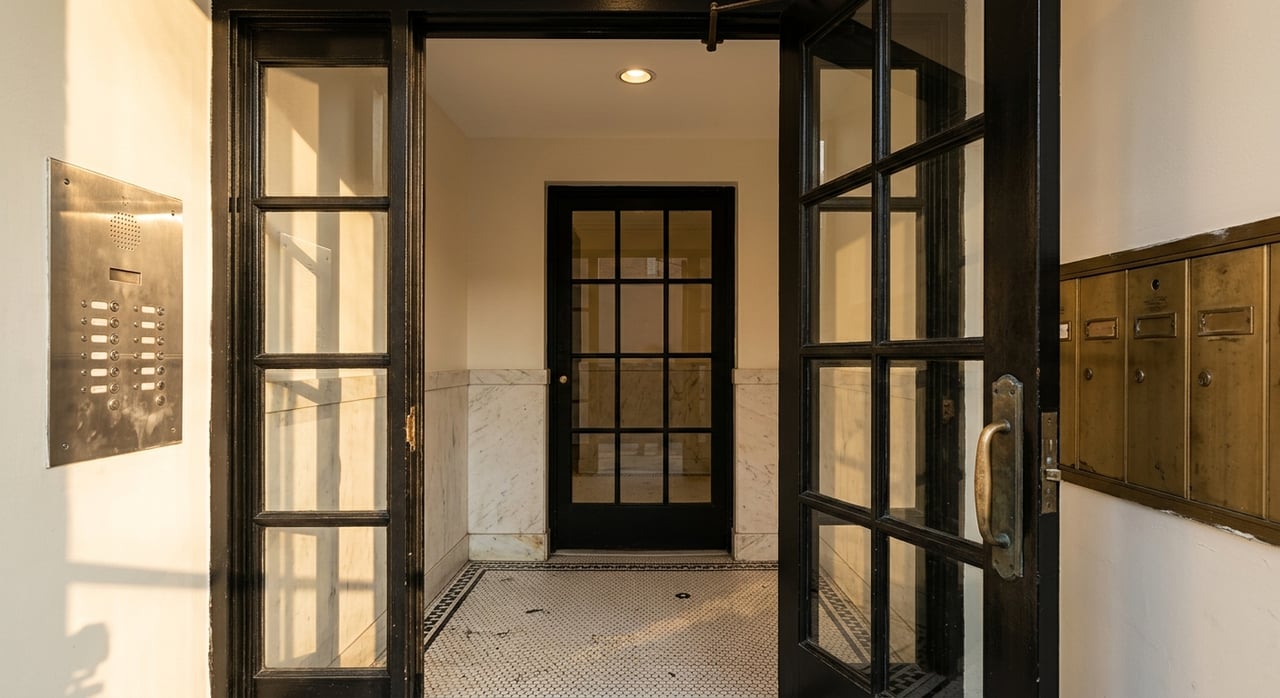
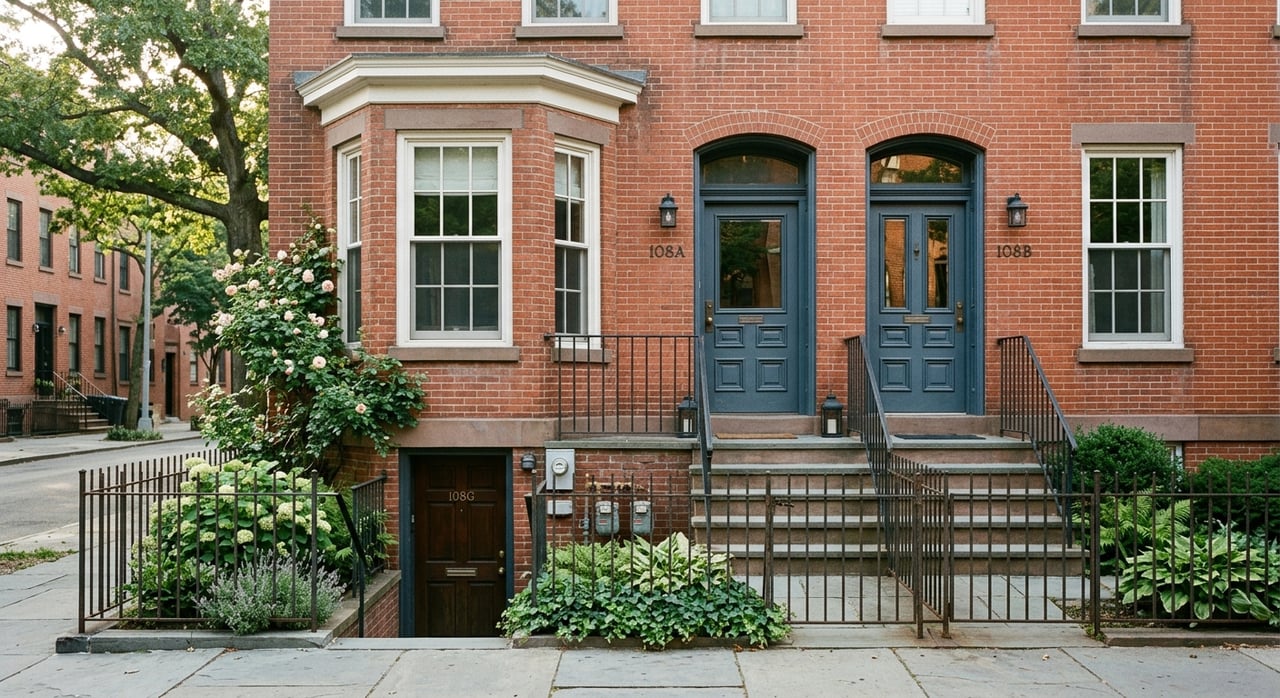
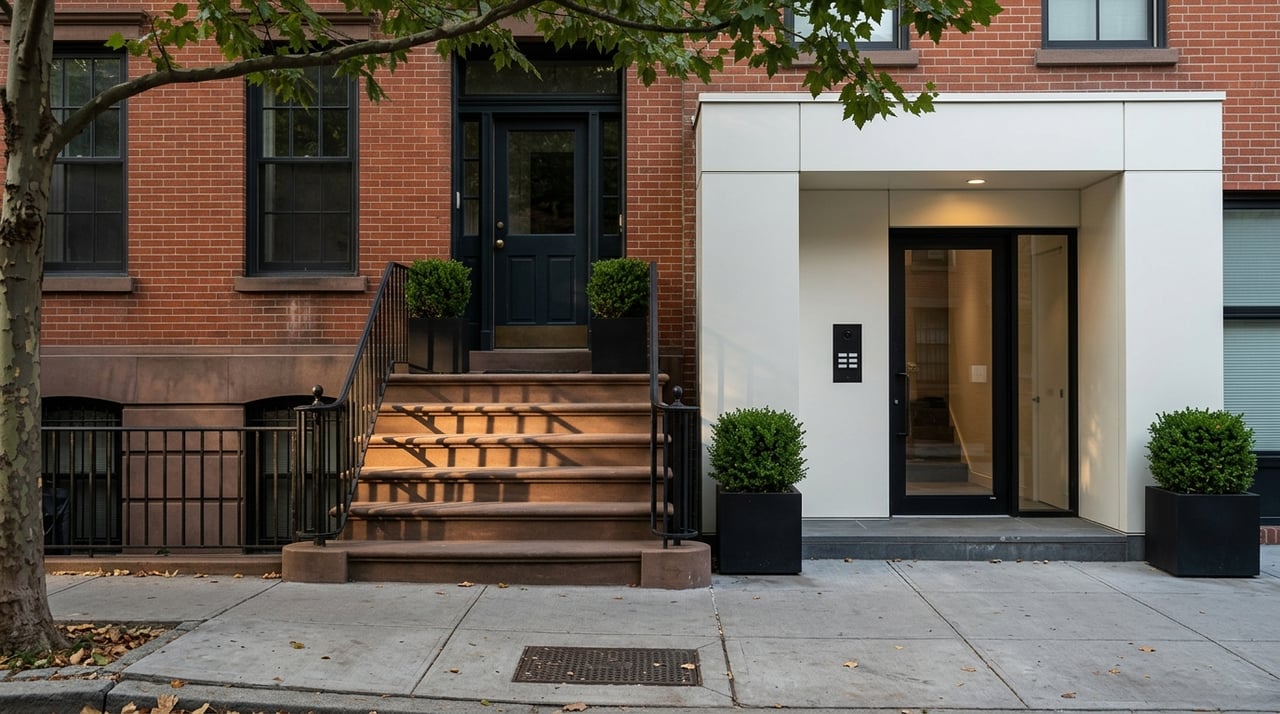
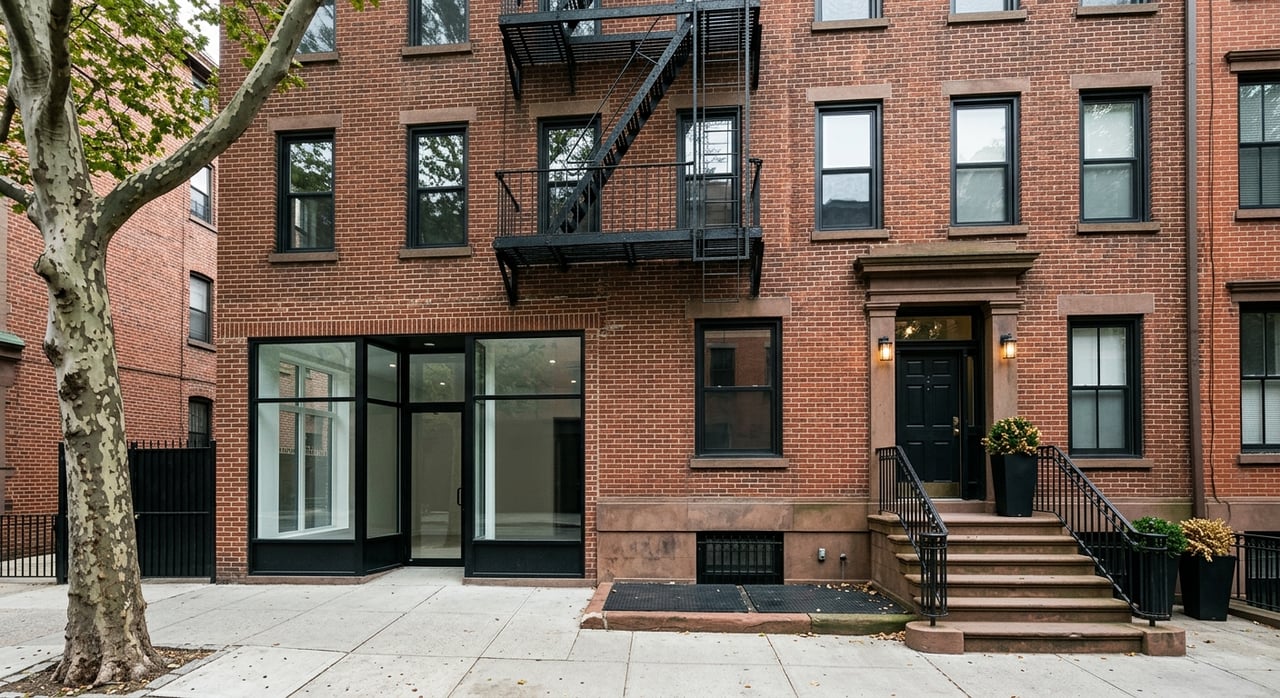
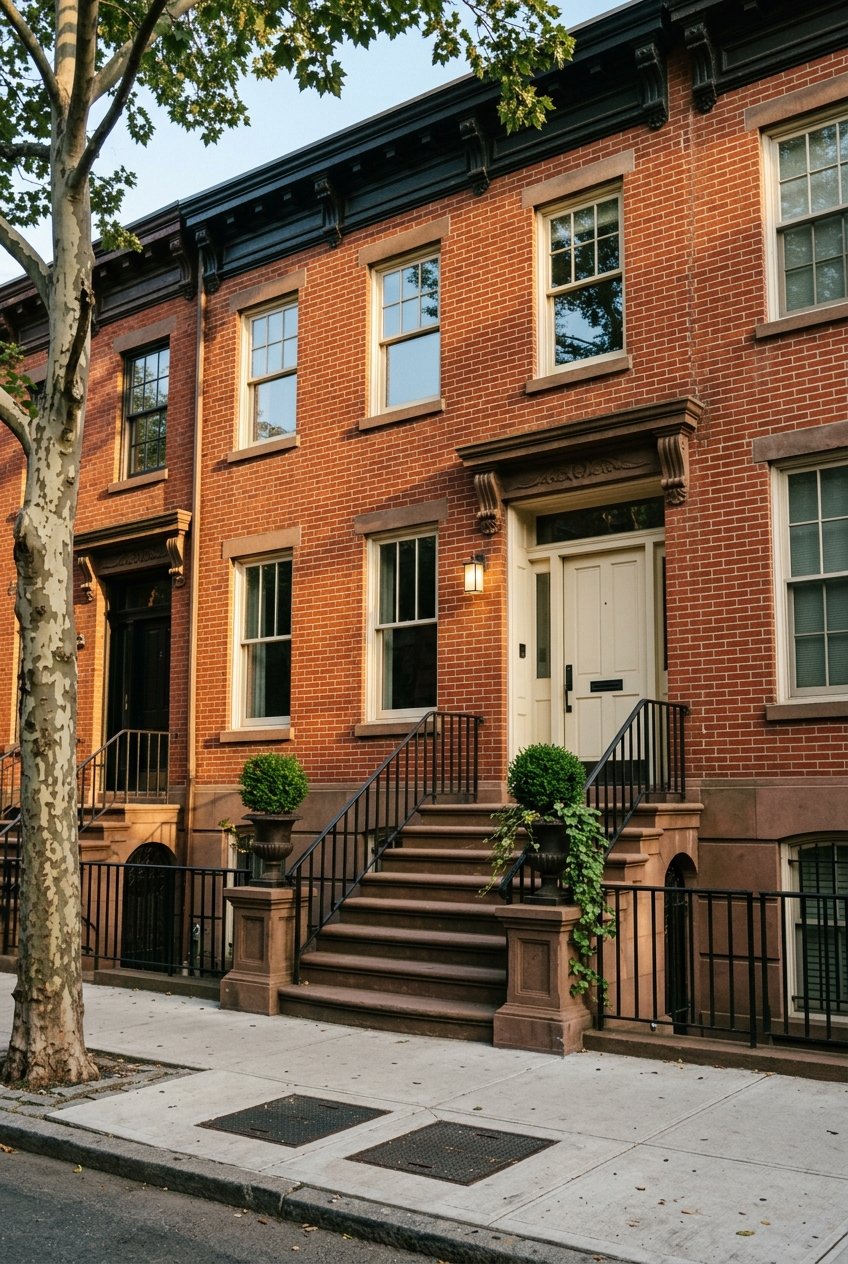
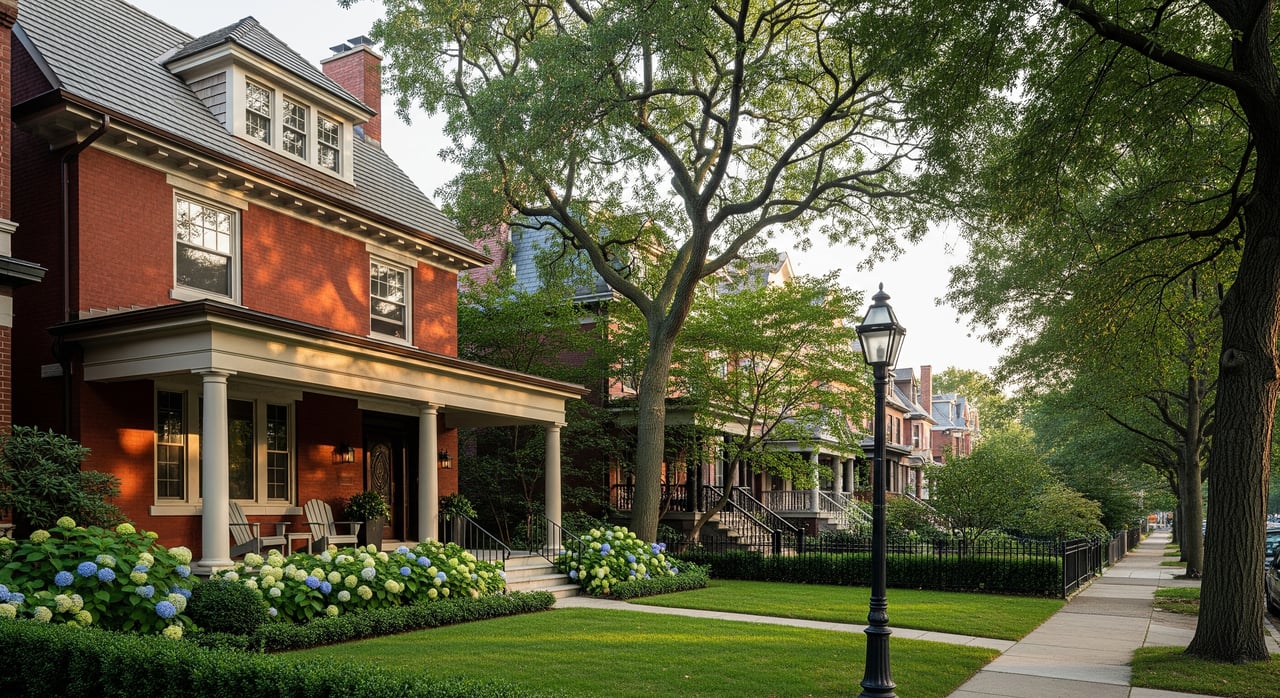
Fort Greene blends historic brownstone blocks with prewar co-ops and a growing mix of modern condos. The neighborhood offers tree-lined streets, access to Fort Greene Park, and proximity to major transit at Atlantic Terminal, which makes it a consistent draw for commuters and city explorers. You’re also close to cultural anchors like the Brooklyn Academy of Music.
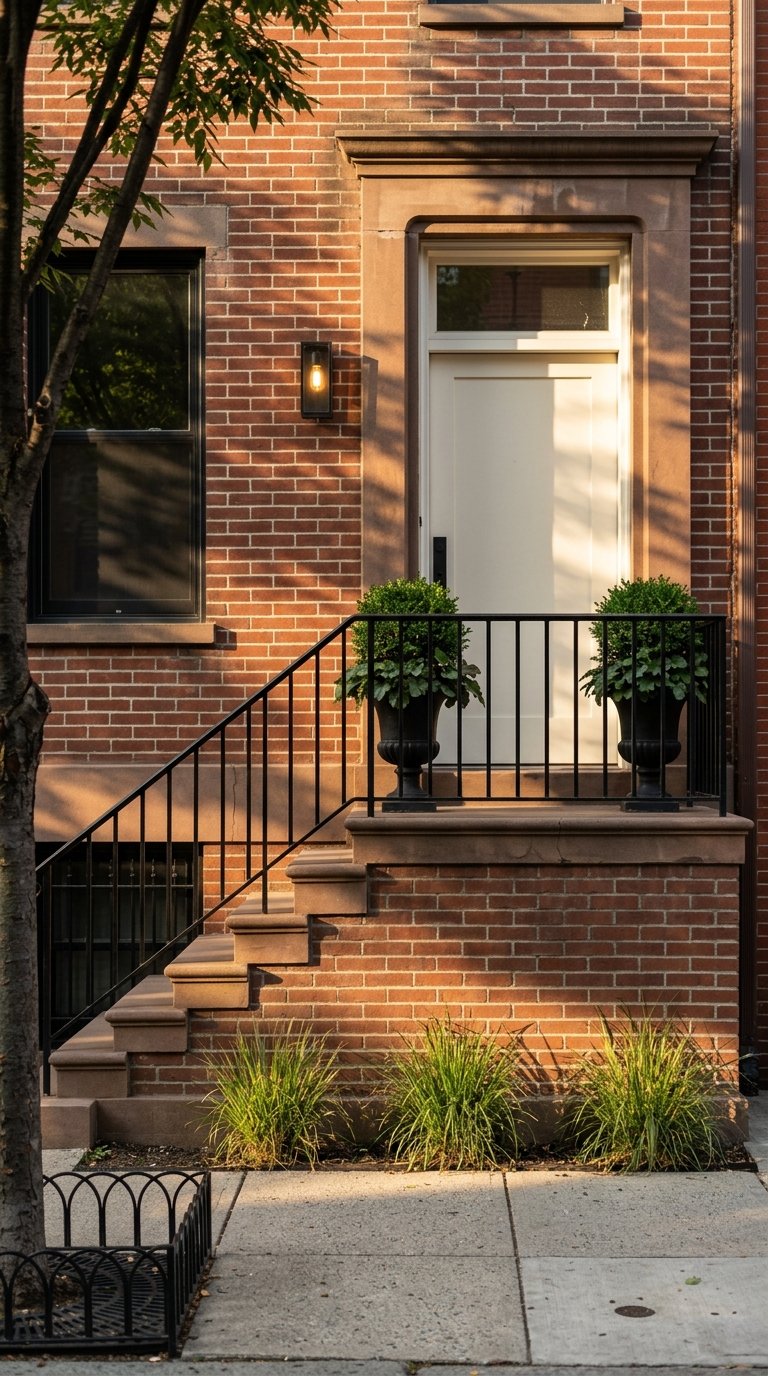
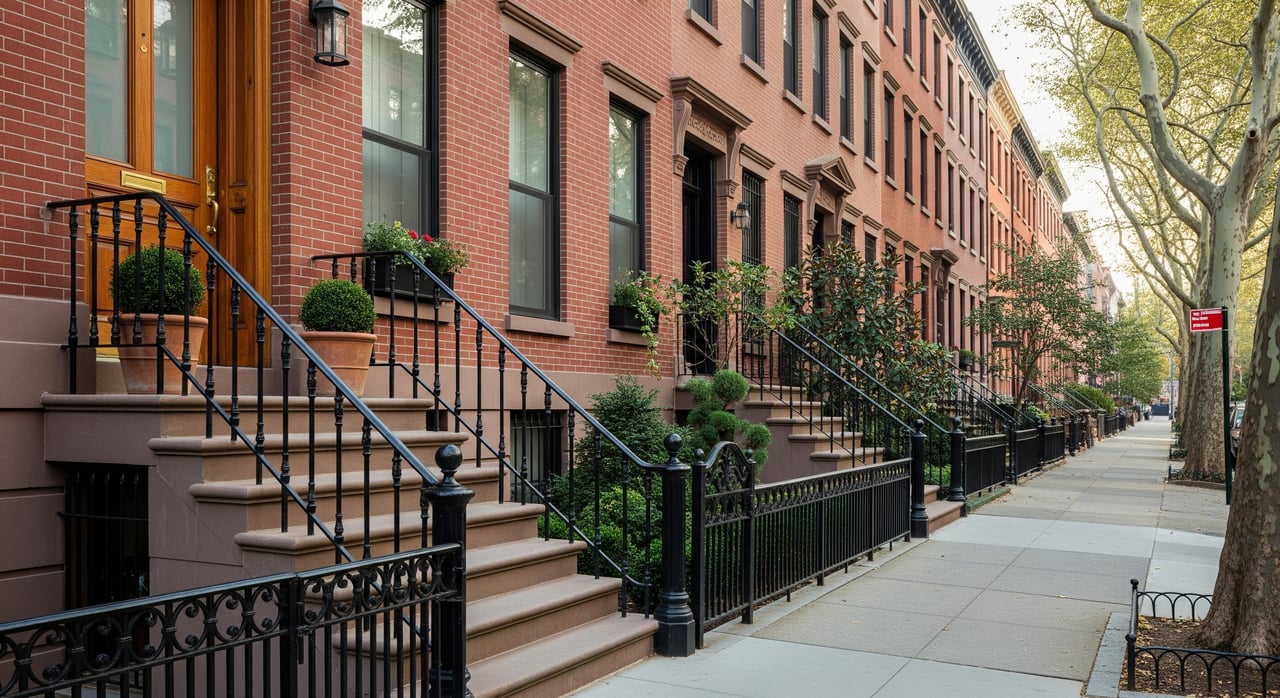
Large portions of Fort Greene fall under historic preservation, which limits new supply and helps preserve character. That constraint often supports values for well-presented brownstones and quality prewar buildings, while new development tends to cluster along major avenues. For neighborhood color and housing stock context, explore Brownstoner’s Fort Greene coverage.
Property types: what to expect
Co-ops
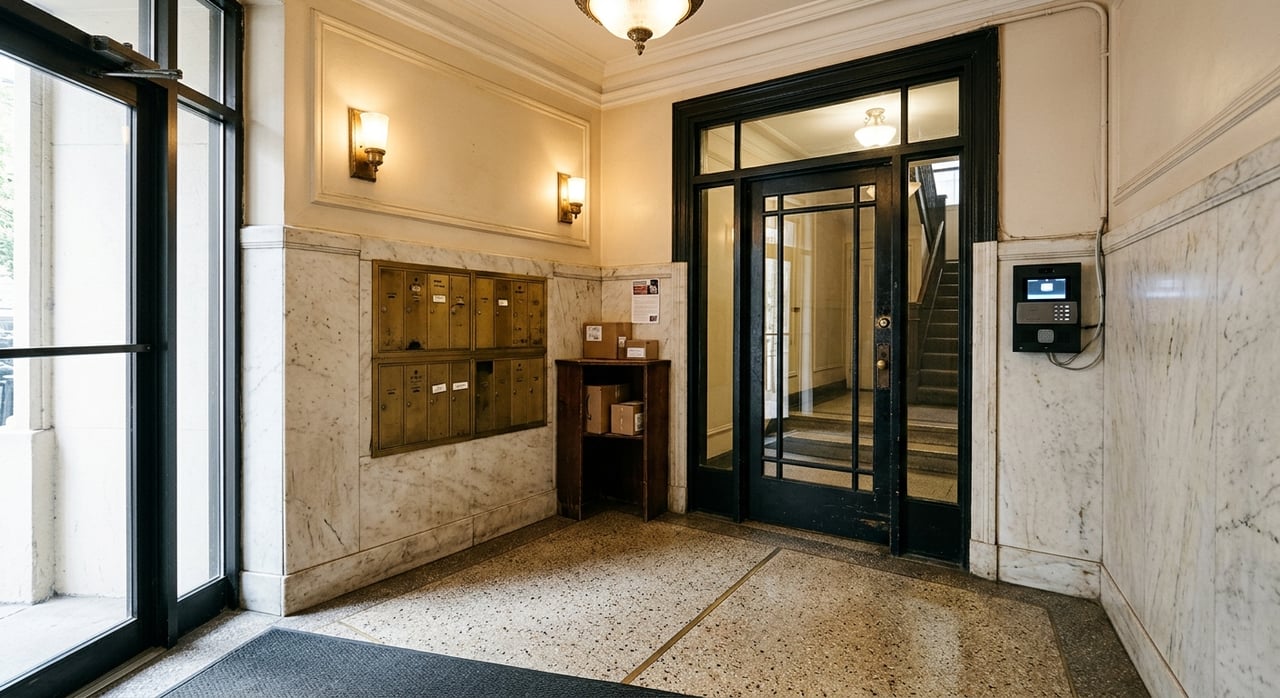
Co-ops usually occupy the mid-price segment, especially in prewar elevator buildings and walk-ups. They often trade at lower price points than newer condos on a per-square-foot basis, which can attract first-time buyers.
- Market pace: Expect moderate days on market. Well-priced units move more quickly in spring and fall. Board approvals and financing reviews can add time to closing.
- Negotiation: Buyers sometimes negotiate more here than in tight condo markets, since co-op board requirements add complexity. Sale-to-list ratios can vary by building activity and season.
- Tips for buyers: Start your board package early, line up a lender experienced with co-ops, and prepare personal documentation to keep the process moving.
- Tips for sellers: Pre-market prep matters. Provide building financials, house rules, and sublet policies upfront to reduce friction and shorten DOM.
Condos
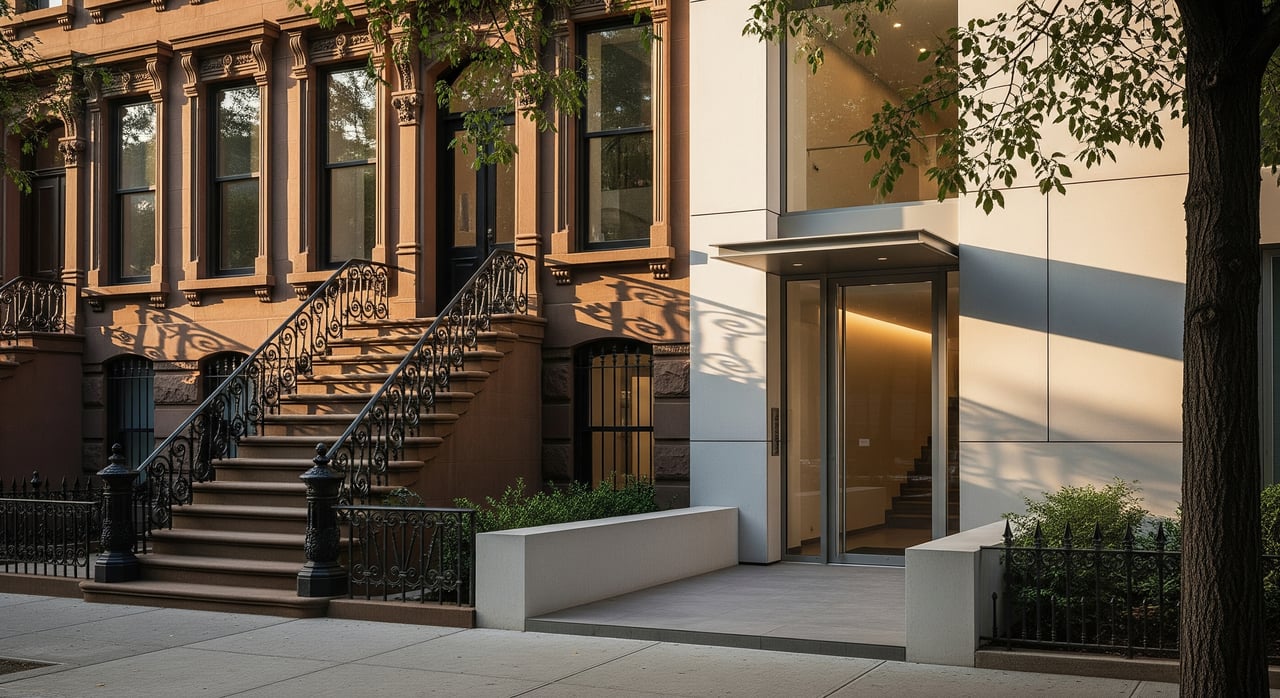
Condos in Fort Greene typically command a premium per square foot due to flexible financing, easier resales, and investor eligibility. Newer buildings near major corridors may offer amenities that boost appeal and pricing.
- Market pace: Move-in ready condos, especially smaller formats, can draw quick offers in high-activity seasons. Larger or high-end layouts may need more time to find the right buyer.
- Negotiation: Expect sharper price-per-square-foot comparisons. In new development, concessions or credits can be part of the discussion.
- Tips for buyers: Review HOA budgets, reserves, and any assessments. Ask about developer warranties and the status of any planned capital projects.
- Tips for sellers: Stage to emphasize light, layout, and finishes. Anchor pricing with recent per-square-foot comps in your building and on your block.
Brownstones and townhouses
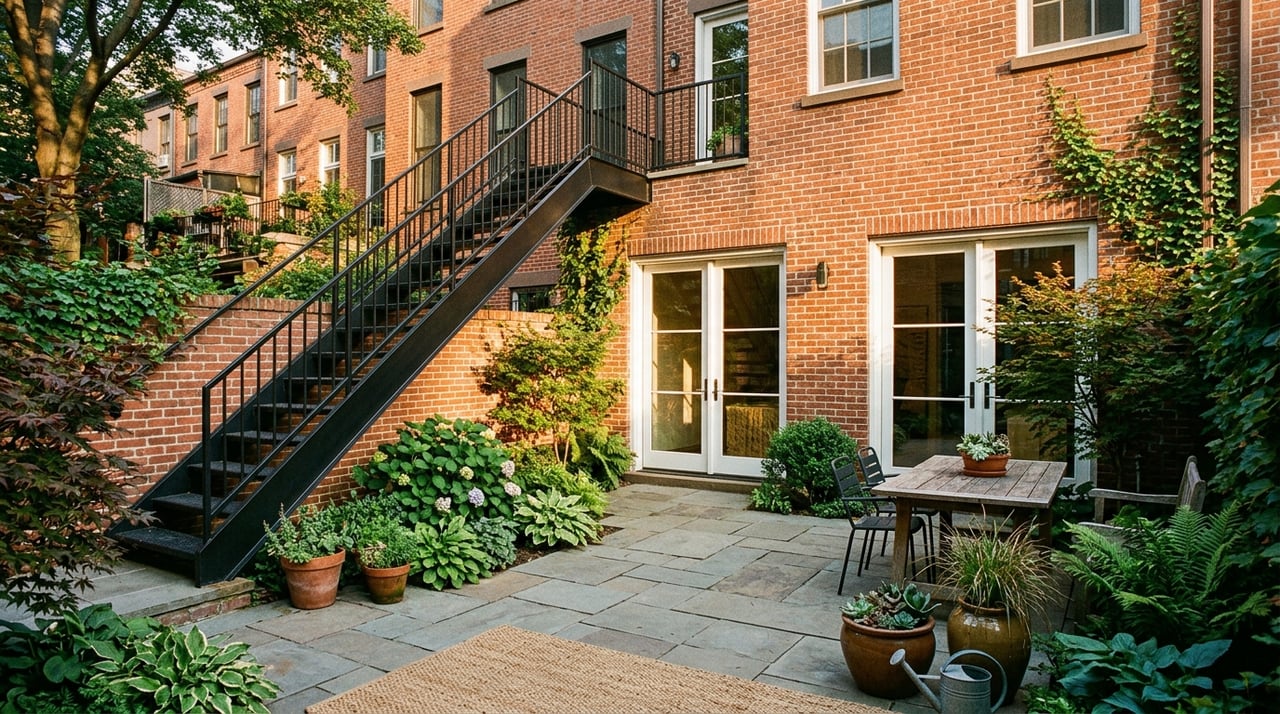
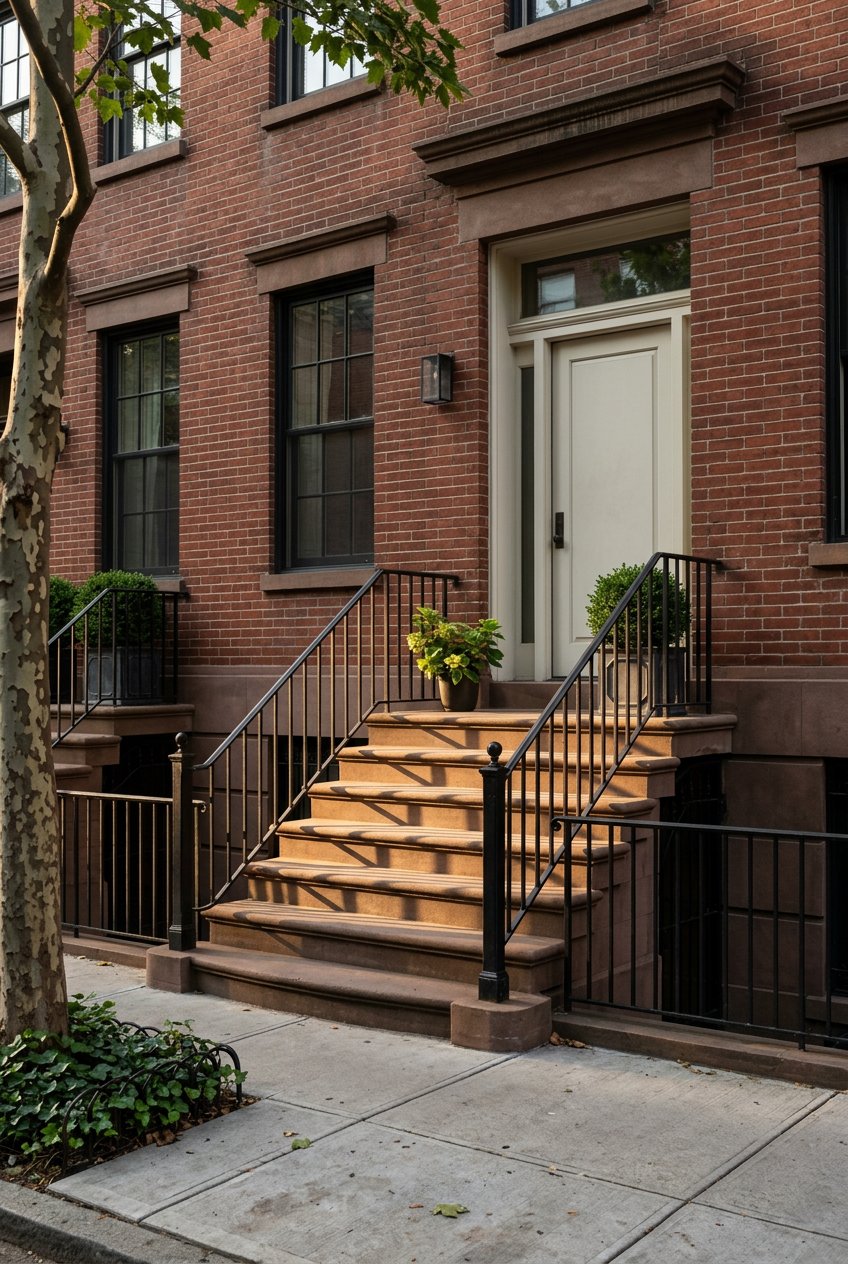
Brownstones represent a smaller, higher-value segment with unique features that can swing neighborhood medians. Buyers pay premiums for turnkey renovations, historic details, and expanded footprints.
- Market pace: Expect longer DOM on average than condos. Negotiation is more bespoke, with more attention to inspections and permits.
- Negotiation: Deals often hinge on renovation histories, permits, and inspection findings. Closing timelines and occupancy plans matter.
- Tips for buyers: Budget for inspections, surveys, and potential landmark approvals for exterior work. Build a renovation cushion into your plan.
- Tips for sellers: Document everything. Share renovation records, permits, and utility upgrades. A pre-listing inspection can reduce surprises and increase buyer confidence.
Seasonal timing and strategy
Like much of Brooklyn, Fort Greene follows a predictable rhythm:
- Spring, March to June: Peak listings and buyers. Expect faster sales and more multiple-offer scenarios on desirable properties.
- Summer, July to August: Active, with some slowdown in late July and August. Strong listings still move.
- Fall, September to November: A second pulse of activity as routines resume. Solid momentum for quality inventory.
- Winter, December to February: Fewer new listings and fewer buyers. Good window for value-focused buyers, but with limited selection.
If you want maximum competition for your listing, target spring or early fall and plan for roughly 30 to 60 days on market, depending on property type and prep. If timing or privacy is your priority, winter can still deliver solid results with sharp pricing and strong marketing.
Thinking of listing this season and want a tailored timeline and pricing plan for your co-op, condo, or brownstone? Say Hey - Book a Free Consultation.
Reading competition and negotiation signals
You can gauge how competitive the market is by watching a few signals together:
- Months of supply: Lower supply increases seller leverage. Higher supply gives buyers more negotiating room.
- Days on market: Falling DOM signals stronger demand and faster decision cycles.
- Sale-to-list price ratio: Near or above 100 percent indicates narrow discounts and potential for over-ask results.
- Pending sales vs. closed sales: A growing pending pipeline points to sustained demand in the near term.
Negotiation levers vary by property type:
- Co-ops: The speed and completeness of your board package, financing contingency length, and willingness to align with board timelines.
- Condos: Price, deposit size, and closing flexibility. In new developments, credits or closing-cost concessions may be options.
- Brownstones: Inspection outcomes, permit and survey resolution, and mutually agreeable closing timeframes.
Pricing and prep for sellers
To set a confident list price, use both the latest quarter and a 12-month rolling median for your property type. Fort Greene is a micro-market, so a single high-end brownstone sale can distort monthly medians.
Your pre-list checklist:
- Valuation baseline: Review recent comps in your building or on your block using StreetEasy’s Fort Greene page and Redfin’s neighborhood data.
- Condition audit: Complete repairs, refresh paint, and declutter. Consider a pre-listing inspection for brownstones.
- Documentation: Compile co-op or condo financials, house rules, alteration agreements, and any permits for past work.
- Marketing plan: Align staging and photography with the season and target buyer profile. Use calendar-aware launch timing to maximize early traffic.
Buyer playbook for Fort Greene
If you are buying, organize early so you can act when the right home hits the market.
- Get pre-approved: Work with a lender familiar with NYC co-ops and condos. Ask how rates and underwriting differ for each type.
- Define property type: Be clear on whether a co-op, condo, or brownstone fits your budget, timeline, and lifestyle.
- Study fees and rules: Review maintenance charges, assessments, and policies that affect financing or occupancy.
- Compare by block: Use price per square foot within the same building or immediate area for accuracy.
- Plan for seasonality: Be ready to move quickly in spring and early fall. Use late fall and winter to find value opportunities.
Want a custom buyer strategy, including upcoming listings and lender introductions? Say Hey - Book a Free Consultation.
Where to verify the latest numbers
For current market figures and verified records, start here:
- Neighborhood snapshots: StreetEasy’s Fort Greene overview and Redfin’s Fort Greene data
- Borough context: Douglas Elliman’s Brooklyn reports
- Long-term trends: Zillow Research
- Sales verification: NYC Department of Finance
- Historical and neighborhood context: Brownstoner’s Fort Greene coverage
The bottom line
Fort Greene’s market is shaped by preserved brownstone blocks, a deep bench of prewar co-ops, and a steady stream of condos near transit. Supply constraints and seasonality matter, but each property type behaves differently. When you price with real comps, prepare thoroughly, and time your move with the local cycle, you set yourself up for a smooth, confident transaction.
If you want a clear, local plan for your next move in Fort Greene, connect with Claudette Rolling. Say Hey - Book a Free Consultation.
FAQs
How fast do Fort Greene homes sell right now?
- It depends on property type, pricing, and season. Well-priced condos can go under contract in days to weeks during peak seasons, while co-ops and brownstones may take longer due to board reviews or unique features.
Are Fort Greene prices rising or falling?
- Check a 12-month rolling median alongside the latest quarter on trusted sources like StreetEasy, Redfin, and Elliman’s Brooklyn reports to see direction without being misled by one-off sales.
Should I list my Fort Greene home in winter or wait for spring?
- Spring and early fall typically bring more buyers and stronger competition. Winter can work if you value speed or privacy, but expect fewer buyers and be precise with pricing and marketing.
Is Fort Greene a buyer’s or seller’s market right now?
- Look at months of supply, DOM, and the sale-to-list ratio. Low supply with quick DOM and near-100 percent sale-to-list favors sellers, while higher supply and larger discounts favor buyers.
What prep is unique for Fort Greene co-ops and brownstones?
- Co-ops require thorough board packages and building documents. Brownstones benefit from full permit histories, renovation records, and pre-listing inspections to reduce surprises.