Wondering if you can lower your housing costs in Flatlands by living in one part of a property and renting out the rest? You are not alone. In a city with a very tight rental market and high home prices, house hacking can be a practical path for buyers who want to build stability and create long-term income. The key is understanding what is actually realistic, legal, and sustainable in this part of Brooklyn. Let’s dive in.
Why house hacking matters in Flatlands
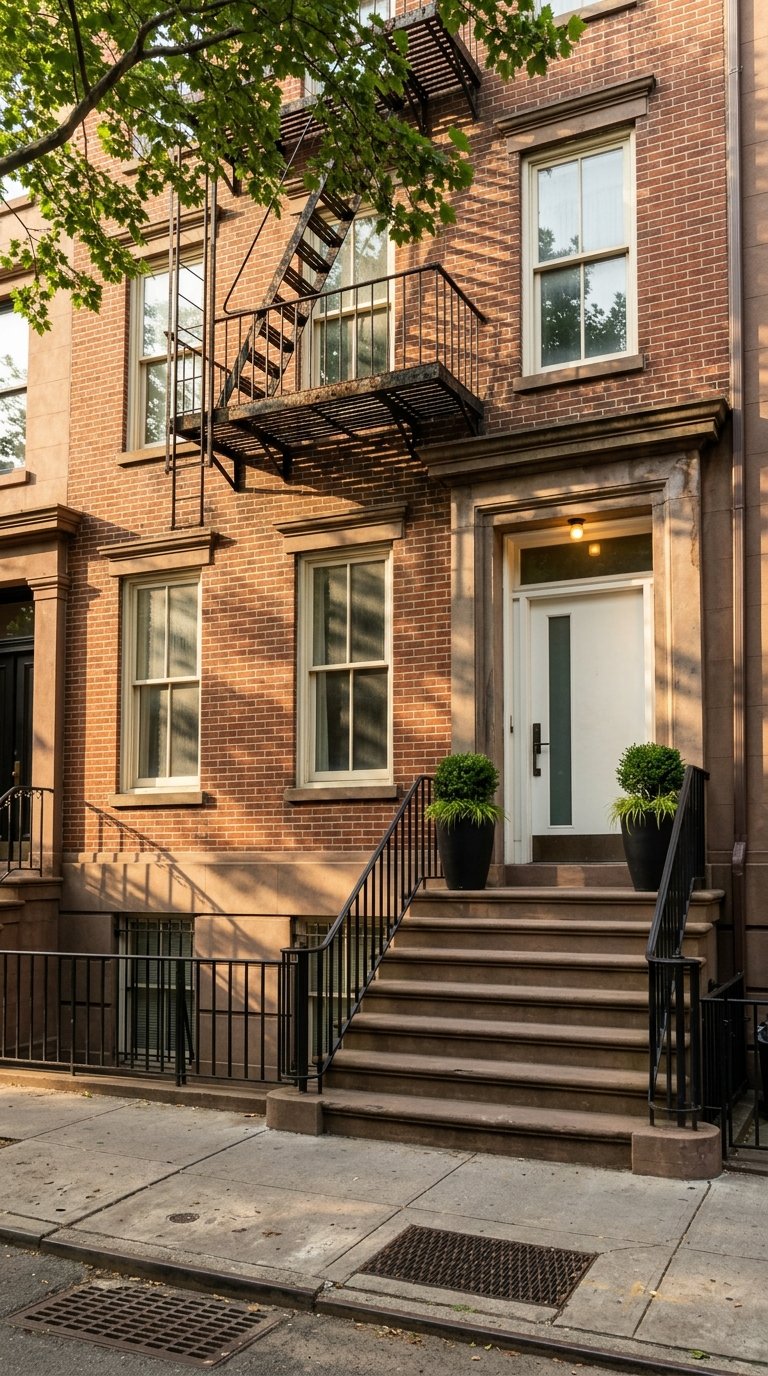
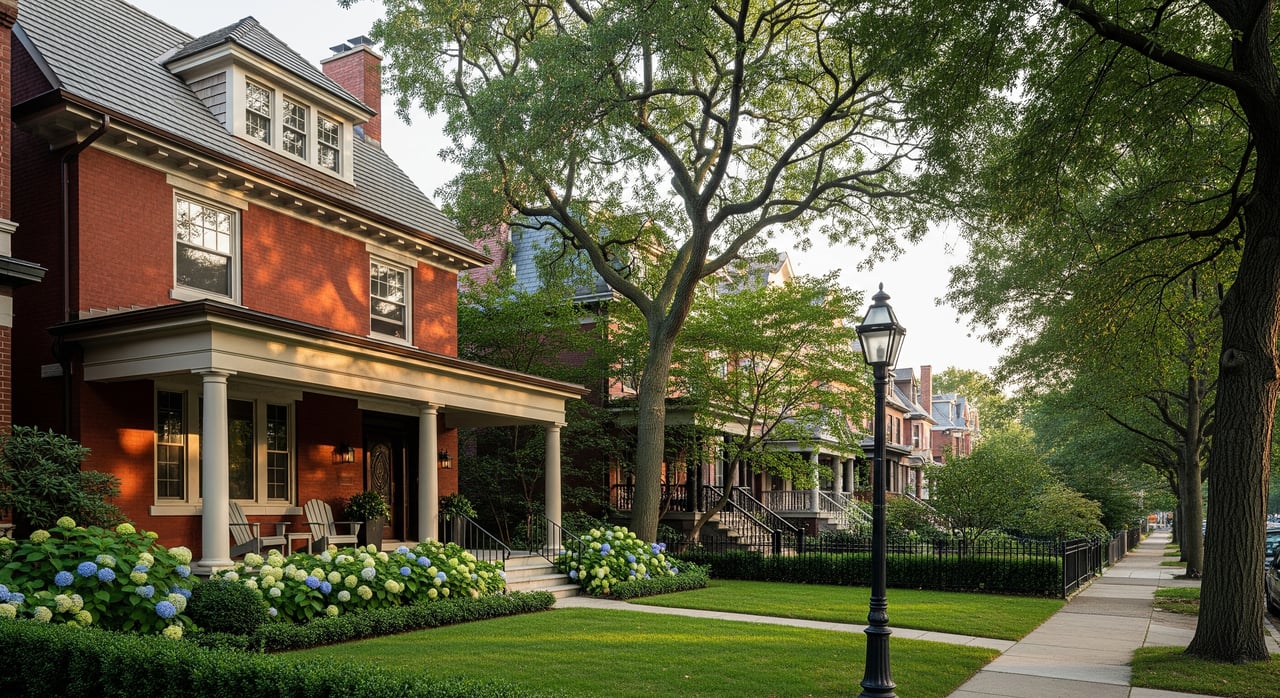
Flatlands offers a housing mix that makes this strategy worth a closer look. Community District 18 includes many one- and two-family homes, along with some mid-rise development and other multifamily housing. Older ACS data for the Flatlands area also show a meaningful share of two-unit and small multifamily buildings, which is why owner-occupant income strategies can fit the neighborhood.
That matters even more in today’s market. New York City’s rental vacancy rate was just 1.41% in 2023, the lowest since the 1960s, and the city’s homeownership rate is about 30%. When buying is expensive and rentals are scarce, shared-cost ownership can give you another way to make the numbers work.
Best property types for house hacking
If you are thinking about house hacking in Flatlands, not every setup carries the same level of risk or effort. The most realistic paths are usually the simplest ones.
Two-family homes
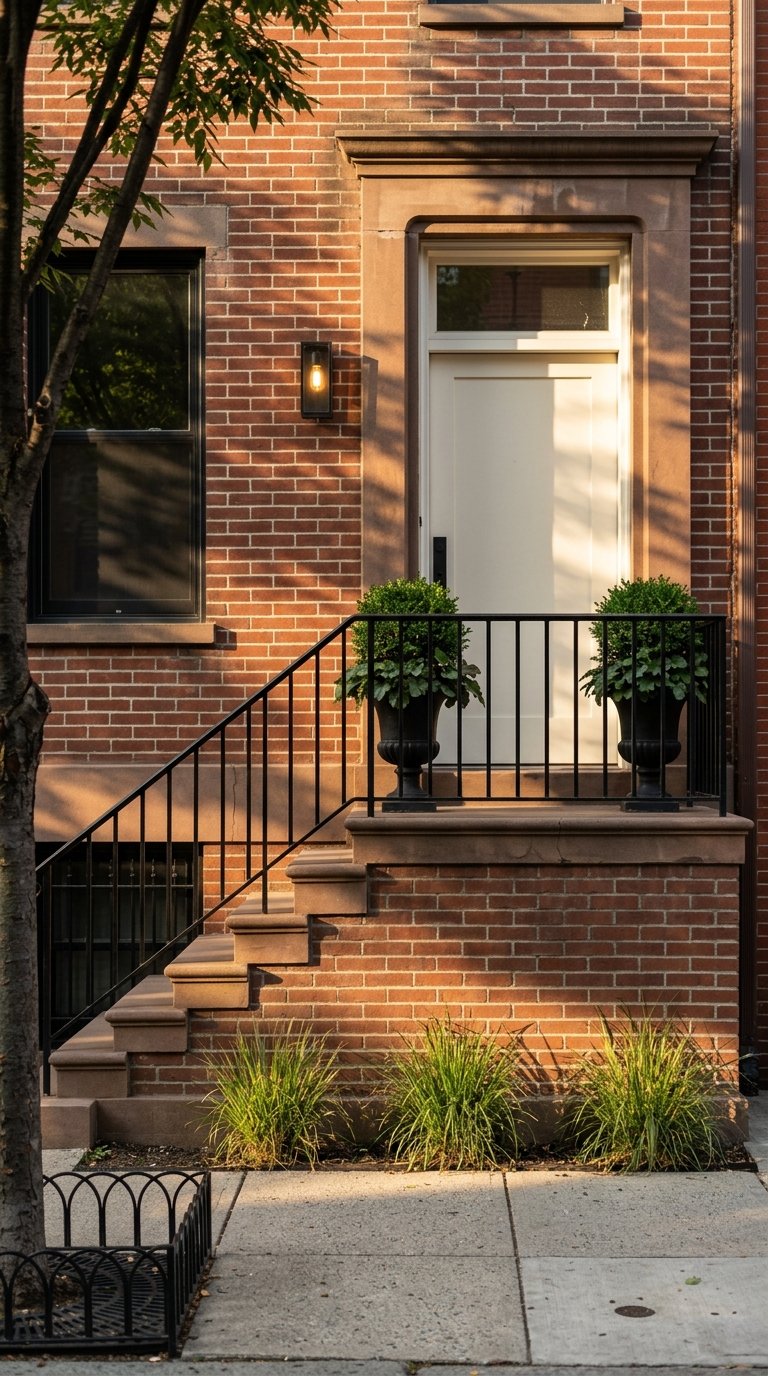
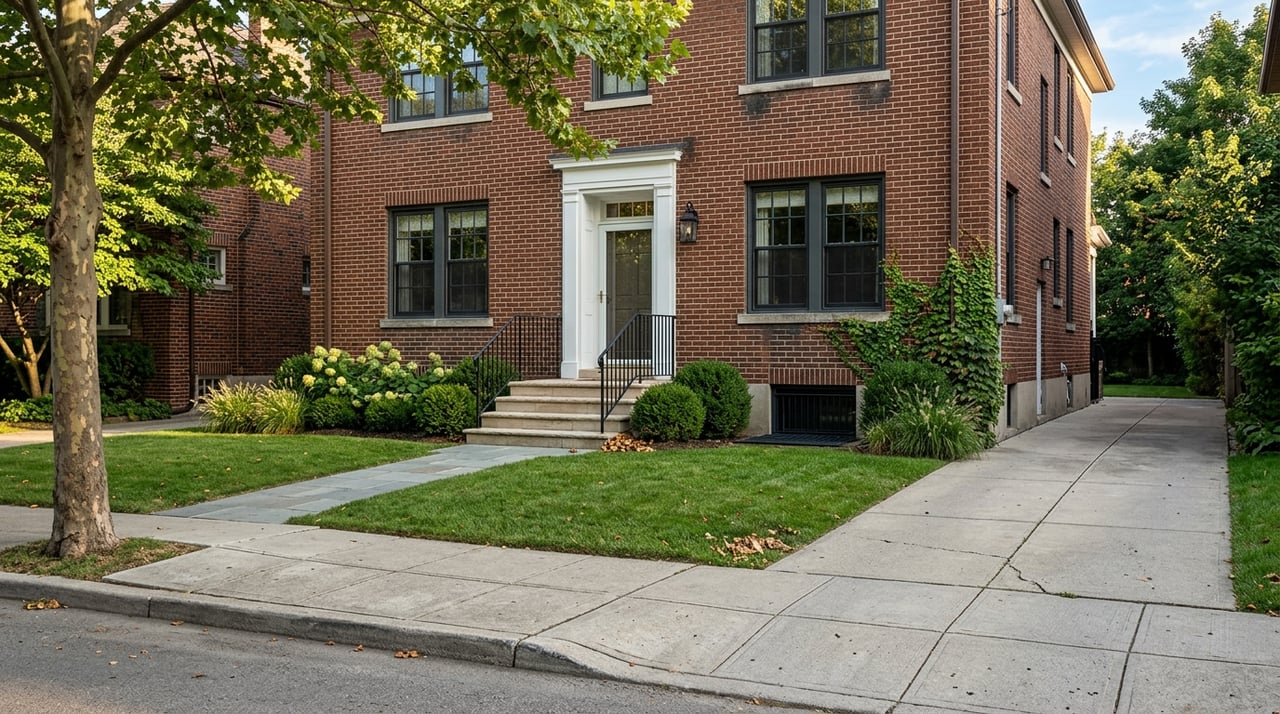
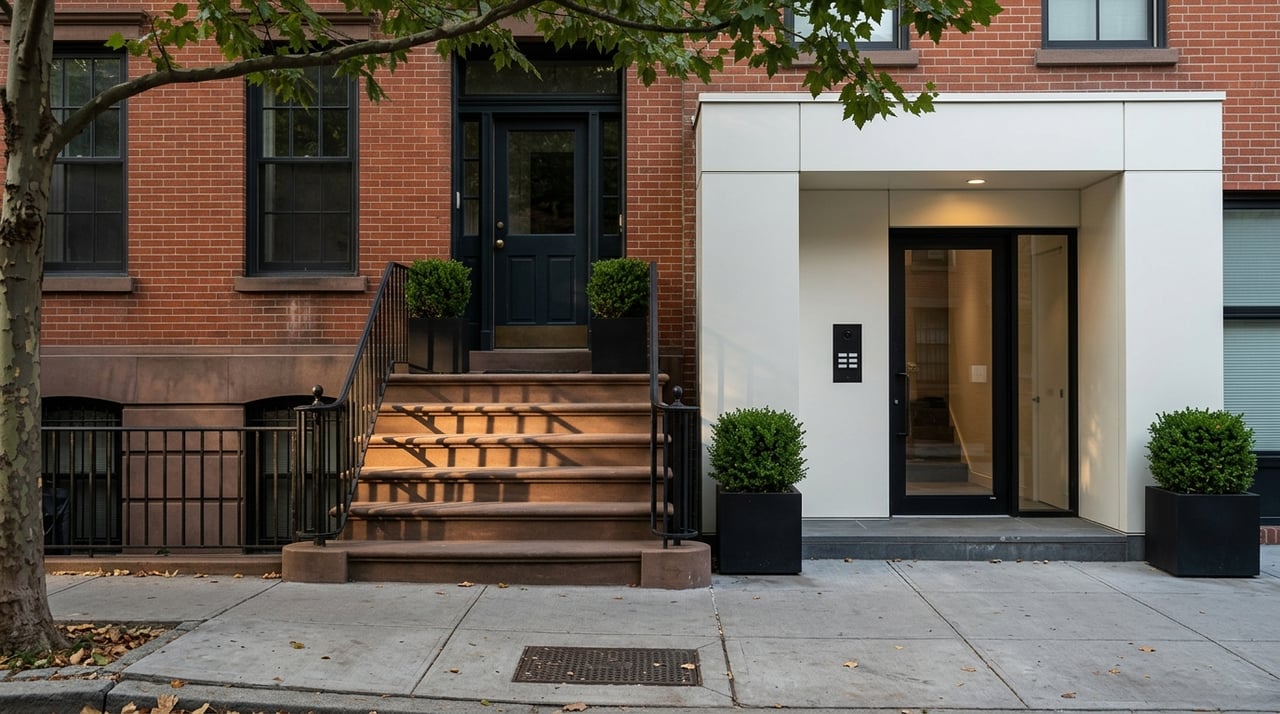
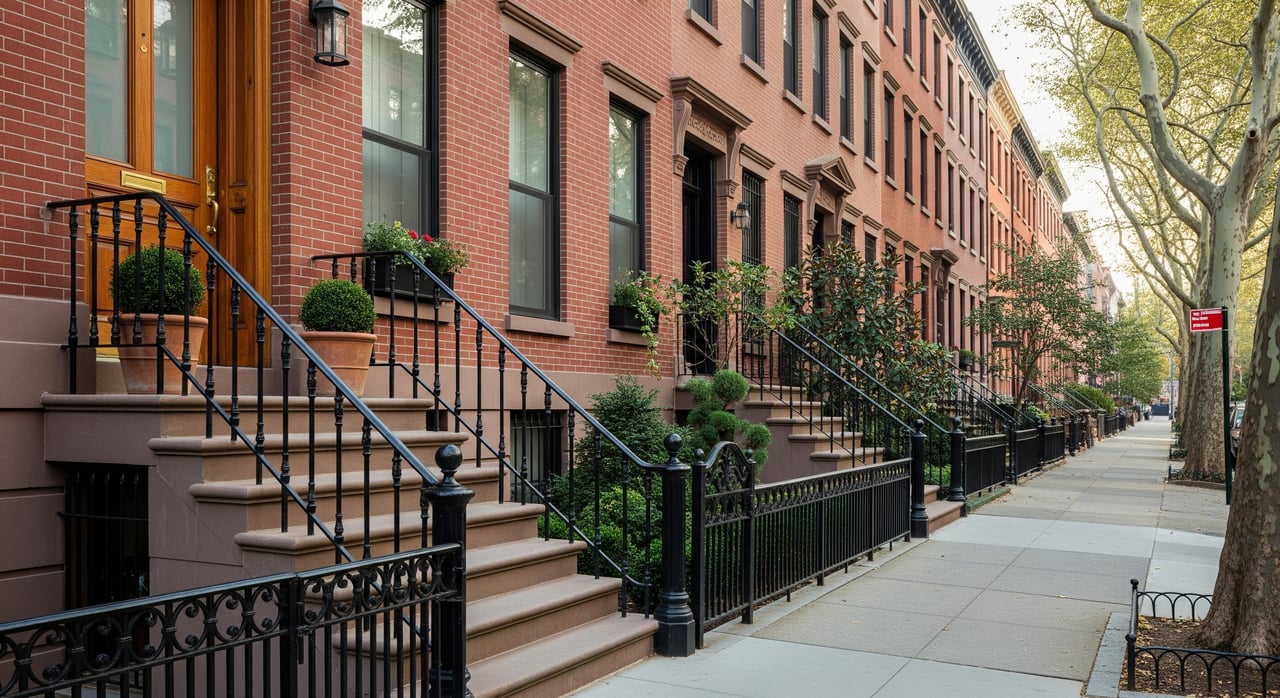
A true two-family home is often the clearest option. You live in one unit and rent the other, which lines up with how many owner-occupied small properties already function in New York City. The NYC Comptroller notes that two-family homes are a major part of the city’s owner-occupied stock and that owners commonly live in one unit and rent out the other.
For many buyers, this setup offers a good balance. You can keep your rental plan straightforward, maintain your privacy better than in a shared-unit arrangement, and avoid some of the complexity that can come with conversions.
Three- to five-family buildings
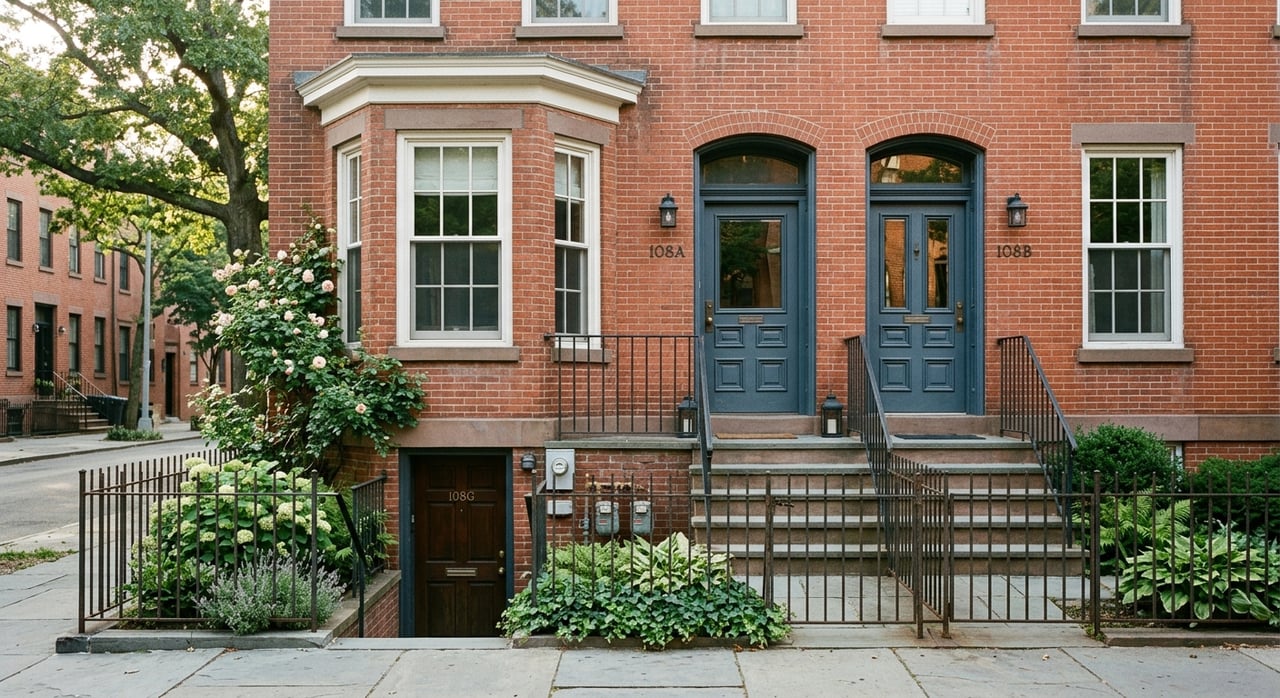
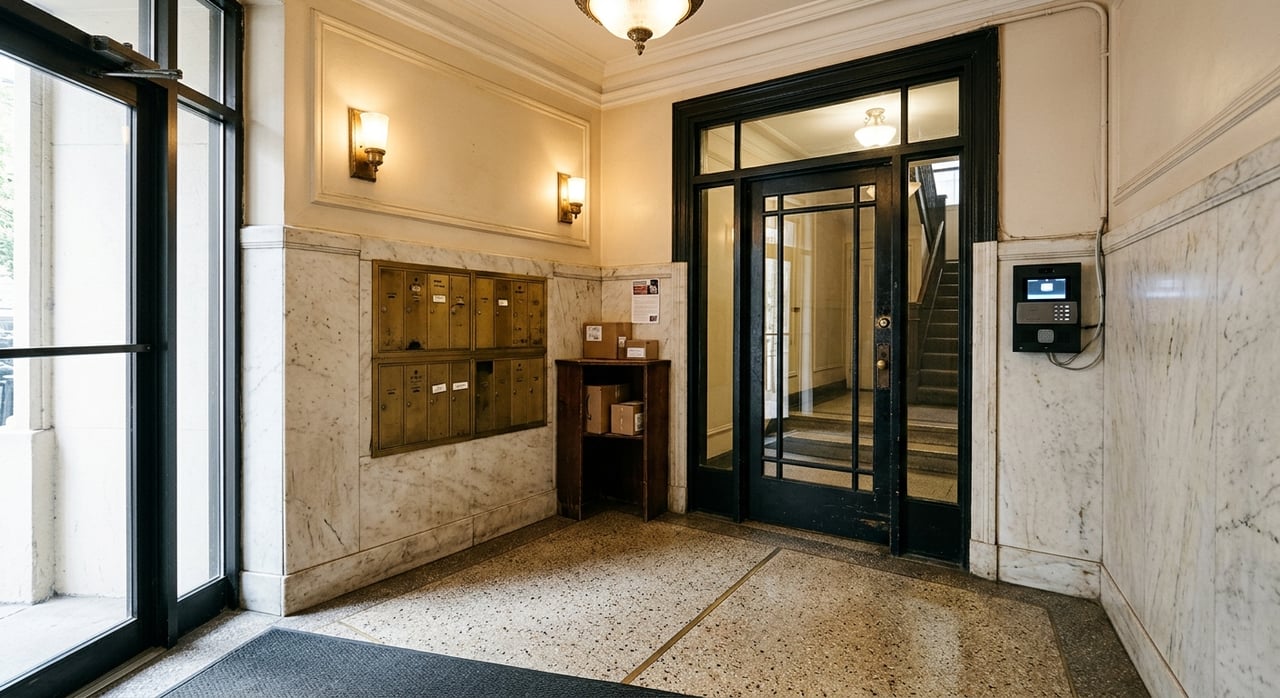
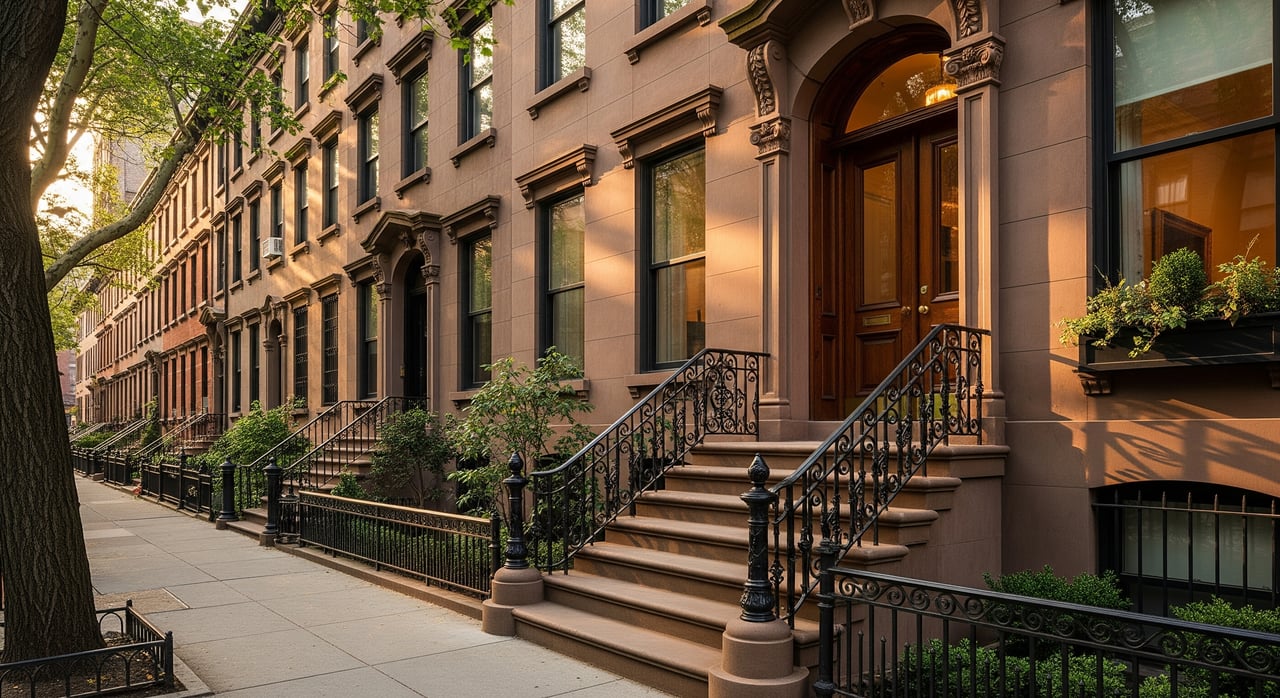
Small multifamily properties can also support a live-in landlord strategy. The NYC Comptroller reports that tens of thousands of homeowners in the city live in multifamily buildings with additional units that they rent out.
This route can create more income potential, but it also brings more moving parts. You will likely need a stronger budget, a more detailed due diligence process, and a clear plan for maintenance and day-to-day management.
One- or two-family homes with ADU potential
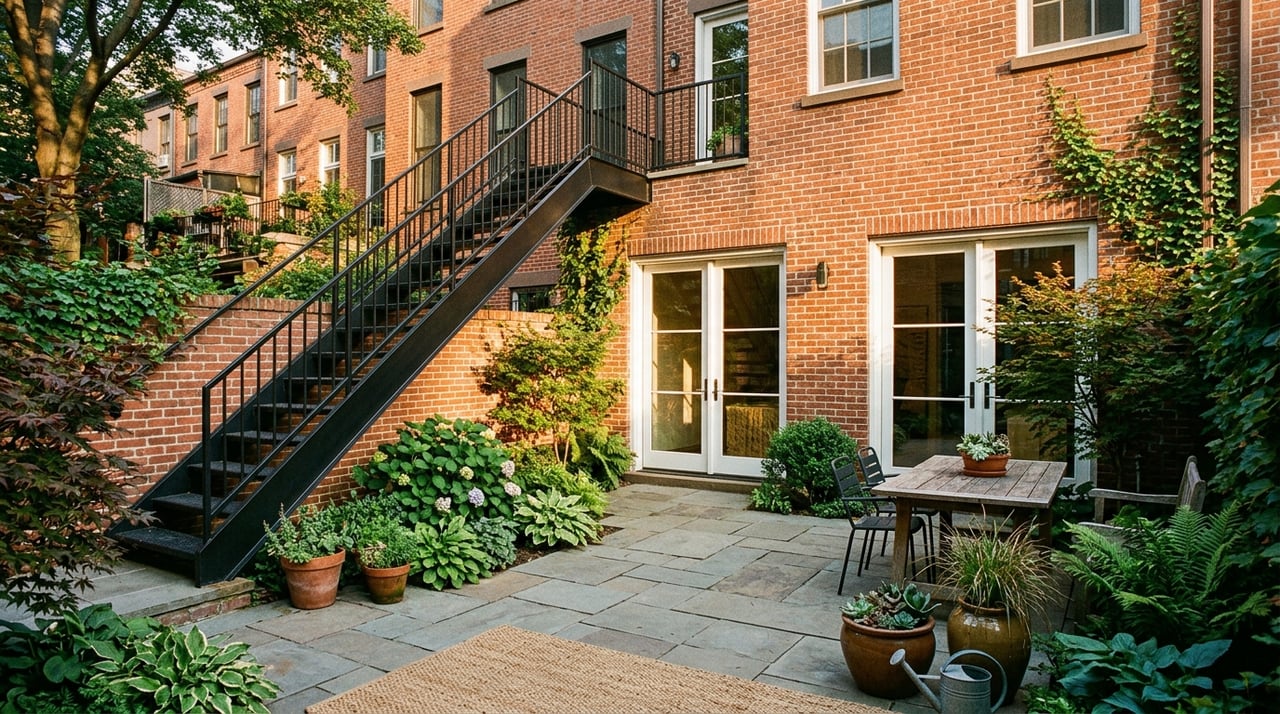
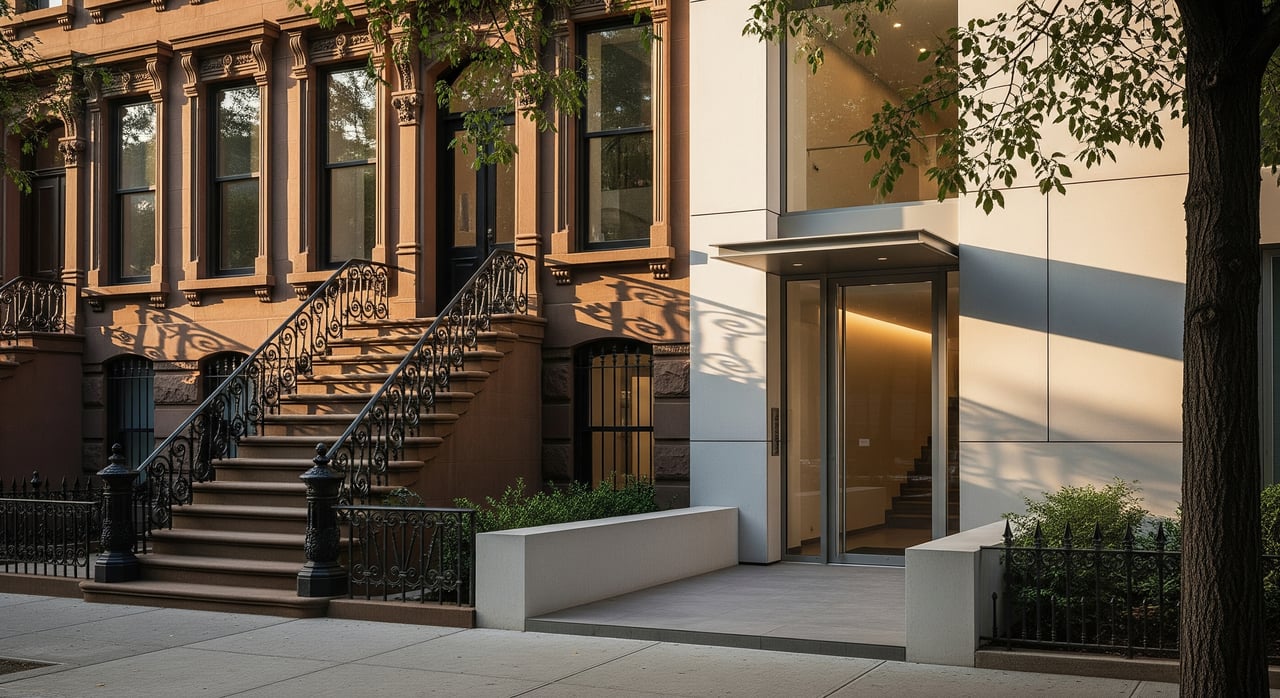
Another possible route is buying a one- or two-family home that may qualify for an ancillary dwelling unit, or ADU. In New York City, an ADU is an additional self-sufficient unit of up to 800 square feet that may be allowed in addition to a one- or two-family home.
This can sound appealing on paper, but it is not a quick add-on. ADU feasibility is lot-specific, code-specific, and budget-sensitive, so it should be treated as a real housing project, not a simple renovation idea.
How ADUs work in Flatlands
ADUs are one of the most talked-about house hacking strategies right now, but they come with rules that buyers need to understand before they build rent assumptions into an offer.
What the city allows
New York City allows one ADU per one- or two-family home on a zoning lot, and the owner must use the zoning lot as their primary residence at the time of initial occupancy. The ADU must be a separate, self-sufficient unit.
The Department of Buildings also says ADUs need a separate entrance. They also need separate controls or shutoffs for heating, cooling, electrical, and gas systems, while water may be shared if there are separate shutoffs. In plain terms, this is usually a code and construction project, not a cosmetic update.
Why lot details matter
ADU eligibility is not universal. The city says ADUs are only allowed where residential use is permitted and where there are no conflicting restrictions, such as certain low-density districts, historic-district limits, or flood-risk issues.
That means you should not assume a property can support an ADU just because the layout looks workable. Before you rely on future rental income, you need the property reviewed carefully by the right professionals.
A key Flatlands basement caution
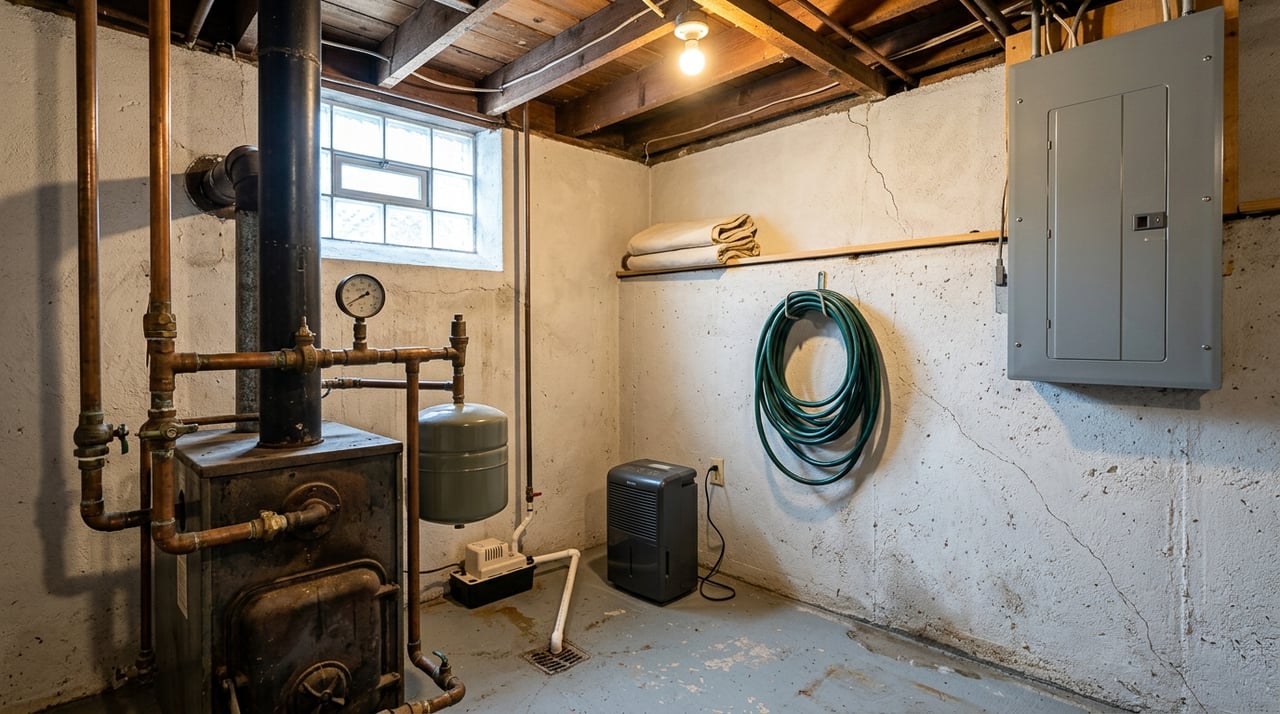
This point is especially important in Flatlands. Brooklyn Community District 18 is not listed in the city’s current basement and cellar legalization pilot under Local Law 126.
So if you are touring a home with an existing basement apartment, do not assume it can be legalized through that pilot. In Flatlands, any basement, attic, garage conversion, or backyard unit needs to be evaluated as a separate legal and code-compliance question.
Budget for the real numbers
House hacking works best when you underwrite it conservatively. In a market like New York City, optimism is not a strategy.
The NYC Comptroller reported a citywide median sales price of $764,000 in 2023 and about $785,000 in early 2024. With acquisition costs that high, it is smart to stress-test your monthly budget using only a portion of the rent you hope to collect.
Costs to include from day one
When you run the numbers, make sure you account for:
- Mortgage payment
- Property taxes
- Insurance
- Repairs and maintenance
- Vacancy risk
- Legal or compliance costs
- Construction costs for any conversion or ADU work
If the property needs updates before it can be rented legally and safely, that should be part of your buying decision from the start.
Financing options to ask about
For some buyers, owner-occupant financing can help make a multi-unit purchase possible. HUD says FHA loans may allow down payments as low as 3.5% and are available on one- to four-unit properties.
Freddie Mac also offers mortgage products for owner-occupied primary residences with two to four units. Its guidance says rental income from units the borrower does not occupy in a subject two- to four-unit primary residence may be eligible if underwriting requirements are met.
That does not mean every property or every buyer will qualify the same way. It does mean you should speak with a lender early if your purchase depends on projected rental income.
Know the responsibilities of a live-in landlord
The income side of house hacking gets most of the attention, but the responsibility side matters just as much. If you plan to be a live-in landlord, you need to be ready for the practical work that comes with the role.
Building conditions you must maintain
New York City requires landlords to keep buildings safe, clean, and well maintained in common areas and apartments. Owners are also responsible for maintaining required security measures, heat, hot and cold water, and good lighting.
Heat season runs from October 1 through May 31, and hot water must be provided year-round. HPD enforces the Housing Maintenance Code, which covers issues such as heat, hot water, mold, pests, gas leaks, and fire safety.
Screening tenants fairly and consistently
Tenant screening in New York City must follow fair housing rules. The city says screening may include credit checks, work and landlord references, criminal background checks, home visits, and interviews, but the same criteria should be applied consistently to all applicants.
A fair, consistent process protects you and helps set the right tone from the start. Good systems matter when you are sharing a property with tenants.
Older homes need extra review
Many Brooklyn properties are older, and that creates another layer of due diligence. New York City health data notes that lead-based paint was banned in city homes in 1960, which makes older properties especially important to inspect carefully.
The same city source notes that carbon monoxide detectors are required by law. If you are counting on rent to help offset your mortgage, you want a clear picture of safety, maintenance, and compliance needs before you close.
What house hacking is not
In Flatlands, house hacking should be approached as a long-term rental strategy. It is not a shortcut around city rules.
Short-term rentals are tightly restricted
New York City says you cannot rent out an entire apartment or home for fewer than 30 days, even if you own or live in the building. Short-term rentals are only allowed when you stay in the same unit as the guests, have no more than two paying guests, and maintain a common household.
That makes short-term rental income a poor foundation for most owner-occupant plans. If you are buying based on income potential, long-term rental assumptions are the safer lens.
ADUs are not a short-term rental loophole
The city is also clear that ADUs are meant for permanent occupancy. A host cannot live in the main home and use the ADU for short-term renters.
That is why the strongest Flatlands strategy usually comes back to two options: a true two-family purchase or a carefully vetted ADU plan on a qualifying one- or two-family lot.
A smart Flatlands game plan
If you are serious about buying a house hack in Flatlands, a little structure up front can save you time and money later.
Focus on these early steps
- Target true two-family homes first if you want the clearest path
- Treat any extra unit or conversion as unverified until reviewed
- Ask a lender how rental income may factor into your approval
- Build a repair and vacancy cushion into your monthly budget
- Review older properties carefully for maintenance and safety issues
- Plan for long-term rental use, not short-term rental income
The goal is not just to buy a property with potential. The goal is to buy one that works on paper, in practice, and under city rules.
If you want help evaluating a two-family home, a small multifamily building, or a one- or two-family property with ADU potential in Brooklyn, Claudette Rolling can help you look at the numbers, the neighborhood, and the due diligence with a clear local lens.
FAQs
What does house hacking in Flatlands usually look like?
- In Flatlands, house hacking most often means buying a true two-family home, living in one unit, and renting the other, or buying a qualifying one- or two-family home that may support one ADU.
Are basement apartments in Flatlands automatically legal to rent?
- No. In Flatlands, you should not assume an existing basement apartment can be legalized through the city’s current basement and cellar legalization pilot, because Brooklyn Community District 18 is not included.
Can you use an ADU in Flatlands as a short-term rental?
- No. New York City says ADUs are designed for permanent occupancy, not as a short-term rental workaround.
What costs should you budget for with a Flatlands house hack?
- You should budget for the mortgage, property taxes, insurance, repairs, vacancy, and any legal, compliance, or construction costs tied to a unit conversion or ADU project.
What should live-in landlords in Flatlands know about owner responsibilities?
- Live-in landlords in Flatlands need to maintain safe, clean conditions and provide required heat, hot water, lighting, and other basic building services under New York City rules.