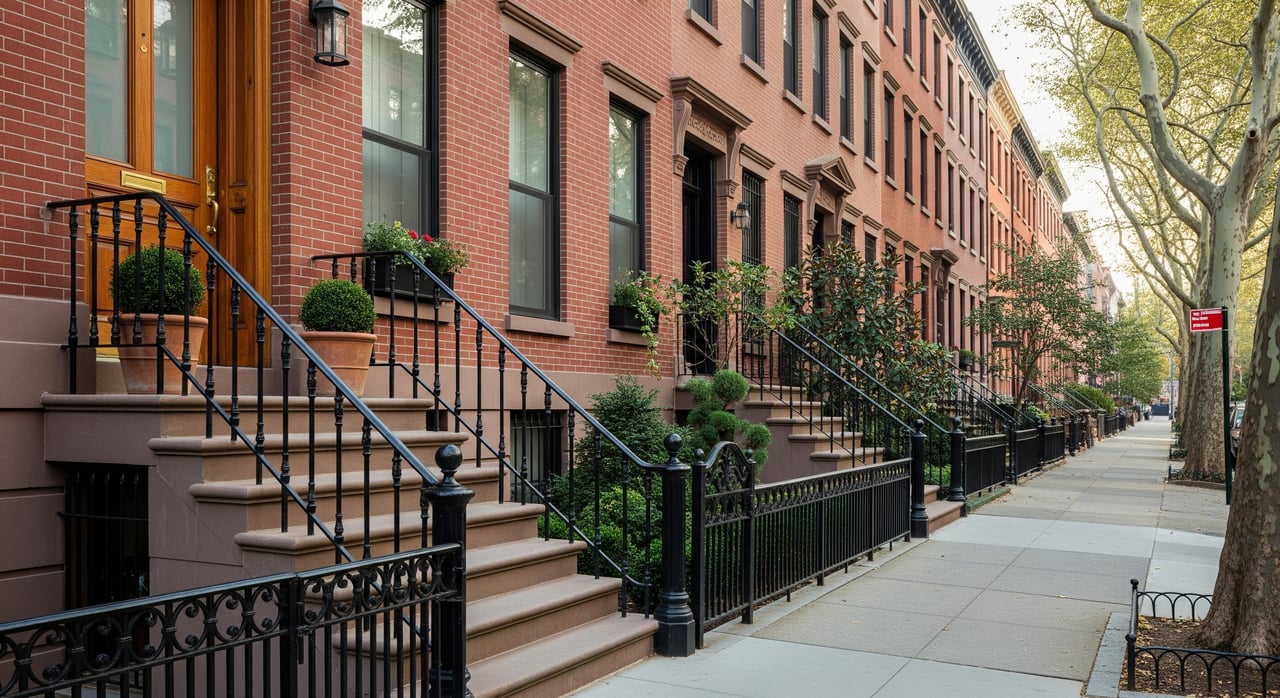
Buying your first home in Flatlands can feel exciting and overwhelming at the same time. You want a monthly payment you can live with and help covering the upfront costs. The good news is there are solid first‑time buyer programs that work in Brooklyn if you match them to the right property and your finances. In this guide, you’ll learn the core options, who they fit best, and the exact next steps to move from curious to preapproved. Let’s dive in.
What “first‑time buyer” really means
Most programs treat you as a first‑time buyer if you have not owned a primary residence in the past three years. Some programs make exceptions for certain life events. If you owned long ago or only owned an investment property, you may still qualify. The key is your recent housing history and how the program defines it.
The main programs in reach
Here are the programs most Flatlands buyers explore first. Your best fit depends on credit, income, and the property type you want.
SONYMA (New York State)
SONYMA pairs 30‑year fixed mortgages with down‑payment assistance for eligible buyers. It is designed for low‑ to moderate‑income households and uses county purchase price and income limits. You must live in the home as your primary residence and provide standard documentation through a participating lender.
NYC HomeFirst (City down‑payment assistance)
HomeFirst offers down‑payment assistance and homebuyer education for New York City residents. You work with a participating lender, complete counseling, and use the funds to bridge your down payment and closing costs. It is often stacked with a primary mortgage like SONYMA or a conventional loan.
FHA (Federal Housing Administration)
FHA loans allow a minimum 3.5% down payment for qualified borrowers and are more flexible on credit and debt‑to‑income ratios than many conventional loans. FHA requires mortgage insurance and has appraisal and property standards. You can use FHA for 1–4 unit properties and many condos if the condo project is approved.
VA (U.S. Department of Veterans Affairs)
If you are a qualified veteran, active service member, or certain surviving spouse, VA loans can offer zero down with favorable terms. You will need VA entitlement and a lender that participates in the VA program.
Conventional low‑down options (HomeReady and Home Possible)
Fannie Mae HomeReady and Freddie Mac Home Possible offer as little as 3% down, flexible income sources, and reduced private mortgage insurance compared with standard conventional loans. These can be attractive if your credit is stronger or if price limits make other programs less practical.
USDA (Rural Development)
USDA loans offer zero down in eligible rural areas. Most Brooklyn neighborhoods, including Flatlands, are not eligible because they are not considered rural.
Who each program fits best in Flatlands
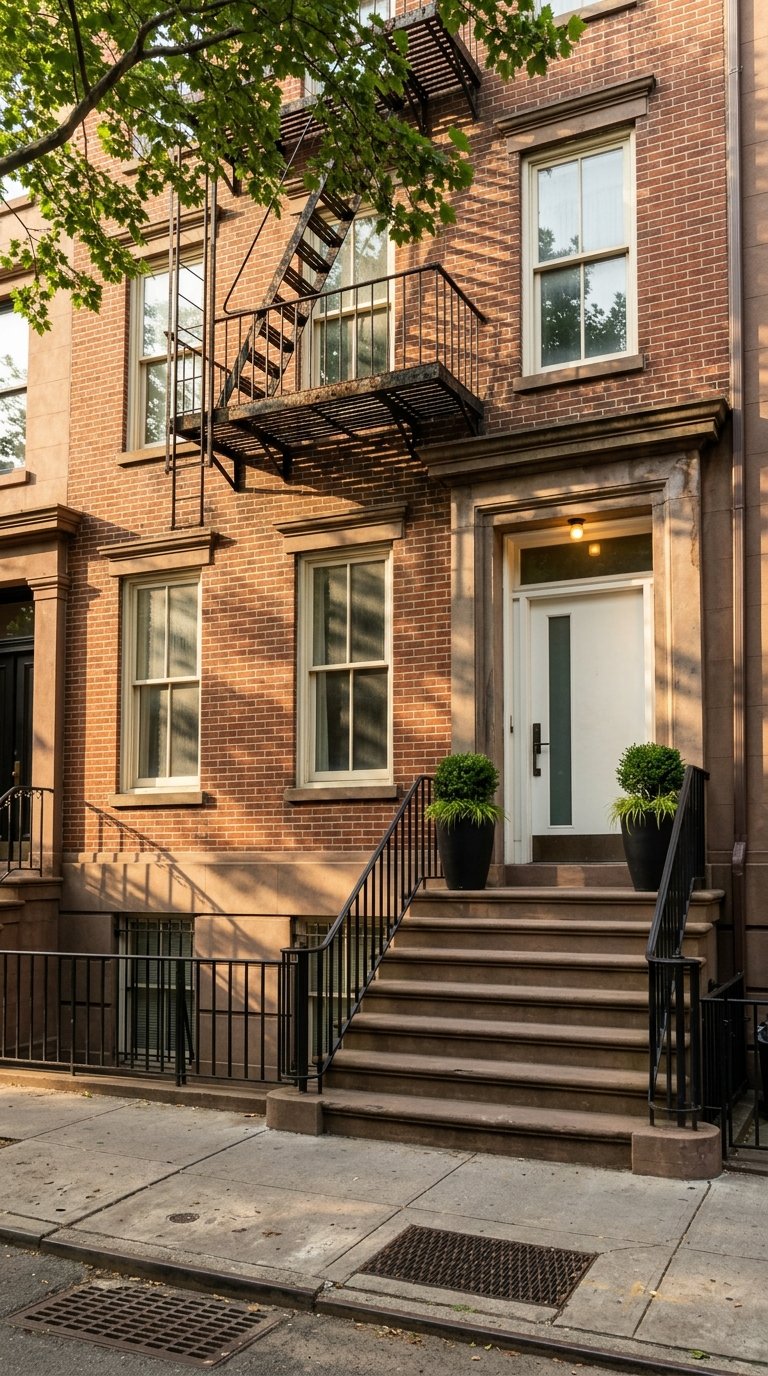
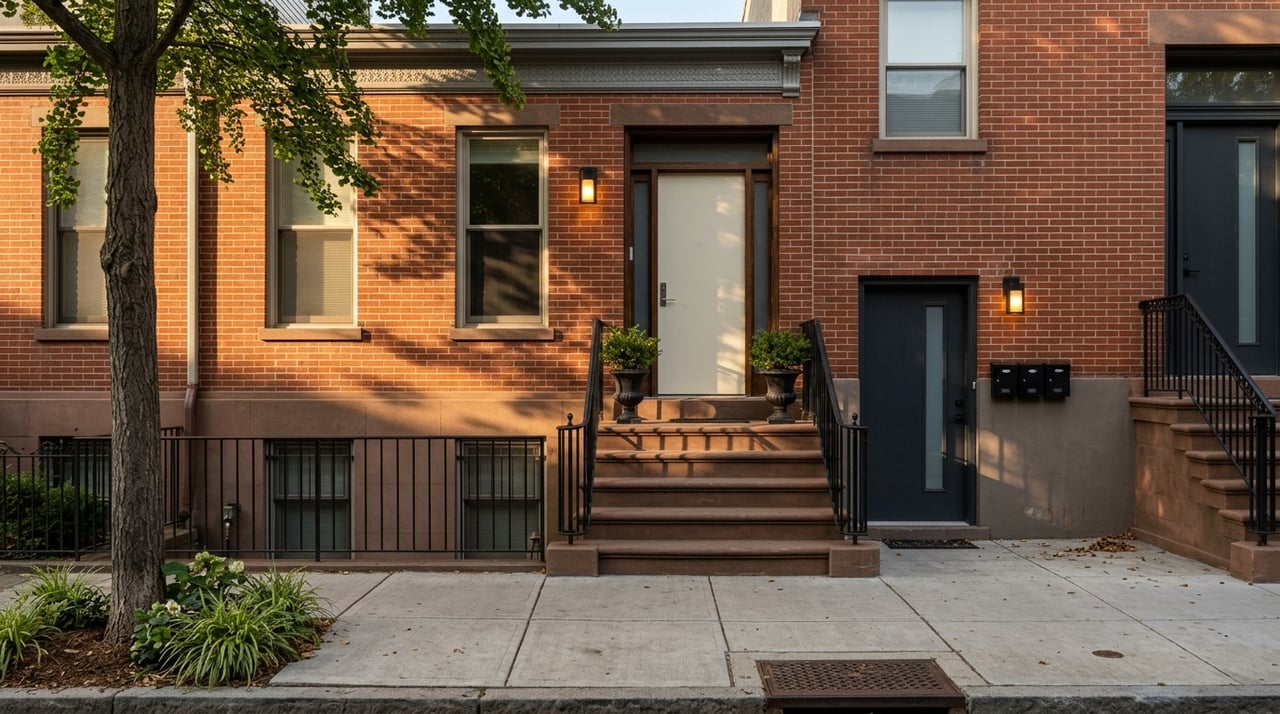
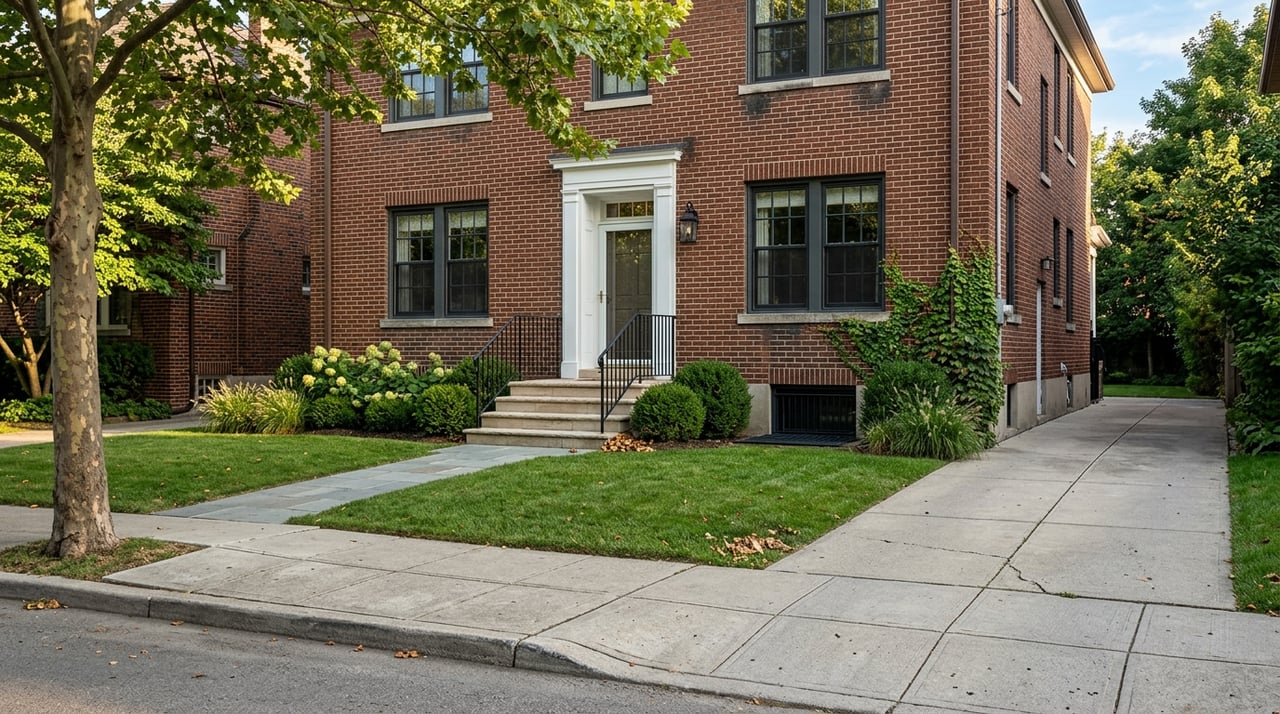
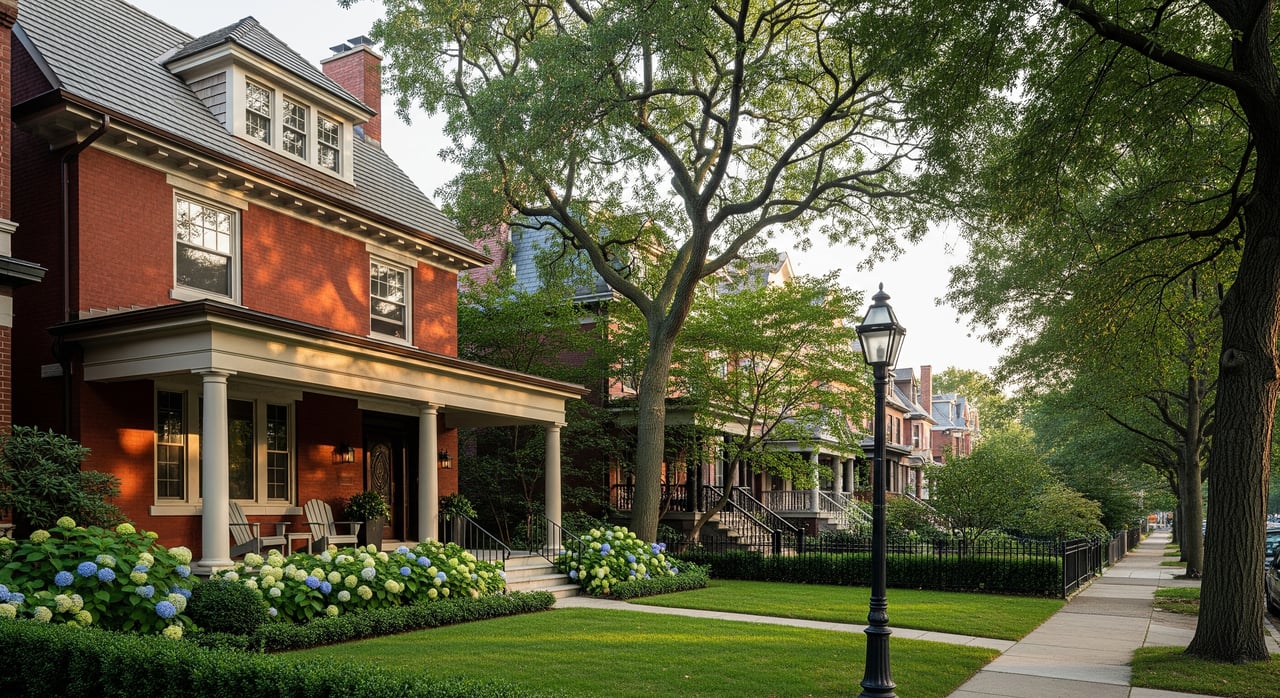
Flatlands includes many single‑family and 1–2 family homes, with some small multifamily buildings, plus a smaller share of condos and co‑ops. Matching the program to the property type helps you focus your search.
Single‑family or 1–2 family houses
- FHA works well if you need a lower down payment or have fair credit.
- SONYMA can be strong if your income and purchase price fit Kings County limits and you want assistance options.
- HomeFirst can supplement your down payment and closing costs when paired with a primary mortgage.
- HomeReady or Home Possible can be a good alternative for buyers with stronger credit who prefer conventional terms and potentially lower long‑term mortgage insurance costs.
2–4 unit owner‑occupied properties
- FHA and many conventional programs allow 2–4 unit purchases if you will live in one unit.
- SONYMA can support 1–4 unit properties if you meet program rules. This setup can help offset your mortgage with rental income from the additional units.
Condos and co‑ops
- Condos can work with FHA and SONYMA, but FHA requires project approval and programs may require additional review.
- Co‑ops are more complex. Many programs either do not support co‑ops or need project and board approval with extra underwriting. If you are targeting a co‑op, speak with a lender who regularly finances NYC co‑ops and confirm program compatibility upfront.
Eligibility: income, property, credit, and occupancy
Every program has rules. Here are the common threads so you can prepare.
Income and price limits
SONYMA and many assistance programs set household income caps and purchase price limits by county or metro area. Kings County typically falls into higher‑cost categories, so the limits are different than upstate. FHA and conventional low‑down options do not use county income caps, but they do apply loan limits and underwriting standards.
Property eligibility
Most programs support 1–4 unit properties and many condos. Co‑ops need extra care due to building approval and specific underwriting. Always verify your target property type and building status with your lender before you make an offer.
Credit, DTI, and funds to close
- FHA is more flexible on credit score and debt‑to‑income ratios than standard conventional loans.
- SONYMA and HomeFirst set minimum credit and debt guidelines but often allow a bit more flexibility than strict conventional lenders. Exact thresholds can change.
- Gift funds are commonly allowed across FHA, SONYMA, and HomeFirst with proper documentation and a gift letter.
Occupancy and documentation
You must plan to live in the home as your primary residence. Investor purchases are not permitted under first‑time buyer programs. Be ready to provide ID, Social Security numbers, two years of W‑2s or tax returns, recent pay stubs, bank statements, and any program‑specific forms.
How mortgage insurance affects your payment
Mortgage insurance is part of how low‑down‑payment loans work. FHA requires an upfront mortgage insurance premium that can be financed, plus an annual premium. Conventional low‑down options require private mortgage insurance until you reach a set equity level, and some products offer reduced‑cost PMI. SONYMA products can include program fees or assistance loan structures that change the total cost. The bottom line is to compare APR, total closing costs, and monthly payments across programs, not just the interest rate.
Real‑world buyer scenarios
- Limited savings and fair credit. Start with FHA or SONYMA. If you qualify, pair SONYMA with HomeFirst to reduce upfront cash.
- Strong income, small down payment, and possible gift funds. Consider SONYMA plus HomeFirst if you fit limits, or conventional HomeReady if your credit is stronger.
- Veteran buyer. Check VA first for favorable zero‑down terms.
- Co‑op focused. Confirm building approval and work with a lender experienced in NYC co‑ops. Not every program will fit a co‑op purchase.
Step‑by‑step: your next 30 days
Follow this simple plan to get clarity fast and shop with confidence.
- Gather your documents
- Government ID and Social Security numbers
- 2 years of W‑2s or tax returns and 30 days of pay stubs
- 2–3 months of bank statements and any asset statements
- Gift letters and documentation if using gift funds
- Complete homebuyer counseling
- Take a HUD‑approved class. It is often required for HomeFirst and recommended for SONYMA.
- Get prequalified or preapproved
- Choose a lender that regularly originates SONYMA, HomeFirst, FHA, and conventional low‑down loans in NYC. If you are considering a co‑op, confirm co‑op experience.
- Ask for a side‑by‑side program check
- Have the lender run numbers for SONYMA, HomeFirst, FHA, HomeReady or Home Possible, and VA if applicable. Compare total monthly cost, cash to close, and program timelines.
Smart questions to ask lenders
Use this checklist during your lender calls so you get clear answers you can compare.
- Which programs do you originate most often in NYC (SONYMA, HomeFirst, FHA, HomeReady, Home Possible, VA)?
- Are you on the participating lender lists for SONYMA and HomeFirst?
- Will my target property type in Flatlands qualify under these programs? If it is a co‑op, is the building acceptable to the program?
- What are today’s estimated interest rates and APRs for each option for my credit profile?
- What is the exact minimum down payment for each program, and how can gift funds be used?
- What mortgage insurance applies to each option, and how long will I pay it?
- Are there subordinate or forgivable assistance loans, and how do they affect selling or refinancing later?
- What timelines should I expect for program approvals and closing?
Local tips for Flatlands buyers
- Focus your search by property type. Many Flatlands streets feature single‑family and 1–2 family homes, which pair well with FHA, SONYMA, HomeFirst, and conventional low‑down options.
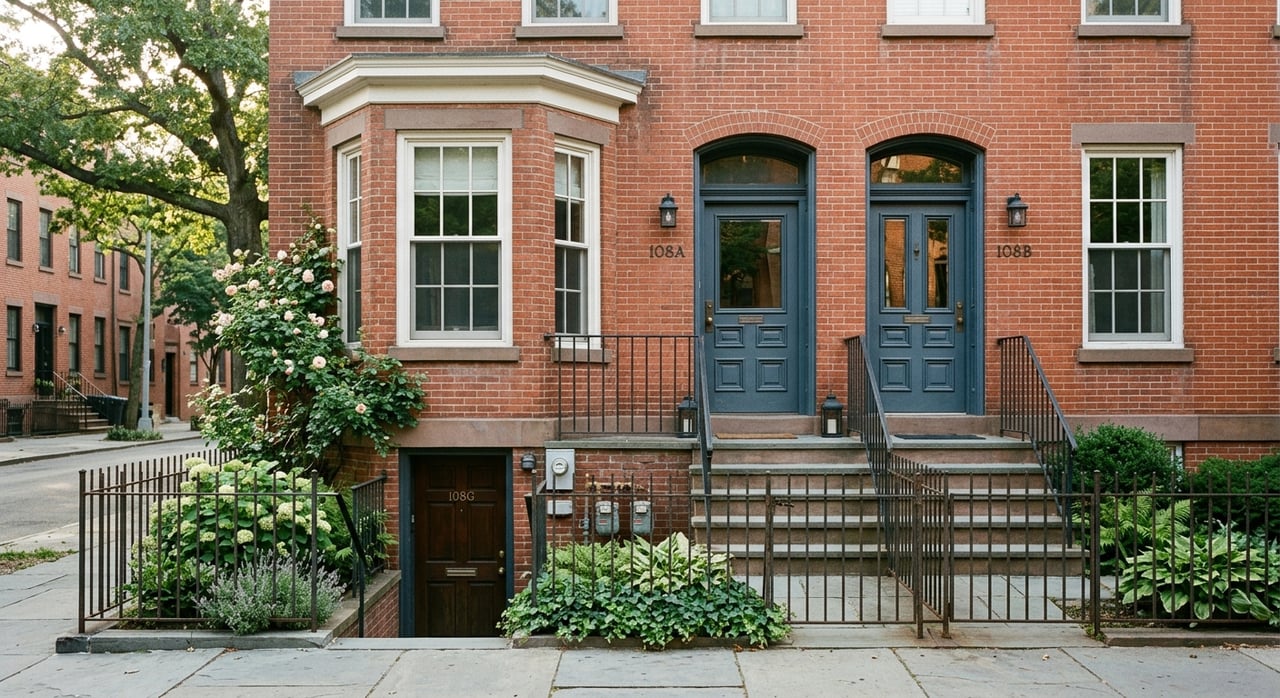
- If you want a small multifamily, confirm 2–4 unit eligibility and owner‑occupancy rules before you offer. Rent from the other unit(s) can support your payment, but the building must meet program criteria.
- Considering a condo or co‑op? Verify building approval early. This single step can save weeks and help you avoid surprise denials.
How we help first‑time buyers
You do not have to figure this out alone. As a Brooklyn‑based team that guides first‑time buyers through co‑ops, condos, and small multifamily purchases, we connect you with lenders and counselors who work these programs every day. We help you compare the real numbers side by side, target properties that fit your financing, and manage the moving parts from offer to closing. If you want a calm, step‑by‑step process, we are here to help.
Ready to get started? Reach out to Claudette Rolling to map your options and set up lender introductions today.
FAQs
What is the best first‑time buyer program for Flatlands?
- It depends on your credit, income, and property type; most buyers start by comparing FHA, SONYMA plus HomeFirst, and conventional HomeReady or Home Possible.
Can I buy a 2–4 unit home in Flatlands with these programs?
- Yes, many programs allow 2–4 unit owner‑occupied purchases; verify eligibility, owner‑occupancy rules, and how rental income is treated in underwriting.
Do I need perfect credit to qualify for help?
- No, FHA offers flexible credit guidelines, and SONYMA and HomeFirst set minimum standards that can be more forgiving than strict conventional loans.
Can I stack NYC HomeFirst with another mortgage program?
- Often yes; HomeFirst is designed to work with a participating lender and can pair with SONYMA or a conventional loan to reduce cash to close.
Are co‑ops eligible for first‑time buyer programs in NYC?
- Sometimes, but co‑ops often require building approval and extra underwriting; work with a lender experienced in NYC co‑ops and confirm program compatibility early.
How do gift funds work for my down payment?
- Many programs allow gift funds with a proper gift letter and documentation; ask your lender which sources are acceptable and how to document them.
Will mortgage insurance make my payment too high?
- It adds cost, but the impact varies by program; compare total monthly payment and APR across FHA, conventional with PMI, and SONYMA structures to see the best fit.
Are USDA loans an option in Brooklyn?
- No, most of Brooklyn, including Flatlands, is not considered rural, so USDA loans do not apply.